Cusco’s High Altitude: Tips to Help You Adjust
Are you planning a trip to Cusco? You might be thinking about how to adjust to its high altitude and avoid altitude sickness. Cusco sits at about 3,400 meters above sea level. It’s one of the highest places people live.
So, how do you adjust to such a high place? And how can you lower your risk of getting sick from the altitude? These are great questions.
Drinking lots of water is key to staying hydrated at high elevations. Doing light activities while you get used to the altitude can also help. Knowing how to adjust to Cusco’s altitude is important for a safe and fun trip.
In this article, we’ll share tips and advice on adjusting to Cusco’s altitude and avoiding altitude sickness.
Understanding Cusco’s Elevation Challenge
Cusco sits at 3,399 meters above sea level, making it a big challenge for visitors. To avoid altitude sickness, knowing the causes and symptoms is key. Altitude sickness prevention is vital for a safe and fun trip. At high altitudes, the body finds it hard to adjust to less oxygen, causing headaches, nausea, and vomiting.
To prevent altitude sickness, visitors can take steps like gradual acclimatization, staying hydrated, and avoiding alcohol. 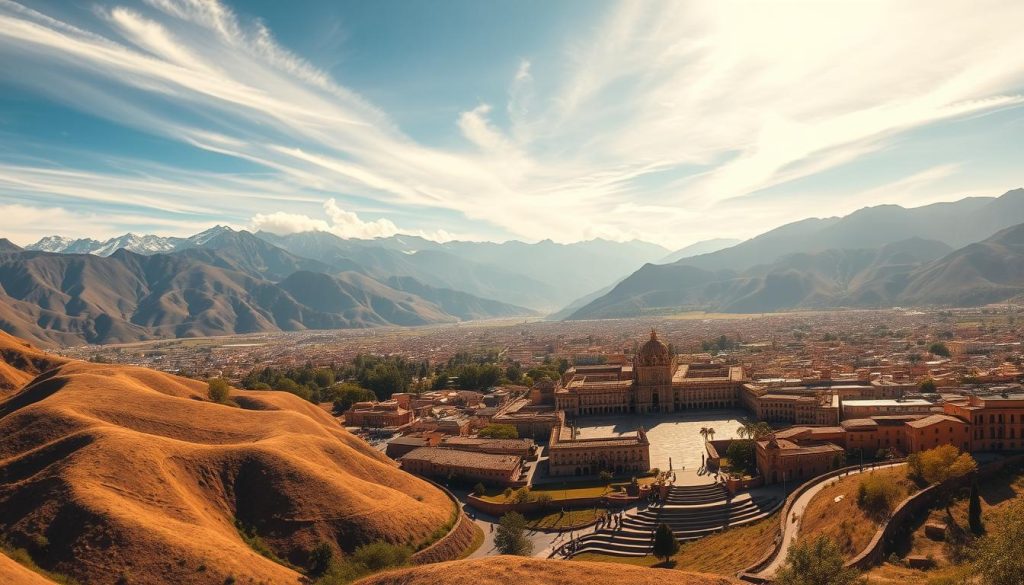 Drinking 6-8 glasses of water daily before and during your stay in Cusco is advised. By following these Cusco elevation tips, travelers can lower their risk of altitude sickness and have a great time in Cusco.
Some important stats to keep in mind when planning a trip to Cusco include:
- More than one-third of travelers get symptoms of altitude sickness
- Nearly half of travelers will experience some symptoms of altitude sickness
- Symptoms of altitude sickness usually show up within the first day at high altitude
By knowing the risks and taking the right precautions, visitors can have a safe and enjoyable trip to Cusco.
How to Acclimatize to Cusco’s High Altitude
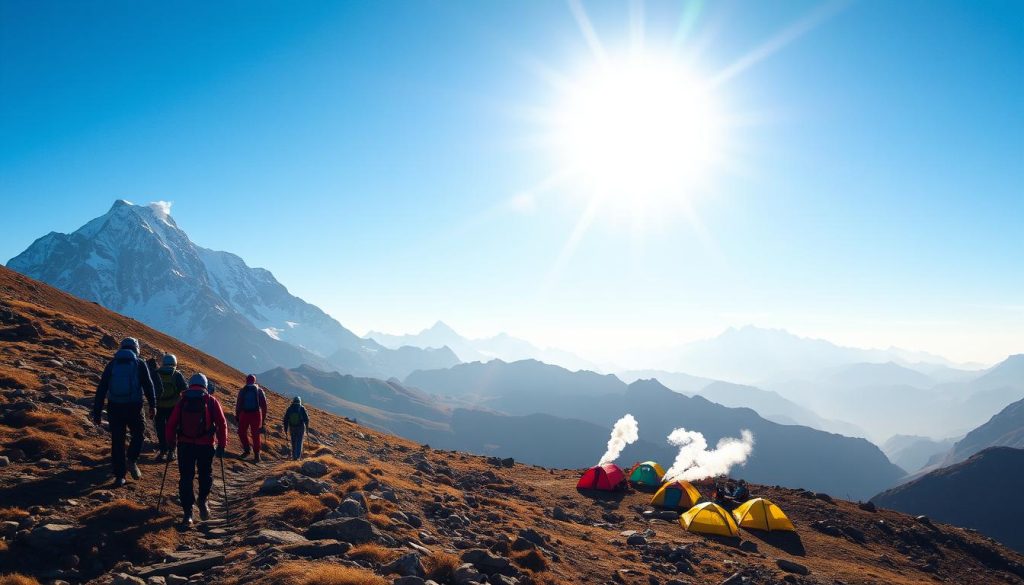
Getting used to high altitude is key to avoid altitude sickness. You can use high altitude acclimatization strategies like gradual ascent. This means going up by 300 to 500 meters each day after reaching 2,500 meters.
For instance, spend a few days in the Sacred Valley first. It’s lower than Cusco. Then, head to Cusco.
Also, take it easy on your first day in Cusco. Let your body get used to the altitude. Drink lots of water, at least 2 to 3 liters a day. Eating light, carb-rich meals can also help.
- Drinking coca tea, which is a natural remedy for altitude sickness
- Avoiding strenuous activity for the first 24 to 48 hours
- Getting plenty of rest
By following thesehigh altitude acclimatization strategies, you can lower your risk of altitude sickness. This way, you’ll enjoy your trip to Cusco more.
Essential Pre-Trip Preparation Steps
Before heading to Cusco, it’s key to prepare for a safe and fun trip. High altitude in Cusco can be tough, and altitude sickness can hit anyone. Make sure to see your doctor, even more so if you have heart or lung issues.
To lower the risk of altitude sickness, some doctors suggest Diamox. Being in shape before going to high places helps your body adjust better. Spend 2 to 3 days getting used to the altitude before doing anything hard.
Medical Consultation Requirements
Seeing a doctor is a must to check your health and get tips on avoiding altitude sickness. They might suggest medicines or supplements to help your body adjust.
Recommended Medications and Supplements
Diamox can help prevent altitude sickness. Drink lots of water and skip alcohol and caffeine to stay hydrated. Eating lots of carbs, over 70% of your daily calories, is also good advice.
Physical Conditioning Tips
Being in shape is crucial for high altitudes. Start with walking or jogging to boost your heart health. Avoid hard activities for a few days after arriving in Cusco to let your body adjust.
By taking these steps, you can lower the risk of Cusco altitude sickness and have a great trip. Stay hydrated, eat well, and listen to your body to avoid problems.
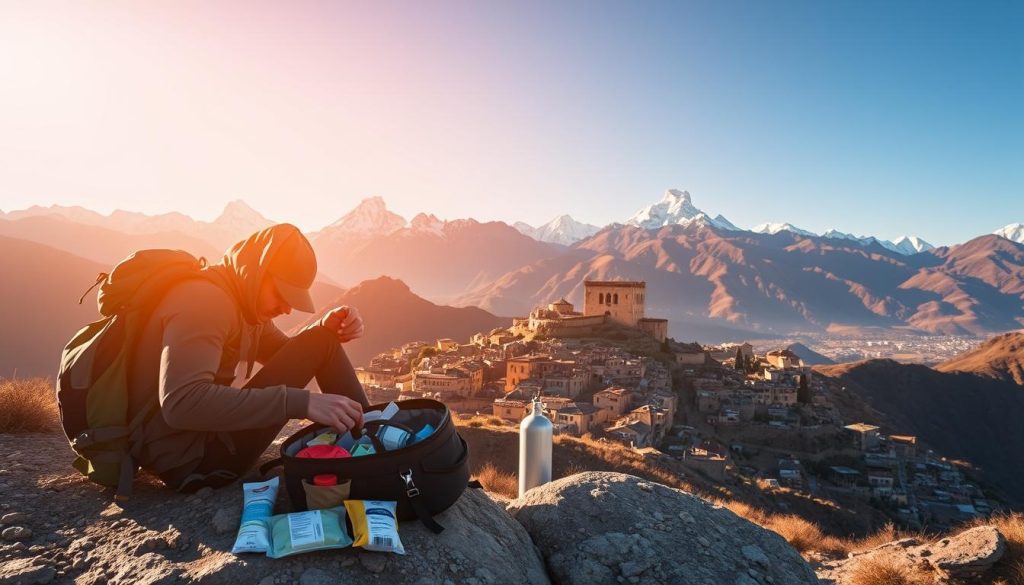
What to Pack for High Altitude Travel
Traveling to high places like Cusco requires the right gear and supplies. High altitude acclimatization strategies include drinking lots of water and avoiding alcohol and caffeine. Eating light, carb-rich meals helps your body adjust to the altitude.
Remember to pack warm clothes, as it gets cold at high elevations. Bring layers like a base layer, fleece, and waterproof jacket. Also, don’t forget a good pair of hiking boots or sturdy shoes.
Here are some key items to pack:
- Water bottle or hydration pack
- Water purification tablets or filter
- First aid kit
- Medications for altitude sickness
- Warm clothing and layers
- Hiking boots or shoes
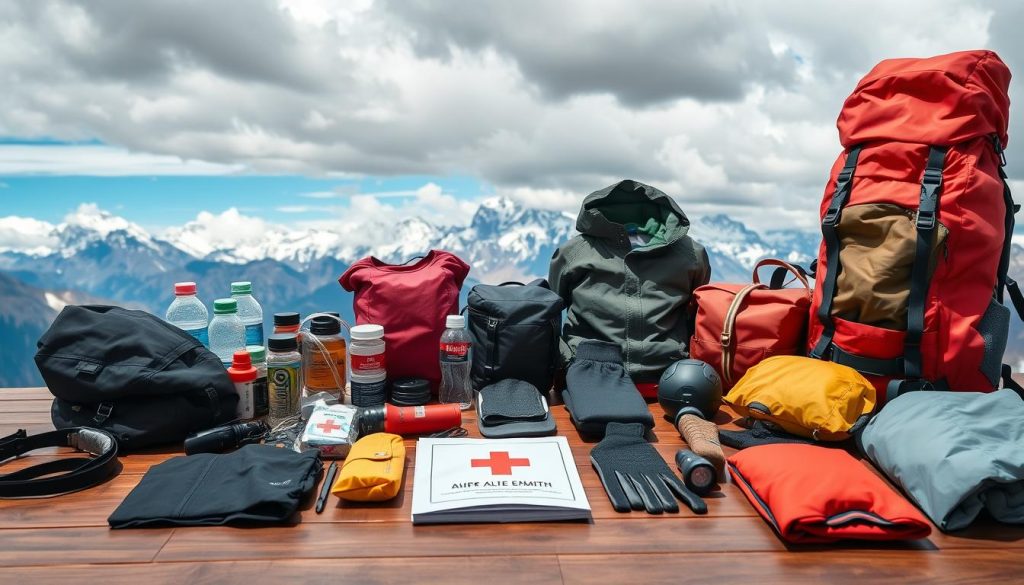
By following these High altitude acclimatization strategies and Cusco elevation tips, you’ll have a safe and fun trip to Cusco and its surroundings.
First Day Survival Strategies in Cusco
When you arrive in Cusco, it’s important to take it easy. Avoid doing too much to help your body adjust to the high altitude. Altitude sickness prevention is key, and drinking lots of water is a good start. You can also try coca tea or coca leaves to ease altitude sickness symptoms.
Rest and drink plenty of water to adjust to high altitude in Cusco. Get lots of rest, and don’t push yourself too hard, at least in the first 24 hours. Eating light meals is also a good idea to avoid digestive issues.
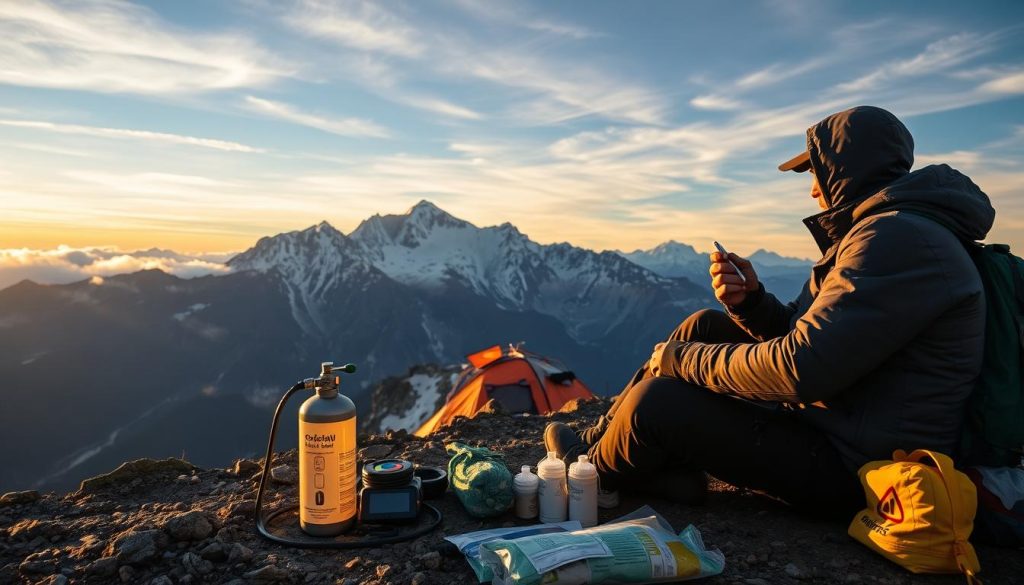
There are also local ways to help adjust to the altitude. Taking a warm bath or shower can relax your body. Drinking water and electrolyte-rich drinks is also important to stay hydrated.
By following these tips, you can make your first day in Cusco easier. Remember to relax, drink lots of water, and try local remedies. This will help you enjoy your time in Cusco without altitude sickness worries.
Nutrition and Diet Tips for Altitude Adjustment
Traveling to high places like Cusco can affect your body. It’s key to think about Cusco altitude sickness and how to adapt. Eating the right foods is a big part of High altitude acclimatization strategies.
For high altitudes, eat light, carb-rich meals. Think whole grains, fruits, and veggies. Here are some tips:
- Choose foods that are easy to digest, such as lean proteins like chicken or fish
- Incorporate iron and potassium-rich foods like spinach, lentils, and bananas
- Stay hydrated by drinking at least three to four liters of water per day
- Avoid heavy meals and opt for smaller, more frequent meals
Also, watch out for foods that can make you feel bloated. Too much caffeine can cause dehydration. By following these tips, you can adjust to high altitudes and lower Cusco altitude sickness risks.
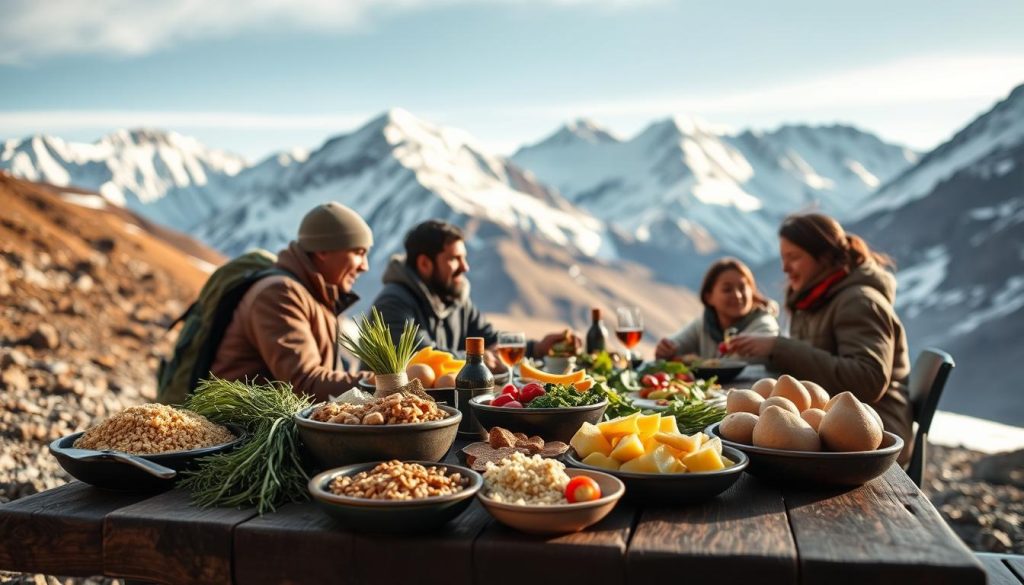
Always put your health first when visiting high places. With the right food and drink, you can have a great time in Cusco without worrying about altitude sickness.
Physical Activities and Exercise Guidelines
When adjusting to high altitude in Cusco, think about your exercise routine. Regular workouts are good for health, but high altitudes need careful handling. This is to prevent altitude sickness prevention issues.
Here are some tips for a safe and fun experience:
- Start slow on the first day and skip hard workouts
- Only do activities that feel right and safe for you
- Stay away from big meals and too much alcohol in the first days
Remember, how you react to high altitude can depend on your genes, age, and fitness. By being aware of these and taking steps to protect yourself, you can lower the risk of altitude sickness. This way, you can fully enjoy your time in Cusco.
Emergency Response and Medical Resources
Traveling to high-altitude places like Cusco requires being ready for emergencies. Cusco altitude sickness is a big worry. Knowing how to act in an emergency can save lives. If you feel worse or symptoms don’t go away, get help right away.
Hotels in Cusco often have oxygen and medical help. The city also has good hospitals. Make sure you have travel insurance that covers emergency flights. Knowing what to do and where to go in an emergency is crucial. 
To avoid High altitude acclimatization strategies failing, take steps to prevent sickness. Climb slowly, drink lots of water, and don’t overexert yourself. By being careful and ready for emergencies, you can enjoy Cusco safely.
Some important emergency tips include:
- Seeking medical attention immediately if symptoms persist or worsen
- Having travel insurance that covers emergency medical evacuations
- Knowing what to do and where to go in case of an emergency
By following these tips, you can have a safe and fun trip to Cusco, even at high altitudes.
Conclusion: Making the Most of Your Cusco Adventure
With the right preparation and mindset, you can fully embrace Cusco’s high-altitude adventure. You’ll create unforgettable memories. Understanding the effects of the region’s 11,152-foot (3,399-meter) elevation is key. Follow the acclimatization strategies outlined to adjust to Cusco’s high altitude and enjoy all it offers.
Remember, adjusting to high altitude in Cusco takes time and patience. Rest, hydrate, and do light activities during your first days. As your body adapts, increase your physical exertion. Be mindful of any warning signs that may require immediate attention. With proper precautions, you can safely explore Cusco’s rich history, stunning landscapes, and vibrant cultural experiences.
Embrace the challenge, listen to your body, and let Cusco’s high-altitude enchantment captivate you. By making the most of your Cusco adventure, you’ll return home with a renewed appreciation for the resilience of the human spirit. And the beauty of this remarkable Peruvian destination.