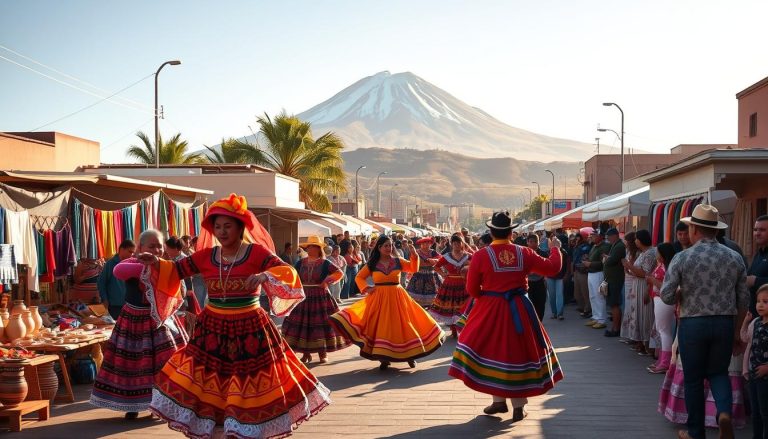
Cusco’s Ancient Echoes: A Journey to the Inca Capital
Have you ever dreamed of walking through a city at the heart of a great empire? Welcome to Cusco, the Inca Empire’s core, where history whispers around you. It lies in the Andes Mountains, offering a mix of ancient ruins, vibrant culture, and beautiful landscapes.
As a UNESCO World Heritage Site, Cusco draws over 2 million visitors each year. They come to see its history and cultural treasures. Places like Qorikancha and the stone walls of Sacsayhuaman showcase the Incas’ engineering wonders.
The city shows how old and new can live together. Art galleries sit near ruins, and places like San Pedro market buzz with life. This blend of history and modern life in Cusco is a fine balance. The city showcases it brilliantly.
Visiting Cusco, Peru, lets you experience a mix of ancient and modern. It’s perfect for history lovers, culture seekers, or anyone looking for an amazing trip. Cusco is a portal to the past that still offers today’s comforts.
Cusco: Stepping into History
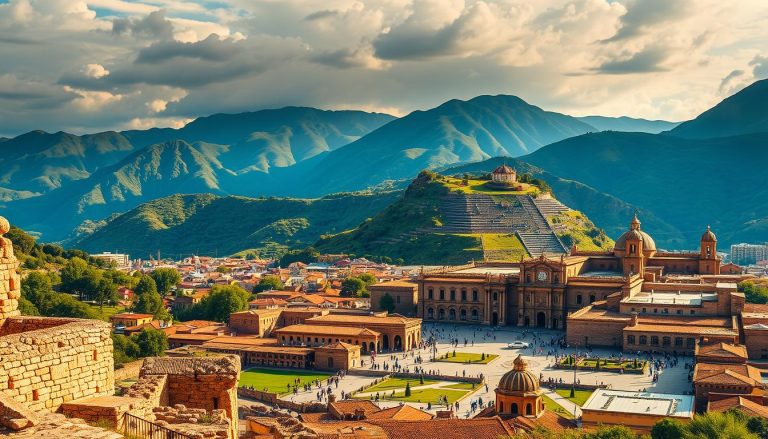
Right when you get to Cusco, you’re greeted by the Inca Empire’s legacy mixed with Spanish colonial buildings. This city is in southeastern Peru and is quite high up, around 11,150 feet above sea level. It opens the door wide to the rich culture of Peru.
The Significance of Cusco
The history of Cusco is more than just an old city’s tale; it’s the heart of Peru. Once the Inca capital, it shows the strength of a civilization that ruled a huge area. Today, the local language, Quechua, is still spoken alongside Spanish.
In Plaza de Armas, the city’s core, life buzzes. This square tells ancient stories through places like the main cathedral and the Church of the Society of Jesus.

The First Impressions
When you first walk in Cusco, you’ll find it magical but also a bit much. The high altitude makes it hard, so take it easy for the first day or two and drink plenty of water.
Exploring reveals the beauty of old sites like Sacsayhuamán, an amazing piece of engineering with great views of the city. These spots show why Cusco remains an important center for culture and history.
Welcoming Guides and City Tours
A guided tour is a must to really get Cusco. Guides, such as Fredy, bring the city to life with their stories. They take you from lively markets to peaceful spots, showing the Inca capital’s grandeur and Peru’s complex culture.
Tours often start at the busy Plaza de Armas. They wander through areas like San Blas, with its crafts shops and pretty roads, showing local life. These tours make sure you take home more than just photos, but a true understanding of Cusco’s history and culture.
Exploring Cusco’s Sacred Sites
Embarking on a trip to sacred sites in Cusco lets you meet the monuments making this city special. We will look at three famous spots: the Cusco Cathedral, Qorikancha, and Sacsayhuaman. Each has its own story to tell.
The Intricacies of the Cusco Cathedral
The Cusco Cathedral stands on an ancient Inca palace site. It showcases Gothic, Renaissance, and Baroque styles beautifully mixed together. Inside, you’ll find art that merges local culture with Catholic influence. This shows how different traditions can come together.
The Temple of the Sun: Qorikancha
Qorikancha, or the Temple of the Sun, was the Inca Empire’s beating heart. Despite Spanish conquistadors taking its gold, the remainings highlight Inca’s amazing building skills. Its walls once shone with gold and told stories of their gods and cosmos.
The Engineering Marvel of Sacsayhuaman
Visiting Sacsayhuaman shows off the Incas’ brilliant engineering. They built this fortress with huge stones that fit perfectly without any mortar. It overlooks Cusco, serving both defense and as a place for ceremonies.
| Site | Significance | Historical Highlights |
|---|---|---|
| Cusco Cathedral | Blends Gothic, Renaissance, and Baroque styles | Hosts the Cusquenian School of Art collection |
| Qorikancha | Heart of the Inca Empire | Originally adorned with gold panels |
| Sacsayhuaman | Engineering marvel and ceremonial site | Constructed with intricately fitted stones |
The Mysteries of Q’enqo and Puka Pukara
Embark on a journey to Cusco’s Q’enqo and Puka Pukara for a thrilling peek into the past. These sites reveal the Inca’s complex rituals and smart planning. They let you dive deep into their fascinating world.
Rituals and Beliefs at Q’enqo
A short walk from Cusco’s central square is Q’enqo, which means “Labyrinth”. This site played a big part in Inca ceremonies. Famous for its detailed carvings, Q’enqo was likely a spot for animal sacrifices and maybe even mummification. To explore Q’enqo, you need a ticket costing 70 soles (about US $20) that lets you visit several sites in one day.
The partial Visitor’s Ticket, which includes Qenqo, is part of Circuit 1 and is valid for one day.
The Historical Role of Puka Pukara
Puka Pukara is a stone’s throw from Q’enqo and is notable for its red-tinted stones from iron. It was a military base built to guard the empire and ensure Q’enqo’s safety. Get the Boleto Turístico Parcial Circuito 3 ticket for S/70 to see both places and other important ruins like Tambomachay and Sacsahuamán.
| Site | Distance from Plaza de Armas | Entry Cost (Foreign Tourists) | Open Hours |
|---|---|---|---|
| Q’enqo | 1 km | S/70 (Circuit 1) | 6 am – 5 pm |
| Puka Pukara | 6 km | S/70 (Circuit 3) | 6 am – 5 pm |
Discovering these ancient sites in Cusco offers a glimpse into the Inca’s stunning achievements. It shows how their rituals and forts were intertwined. This journey offers a rich insight into their ingenious and spiritual lives.
The Tranquil Oasis of Tambomachay
In the Andean highlands sits Tambomachay, often unseen next to other Inca wonders. It shows how the Incas sacredly interacted with nature. Dedicated to worship of water, it highlights the Inca’s deep respect for this essential element.
The Worship of Water
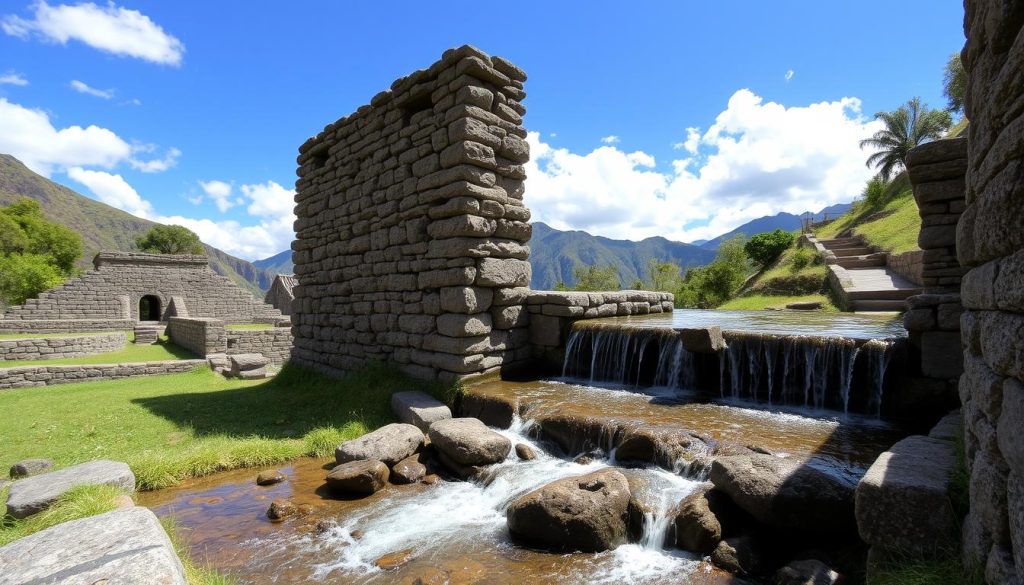
The Incas saw water as a sacred force, vital for life and deserving of special honor. At Tambomachay, sacred fountains and aqueducts show their deep bond with water. The flowing water through channels creates a peaceful sound, making it a royal retreat.
The Aqueducts and Fountains
The Incas’ skill in engineering shines at Tambomachay with its aqueducts and fountains. Here, Inca aqueducts impressively direct water from springs to stone pools. These sacred fountains still work today, showcasing Inca mastery over water. The terraces, built without mortar, demonstrate their skill in stone-work.
| Aspect | Details |
|---|---|
| Altitude | 3,700 meters (12,139 feet) |
| Primary Function | Worship and ritual associated with water |
| Engineering Highlight | Superior management of water through aqueducts and fountains |
| Conservation Measures | Guided tours, limited visitor numbers |
To visit Tambomachay, one must adjust to Cusco’s high altitude. This ensures a comfortable journey through this calm, holy place. Thanks to conservation, you can experience the breathtaking Inca aqueducts and sacred fountains.
Cusco’s Blend of Inca and Spanish Influences
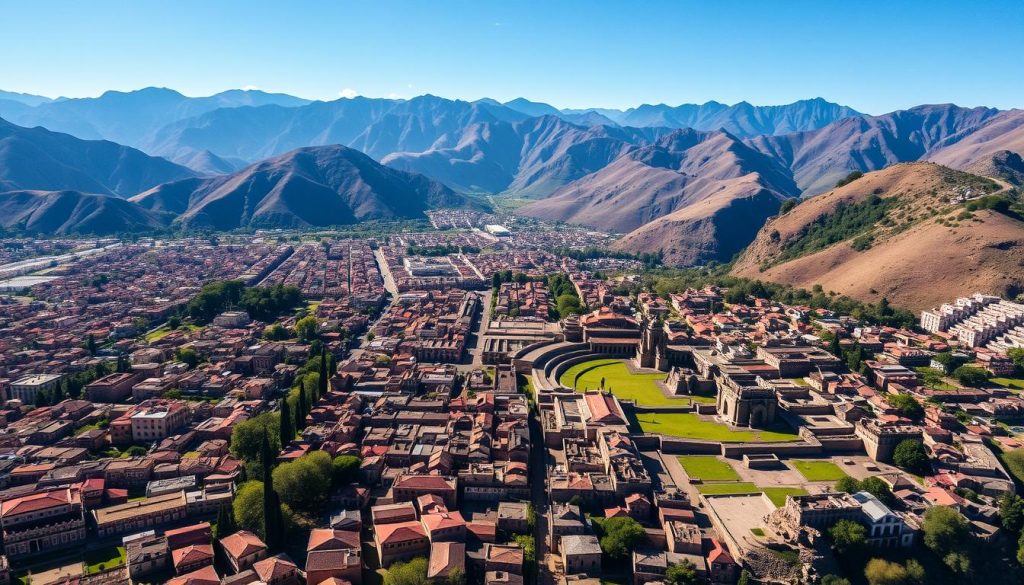
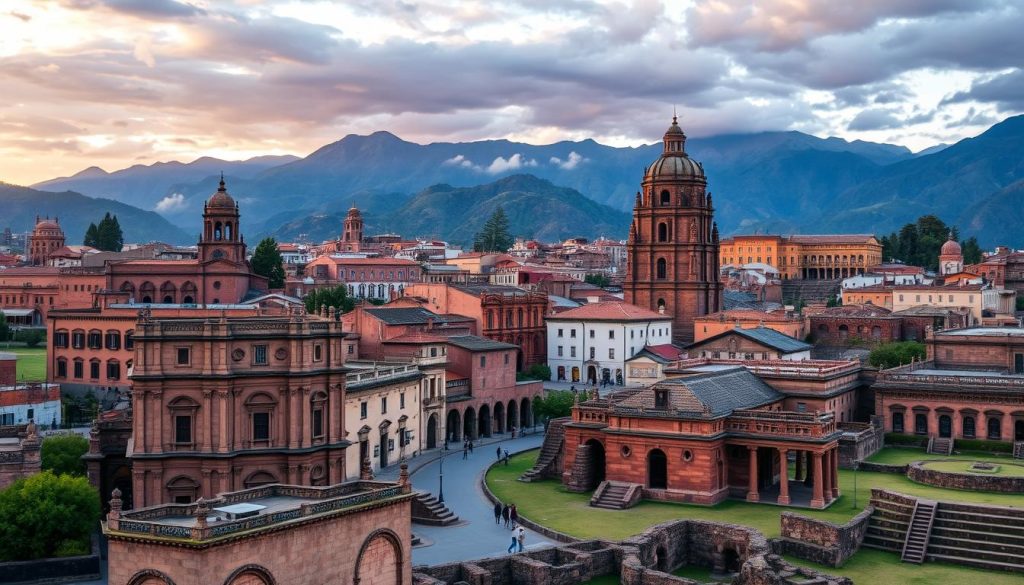
Cusco shows a mix of Inca and Spanish styles in its buildings. Here, old Inca bases hold Spanish colonial buildings above them. This mix paints a picture of Cusco’s unique culture and history. This city, home to 428,450 people, sits high at about 3,400 meters. Every year, more than 2 million people visit. Being a UNESCO World Heritage Site, Cusco’s architecture shows its rich past and cultural mix.
The Fusion in Architecture
The blend of Inca and Spanish designs in Cusco tells the city’s long history. After taking over in the 16th century, the Spanish built new buildings on Inca bases. This Inca Spanish fusion is seen at places like the Qorikancha. It was an Inca temple for the sun god, Inti. Later, the Spanish turned it into the Santo Domingo Church. This shows the deep mix of two different cultures.
Cusco’s Archeological and Colonial Coexistence
In Cusco, you can see both Inca and Spanish styles side by side. The Cusco Cathedral, a symbol of colonial design, stands near the old Inca temple of Qorikancha. This close mix of Inca and Spanish elements is key to Cusco’s character. Also, the city’s people reflect this blend. About 64.0% are Indigenous, mostly Quechua, and 31.0% are Mestizo.
| Cultural Influence | Significant Landmark | Details |
|---|---|---|
| Inca | Qorikancha | Inca temple turned into the Church of Santo Domingo by the Spanish. |
| Spanish | Cusco Cathedral | Colonial architecture built on existing Inca structures. |
Exploring Cusco’s Inca Spanish fusion teaches us about its role as a living museum. Visitors get a deep look into how two cultures come together in this ancient Andean city. It’s a place where architecture tells stories of the past.
The Sacred Valley: A Custodian of Incan Legacy
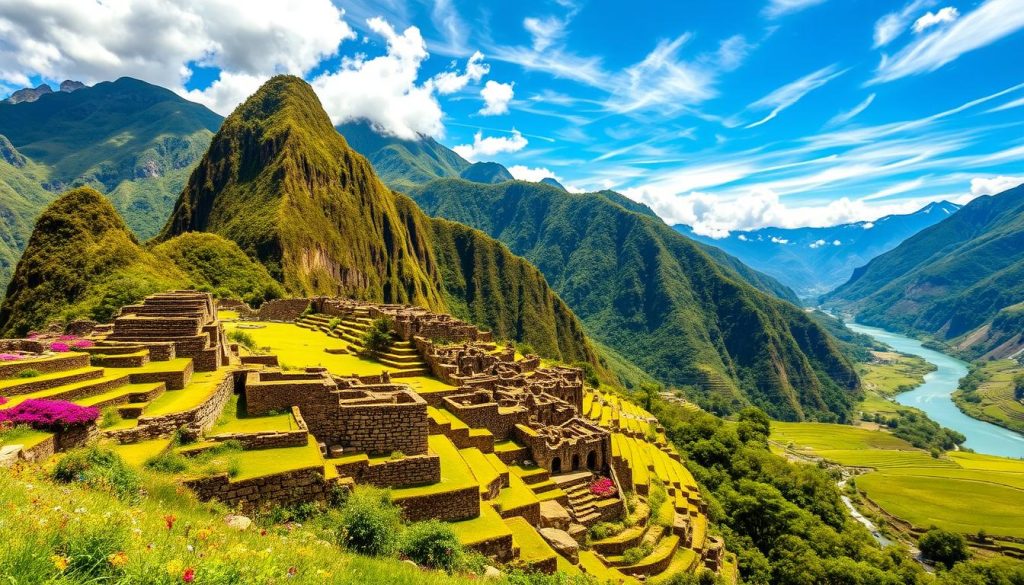
Step into the Sacred Valley. This place is loved for its ancient Inca sites, colorful markets, and deep Andean customs. It sits in the Andean mountains. This area shows the rich culture and history of the Incas.
Archaeological Sites and Traditional Markets
Tourists flock to the Sacred Valley for its culture and history. Places like Pisac and Ollantaytambo are especially popular. These sites showcase Inca engineering skills and offer in-depth experiences. Tourists spend a lot of time at these sites.
Chinchero is known for its bustling market on Sundays. It’s high in the mountains. Visitors enjoy weaving workshops, getting a hands-on look at Andean traditions. Buying handmade items as souvenirs shows how important markets are to the Sacred Valley experience.
| Aspect | Details |
|---|---|
| Average time at archaeological sites | Long |
| Participation in weaving workshops | High |
| Interaction in local markets | Favorable |
| Tour flexibility by guides like Gary | High |
| Souvenir purchase rate | High |
The Andean Communities
The Sacred Valley is filled with Andean communities. They keep their old traditions alive. Tourists enjoy meeting locals, like in Chinchero’s market. This shows the community’s friendly nature and rich culture. Tourists love the culture and nature here after visiting.
Chinchero offers more than markets and ruins. It blends natural beauty with cultural events. For example, the Corpus Christi festival shows the area’s heritage. Nearby lagoons like Huaypo and Piuray are culturally important and add beauty to the valley.
Getting to Chinchero from Cusco is easy. You can take buses, shared taxis, private cars, or guided tours. It takes about 45 minutes. This makes the Sacred Valley an important place for exploring the Inca legacy.
Cusco, Peru: Gateway to Machu Picchu
The trip from Cusco to Machu Picchu is unforgettable. It mixes history, culture, and stunning views. It’s a key part of visiting Peru.
The Journey to the Lost City
Travel to Machu Picchu can be by train, bus, or hiking the Inca trails. Each option shows you incredible landscapes. A taxi from Cusco will cost about $150 and takes 4 to 5 hours. You might also take buses and a train for $50 to $500, lasting 5 to 6 hours.
Many travelers love the train ride, which takes 3 to 4 hours. Peru Rail and Inca Rail offer beautiful routes. For groups of 12 or more, Peru Rail gives discounts.

Exploring Machu Picchu’s Enigma
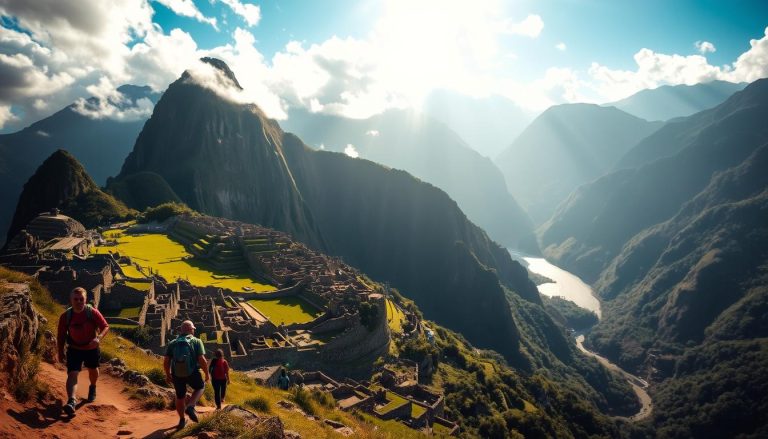
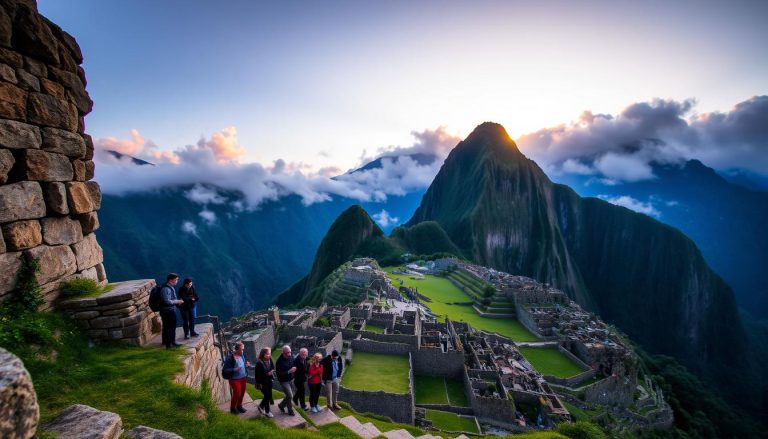
Arriving at Machu Picchu starts your adventure. It sits 2,430 meters high and amazes with its architecture. Don’t forget to drink water and take it slow. You must book your visit early since there’s a daily cap.
Tours last about 2 to 2.5 hours and teach you a lot. Bring a small backpack and wear sturdy shoes for the trails. For a deeper experience, hike the Inca trails for four days and three nights.
A 4-day trip through Cusco, the Sacred Valley, and Machu Picchu is memorable. Even a day trip offers a glimpse into the Incan world.
The Marketplaces of Cusco
The bustling Cusco markets are a feast for the senses. The San Pedro Market is a key spot, just ten minutes from Cusco’s main square. It was built in 1925 by Gustav Eiffel. This market is the city’s oldest and most lively, welcoming visitors with a mix of traditional goods and modern crafts.

San Pedro Market Experience
A trip to the Cusco markets isn’t complete without seeing the San Pedro Market. It’s open Monday to Saturday from 6:30 am to 6:30 pm and Sundays until noon. You can find local traditional goods like chicharrones, sheep head soup, and more. It’s a place where modern crafts meet traditional food, showing the heart of Cusco.
The Blend of Traditional and Modern Goods
At the Cusco markets, you can find everything from alpaca clothing to Incas’ fruits like chirimoya. These markets serve both locals and tourists, offering souvenirs and daily needs. The mix of old and new shows Cusco’s lively culture and history.
| Item Categories | Examples |
|---|---|
| Traditional Foods | Trout ceviche, lomo saltado, roasted guinea pig |
| Modern Crafts | Jewelry, alpaca wool clothing, ceramics |
| Local Fruits | Chirimoya, lucuma, granadilla |
| Handcrafted Items | Leather goods, traditional pottery, souvenirs |
When you visit the Cusco markets, remember to bring reusable bags and be ready to haggle. Also, keep your things close in the busy crowds. Shopping here is a great way to see Peruvian culture and lively local life.
The Modern Cultural Landscape of Cusco
Cusco isn’t just about ancient history. It’s also about its lively modern culture. This city shines with a vibrant arts scene and delicious food adventures. Explore how the arts and Peruvian cuisine mix, creating a special experience in this Andean gem.
The Flourishing Arts Scene
The arts in Cusco blend old craftsmanship with new artistic ideas. Galleries show art that reflects ancient designs and modern themes. You’ll see everything from detailed textiles to modern sculptures and paintings. Make sure to visit the Centro Qosqo de Arte Nativo to see indigenous dances and costumes.
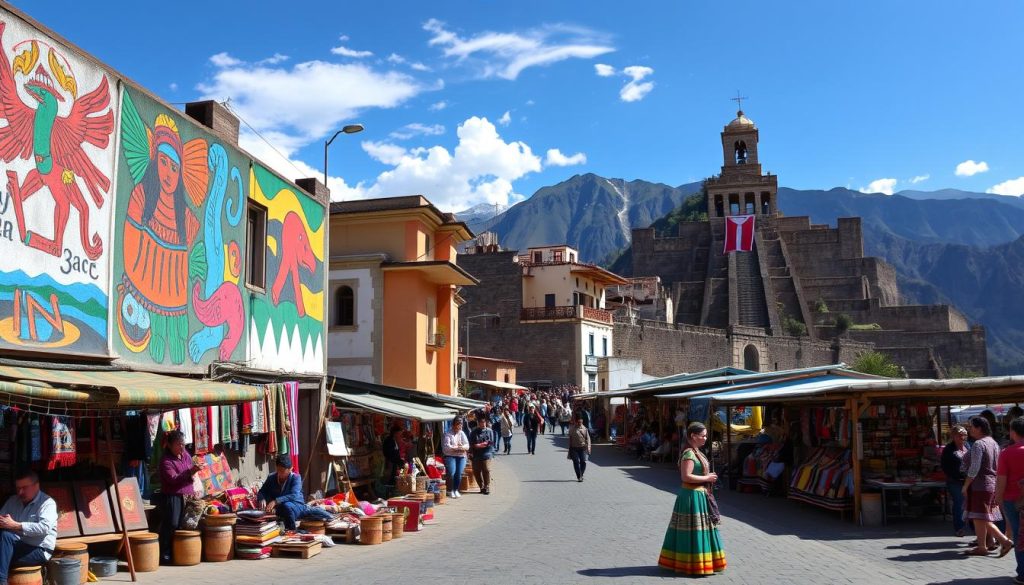
Cusco buzzes with creativity that showcases Peru’s diverse culture. This culture is influenced by Spanish, African, and Asian heritages. Festivals and art fairs make Cusco a must-visit for art lovers.
Cusco’s Culinary Adventures
Cusco’s food scene is amazing, mixing old Peruvian recipes with new cooking styles. Ingredients like potatoes, corn, quinoa, and local meats mix with global techniques. This has made Peruvian food world-famous. Try everything from street food like chairo and quinoa soups to fancy restaurants that experiment with dishes like baked cuy (guinea pig) and pork crackling.
Here’s a snapshot of some key dishes:
| Dish | Description |
|---|---|
| Fried Trout | Local river trout, typically pan-fried with herbs and spices. |
| Chairo Soup | A hearty stew made with potatoes, vegetables, and lamb. |
| Baked Cuy | Guinea pig seasoned, baked, and traditionally served with potatoes and corn. |
| Pork Crackling | Crispy fried pork belly, often accompanied by corn and fried plantains. |
| Quinoa Soup | A nutritious soup made with quinoa, vegetables, and sometimes chicken. |
Cusco’s culinary scene lets you taste ancient recipes and modern innovations. From local markets to upscale restaurants, Cusco offers a unique culinary adventure.
The Spiritual Dimension of Cusco
Perched in the majestic Andes, Cusco brings a blend of ancient traditions and serene landscapes. It’s perfect for those seeking spiritual growth. Engaging in Cusco’s spirituality opens a world of practices that balance the mind, body, and soul. Popular activities include yoga retreats and meditation sessions. They help connect deeply with your inner self.

Yoga and Meditation Retreats
Yoga retreats in Cusco are becoming popular. They blend physical well-being with mental clarity. Retreats feature experienced leaders like Najee Wilson. They combine traditional yoga with Cusco’s rich culture. You can experience different yoga styles, from Hatha to Vinyasa. They improve mindfulness and balance in this tranquil place.
A Journey of Inner Peace and Balance
Meditation in Cusco offers a break from daily life. It helps you find inner peace and connect with the area’s energies. Many retreats provide guided meditations. They use local customs and Cusco’s natural beauty to deepen relaxation. The Andean mountains’ soothing energy makes finding harmony easier.
“The Q’ero people have preserved their mystical practices for over 500 years. Their spiritual leaders, or paqo, are ready to share their wisdom with the world. Their ceremonies can bring transformative insights and deep peace.”
| Element | Purpose |
|---|---|
| Cleansing Ceremony | Remove “hucha” (heavy energy) and transform it into better energy using sacred elements like stones, water, and plants. |
| Offering Ceremony | Give thanks to Mother Earth for life’s blessings. These are often done at sunrise or sunset to connect deeply with nature. |
| Meditation Sessions | Enhance mindfulness and inner peace amidst Cusco’s tranquil landscapes and ancient sites. |
| Blessing Ceremony | Seek spiritual guidance and support performed under a sacred rock with prayers and offerings. |
Cusco’s spiritual journey combines yoga retreats and meditation for a holistic path to peace. Whether new or experienced in spirituality, Cusco’s serene energies will enhance your journey.
Conclusion
Our journey through Cusco leaves us with deep impressions of its history, culture, and spiritual depth. We spent about a week there, during our five-week visit to Peru. We explored ancient ruins, experienced vibrant cultures, and connected with the spirit of the Inca Empire. These memories are a bridge between the past and present.
In the Sacred Valley, and at Sacsayhuaman, you’re more than a tourist. You’re part of a living history. The San Pedro Market mixes old and new, showing Cusco’s balance between ancient and modern. The Alpaca Wool industry highlights the Andean communities’ skill. It shows the importance of tradition, even as the world changes.
Our time in Cusco was eye-opening, but we wished for more. We wanted to explore the Cordillera Blanca, Sacred Valley, and more treks. The mix of old farming methods with new ones in Andean communities is inspiring. They also keep traditional music, pottery, and textiles alive. These experiences remind us of our world’s rich and varied cultures.