Celebrate Manila Festivals Safely & Authentically
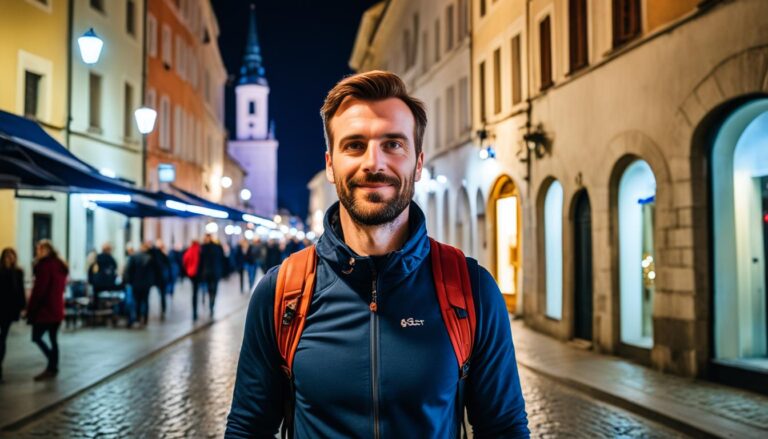
Manila’s festivals offer a vibrant glimpse into Filipino culture. Learn how to celebrate these events safely and authentically. Discover ways to respect local customs while fully enjoying these remarkable celebrations.
Navigate Manila’s busy streets during festivities with ease. Embrace the spirit of these events for an unforgettable experience. Go beyond typical sightseeing and immerse yourself in Manila’s rich cultural heritage.
The Philippines boasts a year-round calendar of diverse festivals. These events showcase the country’s rich heritage and foster community spirit. They also allow Filipinos to express gratitude and celebrate their traditions.
From the Ati-Atihan Festival in Kalibo to Cebu City’s Sinulog Festival, these celebrations welcome everyone. Locals and tourists alike can witness the country’s cultural tapestry up close. These festivals provide unique opportunities to engage with local communities.
Immerse in the Vibrant Cultural Heritage of Manila
Manila, the Philippines’ capital, blends diverse cultures and age-old traditions. The city mixes Spanish colonial influences with modern innovations. Immerse yourself in local customs to connect deeply with Filipino culture.
Manila’s Unique Blend of Traditions and Modernity
Manila’s architectural landscape is remarkable. The San Agustin Church, built in 1607, is the oldest stone church in the Philippines. It’s a UNESCO World Heritage Site since 1993.
Explore Intramuros, the “Walled City,” a testament to Spanish colonial past. Wander through its intricate fortifications and cobblestone streets.
Rizal Park, one of Asia’s largest urban parks, offers a serene escape. The National Museum of the Philippines houses a vast collection of art and cultural treasures.
Embracing Local Customs and Etiquette
To fully experience Manila’s culture, embrace local customs and etiquette. Engage respectfully with the community and understand the significance of various traditions. This approach will enhance your festival experience and connection with Filipino life.
- Observe local customs and dress appropriately when attending festivals or visiting cultural sites.
- Be mindful of personal space and avoid physical contact, as Filipinos generally value personal boundaries.
- Approach interactions with a polite and friendly demeanor, as Filipinos are known for their warm hospitality.
- Familiarize yourself with common Filipino greetings and expressions to connect with the locals.
Exploring Manila’s cultural heritage will deepen your appreciation for its traditions and modernity. You’ll discover a rich tapestry of experiences in this vibrant city.
How to Celebrate Local Festivals in Manila Safely and Authentically?
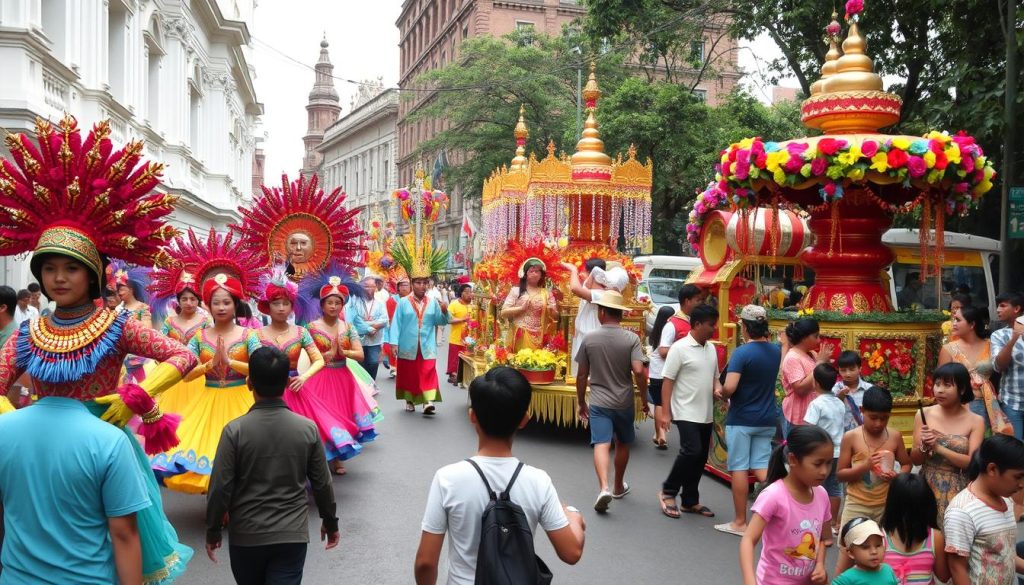
Manila’s local festivals offer an immersive experience. To enjoy them fully, it’s important to celebrate safely and respectfully. Understanding cultural significance and local etiquette will help you create lasting memories.
Here are tips for celebrating Manila’s festivals safely and authentically:
- Respect local customs and traditions: Research the festival’s cultural significance and etiquette. This will help you engage mindfully with the community. Your experience will be more meaningful and appreciated.
- Prioritize your safety: Stay alert in large crowds and lively celebrations. Stick to well-lit areas and keep valuables secure. Follow guidance from local authorities and organizers.
- Immerse yourself in the cultural experience: Embrace the festival’s vibrant sights, sounds, and flavors. Try local cuisine and join traditional activities. Engage with the community for an authentic experience.
- Support local businesses and communities: Buy from local vendors, artisans, and cultural organizations. Your support helps preserve Manila’s rich cultural heritage. It also ensures these festivals continue.
Approach Manila’s festivals with respect and safety. Show a genuine interest in the cultural experience. You’ll create unforgettable memories that you’ll cherish for years.
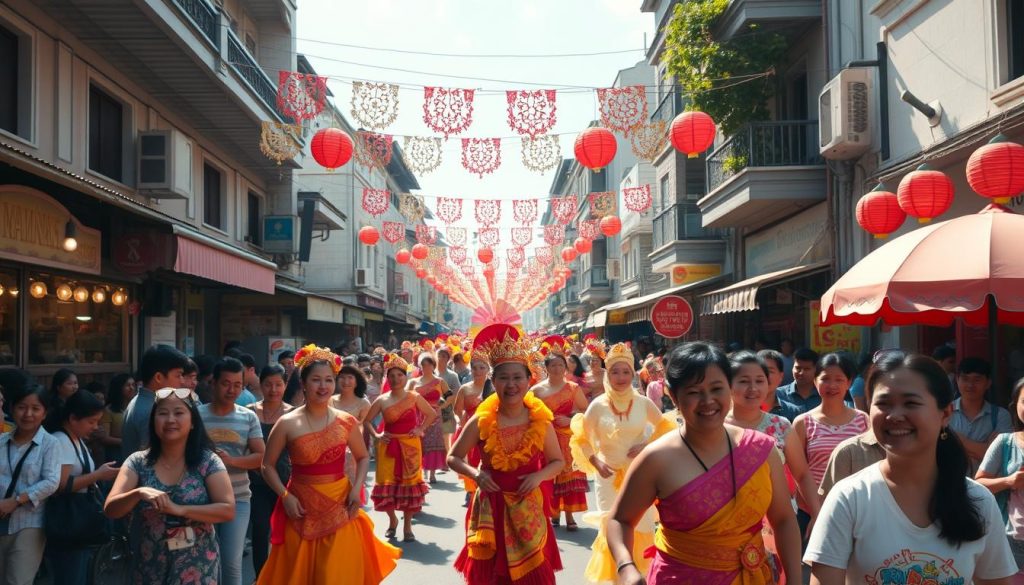
“Attending a local festival in Manila is not just about the celebration itself, but about connecting with the community, understanding their traditions, and becoming a part of the vibrant cultural tapestry that makes this city so special.” – Jane Doe, travel writer
Navigating Manila’s Bustling Streets During Festivities
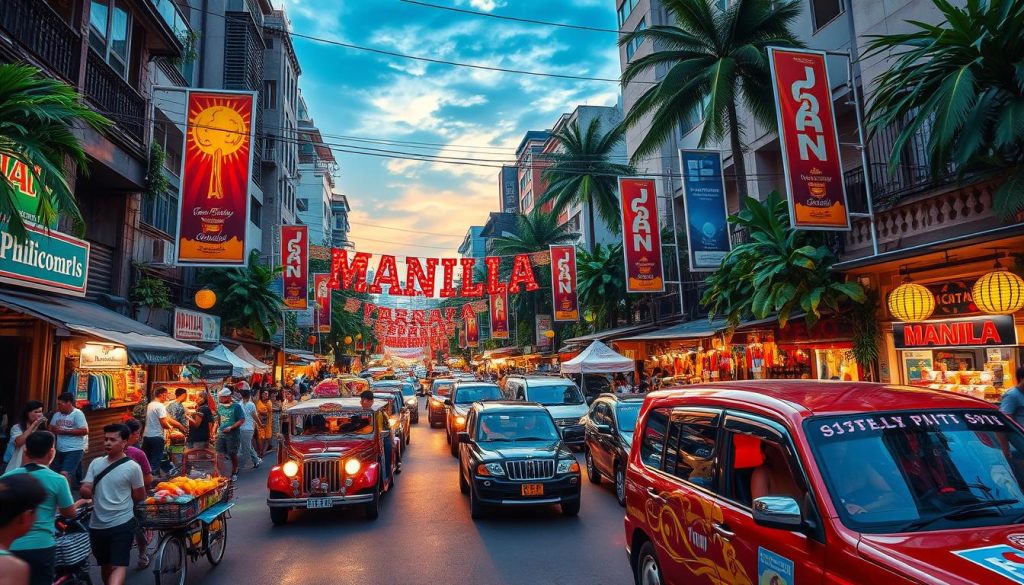
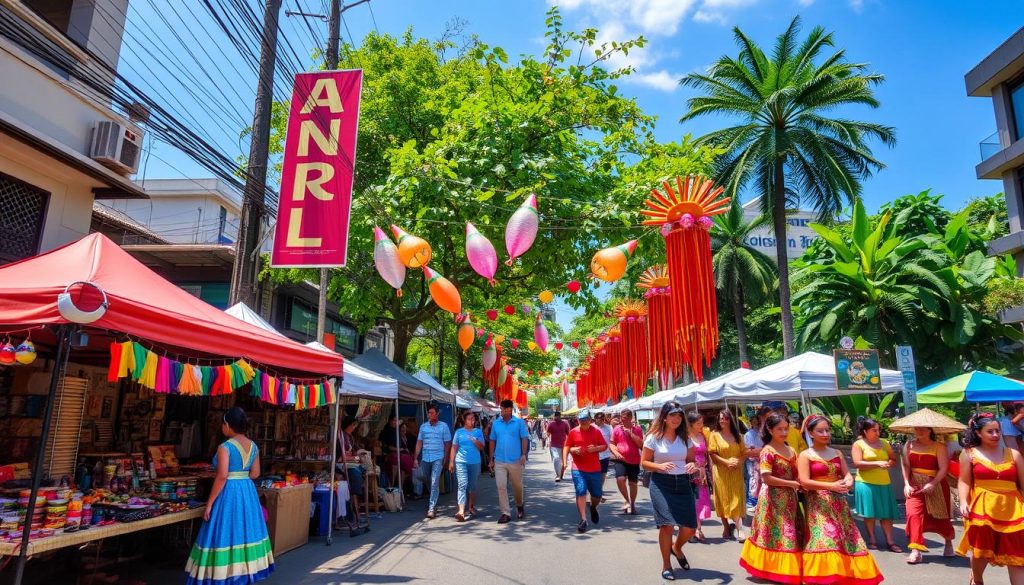
Manila’s festivals bring excitement and large crowds to the city’s streets. Navigating these busy areas requires caution and respect for local customs. This approach ensures a safe and memorable experience.
Staying Safe in Crowded Celebrations
Manila’s festival streets can get very crowded, creating potential safety risks. Stay alert and keep your belongings close. Stick with your group and follow instructions from local authorities.
- Remain aware of your personal items, such as wallets, phones, and bags, and keep them close to your body.
- Familiarize yourself with the festival’s layout and exit routes in case of an emergency.
- Heed any instructions or announcements from the organizers or local law enforcement.
Respecting Local Customs and Traditions
Respect for local customs is key during Manila’s festivals. These events hold deep cultural meaning for the community. Showing appreciation will enhance your experience and create a sense of belonging.
- Dress appropriately, covering your shoulders and knees, as a sign of respect.
- Avoid disruptive behavior, such as loud music or intoxication, that could be seen as disrespectful.
- Engage with the local community, learn about the significance of the festivities, and immerse yourself in the cultural traditions.
Safety and respect are crucial for enjoying Manila’s festivals. By following these guidelines, you’ll fully experience the city’s vibrant energy. Immerse yourself in the rich cultural traditions these celebrations offer.
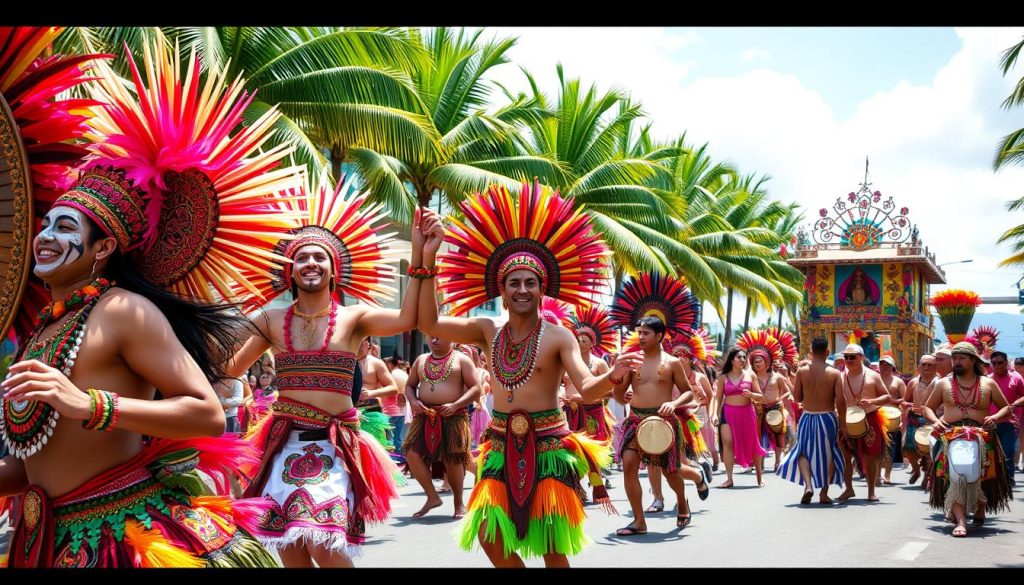
Ati-Atihan Festival: A Vibrant Celebration of Faith and Culture
The Ati-Atihan Festival showcases the rich cultural heritage of the Philippines. Held in Kalibo, Aklan, it’s known as the “Mother of All Philippine Festivals.” Dating back to 1212 AD, it’s one of the country’s oldest celebrations.
This annual event honors the Santo Niño (Infant Jesus). It blends indigenous and Christian spiritual beliefs. Visitors can enjoy colorful parades, rhythmic drum beats, and lively street dancing.
The festival’s roots trace back to the 16th century. The Ati people adopted the Santo Niño statue upon its arrival. Today, it showcases the community’s cultural resilience through themed floats and dancing groups.
Face and body painting is a striking feature of the festival. Participants wear elaborate designs reflecting the Ati people’s heritage. Local artisans craft these costumes, preserving traditional techniques.
The Ati-Atihan Festival also celebrates regional culinary traditions. Visitors can try local dishes like Suman, Inasal na Manok, and Binakol. These flavors offer a taste of the community’s unique traditions.
The festival offers spiritual connection and cultural immersion. It’s a chance to honor the Santo Niño and embrace Ati heritage. Join this centuries-old tradition for an unforgettable experience.
Sinulog Festival: Honoring the Santo Niño with Devotion and Revelry
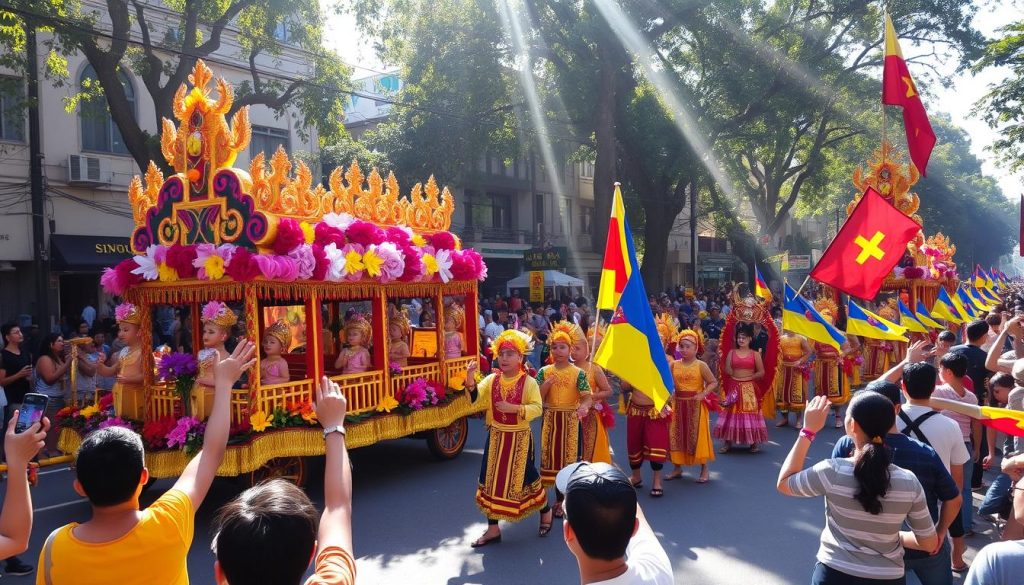
Cebu City’s Sinulog Festival honors the Santo Niño with devotion and revelry. This annual event attracts over a million people. It showcases the deep Catholic faith and cultural heritage of Filipinos.
The Grand Street Parade: A Visual Spectacle
The grand street parade is the festival’s centerpiece. It’s a visual extravaganza of local artistry and creativity. Dancers in colorful costumes perform the Sinulog dance to drum rhythms.
The parade winds through city streets, captivating spectators. Its energy and dynamism attract both locals and foreigners alike.
Immersing in the Spirit of Camaraderie
The Sinulog Festival brings people together in celebration. Locals and visitors share in the event’s spirit. Street parties, concerts, and traditional music create unity and excitement.
This festival is a must-see for those interested in Filipino culture. It offers both devotional aspects and electrifying celebrations. The Sinulog Festival will leave lasting memories for all who attend.
Dinagyang Festival: A Merrymaking of Colorful Masks and Dances
Experience the vibrant Dinagyang Festival, a captivating display of Filipino culture. This annual event in Iloilo City showcases the region’s rich heritage. Held on January’s fourth Sunday, it’s a feast for the senses.
The festival’s roots lie in the arrival of Malay settlers and their pact with local Datus. It honors the Santo Niño (Holy Child Jesus) through a competitive street dancing contest. Tribes, neighborhoods, and schools showcase intricate choreography and dazzling costumes.
The streets transform into a lively party atmosphere. Local delicacies fill the air with enticing aromas. Drums and chants create an infectious rhythm. Dancers in vibrant costumes create a stunning visual spectacle.
Dinagyang celebrates Filipino spirit and cultural heritage. The community unites in joyful merrymaking. Watch folkloric tableaus or join the energetic street party for an unforgettable experience.
“The Dinagyang Festival is a testament to the Filipino people’s resilience, creativity, and unwavering devotion to their cultural traditions.” – Maria Gomez, cultural historian
Giant Lantern Festival: Illuminating the Christmas Capital of the Philippines
The Giant Lantern Festival dazzles visitors in San Fernando, Pampanga. This yearly event, known as Ligligan Parul, kicks off the Christmas season. It runs from December 17th, 2024, to January 1st, 2025.
The Art of Lantern-Making: A Local Tradition
The festival’s roots date back to 1904 or 1908. Modern lanterns now reach 20 feet in diameter. They sparkle with up to 5,000 light bulbs.
In 2017, organizers set a limit of 10,000 bulbs per lantern. This change showcased the art form’s ongoing evolution.
Various barangays compete to create the most stunning lantern. Designs blend modern and traditional materials. Local artisans, electricians, and designers work together on these masterpieces.
Experiencing the Festive Atmosphere
The festival celebrates Pampanga’s culture and Christmas spirit. Visitors can enjoy local dishes like sisig and tibuk-tibuk. The grand lantern parade amazes crowds with its dazzling light display.
San Fernando’s Giant Lantern Festival is a must-see event. It creates lasting memories of the Philippines’ Christmas capital.

“The Giant Lantern Festival in San Fernando, Pampanga is an annual event participated by almost all barangays of the city. Giant lanterns consist of colorful bulbs numbering over ten thousand, intertwined with innumerable wires.”
Pahiyas Festival: A Celebration of Bountiful Harvests and Agricultural Traditions
The Pahiyas Festival is a lively event that honors Filipino creativity and farming heritage. It takes place yearly in Lucban and Sariaya, Quezon. The festival celebrates San Isidro Labrador, the patron saint of farmers, and the region’s plentiful harvests.
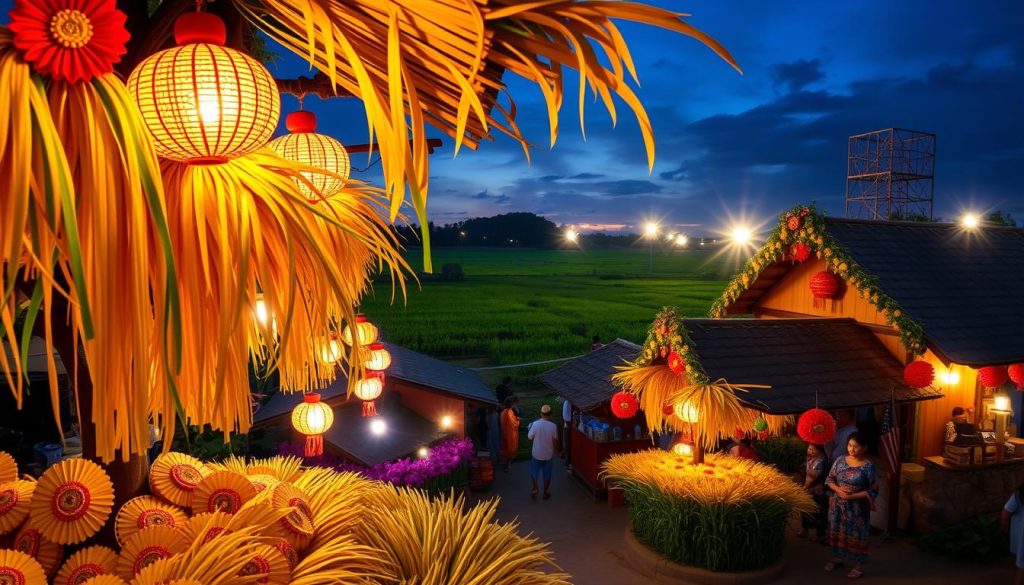
Stunning decorations are the festival’s main attraction. Locals use fresh produce and Kiping, a colorful Filipino rice wafer, to create these displays. These leaf-shaped wafers add a unique and eye-catching element to the festivities.
Visitors can admire the locals’ artistic skills as they walk through the streets. Houses become edible masterpieces, showcasing the community’s dedication to their farming roots. The best-decorated home even receives an award.
The Pahiyas Festival is also a food lover’s paradise. Guests can try tasty dishes like Lucban Longganisa and Kaldereta. They can even pick free produce from the decorated houses.
“The Pahiyas Festival is a true testament to the Filipino spirit of creativity, community, and a deep appreciation for the agricultural traditions that sustain us.” – Local resident
This vibrant celebration showcases the region’s farming heritage, food, and strong community spirit. It invites visitors to experience the rich Filipino culture. The festival highlights the lasting importance of the land and its gifts.
Moriones Festival: A Theatrical Reenactment of Religious Lore
The Moriones Festival is a yearly event in Marinduque, Philippines. It happens during Holy Week. This festival blends religious reenactment with theatrical displays.
The Mystery and Pageantry of the Moriones
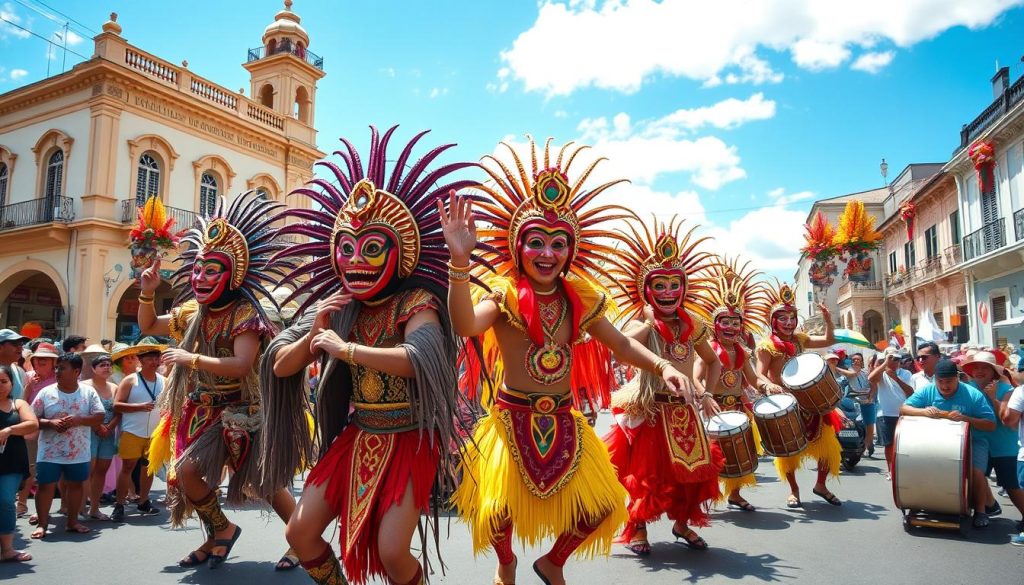
The festival centers on the story of St. Longinus, a Roman soldier. Participants wear detailed masks and costumes as Morions, or Roman soldiers. They playfully hide among houses, adding mystery to the event.
The Morion masks showcase intricate designs and features. These masks highlight the skills of local craftsmen and artists.
Embracing the Spirit of Penitence and Devotion
The Moriones Festival is rooted in penitence and devotion. It ends with masses and processions from Good Friday to Easter Sunday. The community gathers to honor their faith and beliefs.
This festival reminds us of the Philippines’ Catholic traditions. It shows the strong link between faith and cultural identity.
Visitors can experience the Philippines’ vibrant culture at the Moriones Festival. The event showcases intricate masks, costumes, and religious reenactments. It truly reflects the country’s rich traditions and people’s enduring spirit.
“The Moriones Festival is a powerful blend of religious devotion, theatrical flair, and cultural pride, showcasing the remarkable resilience and creativity of the Filipino people.”
Sustainable Tourism: Preserving Manila’s Cultural Heritage
Manila’s vibrant festivals offer a unique cultural experience. Sustainable tourism helps preserve the city’s rich heritage. By supporting local businesses and minimizing environmental impact, you can make a positive difference.
Authentic experiences and respect for local customs enhance your visit. Your responsible actions safeguard traditions for future generations. This approach ensures a meaningful and enjoyable experience for everyone.
Supporting Local Communities and Businesses
Sustainable tourism prioritizes local community involvement and empowerment. Patronizing small businesses and participating in community-led activities supports cultural preservation. This approach distributes tourism benefits fairly, helping local communities thrive.
- Explore locally-owned restaurants, cafes, and shops in historic districts like Intramuros and Binondo to experience authentic Filipino cuisine and crafts.
- Attend workshops and demonstrations led by skilled artisans, such as the traditional lantern-making classes in preparation for the Giant Lantern Festival.
- Engage with community-based tourism initiatives that offer immersive cultural experiences, like guided heritage walks through Intramuros or traditional dance performances.
Minimizing Environmental Impact
Reducing your environmental footprint is crucial for sustainable tourism in Manila. Your actions can preserve the city’s natural resources and enhance the festival experience. Small changes can make a big difference.
- Opt for public transportation, walking, or cycling whenever possible to reduce your carbon emissions.
- Avoid single-use plastics by bringing reusable water bottles, bags, and utensils.
- Properly dispose of waste and support recycling initiatives during festival events.
- Respect the natural environment and historic landmarks, refraining from activities that could damage or degrade them.
Sustainable tourism practices help celebrate Manila’s vibrant festivals responsibly. Your mindful choices can preserve the city’s cultural heritage and environment. These efforts ensure that cherished traditions continue to thrive for generations.
Conclusion
Manila’s festivals showcase the Philippines’ rich cultural heritage. These celebrations offer insights into traditions, customs, and community spirit. From Ati-Atihan to Sinulog, festivals connect locals and tourists to Filipino culture.
Safety and respect for local customs are vital during these events. Support local businesses and minimize your environmental impact. This helps preserve Manila’s cultural heritage for future generations.
Immersing in Manila’s festivals creates lasting memories. You’ll gain cultural awareness and connect with Filipino people. These events highlight the city’s resilience, creativity, and joyful spirit.