Capture Mammoth Cave’s Beauty: Essential Photography Tips
Ever wondered how to capture the stunning beauty of Mammoth Cave? This national park is full of photo opportunities, but cave photography can be tough. With its vast underground world, beautiful formations, and peaceful landscapes above ground, you’ll need some tips to get great shots. For both new and seasoned photographers, learning how to capture Mammoth Cave’s beauty is key.
Exploring this UNESCO World Heritage Site requires understanding the environment and mastering certain techniques. This guide will share important cave photography tips to help you capture the park’s beauty. Let’s dive in and learn how to capture Mammoth Cave’s mesmerizing essence.
Understanding Mammoth Cave National Park
Mammoth Cave National Park is a treasure in south-central Kentucky, home to one of the biggest cave systems globally. It’s not just about the caves; it also has beautiful landscapes along the Green River Valley. When you think about exploring Mammoth Cave, imagine the fun outdoor activities like camping, hiking, and horseback riding. These activities are set against the park’s stunning natural beauty.
There are many tours at the park that let you see famous sites up close, like Grand Avenue and Frozen Niagara. These spots are stunning and perfect for Mammoth Cave photography. It’s important to know the park’s rules to make sure your photos respect this special place.
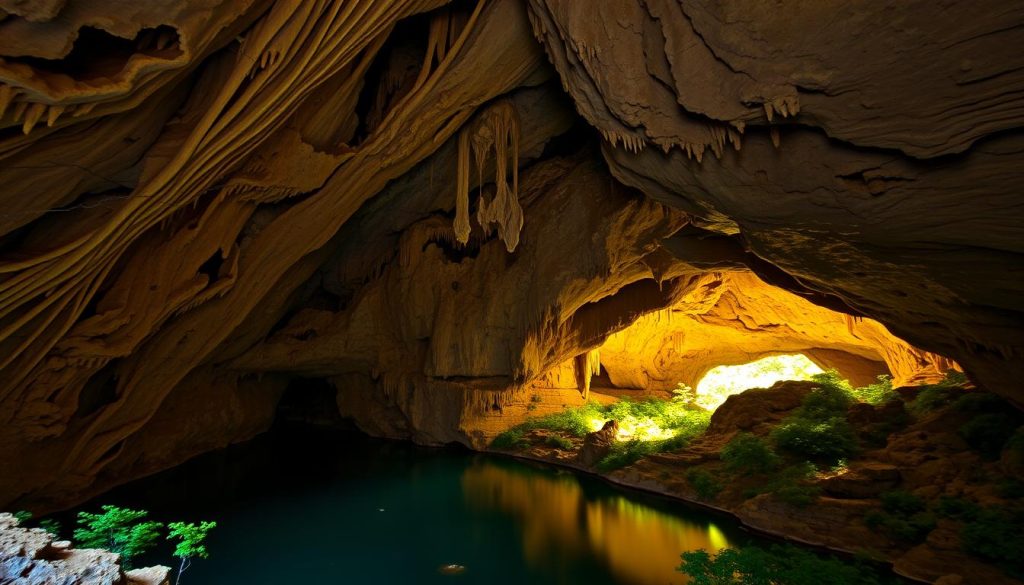
Plan your visit with the season and tours in mind. The cave’s unique formations and textures are worth capturing. With the right planning and knowledge of the park’s rules, your trip to exploring Mammoth Cave will be unforgettable.
| Feature | Details |
|---|---|
| Location | South-Central Kentucky |
| Cave System Length | Over 400 miles |
| Outdoor Activities | Camping, hiking, horseback riding |
| Iconic Tours | Grand Avenue, Frozen Niagara |
| Photography Opportunities | Stalactites, stalagmites, surface landscapes |
The Unique Challenges of Cave Photography
Cave photography is tough and can push your skills to the limit. The lack of light is a big challenge. You need special cave photography tips to make your photos clear and detailed.
High humidity in caves can harm your camera gear. Moisture can cause condensation on lenses and sensors. Protecting your equipment is crucial. Knowing the challenges in cave photography helps avoid damage.
Photographing in tight spaces is hard. You’ll face obstacles like rocks and uneven ground. Good planning and knowing the area helps you take great shots safely.
Wildlife like bats can be in caves. This adds to the challenge of cave photography. You need to stay alert and quick to adapt. It’s important to focus and skillfully capture the beauty of the caves.
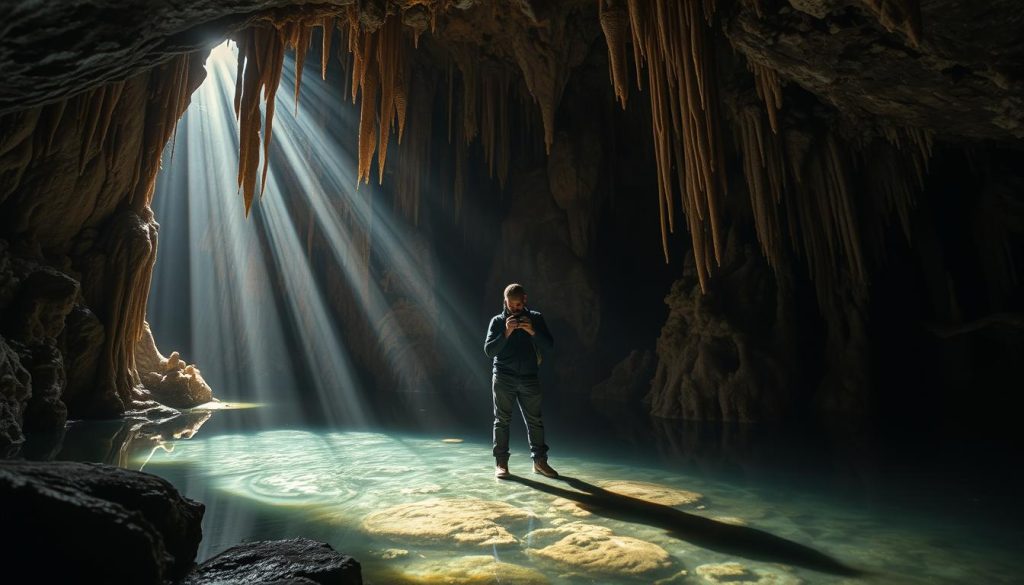
Being prepared is essential to overcome these challenges. Study the location and bring the right gear and knowledge. Cave photography is exciting, and with the right approach, you can master its challenges.
Photography tips for capturing Mammoth Cave’s beauty?
To capture Mammoth Cave’s stunning beauty, follow these photography tips. Begin by using a tripod to stabilize your camera. This helps make your images clear, even in dim light. Look for different angles and compositions to show off the cave’s unique textures and colors.
Try visiting the same spots at various times to see how the light changes the scene. This can greatly improve your photos. Notice the reflective surfaces in the caves, as they can create stunning effects. Adjust your camera settings for low light, as caves are often dark.
Using a slower shutter speed can highlight the details of stalactites and stalagmites. Lastly, don’t be afraid to try different camera settings. Use self-timer functions and remote shutter releases to reduce camera shake during long shots. By doing this, you’ll capture amazing photos and enjoy Mammoth Cave’s unique setting.
Essential Gear for Capturing Stunning Cave Images
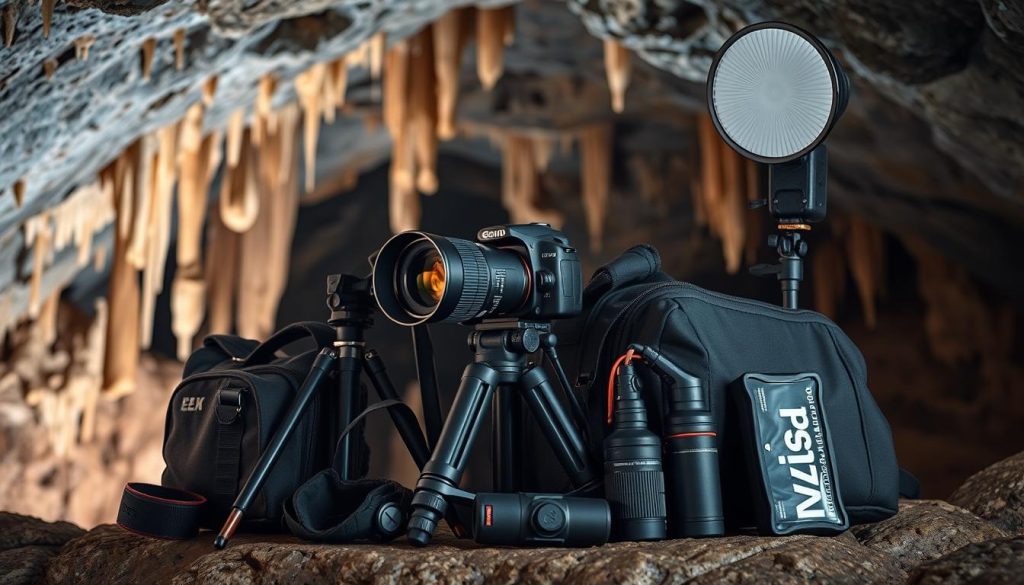
To take great cave photos, picking the right gear is key. The right equipment can make a big difference in your photos. Knowing about camera settings, tripods, and lenses will help you a lot.
Recommended Camera Settings
When shooting in dark caves, pay attention to your camera settings. Use high ISO settings to make the most of the little light. This helps get clear photos even in dim caves. Also, use slower shutter speeds to capture cave details without blurry motion.
Importance of a Sturdy Tripod
A strong tripod is crucial for cave photography because of the long shots you often need. It keeps your camera still, so your photos stay sharp. A heavy-duty tripod is best to stop any camera shake during your photoshoots.
Best Lens Choices for Cave Photography
Choosing the right lens is key for great cave photos. A wide-angle lens with an f/2.8 aperture or wider is perfect for capturing caves’ vastness. This lens lets you take big shots and helps with low-light photography.
Utilizing Low Light Photography Techniques
Low light photography in caves lets you capture stunning images of the underground world. It’s key to master certain techniques to get great shots of cave formations. This guide will help you adjust your camera settings for amazing photos in tough lighting.
Setting Your Camera for High ISO Performance
For cave photography in low light, it’s crucial to set your camera for high ISO. A higher ISO makes your camera more sensitive to light. This lets you take photos even in very dim caves. Just make sure to keep your image quality good and avoid noise, which can ruin your photos.
Capturing Cave Formations in Dim Light
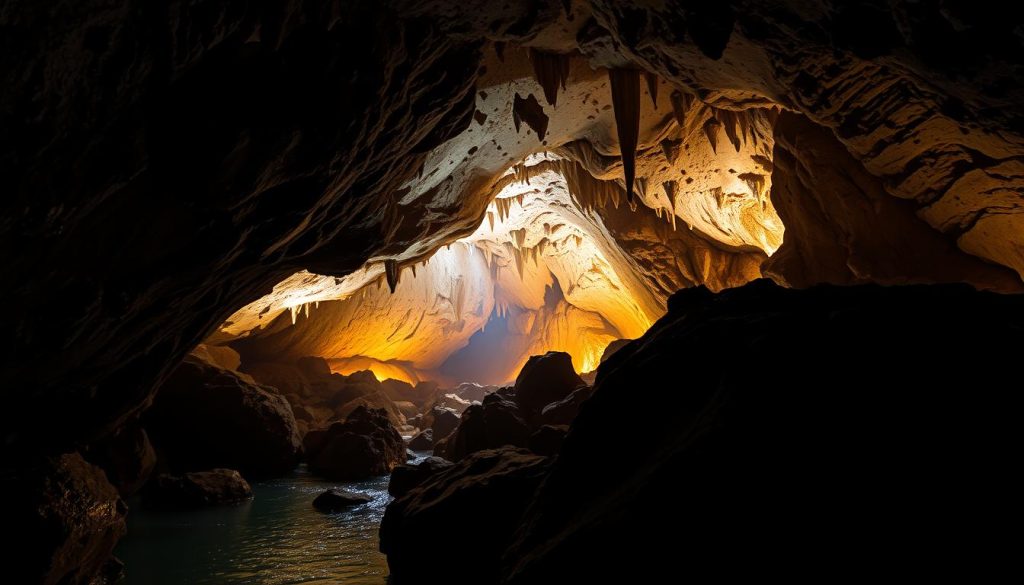
To get great shots of cave formations, pay close attention to the light. Try to capture the main formations and avoid shadows that hide details. Find the best spots to take photos and use any natural light you can. Using slower shutter speeds can make your photos brighter, but be sure to use a tripod to keep it steady.
Mastering Angles and Composition in Cave Settings
Photographing in Mammoth Cave requires knowing the best angles to use. Creative composition is key to capturing its beauty. By using unique perspectives, you can turn simple shots into stunning images.
Finding Unique Perspectives in Tight Spaces
It’s crucial to try different angles, especially in small spaces. Try shooting from low or high up when you can. This approach helps you capture the cave’s beauty and its size.
- Try shooting from various heights to create dynamic compositions.
- Incorporate foreground elements to add depth to your photo.
- Utilize nearby rocks or stalactites to create interesting boundaries within your frame.
Using Leading Lines to Enhance Your Photos
Leading lines can draw the viewer’s eye through your photos. Look for cave paths or formations that act as leading lines. These elements add movement and focus to your shots.
- Identify lines formed by the cave structure that lead into the distance.
- Experiment with diagonal lines for more dynamic compositions.
- Use natural light sources to highlight these lines effectively.
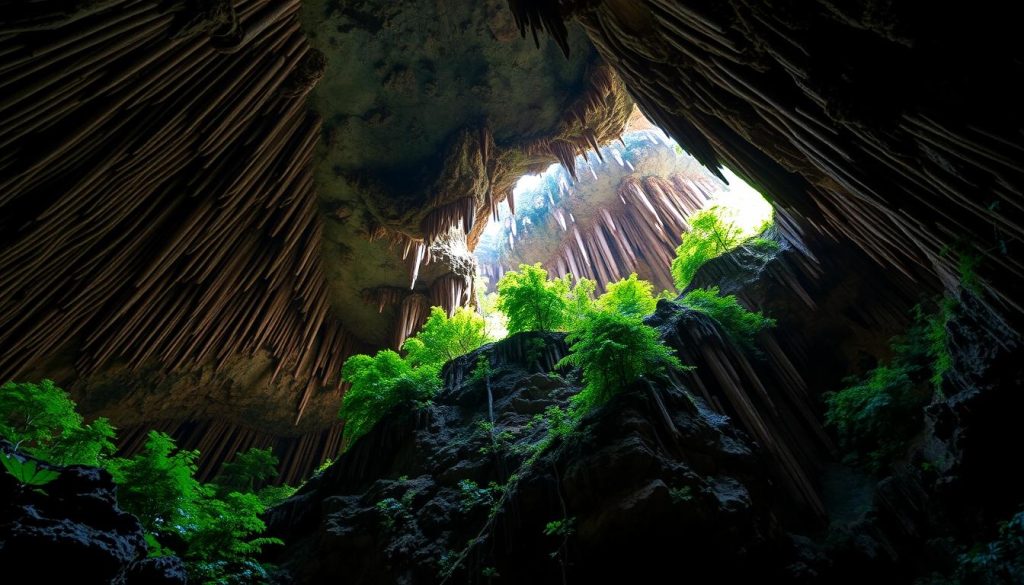
With practice, you’ll find the best angles for capturing Mammoth Cave are often unconventional. Improving your composition skills will help you showcase the cave’s beauty in your photos.
Exploring Mammoth Cave’s Iconic Features
Mammoth Cave is a paradise for those who love photography. It’s filled with unique sights that show off its natural beauty and history. These landmarks are perfect for capturing the essence of the cave.
Highlighting Stalactites and Stalagmites
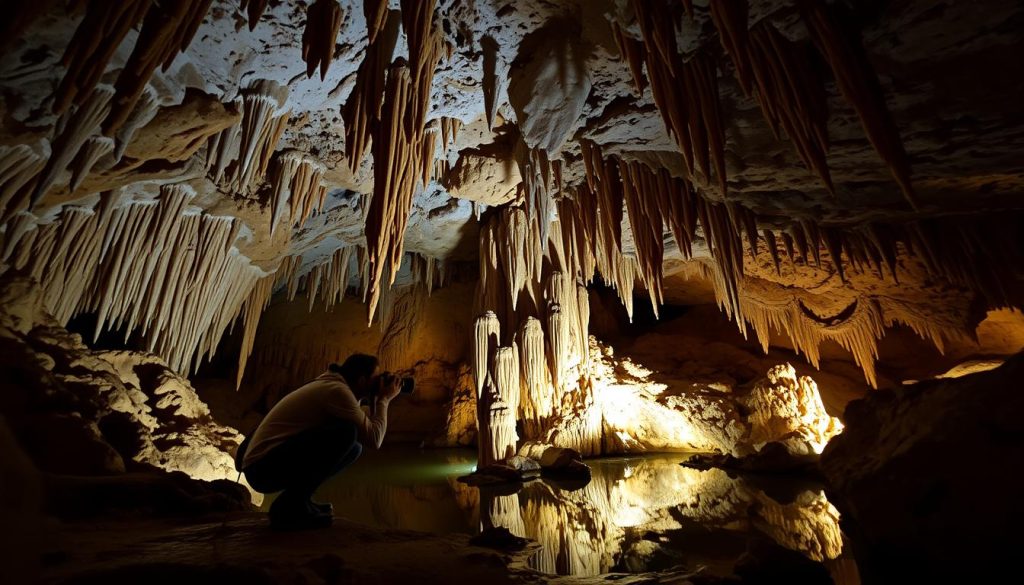
Stalactites and stalagmites are truly awe-inspiring. To get great shots of them, follow these tips:
- Use a tripod to keep your camera steady in the dim cave.
- Try different angles to highlight their detailed shapes.
- Focus on textures and patterns to make your photos pop.
Capturing Grand Avenue and Frozen Niagara
Grand Avenue and Frozen Niagara are famous for their beautiful natural sculptures and wide views. Here’s how to capture them:
- Join a guided tour for the best lighting and access.
- Choose a wide-angle lens to show the size of the landscapes.
- Use leading lines to lead the viewer’s eye through your photos.

Adapting to Limited Mobility in Cave Environments
Your visit to Mammoth Cave can be fun and rewarding, even if you have limited mobility. Plan your trip well to enjoy the unique sights without getting overwhelmed. There are many cave photography solutions to help you move around easily, especially in tight spots.
Tips for Navigating Tight Spaces
Walking through narrow passages in Mammoth Cave can be tricky. Here are some tips to make it easier:
- Scout the Entrance: Pick entry points that are easier to get to.
- Wear Appropriate Gear: Shoes and clothes that are comfy and protect you help a lot.
- Use Mobility Aids: Tools like walking sticks or frames can give you more support.
- Plan Your Route: Know the cave’s layout to steer clear of tight spots you didn’t expect.
Using Portable Lighting Solutions
Good lighting is key for taking great cave photos, especially when it’s dark. Choosing the right portable lighting can make a big difference:
- Invest in LED Lights: These are small, bright, and work well in the dark.
- Utilize Flashlights: These are easy to carry and let you focus on specific parts of the cave.
- Think About Diffusers: Softening the light reduces harsh shadows, which is great for capturing details.
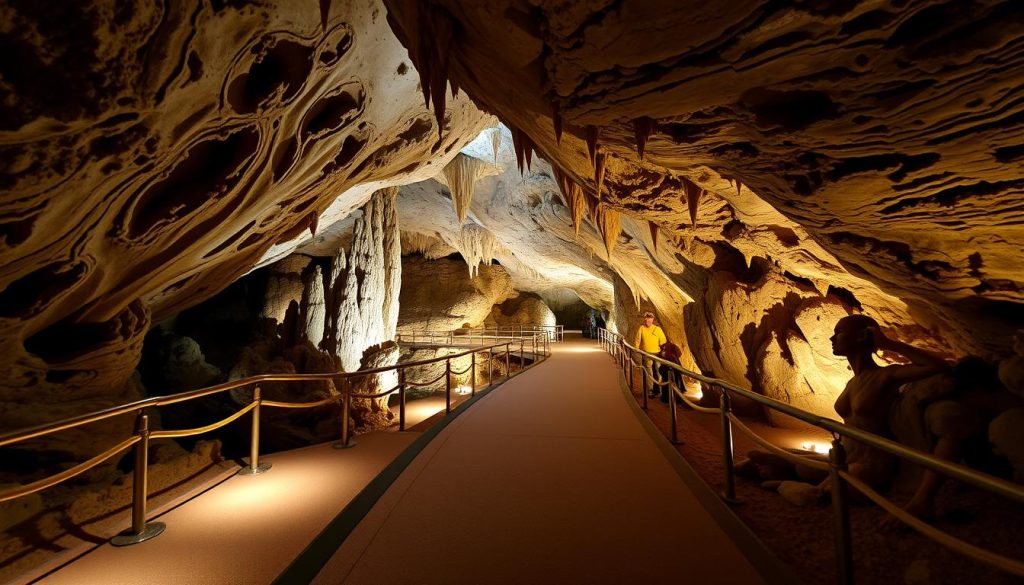
Get ready for navigating caves with limited mobility by planning and using the right tools. A good plan and the right gear can make your Mammoth Cave photography trip amazing. Understanding the challenges and getting the right equipment will improve your photos a lot.
| Feature | Regular Light | Portable LED Light |
|---|---|---|
| Brightness | Standard | High |
| Weight | Heavy | Lightweight |
| Portability | Low | High |
| Battery Life | Short | Long |
Timing Your Photography for Optimal Lighting
Understanding when to take photos in Mammoth Cave can make a big difference. The best times are when the cave gets natural light. This light filters in and changes how the cave looks, making your photos stand out.
Understanding the Best Times to Shoot
Early mornings or late afternoons are great for cave photos. The soft light makes the stalactites and stalagmites look amazing. When the light hits these formations just right, it creates stunning contrasts in your photos.
Utilizing Natural Light Where Possible
Natural light adds a special touch to cave photos that artificial light can’t match. Adjust your schedule to catch the changing light in the cave. By noticing the light and shadows, you can make each photo capture the cave’s beauty perfectly.