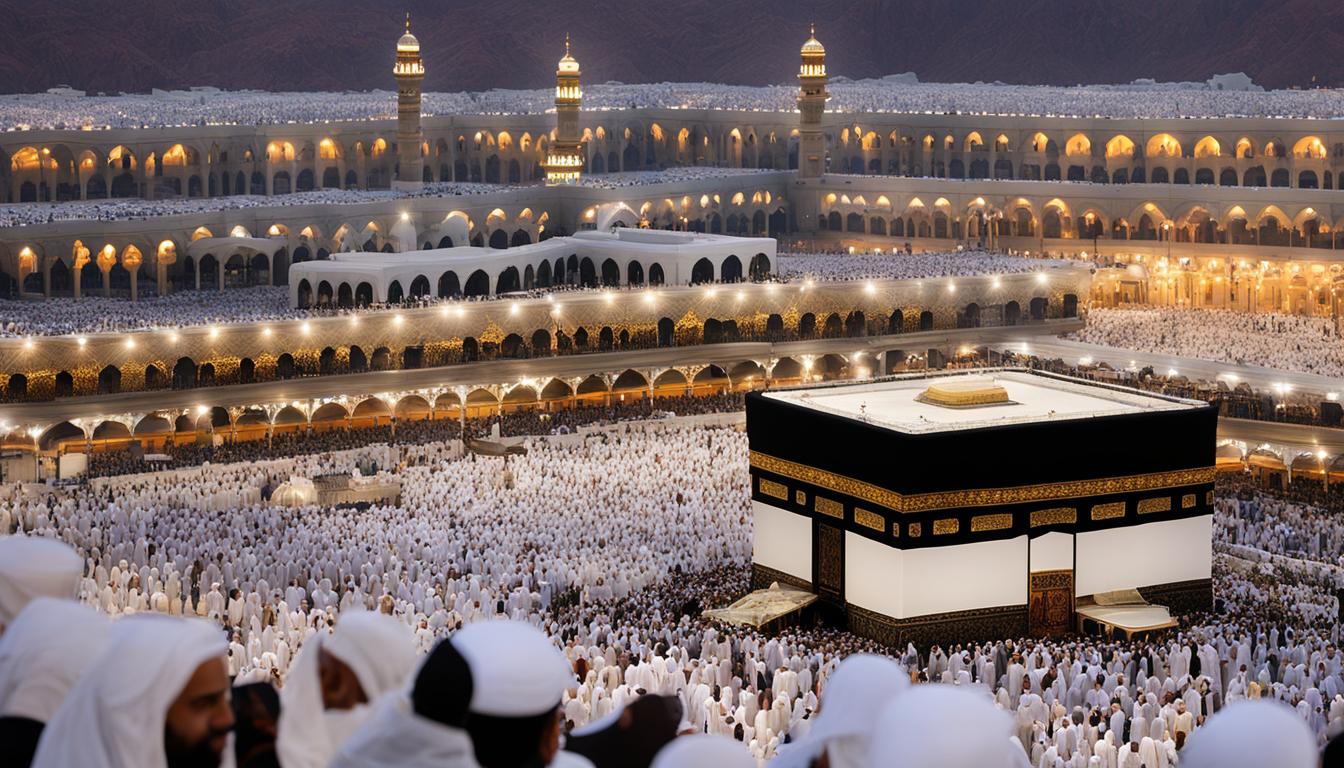
Best Time to Perform Hajj or Umrah for Optimal Weather
If you are planning to embark on the spiritual journey of Hajj or Umrah, it is crucial to choose the best time to perform these pilgrimages. Choosing the right season can ensure the best experience and weather conditions, making your journey comfortable and fulfilling. This guide aims to provide insights on the ideal timeframes to perform Hajj or Umrah, taking into account weather, crowds, and personal preferences.
Whether you are traveling for Hajj or Umrah, it is essential to consider the season you choose for your journey. The Hajj season typically falls during the Islamic month of Dhu al-Hijjah, while the Umrah season is spread throughout the year. Depending on your preferences, you may choose to perform either pilgrimage during the peak or off-peak season.
Read on to discover our recommendations and tips for choosing the best time to perform Hajj or Umrah.
Understanding Hajj and Umrah
If you’re unfamiliar with the concepts of pilgrimage, Muslim pilgrimage, and Islamic pilgrimage, allow us to introduce you to Hajj and Umrah.
Hajj is one of the five pillars of Islam and is the most significant pilgrimage that Muslims undertake. It occurs annually in the month of Dhu al-Hijjah, as per the Islamic lunar calendar. Muslims from across the world gather in Mecca to perform the Hajj, which represents a spiritual journey towards submission to God.
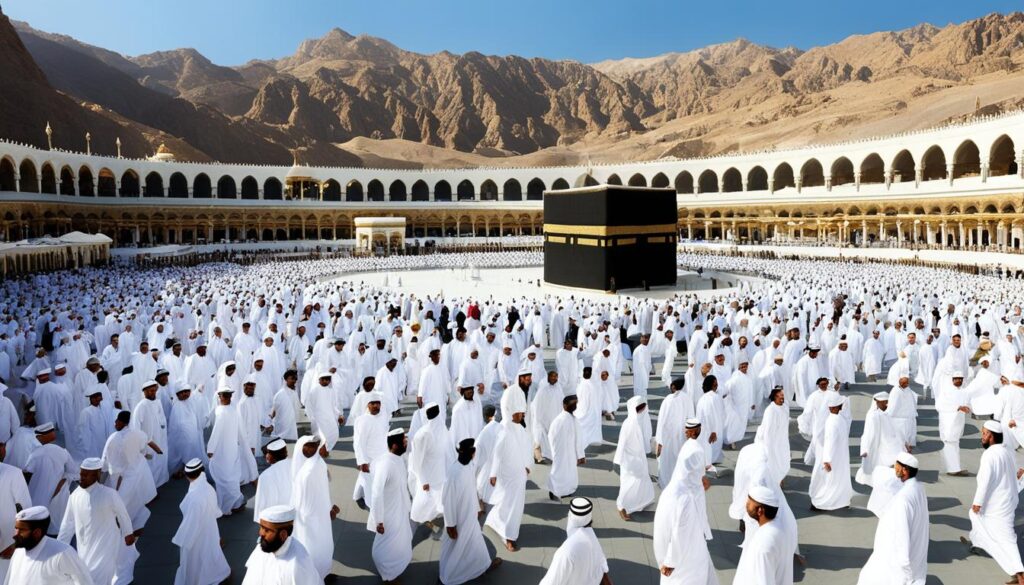
Umrah is also a pilgrimage to Mecca, but it can be undertaken at any time of the year and is not as ritualistic as Hajj. Muslims can undertake Umrah as a way of showcasing their devotion and love for Allah. The Umrah involves performing Tawaf (circling the Kaaba – a cuboidal structure in Mecca), Sa’i (walking between Mount Safa and Mount Marwah), and cutting hair or shaving the head as per religious requirements.
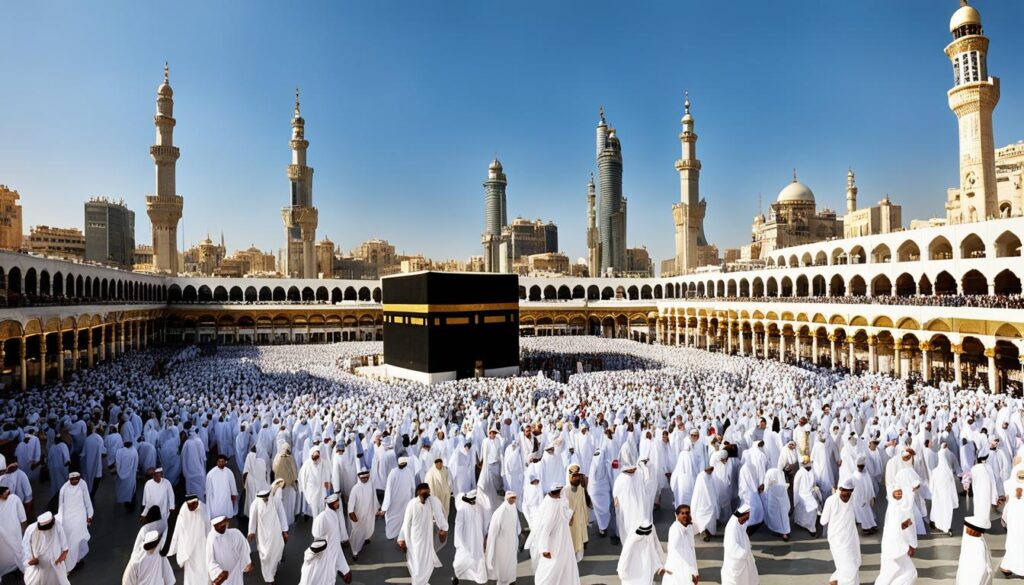
Both Hajj and Umrah are considered to be once-in-a-lifetime experiences for Muslims, and the spiritual significance of these pilgrimages cannot be overstated. As a Muslim, undertaking Hajj is mandatory once you have the means to do so, while Umrah is not mandatory but highly encouraged.
We hope this brief overview has given you some insight into the importance of Hajj and Umrah as fundamental religious pilgrimages in Islam.
Differentiating Hajj and Umrah Seasons
Hajj and Umrah are two significant pilgrimages in Islam that are performed during specific periods of the year. Hajj is performed during the Islamic month of Dhu al-Hijjah, while Umrah can be performed year-round, except during the Hajj season.
The Hajj season occurs once a year and begins on the 8th day of Dhu al-Hijjah, and lasts for 5 days. During this period, millions of Muslims from all over the world travel to Mecca to perform the Hajj pilgrimage. The Hajj is a mandatory pilgrimage that is required at least once in a lifetime for those who are financially and physically able to make the journey.
The Umrah season, on the other hand, is not as restricted as the Hajj season and can be performed throughout the year, excluding the days of Hajj. While Umrah is not mandatory, it is highly recommended and considered a spiritual accomplishment for Muslims.
“The Hajj season provides a unique opportunity to join millions of fellow believers in performing an ancient religious ritual, while the Umrah season offers a more personalized experience outside the peak crowd season.”
As you plan your journey, it’s essential to understand the differences between the Hajj and Umrah seasons and consider your personal preferences when choosing the ideal time to perform your pilgrimage.

Hajj vs. Umrah season
| Season | Duration | Weather | Crowd size |
|---|---|---|---|
| Hajj | 5 days (8th to 12th of Dhu al-Hijjah) | Hot and humid summer weather, with temperatures reaching up to 45°C (113°F) | The busiest and most crowded season of the year, with millions of pilgrims from all over the world. |
| Umrah | Year round (except during Hajj season) | Varies by season, but generally cooler during winter months and hotter during summer. | Less crowded than the Hajj season, with fewer pilgrims and shorter wait times at rituals and attractions. |
While the Hajj season can offer a unique and spiritually fulfilling experience due to the sheer scale of the pilgrimage, the Umrah season provides a more relaxed and flexible journey outside of the peak crowd season. Regardless of which season you choose, it’s essential to plan your trip carefully to ensure a comfortable and meaningful pilgrimage.
Factors Influencing the Best Time to Perform Hajj or Umrah
When deciding on the best time for your Hajj or Umrah pilgrimage, it is important to consider various factors that can influence your journey. Here are some Hajj and Umrah tips to keep in mind when planning your spiritual voyage:
- Crowd sizes: The Hajj season experiences massive crowds that can affect your journey, so if you prefer a less crowded time, consider performing Umrah during the off-season.
- Accommodation availability: You’ll need to book accommodation in advance, as the Hajj and Umrah seasons are peak travel periods. Ensure that your accommodation is close to the Holy sites and within your budget.
- Affordability: During the Hajj season, prices for flights, accommodation, and other travel expenses can be higher. Consider traveling during the off-season to save some money.
- Personal preferences: Your personal preferences, such as weather conditions and physical fitness, can affect your journey. Plan your trip based on your preferences for the best Hajj and Umrah experience.
Considering these factors and planning your Hajj and Umrah journey carefully will ensure a seamless and fulfilling spiritual experience. Refer to the Hajj and Umrah planning section, which provides recommendations on how to plan your spiritual journey.
Weather Conditions During Hajj and Umrah Seasons
When planning your Hajj or Umrah journey, it’s crucial to consider the weather conditions to ensure optimal comfort and safety. The weather in Saudi Arabia, where the majority of the pilgrimage takes place, varies depending on the season.
The Hajj season usually takes place from the end of July to the beginning of September, during the hottest months of the year, with temperatures ranging from 35°C to 43°C (95°F to 109.4°F). On the other hand, the Umrah season is more spread out, with the best time to perform Umrah from November to February, when temperatures range from 18°C to 30°C (64.4°F to 86°F).
It’s worth noting that while the Umrah season offers milder weather, it’s also the peak season for tourism, attracting large crowds and potentially leading to overcrowding at holy sites. On the other hand, Hajj season draws fewer visitors, but the heat, humidity and overcrowding may prove challenging to some.
It’s recommended to check the weather forecast beforehand and pack accordingly. Lightweight and loose-fitting clothes made of breathable fabric are particularly useful to cope with the heat and humidity. Don’t forget to wear a hat or a scarf to protect your head and neck from the scorching sun. Bring a refillable water bottle to stay hydrated throughout the day and avoid dehydration.
Tip: Whether you’re planning to perform Hajj or Umrah, it’s crucial to plan for the weather conditions to ensure a comfortable and safe journey.
Best Time for Hajj and Umrah: Recommendations
Based on the factors discussed earlier, here are our recommendations for the optimal time to perform Hajj or Umrah:
| Season | Why It’s Recommended |
|---|---|
| Fall | The weather is pleasant and crowds are relatively smaller, providing a more comfortable experience. Plus, it may be more affordable due to off-season pricing. |
| Spring | Similar to the fall season, the weather is pleasant and crowds are smaller, but it may be slightly more expensive due to the peak travel time. |
Keep in mind that while these are our top recommendations, your personal preferences and circumstances may also play a role in determining the best time for you. Consider factors such as your availability, budget, and any other logistical details when making your decision.
Remember, the goal is to have the best Hajj and Umrah experience possible, and that starts with choosing the right time to embark on this spiritual journey.
Planning Your Hajj and Umrah Journey
Planning a Hajj or Umrah journey can be overwhelming, but with the right approach, you can ensure a smooth and fulfilling trip. Here are some tips to help you plan:
Select a Reputable Travel Agency
Choosing the right travel agency is the first step to planning a successful Hajj or Umrah journey. Look for agencies with a proven track record of providing Hajj and Umrah services and check their reviews to see what previous clients have to say. You may also consider checking if the agency is an accredited member of the International Air Transport Association (IATA) and the Ministry of Hajj and Umrah in Saudi Arabia.
Book a Comprehensive Package
Many travel agencies offer Hajj and Umrah packages that include transportation, accommodation, meals, and other services. These packages can be more cost-effective and less stressful than arranging each aspect of the trip individually. Consider booking a package that fits your budget and itinerary, and make sure to inquire about any hidden costs or additional fees that may apply.
Estimate Your Costs
When planning your Hajj or Umrah journey, it’s crucial to estimate your overall costs to avoid any unexpected expenses. Make sure to account for expenses such as airfare, accommodation, meals, transportation, visas, and vaccinations. You may also consider setting aside some extra funds for souvenirs and other personal expenses.
Prepare Your Travel Documents
Before embarking on your Hajj or Umrah journey, make sure to have all the necessary travel documents and visas. You may need to obtain a visa from the Saudi embassy in your country and provide other documents such as a passport, vaccination records, and a round-trip ticket. Make sure to check the latest travel advisories and regulations to avoid any issues.
Be Informed and Prepared
Finally, educate yourself about the Hajj and Umrah rituals and be prepared for the physical and spiritual demands of the journey. Read up on the weather conditions during your intended travel period and pack accordingly. Make sure to also bring comfortable clothing, walking shoes, a hat, and sunscreen. Additionally, consider taking out travel insurance to protect yourself against any unforeseen circumstances.
Ensuring a Successful Hajj and Umrah Experience
Performing the Hajj or Umrah pilgrimage can be a life-changing experience, and with the right preparation, you can make the most of this spiritual journey. Here are some tips to help you ensure a successful visit:
Prepare Physically and Spiritually
Performing the Hajj or Umrah can be a physically demanding experience, so it’s important to be prepared. Start exercising regularly a few months before your journey to build up your stamina and strength. Additionally, prepare yourself spiritually by reading the Quran and performing extra prayers to help you connect with your faith.
Consider Health Considerations
It’s important to take care of your health during your pilgrimage, as you will be in close quarters with many other people. Make sure to get vaccinated before your trip and bring necessary medication, such as pain relievers and anti-diarrheal drugs. When in crowded areas, wear a face mask to protect yourself from airborne illnesses.
Be Mindful of Crowd Control
The Hajj and Umrah pilgrimages draw immense crowds, so it’s vital to be patient during long waits and understand crowd control guidelines. Follow the advice of officials and avoid pushing or shoving in crowded areas, as that could lead to dangerous situations.
Be Prepared for Changing Weather Conditions
Weather conditions during the Hajj and Umrah seasons can vary drastically, so it’s important to pack appropriate clothing to ensure your comfort and safety. Check weather forecasts beforehand and bring layers that can be easily removed or put on according to the temperature changes.
Stay Organized and Plan Ahead
With so many logistics to consider, planning ahead can significantly reduce stress during your pilgrimage. Research travel agencies that provide Hajj and Umrah packages and compare prices to find one that suits your needs. Make sure to book your accommodations in advance and plan for potential delays in transportation.
By following these tips, you can ensure a successful and fulfilling Hajj or Umrah experience. Remember, the pilgrimage is a once-in-a-lifetime opportunity, so take the time to savor every moment of this spiritual journey.
Conclusion
In conclusion, the ideal time to perform Hajj or Umrah is crucial for the best experience and weather conditions. As a pilgrim, you need to consider several factors such as crowd size, affordability, accommodation availability, and weather conditions specific to each season. Planning ahead of time for your trip could help you secure a comfortable and fulfilling journey.
It’s recommended to perform Umrah during the winter season when the weather is mild and comfortable, and the crowd size is relatively low. In contrast, Hajj usually takes place during the summer season when the temperature is hot, and the crowd size is enormous. However, if you can cope with the crowds and the weather conditions, then the Hajj season might be the best time for you.
Whichever season you choose to perform your pilgrimage, be sure to plan ahead, book your travel and accommodation early, and consider the weather conditions. With proper planning, you can ensure a successful journey with the best experience and weather conditions.