Banff’s Best Northern Lights Viewing Spots and Tips
Have you ever wondered where you can witness the mesmerizing dance of the Northern Lights in Banff? Curious to know the best spots that offer unforgettable views of this celestial spectacle? Look no further! In this article, we will uncover the top Northern Lights viewing spots in Banff National Park and provide you with essential tips to make the most out of your Aurora Borealis experience.
Understanding the Northern Lights Phenomenon
Before we dive into the best spots for Northern Lights viewing in Banff, it’s important to gain an understanding of the phenomenon behind this breathtaking natural display. The Northern Lights, also known as the Aurora Borealis, are a captivating celestial spectacle that occur when charged particles from the sun collide with atoms in the Earth’s atmosphere.
This collision produces beautiful displays of light in various colors, including shades of green, pink, and purple. The intensity and color of the lights depend on the type of gas particles involved and the altitude at which the collisions occur.
Banff National Park in Canada is a prime location for witnessing the Northern Lights due to its proximity to the Earth’s magnetic poles, where the charged particles from the sun are more likely to interact with the atmosphere. The park’s dark skies and minimal light pollution further enhance the visibility of this natural phenomenon.

The Science Behind the Aurora Borealis
To fully appreciate the Northern Lights, it’s essential to understand the scientific principles that govern this mesmerizing display. The following factors contribute to the formation of the Aurora Borealis:
- Solar Wind: The sun constantly emits energetic particles known as the solar wind. When these particles reach the Earth’s magnetic field, they can become trapped and channeled towards the polar regions.
- Magnetic Field Lines: The Earth’s magnetic field is strongest near the magnetic poles. Magnetic field lines create a funnel-shaped region called the magnetosphere, which guides the charged particles towards the atmosphere.
- Auroral Ovals: As the solar wind particles reach the upper atmosphere, they collide with gas atoms, primarily oxygen and nitrogen. This collision excites the atoms, causing them to emit photons of light. The oval-shaped zones in the high latitudes, known as auroral ovals, mark the regions where the collisions occur most frequently.
In summary, the Northern Lights are a result of the interaction between the sun’s charged particles, the Earth’s magnetic field, and the atmosphere. Banff’s geographical location and natural features make it an ideal destination for experiencing this celestial wonder.
Best Time of Year for Northern Lights in Banff
Timing is crucial when it comes to experiencing the awe-inspiring Banff Northern Lights. To increase your chances of witnessing the mesmerizing Aurora Borealis in all its glory, it’s important to plan your visit during the optimal months or seasons. The Banff night sky holds the key to this extraordinary natural phenomenon, and by choosing the right time to explore this stunning destination, you can create memories that will last a lifetime.
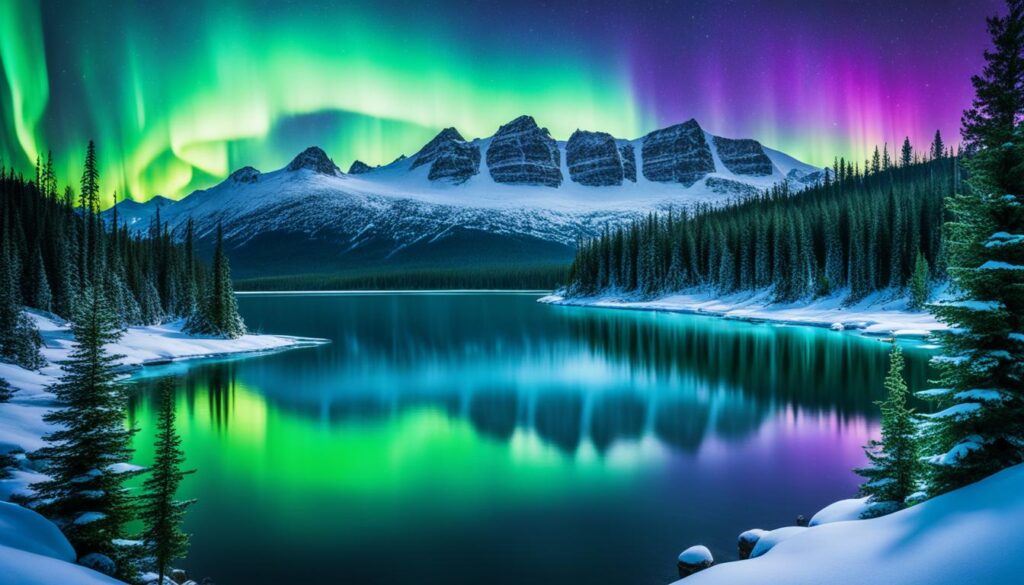
If you’re wondering when is the best time to see the Banff Aurora Borealis, keep in mind that Northern Lights activity varies throughout the year. The months of September to May offer the highest chances of witnessing this celestial spectacle. During this period, the darkness of the Banff night sky and the absence of light pollution create the ideal conditions for the Northern Lights to paint their mesmerizing dance across the horizon.
In particular, the winter season, from November to March, is renowned for its clear skies and increased Northern Lights activity. With longer nights and crisp winter air, this time of year provides a magical backdrop for capturing the Banff Northern Lights in all their splendor. The cold temperatures also enhance the clarity and vibrancy of the Aurora Borealis, creating a breathtaking display that is truly unforgettable.
However, it’s important to note that the Northern Lights are a natural phenomenon, and their appearance can never be guaranteed. Viewing the Banff Aurora Borealis is highly dependent on solar activity, which can be affected by various factors. That being said, by visiting during the recommended months and keeping an eye on geomagnetic forecasts, you can significantly increase your chances of witnessing this mesmerizing light show.
Remember to plan your trip well in advance and stay flexible with your travel dates, as weather conditions and solar activity can change rapidly. Be prepared to stay up late and venture into the Banff night sky during the optimal time frame for Northern Lights viewing. And no matter when you visit, Banff’s breathtaking natural beauty and vibrant mountain landscapes will surely leave you in awe.
Key Points:
- September to May offers the highest chances of witnessing the Banff Northern Lights.
- Winter months, particularly from November to March, provide clear skies and increased Aurora Borealis activity.
- Be flexible with your travel dates and stay updated on geomagnetic forecasts.
- Regardless of Northern Lights sightings, Banff’s natural beauty guarantees a memorable experience.
Takeaway
Plan your visit to Banff during the optimal months or seasons for Northern Lights viewing. September to May, with a focus on the winter months, offer the highest chances of witnessing the mesmerizing Banff Northern Lights. Stay updated on geomagnetic forecasts and keep your eyes on the Banff night sky for a truly memorable experience.
Ideal Weather Conditions for Northern Lights Viewing in Banff
When it comes to witnessing the mesmerizing Northern Lights in Banff, the weather conditions play a vital role in enhancing your chances of a remarkable experience. Understanding the ideal weather conditions can significantly increase your opportunities to witness the brilliant spectacle of the Aurora Borealis dancing across the Banff night sky.
Here are some essential tips for checking the weather forecast and maximizing your Northern Lights viewing opportunities:
- Clear Skies: Clear skies are essential for optimal Northern Lights visibility. Keep an eye on the weather forecast and look for nights with minimal cloud cover to increase your chances of witnessing the vibrant colors of the Aurora Borealis.
- Avoid Light Pollution: Find viewing spots away from city lights to minimize light pollution and enhance the visibility of the Northern Lights. Consider exploring Banff National Park’s secluded areas that offer darker skies for a more immersive experience.
- Dark Moon Phase: Plan your visit during a new moon or when the moon is in its crescent phase to ensure darker skies. Less moonlight interference allows for a clearer view of the Northern Lights, allowing their vibrant hues to shine brightly.
- Avoid Ambient Light: Be aware of any other ambient light sources that may hinder your viewing experience. Choose spots without streetlights or any other sources of artificial light to fully appreciate the ethereal beauty of the Aurora Borealis.
Remember, the weather can be unpredictable, so it’s essential to check the forecast frequently and be flexible with your plans. Patience is key when it comes to chasing the Northern Lights, as they may appear at any moment, even during periods of fluctuating weather conditions.
Now that you know what weather conditions to look out for, you’re ready to embark on your Northern Lights adventure in Banff. Keep these tips in mind, and prepare yourself for an awe-inspiring display of nature’s wonders.
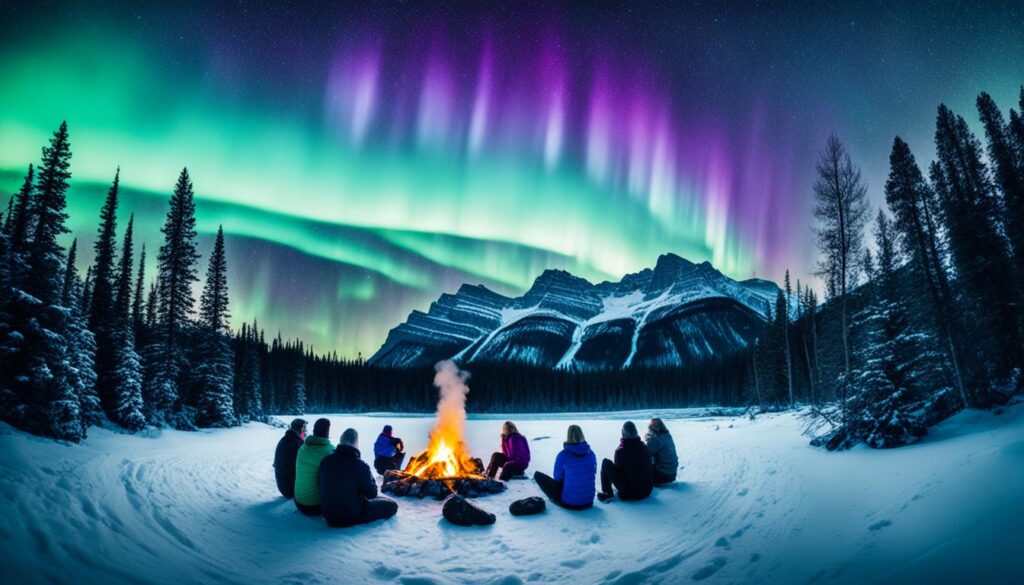
\”The Northern Lights offer a captivating spectacle in the night sky. By understanding the ideal weather conditions and following these tips, you’ll increase your chances of witnessing this breathtaking natural phenomenon in Banff.\”
Top Northern Lights Viewing Spots in Banff
Banff National Park is home to some of the most breathtaking locations for witnessing the mesmerizing Northern Lights. Whether you’re an avid photographer or simply seeking a memorable encounter with this celestial phenomenon, Banff offers a range of spots that promise awe-inspiring experiences. From panoramic views to secluded areas, here are the top Northern Lights viewing spots in Banff:
Lake Minnewanka
Located just a short drive from the town of Banff, Lake Minnewanka is a popular spot for Northern Lights enthusiasts. Its vast expanse of still waters provides the perfect mirror-like surface, reflecting the dancing lights in the night sky. The remote location away from city lights enhances the visibility of the Aurora Borealis, offering a surreal and magical experience.
Mount Norquay Lookout
If you’re looking for a unique perspective of the Northern Lights, head to the Mount Norquay Lookout. Situated high above the Bow Valley, this viewpoint provides panoramic vistas of the surrounding mountains. Capture stunning images of the Aurora Borealis against the backdrop of the snow-capped peaks, creating a truly extraordinary visual spectacle.
Castle Mountain Viewpoint
For a more secluded and intimate Northern Lights viewing experience, make your way to the Castle Mountain Viewpoint. This hidden gem offers a tranquil ambiance and unobstructed views of the night sky, perfect for immersing yourself in the beauty of the Aurora Borealis. Marvel at the ethereal colors and patterns as they paint the heavens above.
Peyto Lake
Nestled amidst the Canadian Rockies, Peyto Lake is known for its stunning turquoise waters during the day. But when night falls, it transforms into a serene destination for Northern Lights enthusiasts. The combination of the dark night sky, pristine lake, and majestic mountains creates a magical setting for witnessing the Aurora Borealis in all its glory.
Bow Lake
Located along the Icefields Parkway, Bow Lake offers a picturesque setting for Northern Lights viewing. Capture the vibrant colors of the Aurora Borealis reflecting off the calm waters, creating an enchanting display that complements the surrounding landscape. The peaceful atmosphere and panoramic views make Bow Lake a must-visit spot for nature lovers and astrophotographers alike.
Remember, weather conditions and Northern Lights activity can be unpredictable, so it’s important to check the forecast and plan your visit accordingly. To increase your chances of witnessing this celestial spectacle, consider staying overnight at one of Banff’s cozy lodges or campsites near these prime viewing spots. Prepare your camera equipment, dress warmly, and get ready for an unforgettable Northern Lights experience in the heart of Banff National Park.
Pro-Tips for Northern Lights Viewing in Banff
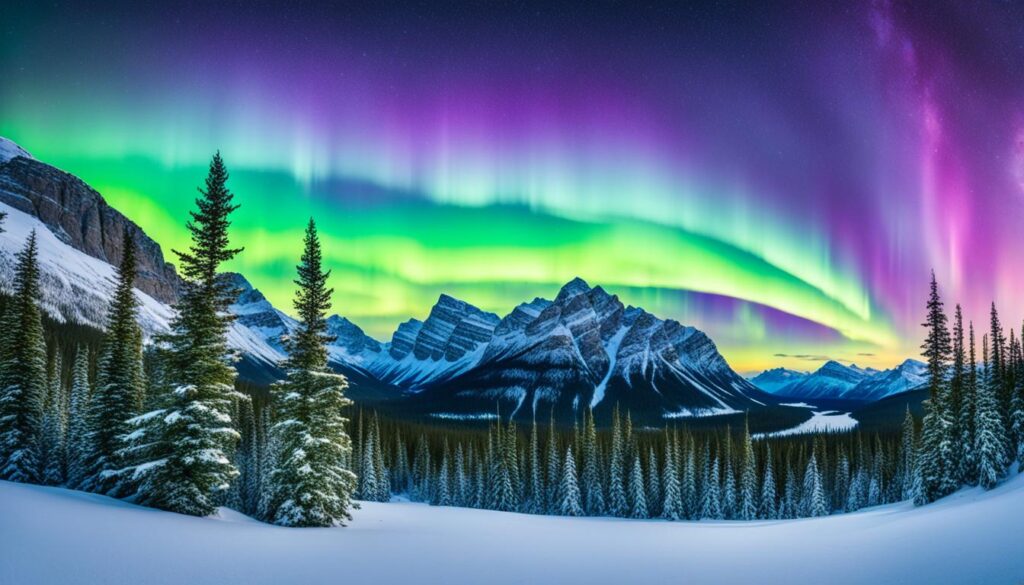
To make the most of your Northern Lights adventure in Banff, it’s essential to be prepared and equipped with insider tips. Below, we provide you with expert advice that can enhance your viewing experience and ensure an unforgettable encounter with the Aurora Borealis.
Camera Settings
Capturing the ethereal beauty of the Northern Lights requires adjusting your camera settings appropriately. Here are some pro-tips:
- Use a tripod to keep your camera steady and avoid blurry photos.
- Set your camera to manual mode to have full control over the exposure settings.
- Choose a wide-angle lens to capture the expansive night sky and the dancing lights.
- Start with an ISO setting of around 800-1600 and adjust it based on the brightness of the auroras.
- Use a long exposure time (e.g., 10-30 seconds) to capture the movement and vibrant colors of the Northern Lights.
Experiment with different settings until you find the perfect balance for your desired shot.
Clothing Recommendations
When venturing out to view the Northern Lights in Banff, it’s crucial to dress appropriately for the cold weather conditions. Here are some clothing recommendations:
- Layer up: Wear multiple layers to trap heat and regulate body temperature.
- Insulated outerwear: Invest in a warm and waterproof jacket to protect against rain, snow, and wind.
- Thermal clothing: Opt for thermal base layers to keep your body insulated.
- Warm accessories: Don’t forget to wear a hat, gloves, scarf, and warm socks to protect your extremities.
- Comfortable footwear: Choose insulated and waterproof boots to keep your feet warm and dry.
By dressing appropriately, you can fully enjoy the Northern Lights spectacle without being hindered by the cold.
Patience and Timing
Watching the Northern Lights is a test of patience, as they can be unpredictable. Here are some tips to help you maximize your chances of witnessing this celestial marvel:
- Stay up late: The best time to view the Northern Lights is typically between 10 PM and 2 AM when the sky is the darkest.
- Monitor the forecast: Keep an eye on the weather forecast for clear nights with minimal cloud cover.
- Plan for multiple nights: If you have the flexibility, dedicate a few nights to increase your chances of observing the lights.
- Find dark locations: Head to areas away from city lights and light pollution to enhance visibility.
Remember, the Northern Lights are a natural phenomenon, and their appearance is not guaranteed on any given night. Patience is key, and the reward is well worth the wait.
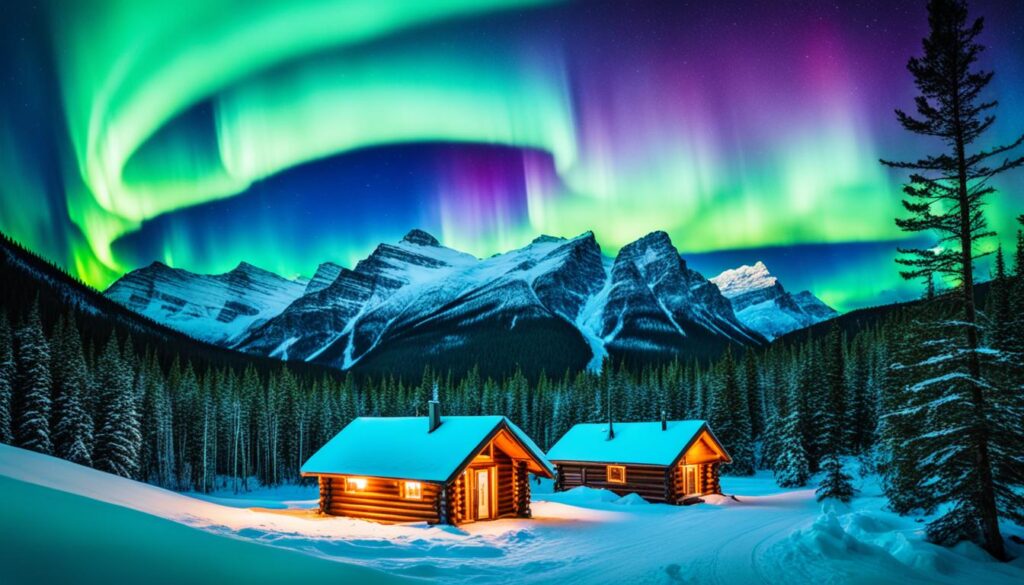
With these pro-tips in mind, you’re now equipped to make the most of your Northern Lights experience in Banff. From capturing stunning photos to staying warm and patient, you’ll be ready to witness the magic of the Aurora Borealis in one of the most breathtaking locations on Earth.
Photography Tips for Capturing the Northern Lights
Witnessing the Northern Lights in Banff is a photographer’s dream come true. The vibrant colors and ethereal dance of the Aurora Borealis create breathtaking moments that deserve to be captured. Whether you’re a professional photographer or an amateur with a passion for photography, we have some essential tips to help you capture stunning images of this celestial phenomenon in Banff’s night sky.
1. Choose the Right Equipment
When photographing the Northern Lights, it’s crucial to have the right equipment to capture the intricate details and vibrant colors. Here are some recommended gear:
- A camera with manual controls to adjust settings like ISO, aperture, and shutter speed.
- A wide-angle lens to capture the vastness of the night sky.
- A sturdy tripod to keep your camera stable during long exposures.
- A remote shutter release or intervalometer to minimize camera shake when pressing the shutter button.
- Extra batteries and memory cards to ensure you don’t miss any incredible moments.
2. Find a Dark, Unobstructed Location
Choose a location away from city lights and other sources of light pollution to maximize the visibility and intensity of the Northern Lights. This will help you capture clearer and more vibrant images. Look for open spaces, such as lakes, viewpoints, or secluded areas, where you can get a clear view of the night sky without obstructions.
3. Check the Weather and Aurora Forecasts
Monitor the weather conditions and Aurora forecasts before heading out for your Northern Lights photography expedition. Clear skies and high auroral activity increase your chances of capturing stunning images. Websites and apps dedicated to Aurora forecasts can provide real-time information about the predicted strength and visibility of the Northern Lights in Banff.
4. Use Manual Settings
Experimenting with manual settings is key to capturing the Northern Lights in all their glory. Use these recommended settings as a starting point and adjust accordingly:
- ISO: Start with a high ISO setting between 800-3200 to capture as much light as possible.
- Aperture: Use a wide aperture (low f-stop) like f/2.8 or lower to let in more light.
- Shutter Speed: Set a long exposure time, typically between 5-30 seconds, to capture the movement and shimmering patterns of the Northern Lights.
Remember to conduct test shots and make adjustments based on the brightness and intensity of the Aurora Borealis. It’s a good idea to shoot in RAW format for better post-processing flexibility.
5. Focus on Infinity
Manually set your lens to focus at infinity to ensure the Northern Lights appear sharp and clear in your photos. Turn off autofocus and switch to manual focus mode. Use the live view feature on your camera and zoom in on a bright star or distant object to fine-tune the focus until it appears sharp. Lock the focus and start capturing the vivid colors of the Aurora.

6. Experiment with Composition
Don’t limit yourself to standard compositions when photographing the Northern Lights. Get creative and experiment with different angles, foreground elements, and framing. Incorporate recognizable landmarks or silhouettes of trees, mountains, or people to add depth and visual interest to your images. Consider using the rule of thirds to balance the Northern Lights with other elements in the frame.
7. Be Patient and Enjoy the Moment
Patience is key when photographing the Northern Lights. Sometimes, the Aurora may appear ephemeral, requiring you to wait for the right moment and optimal conditions. Embrace the experience and take the time to appreciate the mesmerizing display of colors unfolding before your eyes. Remember, capturing the perfect image is as much about the journey as it is about the destination.
With these photography tips in mind, you’re well-prepared to capture the beauty and magic of the Northern Lights in Banff. Now, grab your camera, head to the best viewing spots we’ve mentioned, and create awe-inspiring images that will forever remind you of this extraordinary natural wonder.
Alternative Activities During Northern Lights Downtime
While the Northern Lights are a magical phenomenon, they can be unpredictable. There may be instances of downtime or cloudy skies during your visit to Banff. However, worry not! We’ve got you covered with a range of alternative activities to enjoy during those moments. Whether you’re exploring the charming town or immersing yourself in the breathtaking nature, there’s always something exciting to do in Banff.
Exploring Banff Town
Embrace the local charm by strolling through the picturesque streets of Banff Town. Discover unique boutiques, art galleries, and cozy cafes that showcase the vibrant culture of this mountain town. Don’t forget to indulge in the delicious local cuisine and try some mouth-watering treats.
Visiting Banff National Park
Take advantage of your time in Banff by exploring the wonders of Banff National Park. Embark on scenic hikes, breathe in the fresh mountain air, and witness awe-inspiring landscapes. From stunning waterfalls to snow-capped peaks, Banff National Park offers endless beauty that will leave you in awe.
Soaking in Hot Springs
Relax and rejuvenate your senses while soaking in the natural hot springs that Banff is famous for. Immerse yourself in warm mineral-rich waters as you take in the surrounding beauty of the Canadian Rockies. Let the soothing waters melt away any stress or fatigue.
Wildlife Spotting
Banff is home to a diverse range of wildlife. Keep your eyes peeled for majestic creatures such as elk, bighorn sheep, and even the elusive black bears. Join guided wildlife tours or venture out on your own for a chance to witness these incredible animals in their natural habitat.
Chasing Waterfalls
Banff is dotted with enchanting waterfalls that cascade through lush forests and rocky cliffs. Take a scenic drive or hike to discover these hidden gems. The mesmerizing power and beauty of the waterfalls will leave you mesmerized and provide an unforgettable experience.
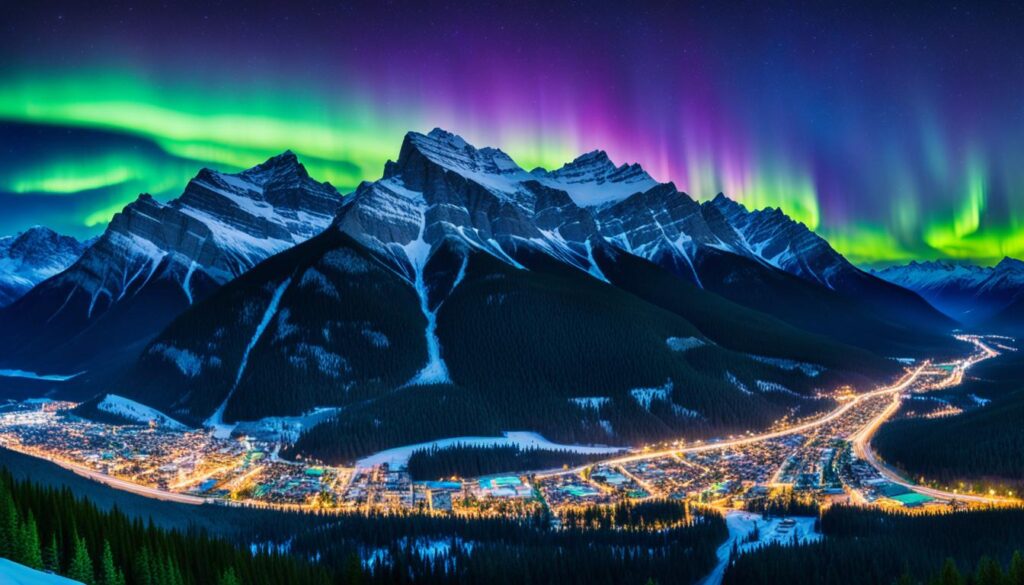
Don’t let downtime or cloudy skies dampen your Banff experience. Explore the town, immerse yourself in nature, soak in hot springs, spot wildlife, and chase waterfalls. There’s always something amazing to do in Banff!
| Activity | Description |
|---|---|
| Exploring Banff Town | Discover the boutiques, art galleries, and cafes in Banff Town, and indulge in local cuisine. |
| Visiting Banff National Park | Embark on scenic hikes, breathe in fresh mountain air, and witness stunning landscapes in Banff National Park. |
| Soaking in Hot Springs | Relax in warm mineral-rich waters and take in the beauty of the Canadian Rockies. |
| Wildlife Spotting | Spot majestic animals like elk and black bears in their natural habitat. |
| Chasing Waterfalls | Discover enchanting waterfalls that cascade through Banff’s forests and cliffs. |
Safety Tips for Northern Lights Viewing in Banff
When it comes to experiencing the mesmerizing Northern Lights in Banff, your safety should always be a top priority. To ensure a secure and enjoyable viewing experience under the Banff night sky, we’ve prepared a list of essential safety tips for you to keep in mind:
- Check the local weather conditions: Before heading out to view the Northern Lights, always check the weather forecast. Unfavorable weather conditions, such as heavy cloud cover or storms, can obstruct visibility. Plan your outing on clear nights to maximize your chances of witnessing the Aurora Borealis.
- Dress appropriately: The Canadian Rockies can get quite cold, especially during the night. Layer up with warm clothing, including thermal layers, a waterproof jacket, gloves, and a hat. Don’t forget to wear sturdy, insulated footwear to keep your feet warm and comfortable.
- Inform someone of your plans: Before venturing out to view the Northern Lights, let a reliable person know about your plans. Share your itinerary, including your expected return time and location. This ensures that someone is aware of your activities and can raise the alarm if needed.
- Carry essential supplies: Bring a backpack with necessary supplies such as water, snacks, a flashlight, and a fully charged mobile phone. It’s also advisable to carry hand warmers and extra batteries for your camera equipment. Be prepared for unexpected conditions and emergencies.
- Stay on marked paths and trails: When exploring the Banff area for the best Northern Lights viewing spots, stick to designated paths and trails. Avoid venturing into unfamiliar areas or off-trail, as it may pose risks to both your safety and the surrounding environment. Respect the natural beauty of Banff National Park and follow the guidelines provided.
- Be cautious of wildlife: Banff is home to a diverse range of wildlife, including bears and other large mammals. When viewing the Northern Lights in remote areas, be aware of your surroundings and take precautions. Make noise, carry bear spray, and keep a safe distance from wildlife to prevent any unwanted encounters.
- Travel with a knowledgeable guide: If you’re new to Banff or unfamiliar with the Northern Lights viewing spots, consider joining a guided tour or excursion. Professional guides can provide valuable insights, ensure your safety, and enhance your overall experience with their expertise.

Remember:
“Safety is not a luxury, it is a necessity when experiencing the awe-inspiring Northern Lights in Banff. Follow these tips to make the most out of your adventure while ensuring your well-being.”
Conclusion
In conclusion, Banff National Park provides an extraordinary opportunity to witness the mesmerizing Northern Lights, also known as the Aurora Borealis. By exploring the best spots and following the tips provided in this article, you’ll be fully prepared to immerse yourself in the enchanting magic of this celestial phenomenon.
Don’t miss out on the chance to witness the swirling colors dancing across the dark sky during your visit to Banff. With its pristine landscapes and clear night skies, Banff offers the perfect backdrop for this awe-inspiring natural spectacle.
Remember to plan your visit during the optimal time of year and keep an eye on favorable weather conditions to increase the likelihood of experiencing the Aurora Borealis. Additionally, make use of photography tips to capture breathtaking images that will forever remind you of the beauty you witnessed.
Whether you’re a nature lover, a photography enthusiast, or simply seeking a remarkable experience, witnessing the Northern Lights in Banff is an experience you won’t soon forget. So pack your bags, prepare your camera, and get ready to be dazzled by this breathtaking phenomenon in one of Canada’s most stunning destinations.