Travel Smart: What are the Scams to Avoid in Thailand?
Thailand is a beautiful destination that attracts millions of tourists every year. However, with its popularity comes the risk of falling victim to scams. It’s essential to be aware of the common scams in Thailand to avoid any unpleasant experiences during your travels. By staying informed and vigilant, you can protect yourself from falling victim to these fraudulent activities and ensure a safe and enjoyable trip.
Some of the common scams to watch out for in Thailand include money exchange scams, tuk-tuk scams, gem scams, taxi scams, street vendor scams, temple scams, online scams, and travel agency scams. These scams can range from subtle and persuasive to forceful and intimidating. It’s essential to be cautious when encountering unfamiliar situations, and when in doubt, seek help from trusted sources.
The last thing you want during your vacation is to fall victim to a scam, resulting in a loss of money and time. Therefore, it’s crucial to stay informed and aware of the scams to avoid in Thailand. In the following sections of this article, we will dive deeper into each of these scams, discuss their tactics, and provide tips on how to protect yourself from these scams. With this knowledge, you can travel confidently and enjoy all that Thailand has to offer.
In the next section, we’ll take a closer look at money exchange scams in Thailand, which are prevalent and can be difficult to detect without the necessary knowledge.
Money Exchange Scams in Thailand
Thailand is a country that heavily relies on cash transactions. This means that you will likely need to exchange your foreign currency for Thai Baht. However, you need to be wary of money exchange scams while in Thailand. Scammers might attempt to shortchange you, use rigged scales, or charge hidden fees.
To avoid falling victim to money exchange scams, follow these tips:
- Exchange currency at reputable exchange booths or banks
- Check the exchange rate before going to the booth or bank
- Count your money before leaving the booth or bank
- Ensure that the bills you receive are not torn or damaged
If a money exchange booth is offering a rate that seems too good to be true, it probably is. Always be aware of the current exchange rate as you conduct transactions during your travels.
Tip: If you’re traveling with a credit or debit card, choose an ATM from a reputable bank as they usually have better exchange rates and lower fees.
Another common money exchange scam in Thailand involves scammers requesting that you exchange your currency for a different currency or an uncommon form of Thai Baht, such as gold baht or commemorative coins. Always decline these requests and stick to traditional bank notes.
Beware of strangers offering to exchange your money on the street or in non-official locations. It’s best to only exchange money in established exchange booths or at banks.
By following these tips, you can ensure that you don’t fall victim to money exchange scams in Thailand. It’s always better to be cautious and vigilant than to lose out on your hard-earned money.
Tuk-Tuk Scams in Thailand
When traveling in Thailand, tuk-tuks are a popular mode of transportation – but beware, as they can also be a target for scams. Here are some common tuk-tuk scams to watch out for and ways to prevent falling victim:
- Fake Meter: Some drivers may claim that their meter is broken or offer a flat rate that is significantly higher than the usual fare. Always negotiate the fare beforehand and clarify that the meter is working properly.
- Detours: Drivers may take you on a longer route than necessary, claiming that it is due to traffic or road closures. Stay aware of the route and use a GPS map to monitor your progress.
- Commission-Based Rides: Some drivers may offer to take you to a special destination such as a gem shop or a travel agency and receive a commission for bringing you there. Politely decline these offers and stick to your original itinerary.
To prevent tuk-tuk scams, it’s best to choose a reliable and licensed driver, or use a ride-sharing app such as Grab. Always agree on the fare before getting into the tuk-tuk, and avoid entering into any side deals or arrangements with the driver.

Tip: If you do encounter a scam or feel uncomfortable with a particular driver, do not hesitate to get out of the tuk-tuk and find another one.
By staying aware of these scams and taking preventative measures, you can enjoy the convenience of tuk-tuks without falling prey to fraudulent activities. Stay safe and enjoy your travels in Thailand!
Gem Scams in Thailand
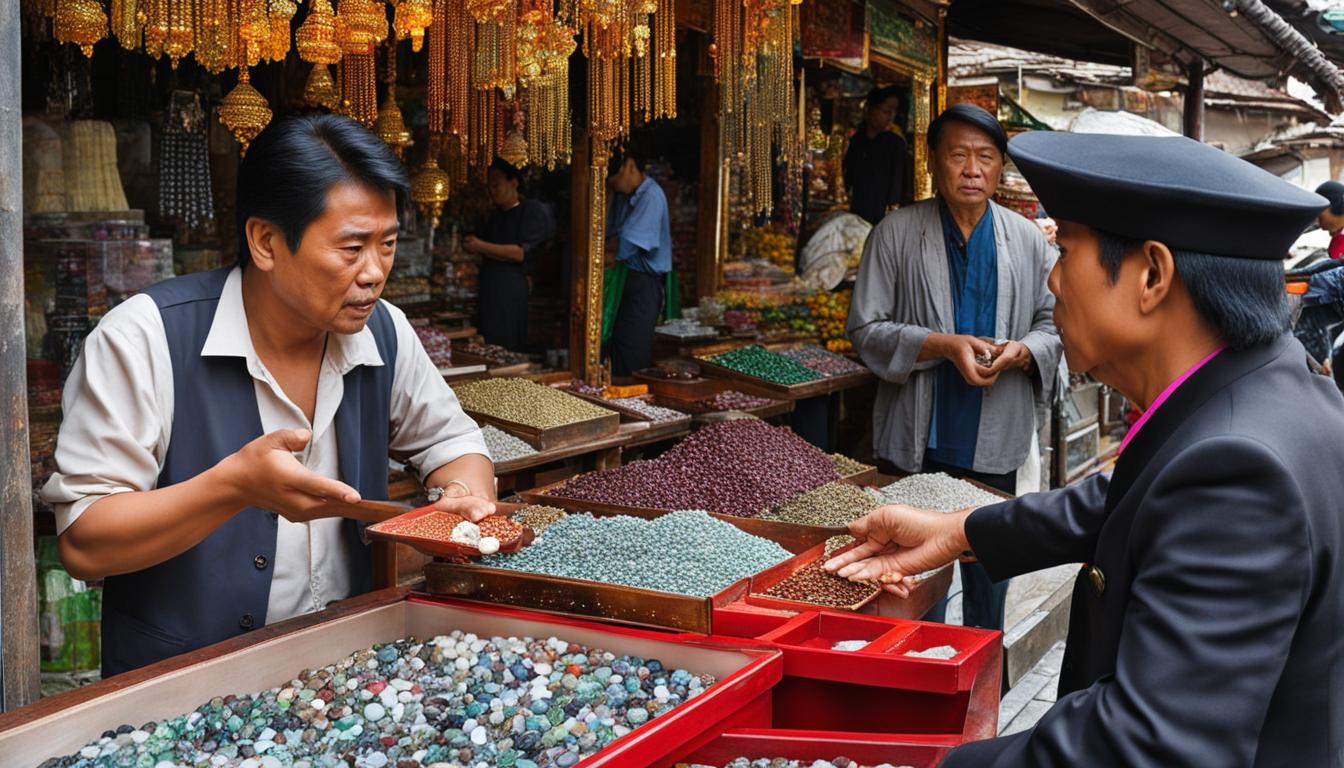
Thailand is renowned for its gemstones, and many tourists are drawn to its gem markets and shops. However, there are scams to be wary of when it comes to purchasing gems in Thailand.
One of the most common gem scams in Thailand is the “fake gem” scam. Scammers will try to sell you gems that are not genuine, but instead are made of glass, plastic, or other inexpensive materials. Some scammers will even go to great lengths to make the fake gems look real by using techniques such as heating, coloring, or treating the stones.
To avoid falling for this scam, it’s important to do your research before making a purchase. Look for reputable gem dealers and shops that have positive reviews from other customers. You can also ask for a certificate of authenticity from the gem dealer to ensure that the stones you are buying are genuine.
Another gem scam in Thailand is the “overpriced gem” scam. In this scam, the seller will claim that the gems they are selling are rare or of high quality, and charge exorbitant prices for them. However, in reality, the gems may not be worth the amount you are being asked to pay.
To avoid this scam, compare prices at different gem shops and markets, and do not be afraid to negotiate on price. You should also familiarize yourself with the market value of the types of gems you are interested in buying, so you can make an informed decision and avoid overpaying for them.
| Tip | Description |
|---|---|
| Bring a magnifying glass | Bringing a magnifying glass can help you examine the quality and authenticity of the gems. |
| Pay with credit card | Paying with a credit card can give you an added layer of protection against fraudulent gem sellers, as you can dispute the charge if necessary. |
| Get a second opinion | If you are unsure about the quality or authenticity of a gem, it’s always a good idea to get a second opinion from a reputable gemologist before making a purchase. |
By being aware of these gem scams and following these tips, you can ensure that you make legitimate gem purchases in Thailand and avoid falling victim to fraudulent activities.
Taxi Scams in Thailand
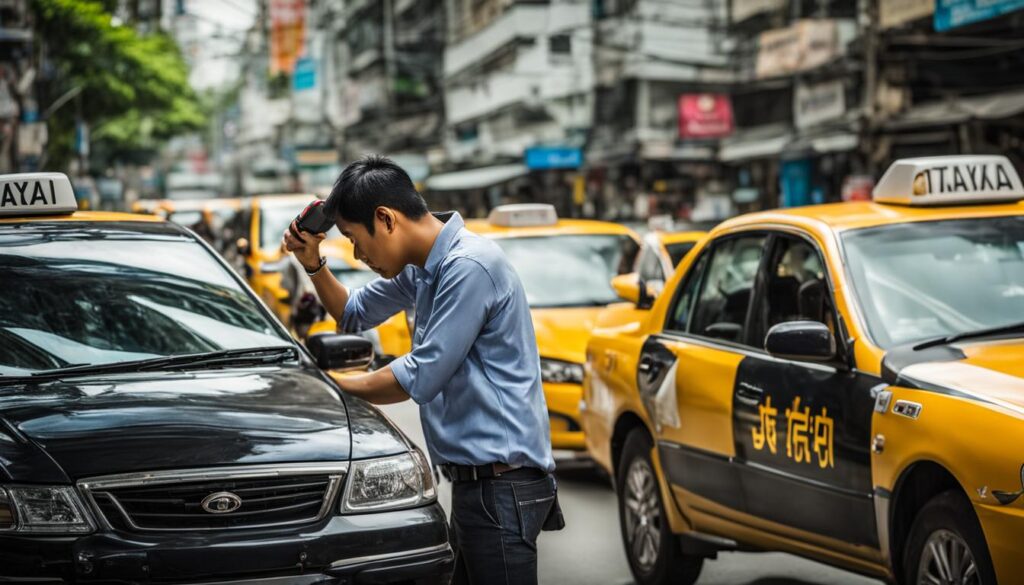
Using a taxi is a convenient way to get around Thailand, but you need to be aware of potential scams that taxi drivers may try to pull. Here are some common scams to watch out for:
- Refusing to use the meter: Some taxi drivers may refuse to use the meter and instead offer a fixed price that is much higher than what you would normally pay. To avoid this, insist that the meter is used or find another taxi.
- Longer routes: Some taxi drivers may take longer routes to increase the fare. To avoid this, familiarize yourself with the route beforehand or use a GPS to track the route. If you notice the driver taking a longer route, speak up and ask why.
- Fake bills: Some taxi drivers may give you fake bills as change. To avoid this, check the bills carefully and refuse any that look suspicious.
To stay safe from taxi scams in Thailand, here are some tips:
- Use only licensed taxis with official logos and phone numbers displayed on the car.
- Agree on the price or use the meter before getting into the taxi.
- Carry small bills to pay for the fare.
- Be aware of your surroundings and use GPS to track the route.
Taxis can be a great way to get around Thailand if you take some precautions and stay alert. By learning about common scams and staying vigilant, you can ensure a safe and enjoyable trip.
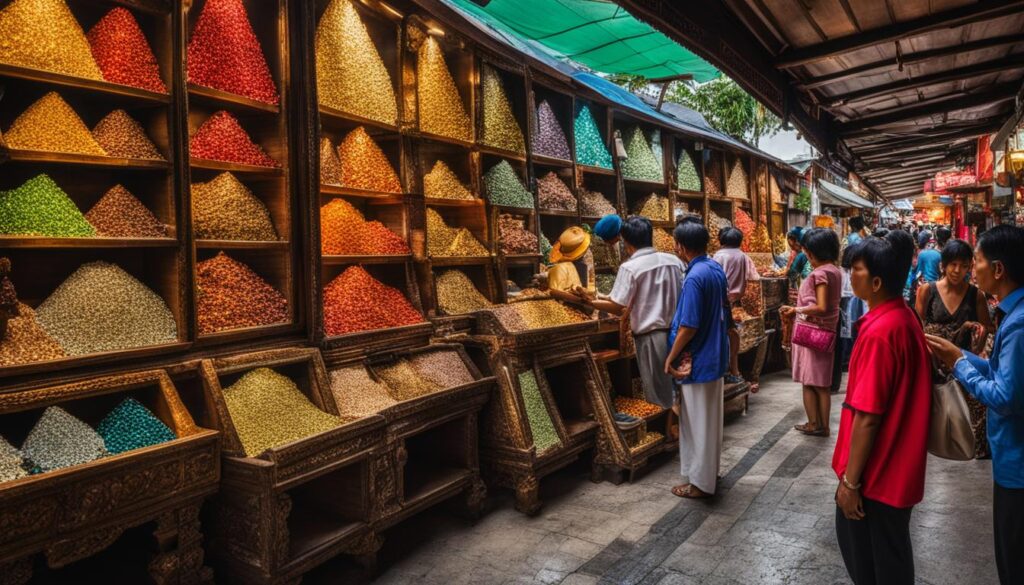
Tips for Avoiding Common Street Vendor Scams in Thailand
Thailand is famous for its street food and bustling markets, but unfortunately, there are scams to be aware of. Here are some common street vendor scams to look out for and tips on how to avoid them.
Scam #1: Overcharging
Some street vendors may overcharge tourists for their products, knowing that they are unlikely to know the actual price. To avoid falling victim to this scam, it’s important to do research beforehand to learn about typical prices for the items you want to buy. You can also try bargaining to bring the price down.
Scam #2: Fake Products
Another common scam is selling fake products or products of much lower quality than advertised. To protect yourself from this type of scam, it’s important to inspect the product carefully before purchasing and compare it to similar products from other vendors. In addition, only purchase items from vendors with a good reputation.
Scam #3: Pickpocketing
Pickpocketing is a concern in any crowded area, and street markets are no exception. To avoid becoming a victim, keep your valuables in a secure location, such as a money belt or a secure bag that you keep close to your body. Also, be wary of anyone who appears to be getting too close or bumping into you repeatedly.
Scam #4: Distraction Tactics
Some street vendors may use distraction tactics to make it easier to steal from you. For example, one person may spill something on you while another steals your wallet. To avoid falling for this trick, be aware of your surroundings and keep your valuables in a secure location.

By keeping these tips in mind, you can avoid common street vendor scams in Thailand and enjoy your shopping and dining experiences without worry. Remember to stay alert and trust your instincts, and you’ll be sure to have a safe and enjoyable trip.
Temple Scams in Thailand
Thailand is known for its beautiful temples, which attract many visitors every year. Unfortunately, some dishonest individuals take advantage of tourists at these sacred sites.
For example, you may encounter locals who offer to be your guide or provide a special prayer service for a fee. They may even claim that the money is going to charity. However, these individuals are not authorized by the temple and are simply scamming tourists for their own profit.
Another common scam involves individuals who offer to sell you flowers or incense to use as offerings at the temple. They may charge you an inflated price or even steal your money or personal belongings while you are distracted.
To avoid falling for temple scams in Thailand, it is best to do your research before visiting. Look for reputable tour companies that offer guided visits to the temples and avoid accepting services or goods from unauthorized individuals. Additionally, always keep an eye on your belongings and avoid flashing large amounts of cash or valuables.
By keeping these tips in mind, you can ensure a safe and enjoyable visit to Thailand’s temples.
Online Scams in Thailand
If you’re planning to make purchases or bookings online in Thailand, it’s important to be aware of potential scams. These scams can lead to financial loss and other problems. Here are some things to keep in mind to avoid falling for online scams in Thailand:
- Only use reputable websites to make online bookings or purchases.
- Be wary of websites that ask for personal information or payment details that seem unnecessary.
- Check reviews and ratings of the website before making a purchase or booking.
- Do not click on suspicious links or download attachments from unknown sources.
- Use secure payment methods, such as credit cards or PayPal, that offer fraud protection.
Thailand scam alerts are constantly updated by the authorities to keep the public informed about the latest scams, so stay informed by checking their websites regularly.
Tip: If you feel unsure about a website or an online transaction in Thailand, it’s always better to err on the side of caution and refrain from making any purchase or providing any personal information.
Preventing scams in Thailand is all about being aware of the risks and taking necessary precautions. Keep these tips in mind, and you can enjoy a safe and enjoyable online experience in Thailand.
Travel Agency Scams in Thailand
If you’re planning to use a travel agency to book your trip to Thailand, it’s important to be aware of the common scams to watch out for. By staying informed, you can avoid falling victim to fraudulent activities and ensure a safe and enjoyable trip.
One common scam is when a travel agency offers a low-priced package that seems too good to be true. Unfortunately, these deals often come with hidden fees and charges, leaving you with a much higher bill than anticipated. To avoid this scam, always read the fine print and ask questions about any additional costs that may arise.
Another travel agency scam in Thailand involves overcharging for services. For example, the agency may charge you a higher rate for transportation or accommodations than what is actually being offered. To prevent this, do your research and compare prices among multiple agencies before making a decision.
It’s also important to be cautious of travel agencies that pressure you into making a quick decision or paying a large deposit upfront. These agencies may not have your best interests in mind and could be trying to scam you. Take your time and make sure you fully understand the services being offered before making any payments.
How to stay safe from scams in Thailand
To avoid falling victim to travel agency scams in Thailand, keep the following tips in mind:
- Research multiple agencies before choosing one
- Read reviews and ask for recommendations from friends or family
- Always read the fine print and ask questions about any additional costs or fees
- Be cautious of agencies that pressure you into making a quick decision
- Never pay a large deposit upfront without fully understanding the services being offered
- Trust your instincts and if something seems too good to be true, it probably is
By following these tips, you can ensure that you choose a reputable travel agency and protect yourself from scams in Thailand.
“Travel agency scams are unfortunately common in Thailand, but by taking the time to research and ask questions, you can protect yourself and have a safe and enjoyable trip.”
Conclusion
Now that you are aware of the common scams in Thailand, you can stay vigilant and protect yourself during your travels. Always be cautious when exchanging money, using tuk-tuks, taking taxis, and purchasing gems or items from street vendors. Remember to research travel agencies and book with reputable ones to avoid falling victim to travel agency scams.
If you plan to make online purchases or bookings, exercise caution and only use secure websites. Additionally, be aware of temple scams and always respect the cultural significance of these religious sites.
Stay Informed and Enjoy Your Travels
Ultimately, the key to avoiding scams in Thailand is staying informed. By being aware of these common scams, you can protect yourself and enjoy your trip with peace of mind. Remember to keep an open mind, be respectful of the local culture, and have a wonderful time exploring all that Thailand has to offer.