Uncover What is the Best Time of Year to Visit London
If you’re planning a trip to London, you may be wondering when is the best time to visit. London is a vibrant city that offers something for everyone, no matter the season. However, timing is crucial to ensure you experience the best of London while avoiding weather extremes and peak tourist seasons. In this section, we’ll explore the ideal times of year to visit London and provide valuable insights and tips for planning your trip to this iconic city. So, let’s dive in!
When it comes to visiting London, there are a few things you should consider. Firstly, the weather can vary significantly throughout the year, so you’ll want to pack accordingly. Secondly, peak tourist seasons can mean crowds and long waits at popular attractions. Finally, the time of year can impact the availability of certain events and festivals.
So, what is the best time of year to visit London? The answer depends on your preferences and priorities. Do you want to experience London’s colorful blooms and mild temperatures, or would you prefer to soak up the festive cheer and holiday markets during the winter season? We’ll explore each season in-depth in the following sections and provide you with the information you need to make an informed decision.
Whether this is your first time visiting London or you’re a seasoned traveler, our comprehensive guide will help you plan an unforgettable trip. From seasonal variations to insider tips and key events, we’ve got you covered. Let’s start planning your London adventure together!
London Weather: A Guide to Seasonal Variations
London’s weather is known for its variability and unpredictability. It’s always a good idea to be prepared for any type of weather, no matter what time of year you visit. The city experiences a temperate maritime climate, with mild temperatures and moderate rainfall throughout the year. However, the weather can change quickly, so it’s important to be flexible with your plans.
Seasons in London
London has four distinct seasons, each with its own unique charm and appeal:
| Season | Months | Weather | Highlights |
|---|---|---|---|
| Spring | March – May | Mild temperatures, occasional rain | Blossoming flowers, Easter celebrations, Chelsea Flower Show |
| Summer | June – August | Warm temperatures, occasional heatwaves | Outdoor activities, festivals, Wimbledon Championships |
| Autumn | September – November | Cooler temperatures, occasional rain | Colorful foliage, Halloween celebrations, Bonfire Night |
| Winter | December – February | Cold temperatures, occasional snow | Christmas markets, New Year’s Eve celebrations, ice skating |
London’s weather can be highly variable within each season, so it’s important to check the forecast before your trip. Generally, spring and fall are milder, while summer and winter can be more extreme.
Regardless of the season, it’s always a good idea to bring a waterproof jacket, comfortable shoes, and layers to adjust to changing temperatures.
Tip: To avoid disappointment, visit London in the season that best suits your interests. Spring is great for flower lovers, summer is perfect for outdoor enthusiasts, fall is ideal for cozy activities, and winter is the best for holiday spirits.
Springtime in London: Blossoms and Blue Skies
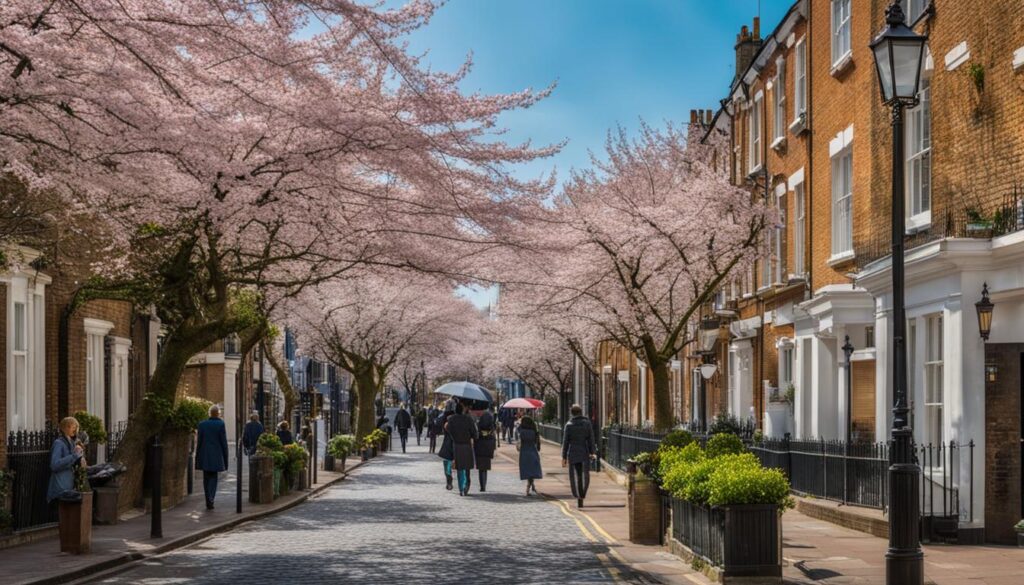
Spring is one of the most captivating seasons in London, when the city comes alive with a burst of colors and fresh blooms. The weather is mild and pleasant, making it the perfect time to explore the outdoors and experience the beauty of the city.
One of the top attractions during spring is the blooming of cherry blossoms in various parks and gardens throughout London. The most popular location for cherry blossoms is Kew Gardens, where you can stroll through a sea of pink and white blossoms and take stunning photos. Other notable parks include Greenwich Park, Regent’s Park, and St. James’s Park.
| Spring highlights in London | Best time to visit |
|---|---|
| Chelsea Flower Show | May |
| Notting Hill Carnival | May |
| Tate Modern | Year-round |
Aside from beautiful blooms, there are plenty of other events and activities to enjoy during springtime in London. One of the most famous events is the Chelsea Flower Show, where you can marvel at stunning floral displays and explore the latest gardening trends. Another notable event is the Notting Hill Carnival, a colorful celebration of Caribbean culture that takes place in late May.
If you’re looking for indoor activities, the Tate Modern is a must-visit attraction year-round. This renowned museum showcases contemporary and modern art, with free admission to its permanent collection.
Overall, spring is a wonderful time to visit London, with mild weather and colorful attractions. Don’t forget to pack some layers for cooler evenings, and plan ahead for peak tourist season during Easter holidays.
Summertime in London: Festivals, Outdoor Activities, and Sunshine
Summer is an exciting time to explore London, with long days and warm temperatures creating a vibrant atmosphere throughout the city. From open-air markets to rooftop bars, there is no shortage of things to see and do during this season.
London Weather in Summer
The summer months in London (June-August) are characterized by mild to warm temperatures, with an average high of 72°F (22°C) in July. However, it is important to note that the weather can be unpredictable, and occasional rain showers are not uncommon. Be sure to pack a light jacket or umbrella just in case.
London Attractions in Summer
Summer in London is truly magical, with a wide range of events and activities to enjoy. Some of the top attractions include:
| Attraction | Description |
|---|---|
| Regent’s Park Open Air Theatre | Enjoy a summer evening under the stars at this unique theater experience. |
| Notting Hill Carnival | Immerse yourself in the colorful culture of this famous street festival, held every August bank holiday weekend. |
| Greenwich Park | Take a picnic and enjoy stunning views of London’s skyline from this peaceful park. |
| Buckingham Palace | Witness the Changing of the Guard ceremony outside the official residence of the British monarch. |
Additionally, summer is the perfect time to explore London’s many museums and galleries, such as the Tate Modern or the British Museum. Or, take a stroll along the South Bank and enjoy street performers, food vendors, and breathtaking views of the Thames River.
London Sightseeing in Summer
Exploring London’s iconic landmarks is a must-do during the summer months. Take a stroll through Hyde Park and visit Kensington Palace, or walk along the River Thames and admire the Tower Bridge. You can also take a Thames River Cruise for a unique perspective on the city’s architecture and history.
For a more thrilling experience, take a ride on the London Eye and enjoy panoramic views of the city. Or, visit the View from the Shard for an even higher vantage point.
With so much to see and do, London is the perfect summer destination for travelers of all ages and interests. Don’t forget to book your accommodations in advance, as this is a popular tourist season.
Autumn in London: Colors, Cultural Festivals, and Cozy Vibes
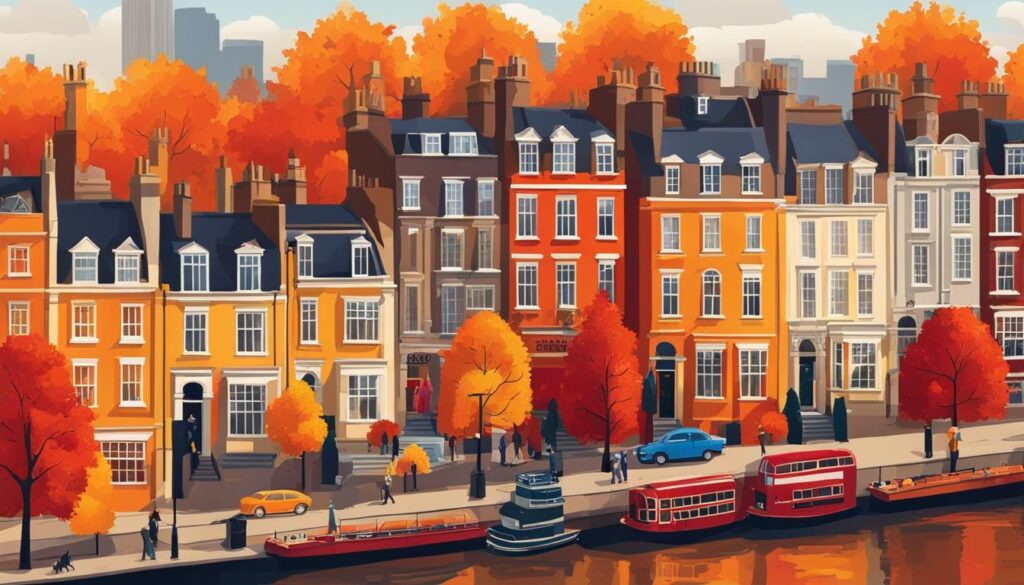
London’s autumn is a magical time, as the city transforms into a picturesque wonderland of red, orange, and gold hues. The crisp weather and cozy vibes create the perfect atmosphere for enjoying the city’s top cultural festivals and events. In this section, we’ll introduce you to the most colorful spots, iconic events, and cozy activities to enjoy during this season.
Seasons in London
From September to November, London’s weather gets cooler, with temperatures ranging from 50°F to 60°F (10°C to 16°C). You may experience occasional rain and fog, so be sure to pack an umbrella and warm layers.
London Attractions
Autumn is the perfect time to explore London’s outdoor attractions, such as the famous parks, gardens, and markets. Head to Hyde Park for a peaceful stroll amid the colorful leaves, or visit Kew Gardens to see the beautiful autumnal displays. Take a walk along the Thames to enjoy the scenery and snap some iconic photos.
Other popular autumn activities in London include attending the Bonfire Night fireworks on November 5th, celebrating the Mexican Day of the Dead, and experiencing the London Jazz Festival. You can also embrace the cozy vibes by sipping on hot chocolate at one of the many cafes and pubs around the city.
London Travel Tips
- Plan ahead for popular festivals and events, as they can attract large crowds and require advanced bookings.
- Remember to bring comfortable shoes and warm layers to stay cozy while exploring the city.
- Use public transportation, such as the Underground and buses, to navigate around the city efficiently.
“Autumn is a second spring when every leaf is a flower.” – Albert Camus
Wintertime in London: Festive Cheer, Ice Skating, and Holiday Markets
Winter in London is truly magical. From mid-November through early January, the city transforms into a winter wonderland filled with festive decorations, sparkling lights, and a wide range of holiday activities for all ages. Although the temperatures can be chilly, the festive cheer makes it worthwhile, and you’ll find that the crowds are thinner than during the peak summer season.
One of the most popular winter activities in London is ice skating. There are several ice rinks throughout the city, including the iconic rink at Somerset House and the stunning rink at the Natural History Museum. Both offer opportunities to skate under the stars and enjoy the festive atmosphere. Other popular ice rinks include the Tower of London Ice Rink and the ice rink at the Queen’s House in Greenwich.
| Event | Date |
|---|---|
| Winter Wonderland | November to January |
| New Year’s Eve Fireworks | 31st December |
| Christmas at Kew | November to January |
Another highlight of the winter season is the incredible Christmas markets. The markets are scattered throughout the city, and each offers its unique charm. Some of the most popular markets include the Winter Wonderland in Hyde Park, the Southbank Centre Winter Market, and the pop-up market at Leicester Square. These markets are the perfect place to shop for unique gifts, enjoy festive food and drinks, and soak up the holiday atmosphere.
If you’re looking for a break from the cold, there are plenty of indoor activities to enjoy as well. London’s world-renowned museums and galleries are a perfect option, offering warm and educational environments for everyone. Some of the top winter exhibitions include the Wildlife Photographer of the Year exhibition at the Natural History Museum and the Winter Festival at the Southbank Centre. Plus, the West End theatres are especially popular during the festive season, and many offer special holiday performances.
Finally, it’s worth noting that the holiday season in London is one of the busiest times of the year. Therefore, it’s essential to book your accommodation and tickets for any events well in advance to avoid disappointment. Plus, purchasing a London Pass can save you time and money by providing you with access to over 80 top attractions, avoiding long lines.
Winter is an extraordinary time to visit London, and no matter what your interests are, you’re sure to find the city bursting with holiday cheer, magical experiences, and unforgettable memories.
Timing Your Visit: Considerations Beyond Weather
When planning your trip to London, it’s important to consider not only the weather but also the tourist season. London attracts visitors from all over the world year-round, but some months are more crowded than others. The high season is typically from July to September, which means longer lines at popular attractions and higher prices for accommodations. If you prefer a quieter experience with fewer crowds, consider visiting during the low season from November to February.
However, keep in mind that some attractions and events may be closed during the low season. It’s always a good idea to check ahead and plan accordingly. You can also consider visiting during shoulder seasons from March to June or October to November, when the crowds are thinner but the weather is still pleasant.
Another consideration is the timing of your visit to popular attractions. Weekdays tend to be less crowded than weekends, especially during the high season. If you want to avoid the crowds, plan to visit popular attractions early in the morning or later in the evening when there are fewer people.
London Attractions
London is home to a wide range of attractions, from world-famous landmarks to hidden gems off the beaten path. Some of the most popular sights include the Tower of London, Buckingham Palace, the British Museum, and the London Eye.
It’s important to plan ahead and purchase tickets in advance for popular attractions, especially during the high season. This will save you time and ensure that you don’t miss out on visiting a must-see attraction.
London Travel Tips
- Use public transportation to get around the city, as driving and parking can be difficult and expensive.
- Download a map or use a GPS to navigate the city.
- Carry an umbrella or raincoat, as weather can be unpredictable.
- Take advantage of free admission to many museums and galleries.
- Try local cuisine at traditional pubs or street markets.
By considering factors beyond just the weather, you can plan a successful trip to London and make the most of your time in this exciting city.
London Through the Week: Weekdays vs. Weekends
When planning your visit to London, it’s essential to consider whether you want to experience the city on weekdays or weekends. Each option has its own unique advantages and disadvantages, affecting everything from the atmosphere to the availability of attractions and crowds.
Weekdays in London tend to be less busy than weekends, making it an ideal time to explore the city’s attractions without the crowds. You can visit popular landmarks such as the Tower of London or The British Museum without waiting in long lines. Additionally, prices for transportation and accommodation may be more affordable midweek.
On the other hand, weekends in London offer a lively and vibrant atmosphere, with more opportunities to experience the city’s nightlife, entertainment, and cultural events. Many of London’s famous markets, such as Borough Market and Portobello Road Market, are only open on weekends. You’ll also find more outdoor events such as festivals, concerts, and street performances.
If you’re interested in shopping, it’s worth noting that many stores in London are open later on Thursday evenings, providing a unique opportunity for an evening shopping trip midweek. However, you’ll still find plenty of shopping opportunities on weekends, especially in popular shopping districts like Oxford Street and Covent Garden.
Ultimately, the choice between visiting London on weekdays or weekends depends on your preferences and the type of experience you’re looking for. Consider factors such as crowds, attraction availability, and entertainment options, to make the best decision for your trip.
Key Events and Festivals: London’s Annual Highlights
London is a hub of culture and entertainment, offering a vast array of events and festivals throughout the year. Whether you’re interested in music, art, food, or sports, there’s always something to suit your tastes. Here are some of the key events to consider when planning your visit:
The New Year’s Day Parade
London’s New Year’s Day Parade is a festive celebration that showcases the city’s creativity and diversity. Featuring more than 10,000 performers, including dancers, acrobats, and marching bands, this colorful procession winds its way through the streets of central London, culminating in a spectacular fireworks display. The parade is free to attend and draws large crowds, so be sure to arrive early to secure a good spot.
The Chelsea Flower Show
The Chelsea Flower Show is a world-renowned event that brings together horticultural experts, garden designers, and flower enthusiasts from around the globe. The show features a stunning display of floral exhibits, ranging from elaborate show gardens to intricate floral arrangements. Visitors can also attend talks and workshops, sample local food and drink, and shop for gardening products. The Chelsea Flower Show takes place in May and tickets must be purchased in advance.
The Notting Hill Carnival
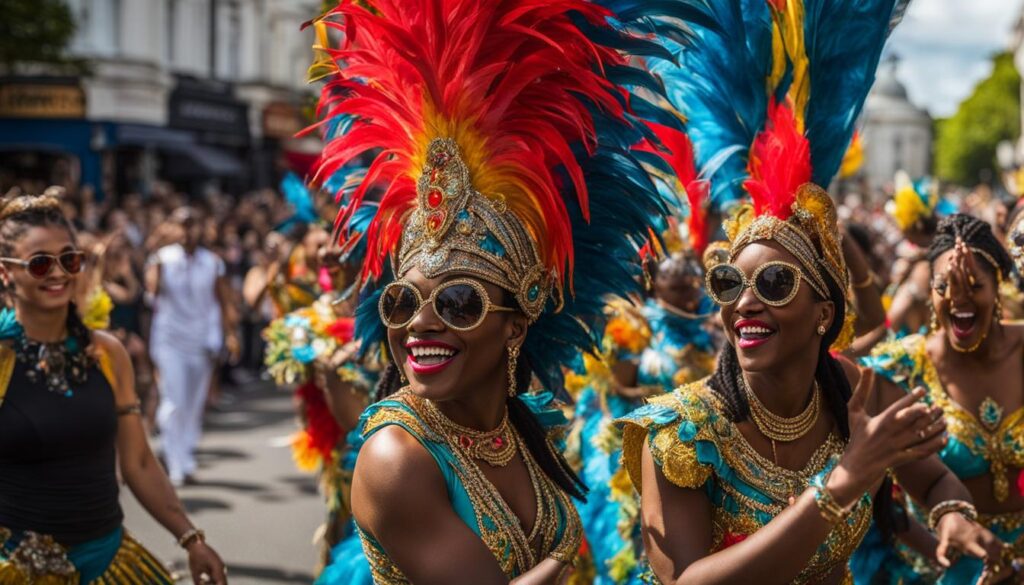
The Notting Hill Carnival is a two-day street festival that celebrates Caribbean culture and diversity. Featuring vibrant costumes, lively music, and delicious food, this event attracts millions of visitors each year. The carnival takes place in August and is free to attend, although some activities may require tickets.
The London Film Festival
The London Film Festival is a major event in the global film calendar, showcasing the latest and greatest in international cinema. Screenings take place across the city, with a diverse range of genres and styles on offer. Visitors can also attend talks, workshops, and Q&A sessions with filmmakers and industry experts. The London Film Festival takes place in October and tickets can be purchased online.
These are just a few examples of the many exciting events happening in London throughout the year. Be sure to check out the official Visit London website for a comprehensive guide to the latest festivals and attractions.
Insider Tips for a Memorable London Trip
London is a vibrant city with endless opportunities for exploration and adventure. To help you make the most of your trip, we’ve compiled a list of insider tips:
1. Plan for the Tube
The London Underground, or Tube, is the most efficient and cost-effective way to get around the city. Download a Tube map and plan out your route in advance to save time and avoid confusion.
2. Take Advantage of Free Attractions
London has a wide range of free museums, galleries, and landmarks to explore, including the British Museum, National Gallery, and the Tate Modern. Take advantage of these free attractions to save money while still experiencing the city’s cultural offerings.
3. Book Tickets in Advance
Popular attractions such as the London Eye and the Tower of London can have long lines, especially during peak tourist season. To save time, book your tickets online in advance.
4. Explore Off-the-Beaten-Path Neighborhoods
While London’s iconic landmarks are a must-see, don’t overlook the city’s lesser-known neighborhoods. Head to Camden for quirky markets and street art, or Hackney for hip cafes and vintage shops.
5. Sample Street Food
London is a melting pot of cultures, and nowhere is that more evident than in its street food scene. From traditional fish and chips to global fare, explore the city’s diverse culinary offerings by sampling food from street vendors and markets.
6. Mind the Traffic
London is known for its bustling streets, so be mindful of traffic when exploring the city on foot. Look both ways before crossing the street, and use designated crosswalks whenever possible.
7. Be Prepared for the Weather
London weather can be unpredictable, so be prepared for rain or shine. Pack a small umbrella and a waterproof jacket, and wear comfortable walking shoes to navigate the city’s streets.
8. Visit During Shoulder Season
London’s peak tourist season is from June to August, when crowds and prices are at their highest. For a more affordable and less crowded trip, consider visiting during the shoulder season in April or September.
9. Get a London Pass
The London Pass provides entry to over 80 attractions and can save you money on individual admission fees. Consider purchasing a pass if you plan to visit multiple attractions during your trip.
10. Take a Walking Tour
Walking tours are a great way to explore the city’s hidden gems and learn about its history and culture. Look for free or affordable walking tours led by knowledgeable guides to enhance your London experience.
By following these insider tips, you’ll be able to plan a memorable trip to London and experience all the city has to offer.
Exploring London’s Iconic Attractions
London is home to some of the most iconic attractions in the world. No matter what your interests are, there is something for everyone in this vibrant and diverse city. Here are some must-visit landmarks, museums, and neighborhoods to add to your London sightseeing itinerary:
The Tower of London
One of the most famous landmarks in London, the Tower of London is a historic castle and fortress that has stood the test of time for over 900 years. The castle has served as a palace, a prison, and even a zoo throughout its long history. Be sure to check out the Crown Jewels exhibit, which showcases the dazzling regalia of the British monarchy.
The British Museum
The British Museum is one of the largest and most comprehensive museums in the world, housing over eight million works of art and artifacts. The museum’s collection spans the history of human civilization, from ancient Egypt to modern-day Europe. Don’t miss the museum’s most famous piece, the Rosetta Stone, which helped scholars decipher the hieroglyphs of ancient Egypt.
The Coca-Cola London Eye
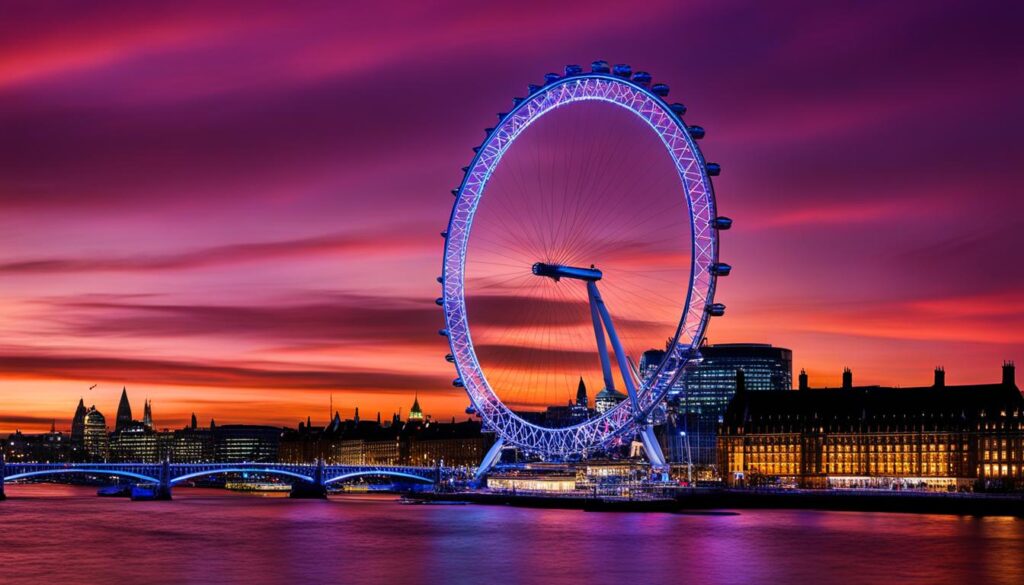
The Coca-Cola London Eye is a giant Ferris wheel located on the South Bank of the River Thames. The ride provides panoramic views of the city from 135 meters above ground, making it the perfect attraction for those looking for a bird’s eye view of London. If you want to avoid the crowds, consider taking a spin during sunset for a breathtaking view of the city skyline.
Notting Hill
Notting Hill is a picturesque neighborhood in West London known for its colorful houses, trendy cafes, and vintage markets. The neighborhood gained fame after the release of the eponymous film starring Julia Roberts and Hugh Grant. Walk along the vibrant Portobello Road market and explore the area’s charming streets, filled with unique boutiques and artisan shops.
The National Gallery
The National Gallery is one of the most renowned art museums in London, housing an impressive collection of over 2,300 paintings. The museum’s collection spans over six centuries of Western European art, featuring works by masters such as Botticelli, Leonardo da Vinci, Van Gogh, and Monet. Best of all, admission to the museum is free, making it a must-visit for art lovers on a budget.
Whether you’re interested in history, art, or simply taking in the sights and sounds of the city, London has plenty to offer. Plan your London sightseeing itinerary wisely to ensure you make the most of your time in this incredible city.
Conclusion
Congratulations on reaching the end of our guide to the best time of year to visit London! We hope that you found the information and insights valuable. By considering factors such as weather conditions, tourist seasons, and key events, you can plan your visit to London strategically and create unforgettable memories in this vibrant city.
Using Our Comprehensive Guide
You can use our comprehensive guide to make the most of your time in London. With tips on transportation, money-saving strategies, and off-the-beaten-path attractions, you can discover the city like a local.
Exploring London’s Iconic Attractions
No visit to London is complete without exploring its iconic attractions. From the Tower of London to the British Museum, there are a myriad of must-visit landmarks, museums, and neighborhoods to explore. Be sure to include these in your itinerary to get the full London experience.
Planning Your Trip to London
Remember to consider peak tourist seasons and other factors when planning your visit to London. By avoiding crowds and learning about the city’s culture and history, you can enhance your overall experience. Use our guide to plan your trip and get the most out of your visit to this incredible city.