Is Thailand Safe for Tourists? Essential Travel Safety Tips
If you’re planning a trip to Thailand, you’re probably wondering, “Is Thailand safe for tourists?” While Thailand is generally a safe country to visit, there are some safety concerns that you should be aware of to have a worry-free and enjoyable trip.
Thailand is known for its beautiful beaches, vibrant cities, and rich culture. However, like any other destination, it’s crucial to stay informed about potential safety concerns to ensure your safety during your trip. In this section, we will provide you with essential travel safety tips to help you navigate and enjoy Thailand while staying safe.
Whether you’re traveling alone, with friends, or family, these safety tips will come in handy and help you prepare for your journey, reduce travel-related risks, and avoid unpleasant situations. By following these safety tips for tourists in Thailand, you can have peace of mind and enjoy all that the country has to offer.
So, let’s get started and learn how to make your trip to Thailand safe and unforgettable!
Current Safety Status in Thailand
Before embarking on your trip to Thailand, it’s essential to stay updated on the latest safety travel advice and guidelines.
As of the time of writing, the U.S. Department of State has issued a Level 3 Travel Advisory for Thailand, recommending travelers to reconsider travel due to COVID-19 restrictions and an increased risk of civil unrest. However, the overall safety situation in Thailand is generally stable.
The Thai government has implemented various safety measures to ensure the well-being of tourists, such as mandatory mask-wearing in public areas and increased sanitation efforts in tourist hotspots.
Thailand has also established a Tourist Police Bureau to provide assistance and support to international visitors.
Nevertheless, it’s always wise to exercise caution and remain vigilant when exploring the country.
Thailand Safety Guidelines for Travelers
Here are some essential safety guidelines to keep in mind when traveling to Thailand:
- Stay informed of the latest safety and health updates from reliable sources
- Respect the local culture and customs
- Avoid political gatherings and protests, which can sometimes turn violent
- Be cautious of pickpocketing and other petty crimes in busy tourist areas
- Drink bottled water and be mindful of food hygiene to avoid getting sick
By following these safety guidelines, you can enjoy a memorable and safe trip to Thailand.
Safe Places to Visit in Thailand
Thailand is a beautiful country with diverse landscapes and captivating culture. While it’s generally safe for tourists, it’s important to know which destinations are the safest to visit. Here are some of the safe places to consider visiting:
Chiang Mai
Chiang Mai is a charming city located in Northern Thailand known for its breathtaking temples and stunning mountain views. The city has a relaxed pace of life and offers an array of activities such as hiking, shopping at night bazaars, and learning about Thai culture.
Krabi
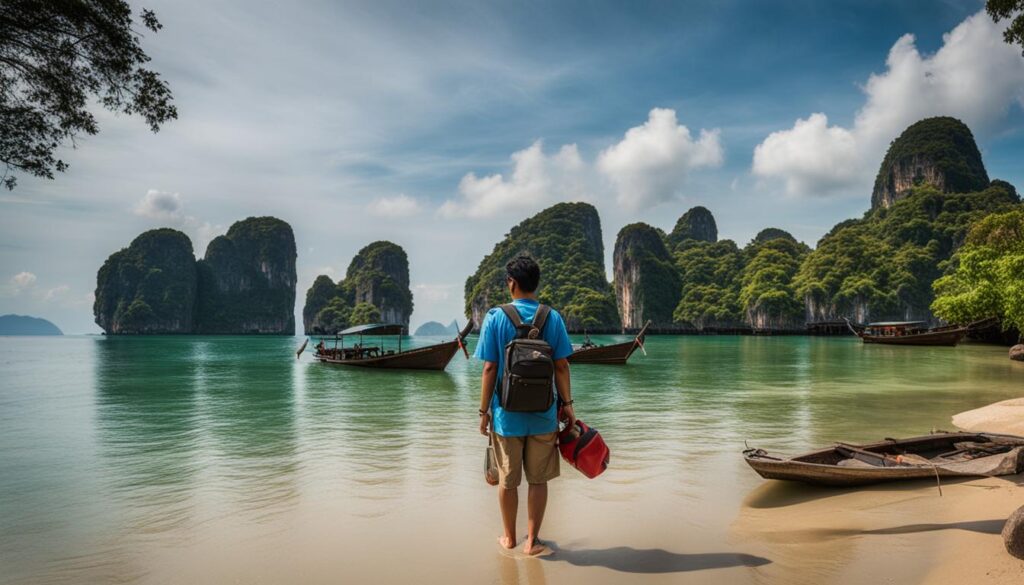
Krabi is a coastal province in Southern Thailand known for its picturesque beaches, limestone cliffs, and crystal-clear waters. It’s an excellent destination for beach lovers, where you can soak up the sun, swim, and indulge in water sports activities.
Koh Samui
Koh Samui is a beautiful island located in the Gulf of Thailand, known for its white-sand beaches, lush greenery, and stunning waterfalls. It’s an ideal destination for relaxation and adventure, where you can enjoy water activities like snorkeling, diving, and kayaking.
Bangkok
Bangkok, the capital of Thailand, is a vibrant and bustling city that offers a unique blend of ancient temples, modern skyscrapers, and lively street markets. The city is safe for tourists, and you can enjoy shopping, dining, and exploring cultural attractions.
These are some of the safe places to visit in Thailand, but make sure to research the destination before making any bookings. Always be cautious and vigilant of your surroundings, take necessary precautions, and follow our essential travel safety tips to ensure a safe and memorable trip to Thailand.

Understanding Potential Safety Concerns
While Thailand is generally safe for tourists, it’s essential to be aware of potential safety concerns that you may encounter during your trip. Being mindful of these issues and taking necessary precautions can help ensure a secure and enjoyable experience in Thailand.
Scams
As a tourist, you may encounter scams in Thailand, with tuk-tuk and taxi scams being the most common. Always negotiate the fare in advance and ensure that the driver is using the meter. Additionally, be wary of strangers who approach you, offering to show you around or take you to a special attraction. These people are often scammers looking to take advantage of tourists.
Pickpocketing and Theft
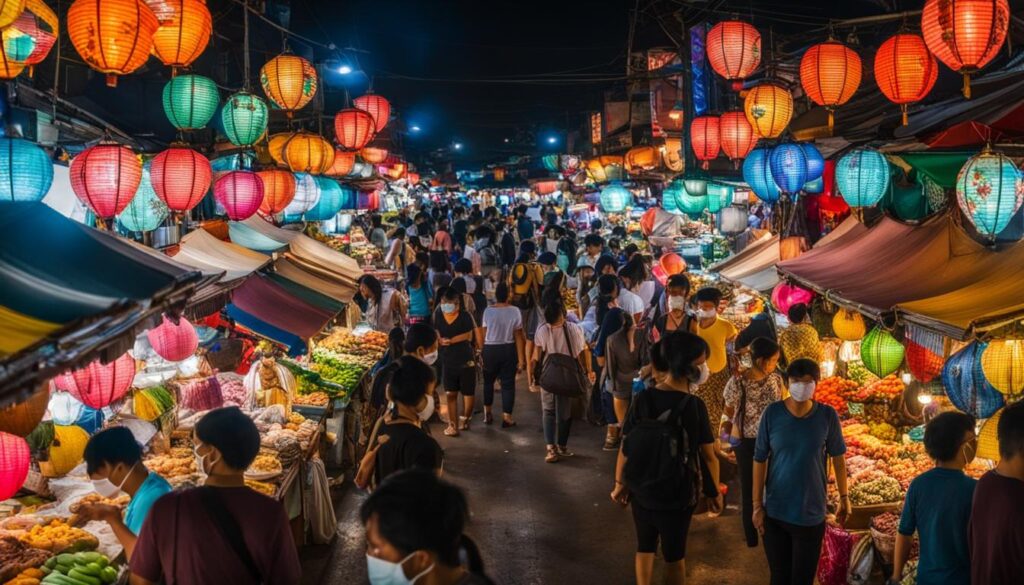
Pickpocketing and theft can occur in busy tourist areas in Thailand, such as markets and crowded streets. To prevent theft, avoid carrying large amounts of cash, and keep your valuables in a secure location when not in use. Additionally, be mindful of your surroundings, and keep an eye on your belongings at all times.
Natural Disasters
Thailand is prone to natural disasters, such as flooding and earthquakes. During monsoon season, flooding can occur, leading to travel disruptions and infrastructure damages. In the event of a natural disaster, stay informed, and follow the instructions of local authorities.
Political Unrest
Political unrest can occur in Thailand, leading to demonstrations, protests, and violence. To stay safe, avoid participating in political activities, and stay informed about the current political situation in the country.
Tip: Stay informed by checking the latest travel advice for Thailand from your country’s government before traveling.
By being aware of potential safety concerns and taking necessary precautions, you can have a safe and enjoyable trip to Thailand. In the next section, we will provide you with safety tips for using different modes of transportation in Thailand.
Transportation Safety Tips
When it comes to traveling around Thailand, there are several transportation options available to you, including public transportation, taxis, tuk-tuks, and motorbikes. While these options can be convenient and cost-effective, it’s essential to take the necessary safety precautions.
Public Transportation
Thailand’s public transportation system is affordable and typically safe to use. However, always keep an eye on your belongings while using public transportation, especially during rush hour when pickpocketing is more likely to occur. If possible, avoid using public transportation during off-hours, and try to stick to well-lit and busy areas to minimize the risk of theft.
Taxis and Tuk-tuks
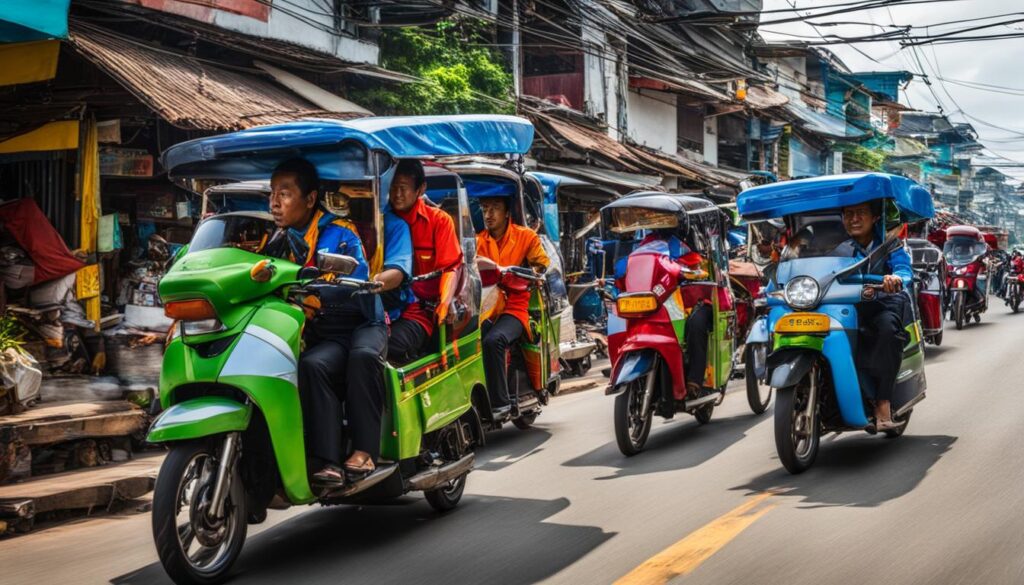
Taxis and tuk-tuks are popular means of transportation for tourists in Thailand. When using a taxi or tuk-tuk, make sure that the vehicle is licensed and that the driver uses the meter. If the driver refuses to use the meter, negotiate the fare before getting in, or consider finding a different driver. If possible, try to hail a taxi or tuk-tuk from a reputable stand instead of one that’s parked on the side of the road.
Motorbikes
Renting a motorbike is a popular way to explore Thailand’s scenic routes. However, it’s important to use caution when operating a motorbike, especially since road conditions may be different from what you’re used to. Always wear a helmet, and keep in mind that traffic can be congested and chaotic. If you’re not an experienced motorbike rider, consider hiring a driver instead.
Thailand Travel Safety Precautions
- Be aware of your surroundings when using transportation.
- Avoid carrying large amounts of cash.
- Keep your valuables in a secure place.
- Use licensed and reputable transportation services.
- Wear a helmet when riding a motorbike.
By following these transportation safety tips and taking necessary precautions, you can stay safe while exploring all that Thailand has to offer.
Accommodation Safety Tips
When it comes to accommodation, safety should be your top priority while traveling in Thailand. Here are some essential Thailand travel safety precautions to follow when choosing your hotel or vacation rental:
- Research: Before booking any accommodation, read reviews online to get an idea of the safety measures and security features in place.
- Location: Choose accommodations in safe neighborhoods or areas with good security measures in place.
- Amenities: Look for accommodations with 24-hour security, secure locks, and a safe in the room for storing valuables.
- Emergency Plan: Familiarize yourself with the emergency procedures outlined by the accommodation in case of a fire, natural disaster, or other emergency situation.
- Room: Inspect the room upon arrival to ensure that all locks are working, windows are secure, and there are no potential safety hazards.
- Staff: Be wary of strangers who claim to work for the hotel or rental property and always verify with the front desk before allowing anyone access to your room.
In addition to these safety tips, consider carrying a portable door lock or wedge to further enhance your security while staying in unfamiliar accommodations.
Staying Healthy in Thailand
While you’re enjoying the many sights and activities Thailand has to offer, it’s important to prioritize your health to ensure a safe and enjoyable trip. Here are some essential Thailand travel safety precautions to keep in mind:
- Stay hydrated: Thailand’s hot and humid climate can cause dehydration. Always carry a refillable water bottle with you and drink plenty of fluids, mainly bottled water and electrolyte-enhanced drinks.
- Familiarize yourself with local food: Thai cuisine is diverse and flavorful, but it’s essential to be cautious with street food, raw or undercooked meat, and seafood. Look for food stalls that are crowded with locals, a sign of freshness and quality.
- Get vaccinated: Before traveling to Thailand, make sure you are up-to-date on routine vaccinations, such as measles, mumps, and rubella, and consider getting extras for typhoid fever and hepatitis A and B.
- Sun protection: Apply sunscreen liberally and frequently as Thailand’s climate is tropical. Wear protective hats and sunglasses.
- Avoid insect bites: Mosquito-borne diseases like dengue fever and Zika virus are prevalent in Thailand. Wear insect repellent and cover exposed skin with long-sleeved clothing and pants.
It’s worth noting that public health facilities outside of major urban areas are often poorly equipped, so it’s essential to have comprehensive travel insurance that covers medical emergencies and evacuation.
If you feel unwell during your trip, seek medical attention immediately. You can ask your hotel staff or tour operator to recommend a reputable hospital or clinic.
Cultural Etiquette and Customs
Thailand has a rich and unique culture, and as a traveler, it’s important to be respectful of local customs and traditions. By doing so, you can ensure a safe and pleasant experience.
Dress Code
When visiting temples or other religious sites, dress modestly and remove your shoes before entering. Avoid wearing revealing clothing, and cover your shoulders and knees. If you’re unsure of what to wear, observe the locals and follow their lead.
Greetings and Gestures
Thai people are known for their friendly and welcoming nature, so it’s important to reciprocate their kindness. Use the traditional Thai greeting, “wai,” by placing your palms together in a prayer-like gesture and bowing slightly. This gesture is used for both greetings and farewells.
Eating and Drinking
When eating at a restaurant or someone’s home, wait until the host invites you to start eating. Thais eat family-style, sharing dishes amongst themselves. It’s considered rude to take the last portion of a dish, so always leave a few bites behind. Also, use your right hand to pick up food and your left hand to hold a spoon or fork.
Showing Respect for the King and Royal Family
The Thai people hold their royal family in high esteem, and it’s important to show respect for them at all times. Avoid speaking negatively about the king or any other member of the royal family, as this is considered a grave offense.
Remember, in Thailand, respect and politeness go a long way, and by following cultural customs and etiquette, you can ensure a safe and enjoyable experience.
Dealing with Emergencies
While you hope to have a safe and enjoyable trip to Thailand, emergencies can happen. Here are some essential tips to help you handle emergency situations:
- Immediately contact the local authorities by dialing 191 for police, 199 for ambulance, or 1669 for the Tourist Police.
- If you need to contact your embassy, the US Embassy in Bangkok can be reached at +66-2-205-4049.
- Keep a copy of important documents like your passport and travel insurance policy in a safe place, separate from the originals.
- If you experience a medical emergency, go to one of Thailand’s many hospitals or clinics. The best options are usually in Bangkok, Phuket, and Chiang Mai.
- Make sure to inform your family and friends back home of your current situation, so they are aware and can support you from afar.
By being prepared and knowing what steps to take, you can minimize the impact of an emergency situation and ensure a safe outcome.
Important Contact Information
When traveling to Thailand, it’s essential to have important contact information readily available in case of emergencies. Keep these numbers handy throughout your trip:
| Emergency Services: | 191 |
|---|---|
| Tourist Police: | 1155 |
| US Embassy: | +66 2 205 4000 |
| UK Embassy: | +66 2 305 8333 |
It’s also a good idea to keep your embassy’s contact information and address on hand, just in case. Remember to have your passport and other travel documents with you at all times, and keep copies in a safe place.
While staying connected during your travels is easier than ever, it’s important to have backup options in case of tech malfunctions or lost devices. Consider jotting down important phone numbers and addresses on a notepad or bringing a printed copy of this information with you.
Conclusion
In conclusion, Thailand is a beautiful and exciting travel destination that attracts millions of visitors every year. Are there safety concerns for tourists in Thailand? Yes, there are potential risks to be aware of, such as pickpocketing, scams, and transportation accidents. However, with the right precautions, you can minimize these risks and enjoy a safe and memorable trip.
Is Thailand Safe for Tourists?
Thailand is generally considered safe for tourists, but it’s important to stay informed about the latest safety updates and guidelines. Before planning your trip, check the latest travel advice from your government or international organizations such as the World Health Organization (WHO) or the Centers for Disease Control and Prevention (CDC).
Safety Concerns for Tourists in Thailand
Some of the safety concerns for tourists in Thailand include pickpocketing, scams, unregistered taxis, natural disasters, and health risks such as mosquito-borne diseases. However, you can minimize these risks by staying alert, avoiding suspicious or crowded areas, using registered taxis and public transportation, and taking necessary health precautions.
Essential Travel Safety Tips
Here are some essential travel safety tips to keep in mind while visiting Thailand:
- Avoid carrying large amounts of cash and valuables with you.
- Be cautious of strangers offering unsolicited help or advice.
- Use only registered taxis or public transportation, and negotiate the fare before getting in.
- Avoid walking alone at night, especially in unlit or isolated areas.
- Stay informed about the local weather conditions and follow the advice of local authorities in case of a natural disaster.
- Get vaccinated before traveling and take necessary precautions to avoid mosquito bites.
- Respect the local culture and customs, and dress modestly when visiting temples or other religious sites.
- Know the emergency contact numbers and keep them handy in case of need.
By following these essential travel safety tips, you can ensure a safe and enjoyable experience in Thailand.