
Discover When is the Best Time of Year to Visit Berlin?
If you’re planning a trip to Berlin, one of the key questions you may have is, “When is the best time of year to visit?” To answer that question, it’s essential to understand the city’s climate throughout the year.
As a part of the temperate seasonal climate zone, Berlin experiences mild summers and cold winters. The weather can be unpredictable, so it’s important to familiarize yourself with Berlin’s climate guide to plan your visit accordingly. Whether you want to avoid the crowds, enjoy seasonal attractions, or embrace the festive spirit, the best time to visit Berlin depends on your preferences and interests.
So, when is the best time to go to Berlin? That’s what we’ll explore in the following sections, where we’ll provide detailed information on Berlin’s weather throughout the year, seasonal attractions, and travel tips. By the end of this guide, you’ll have a clear idea of when to plan your Berlin vacation for an unforgettable experience.
Understanding Berlin’s Climate Throughout the Year
If you’re planning a trip to Berlin, it’s essential to familiarize yourself with the city’s weather patterns to make the most of your visit. Berlin experiences a temperate seasonal climate, characterized by mild summers and cold winters.
The average temperature in winter, which lasts from December to February, is around freezing, with occasional snowfall. Meanwhile, summer temperatures hover around 20-25°C (68-77°F), making it an ideal time to explore the city on foot or by bike.
Spring and autumn are relatively short seasons in Berlin, with temperatures ranging from 5-15°C (41-59°F) and 10-20°C (50-68°F), respectively. During these seasons, the city is less crowded, and hotel rates may be more affordable.
| Month | Min. Temperature (°C) | Max. Temperature (°C) | Average Rainfall (mm) |
|---|---|---|---|
| January | -2 | 3 | 42 |
| February | -2 | 4 | 33 |
| March | 2 | 8 | 38 |
| April | 5 | 13 | 33 |
| May | 9 | 19 | 51 |
| June | 12 | 22 | 61 |
| July | 14 | 24 | 58 |
| August | 14 | 24 | 58 |
| September | 10 | 19 | 44 |
| October | 6 | 13 | 43 |
| November | 2 | 7 | 47 |
| December | -1 | 3 | 52 |
When packing for your trip to Berlin, it’s best to pack layers and clothing suitable for all weather conditions. The weather can change quickly, and it’s always good to be prepared. Don’t forget to bring comfortable shoes if you plan on walking or cycling around the city.
Now that you understand Berlin’s climate throughout the year, you can make an informed decision about when to visit. Whether you prefer the warmth of summer or the festive spirit of winter, Berlin has something to offer year-round.

Summer Delights in Berlin
Summer is the best time of year to visit Berlin, and for a good reason. From June to August, the city transforms into a vibrant destination with plenty of outdoor activities and seasonal attractions.
When planning your summer trip to Berlin, keep in mind that the ideal season to travel to Berlin is from late June to early August, when the weather is at its warmest.
What to See and Do:
Experience Berlin’s summer vibe by visiting the city’s many parks and gardens, such as the famous Tiergarten, the perfect spot for a relaxing picnic or a morning jog. You can also admire the Berlin Wall East Side Gallery, an open-air art gallery that showcases murals and paintings by artists from all over the world.
For those interested in music, summer is the season for open-air concerts and festivals. The Berlin Summer Night festival takes place in August, featuring live music, food, and drinks under the stars.
If you’re traveling with kids, visit the Berlin Zoo, one of the oldest and most famous zoos in the world, home to over 20,000 animals, including pandas, elephants, and tigers.
Useful Tips:
- Remember to bring sunscreen, a hat, and sunglasses to protect yourself from the sun.
- Book your accommodations in advance, as summer is a popular time to visit Berlin, and hotels tend to fill up quickly.
- Bring comfortable walking shoes to explore the city’s many attractions.
With its pleasant weather and endless array of summer activities and events, Berlin is the perfect vacation destination for those seeking a fun-filled and unforgettable experience.
Embracing the Festive Spirit in Winter
Winter in Berlin, from December to February, is the peak tourist season in Berlin, attracting visitors from all over the world. The city transforms into a winter wonderland with festive markets, ice-skating rinks, and stunning Christmas lights.
The best months to visit Berlin for winter enthusiasts are December and January. The Christmas markets are in full swing, and there’s a festive atmosphere throughout the city. Experience the delightful aroma of gingerbread, mulled wine, and roasted chestnuts as you wander through the market stalls.

Don’t miss out on the historical Gendarmenmarkt Christmas Market, which is renowned for its stunning architecture and festive ambience. Admire the beautifully decorated stalls and indulge in some delicious German cuisine.
Another popular attraction during winter is the ice-skating rink at Alexanderplatz. Rent some skates and glide across the ice as you enjoy the views of the city skyline.
If you’re planning to visit Berlin during the peak tourist season, make sure to book your accommodations in advance as they tend to fill up quickly. You can also expect big crowds at the popular attractions, so it’s best to plan your itinerary accordingly.
Berlin Travel Tips:
- Dress warmly as Berlin can get quite cold during winter.
- Visit the Christmas markets during weekdays to avoid the crowds.
- Try some hot mulled wine and German sausages at the markets.
Winter in Berlin is a magical time, and visiting during the festive season is an experience you won’t forget.
Spring Awakening and Blossoming Beauty
If you’re looking for an off-peak time to visit Berlin, then spring, from March to May, is a delightful season to explore the city. The chilly winter winds have given way to cool breezes, and the trees burst into vibrant colors of pink and purple as the cherry blossoms bloom. The parks and gardens come to life with people enjoying picnics and walks amidst the blooming flowers.
One of the must-visit places during spring is the Berlin Botanical Garden, the largest garden in Germany, covering an area of 43 hectares. It is a paradise for nature lovers, with a vast collection of plants from around the world, including a tropical greenhouse, several smaller themed gardens, and a large arboretum. Explore the gardens on a guided tour or discover the various trails on your own.

Spring also brings the outdoor markets and fairs back to the city. The Mauerpark Flea Market, one of the largest in Berlin, is a popular spot for vintage finds, street food, live music, and people watching. Another fun event is the Berliner Frühlingsfest, a spring festival with rides, games, and food stalls.
For those interested in arts and culture, spring offers many events in Berlin. The annual Gallery Weekend takes place in April, showcasing contemporary art from around the world. The Berliner Festspiele, a festival of theatre, dance, and music, also happens in spring, featuring performances from international artists and local talents.
When traveling to Berlin in the spring, consider packing warm layers as the temperatures can still be cool, especially in the evenings. Don’t forget comfortable walking shoes for exploring the beautiful parks and gardens of the city.
Overall, spring is an ideal time to visit Berlin for a more peaceful and relaxed experience. Enjoy the blossoming beauty of the city, the outdoor markets and festivals, and the rich cultural events happening during this time.
Autumn Vibes and Cultural Events
If you are looking for a more relaxed and peaceful time to visit Berlin, autumn is an excellent opportunity. From September to November, the city transitions from summer to winter, and temperatures become milder, ranging from about 7°C (45°F) to 16°C (61°F). This offers a pleasant climate for outdoor activities such as strolling through parks, biking, and sightseeing. Moreover, the autumn foliage in Berlin is a sight to behold, offering an explosion of colors, especially in Tiergarten and Treptower Park.
Besides natural attractions, Berlin also hosts several cultural events during autumn. You can enjoy the Berlin Art Week, the Jazzfest Berlin, and the Berlin Literature Festival, among others, showcasing the city’s vibrant artistic and cultural scene. Berlin’s museums and galleries also tend to display new exhibitions during this time, offering visitors a taste of contemporary art.
Furthermore, autumn is an off-peak season in Berlin, meaning the city is less crowded, and airfares and hotels are more affordable. As such, it’s an ideal time for budget travelers or those who want to avoid the tourist crowds.
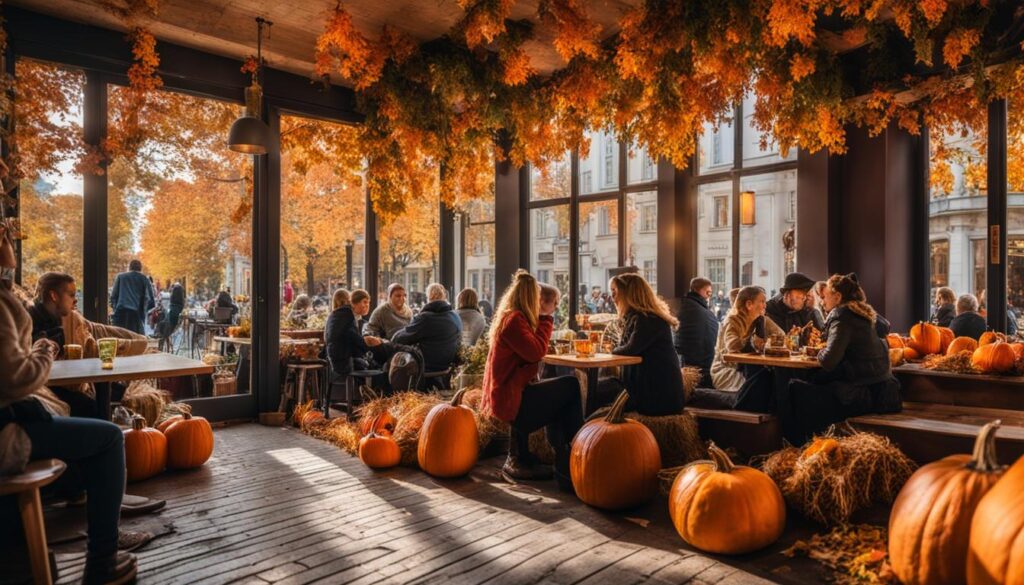
Berlin’s Autumn Festivals
Berlin is a diverse city with a rich cultural scene, and autumn is an excellent time to explore it. Here are some of the major autumn festivals and events to check out:
| Festival/Event | Date(s) |
|---|---|
| Berlin Art Week | Mid-September |
| Berlin Literature Festival | Mid-September to early October |
| Jazzfest Berlin | Early November |
| Day of German Unity | October 3 |
No matter what your interests are, Berlin has something to offer in the autumn season.
Navigating the Crowds in the Peak Tourist Season
Are you craving the energy and excitement of bustling crowds during your Berlin vacation? Then plan your trip during the peak tourist season, usually from June to August. During these months, the city is abuzz with locals and tourists alike, savoring the pleasant summer weather and enjoying the many open-air events and attractions.
However, keep in mind that with crowds come higher prices, longer lines, and more difficulty securing accommodations. Book your hotel and attraction tickets well in advance, and expect to pay a premium for them.
If you want to enjoy shorter lines and fewer crowds, you may want to consider visiting in May or September, which are the shoulder months between the peak and off-peak seasons. You’ll still be able to experience the best of Berlin’s summer weather, but with smaller crowds and lower prices.
Berlin Travel Tips for the Peak Tourist Season
- Book your hotel and attraction tickets well in advance.
- Expect higher prices and longer lines.
- Consider visiting in May or September for smaller crowds and lower prices.
“Plan ahead and book early to make the most of your summer visit to Berlin, and don’t forget to pack sunscreen!”
Beating the Crowds in the Off-Peak Season
If you’re looking for a quieter and more peaceful experience, consider visiting Berlin during the off-peak season. Not only will you have fewer crowds to contend with, but you’ll also have a chance to experience the city in a different light.
The off-peak season in Berlin is typically from November to March, excluding the Christmas and New Year holidays. During this time, the weather can be quite cold, with average temperatures ranging from 20-40°F (Table 1). However, if you’re prepared with the right clothing, you can still explore the city comfortably.
| Table 1: Average Temperatures in Berlin during Off-Peak Season | ||
|---|---|---|
| November | 38°F | 3°C |
| December | 33°F | 1°C |
| January | 31°F | -1°C |
| February | 34°F | 1°C |
| March | 42°F | 6°C |
One of the advantages of travelling during the off-peak season is that you’ll find lower prices for flights and accommodations. You can save money and stretch your budget further.
Moreover, Berlin has plenty of indoor attractions that you can enjoy during the colder months, such as museums, galleries, and theaters. You can take your time exploring without feeling rushed or overcrowded. Some of the must-visit attractions during off-peak season include the Pergamon Museum, the Berlin Wall Museum, and the Berlin State Opera.
If you’re a foodie, you can also take advantage of the quieter restaurants, cafes, and bars, without the long wait times that come with peak season crowds. You’ll have the opportunity to sample traditional German cuisine, try out trendy eateries, and indulge in some of the city’s famous nightlife.
Overall, the off-peak season is the best time to visit Berlin if you want to avoid crowds, save money, and explore the city at your own pace. Just remember to pack warm clothing, and you’ll be ready to enjoy all that Berlin has to offer.
Berlin’s Changing Weather and What to Pack
As you plan your visit to Berlin, it’s essential to keep in mind the city’s changing weather patterns throughout the year. The temperature can vary significantly, so it’s crucial to pack accordingly to make your trip comfortable and enjoyable.
From June to August, the weather is relatively mild, with an average high of 23°C (73°F) and an average low of 13°C (55°F). However, sudden rain showers or thunderstorms can occur, so bring a light raincoat or umbrella.
During the winter months from December to February, the temperature drops significantly, with an average high of 3°C (37°F) and an average low of -2°C (28°F). Pack warm clothes, including a coat, scarf, hat, and gloves, to stay comfortable.
Spring (March to May) and autumn (September to November) offer comfortable temperatures, with an average high of 13°C (55°F) and an average low of 4°C (39°F). However, the weather can be unpredictable, so it’s advisable to bring layers for easy adjustment.
It’s also essential to wear comfortable shoes suitable for walking, as Berlin is a city with plenty of attractions to explore on foot. Whether you’re strolling through the parks or exploring the city’s vibrant neighborhoods, comfortable footwear will make your visit more comfortable.
Finally, don’t forget to pack your camera, as Berlin has several picturesque spots to capture. From the iconic Brandenburg Gate to the colorful street art, there are plenty of opportunities to capture memories of your visit to Berlin.
In summary, be prepared for any weather condition when visiting Berlin, and pack accordingly. Bring a raincoat or umbrella during the summer months and dress warmly during winter. Wear comfortable shoes and bring your camera to capture the beautiful sights of the city, regardless of the season you visit.
Conclusion
In conclusion, there’s no one-size-fits-all answer to when is the best time of year to visit Berlin. It all depends on what you’re looking for.
If you’re a fan of warm weather and outdoor activities, then summer is the ideal season to travel to Berlin. You’ll get to experience the city’s vibrant culture and attend a variety of seasonal events.
If you’re after a cozy winter retreat, then winter is the perfect time to go to Berlin. You’ll have the opportunity to witness the magical Christmas markets and marvel at the stunning winter scenery.
If you prefer a quieter atmosphere and want to avoid the crowds, then off-peak times, such as spring and autumn, might be the best time of year for you to visit Berlin. You’ll be able to enjoy the city at a more leisurely pace while still experiencing some of the best seasonal attractions.
When planning your visit, make sure to check the Berlin climate guide to help you decide what to pack. Remember, the weather can be unpredictable, so it’s always best to be prepared.
With these Berlin travel tips in mind, you’re ready to plan your trip to this vibrant city. Consider your preferences and interests, and choose the ideal season to travel to Berlin that suits you best. No matter when you decide to go, you’re sure to have an amazing time in this exciting destination.