Switzerland Safety Guide: Is it Safe to Travel To?
If you’re planning a trip to Switzerland, you may be wondering, “Is Switzerland safe to travel to?” While no country can guarantee absolute safety, Switzerland is generally considered one of the safest places to visit in Europe. However, it’s important to take necessary precautions to ensure a secure and enjoyable trip.
In this section, we will explore the safety of traveling to Switzerland and provide essential information for a secure and worry-free trip. From safety precautions to cultural etiquette and everything in between, we’ve got you covered. So, sit back, relax, and read on to learn more about travel safety in Switzerland.
Safety Precautions for Traveling to Switzerland
Although Switzerland is generally safe for travelers, it’s still important to take necessary precautions for a secure and enjoyable experience. Here are some essential safety tips to keep in mind before and during your trip:
Research Your Destination
Get familiar with the places you plan to visit, learn about the local customs, and understand the potential safety risks. Check for any current travel advisories or warnings issued by the U.S. Department of State, and avoid areas with high crime rates or political instability.
Protect Your Personal Belongings
Keep your valuables, such as passports, money, and credit cards, in a secure location, like a hotel safe. Avoid carrying large sums of cash, and use credit cards whenever possible. Always keep an eye on your belongings, especially in crowded areas or on public transportation.
Be Careful with Public Wi-Fi
Avoid using public Wi-Fi networks to access financial or personal accounts, as they may not be secure. Consider using a virtual private network (VPN) to encrypt your online activity and protect your sensitive information.
Stay Vigilant in Crowded Places
Popular tourist attractions, festivals, and other crowded events can make you vulnerable to pickpocketing, bag-snatching, or other crimes. Be aware of your surroundings, keep your belongings close, and avoid carrying important documents or large amounts of cash.
Be Prepared for the Weather
Switzerland’s weather can be unpredictable, especially in the mountains. Dress appropriately for the conditions, and pack extra layers and waterproof gear. Check the forecast before heading out, and avoid hiking or outdoor activities during storms or other severe weather events.
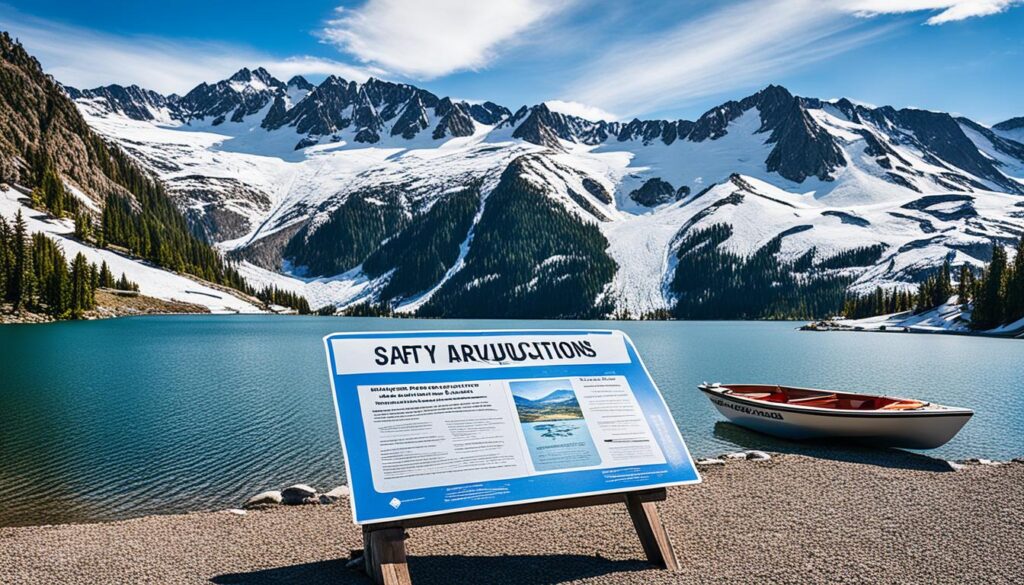
By following these travel safety tips, you can help ensure a safe and enjoyable journey to Switzerland. Remember to always stay alert, be prepared, and enjoy all that this beautiful country has to offer.
Swiss Travel Safety Advice
Switzerland is widely regarded as a safe and peaceful country, though it’s still essential to take basic safety precautions during your travels. Follow these Swiss travel safety tips to help ensure a secure and enjoyable trip:
1. Know the Weather
Switzerland is prone to unpredictable weather changes, especially in mountainous regions. Before embarking on outdoor activities, check weather forecasts and plan accordingly. Bring appropriate clothing and gear, and be prepared for sudden temperature drops and thunderstorms.
2. Stay Alert in Public Places
Switzerland experiences relatively low crime rates, but it’s still important to keep an eye on your surroundings when in crowded areas, public transportation, or popular tourist destinations. Be mindful of pickpocketing and other petty theft.
3. Take Extra Precautions in the Mountains
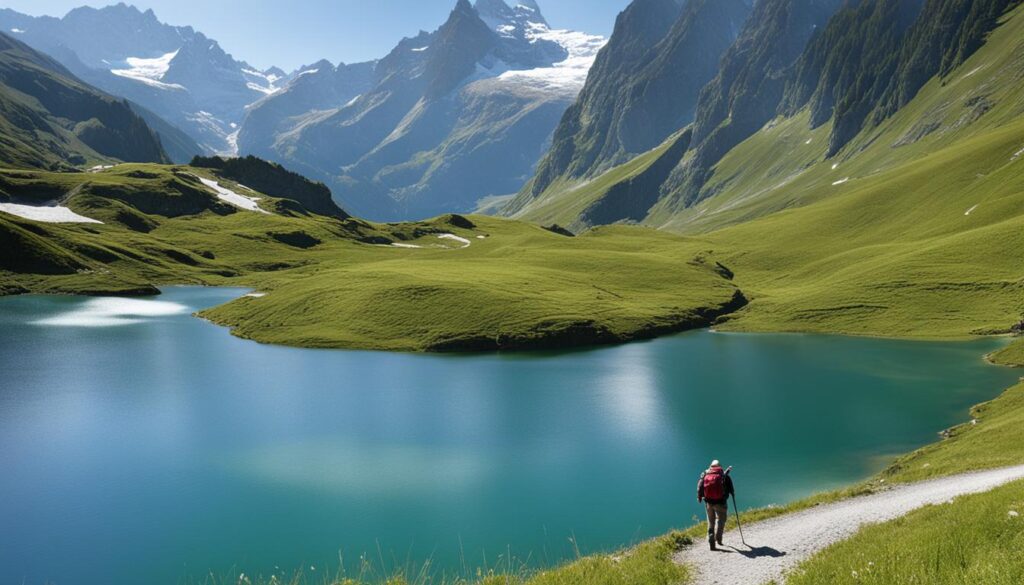
Switzerland is famous for its breathtaking mountain landscapes, but it’s crucial to take extra safety measures when exploring these areas. Make sure to follow marked trails, carry an appropriate map and equipment, and check weather conditions before beginning your hike.
4. Maintain Road Safety
If you’re driving in Switzerland, be aware of the country’s strict traffic regulations and speed limits. Ensure that seatbelts are fastened at all times, and that you have the proper documentation and insurance for your vehicle.
5. Be Respectful of Swiss Culture
Swiss culture places high importance on politeness, punctuality, and cleanliness. Dress modestly when visiting religious sites, avoid using loud voices or making excessive noise, and respect the country’s language policies.
By following these Swiss travel safety recommendations, you can ensure a worry-free trip to one of Europe’s most beautiful destinations.
Safe Travel Destinations in Switzerland
If you’re looking for safe travel destinations in Switzerland, you’ll be glad to know that the country has plenty of options to choose from. Whether you’re interested in exploring the charming cities or breathtaking landscapes, Switzerland offers something for everyone. Here are some of the safest travel destinations in Switzerland:
| Destination | Description |
|---|---|
| Zurich | Switzerland’s largest city offers a perfect blend of cosmopolitan flair and natural beauty. With its well-developed infrastructure and low crime rate, Zurich is one of the safest cities in the world. |
| Bern | The capital city of Switzerland is a UNESCO World Heritage Site, known for its medieval architecture and scenic beauty. With low crime rates and a high standard of living, Bern is an excellent choice for a safe and enjoyable trip. |
| Lake Geneva | This stunning lake is situated on the border of Switzerland and France and is surrounded by picturesque towns and villages. With clean water and well-maintained facilities, it’s a safe and relaxing destination for water sports and outdoor activities. |
| Lausanne | This charming city situated on the shores of Lake Geneva offers a perfect mix of urban and natural attractions. With low crime rates and excellent public transportation, Lausanne is a safe and convenient place to explore. |
| Interlaken | Surrounded by breathtaking mountains and landscapes, Interlaken is a haven for outdoor enthusiasts. With well-maintained trails and facilities, it’s a safe and spectacular destination for hiking, biking, and skiing. |
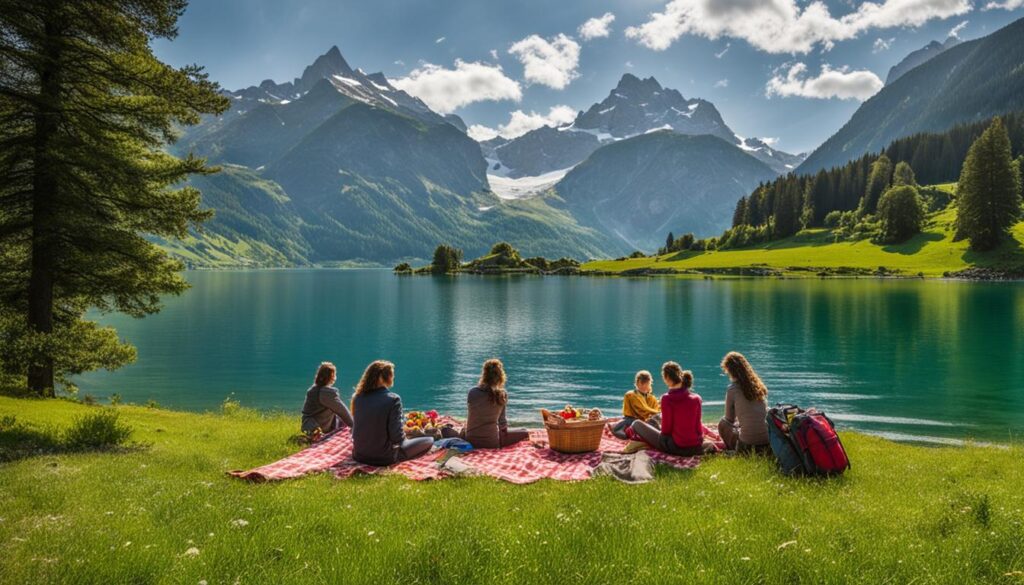
Remember, Switzerland is generally safe for travelers, but it’s always important to take precautions wherever you go. By choosing one of these safe travel destinations in Switzerland, you can enjoy your trip with peace of mind.
Switzerland Travel Warnings
While Switzerland is generally a safe travel destination, it’s important to stay informed about any current travel warnings or advisories. The Swiss government regularly updates their travel advisory list, which can be found on the official federal website. It’s recommended to check the current travel warnings before your trip and stay updated during your stay in Switzerland.
In addition to government advisories, it’s also important to stay aware of current events and local news related to safety concerns. This can include severe weather conditions, transportation disruptions, or political demonstrations.
Tip: You can also register with your embassy or consulate while traveling in Switzerland, so they can contact you in case of an emergency and provide assistance if needed.
It’s important to note that natural hazards, such as avalanches and flooding, can occur in Switzerland’s mountainous regions. It’s recommended to check the current conditions and take precautions when participating in outdoor activities, such as hiking or skiing.
Finally, it’s important to stay vigilant and cautious while traveling anywhere in the world. Keep an eye on your belongings, protect your personal information, and report any suspicious activity to local authorities.

Safety Tips for Public Transportation in Switzerland
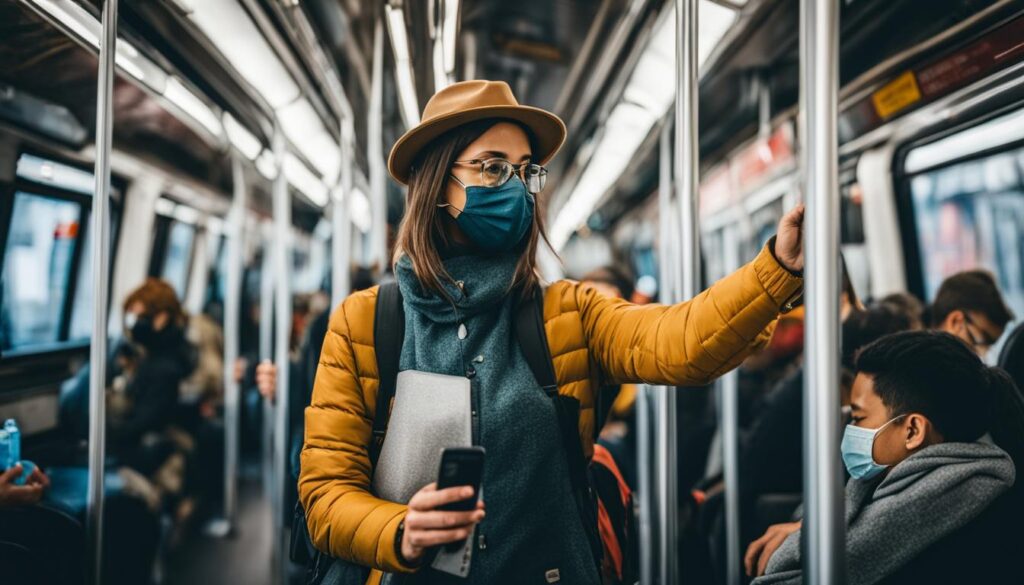
Switzerland is known for its efficient and reliable public transportation system, which includes buses, trains, trams, and boats. While traveling on public transportation, implementing safe travel practices in Switzerland can be crucial to avoid potential risks. Here are some tips that you can follow:
- Be vigilant of your surroundings: When using Swiss public transportation, always be aware of your surroundings. Keep an eye on your belongings and avoid distractions from your phone or other devices.
- Plan ahead: Before traveling, make sure to plan your route in advance and check for any updates or changes to the schedule. It’s also recommended to avoid traveling late at night.
- Use official ticket vendors: Only purchase public transportation tickets from official vendors to avoid buying fake tickets or getting scammed.
- Leave valuables at home: If possible, it’s recommended to leave your valuables at home or in a safe place. If you have to bring them with you, keep them close to you and never leave them unattended.
- Know when to ask for help: If you feel unsafe or uncomfortable while traveling on public transportation, don’t hesitate to ask for help from authorities or transportation staff.
By following these safe travel practices in Switzerland, you can have a secure and stress-free journey on the country’s excellent public transportation system.
The importance of seatbelt safety on Swiss buses
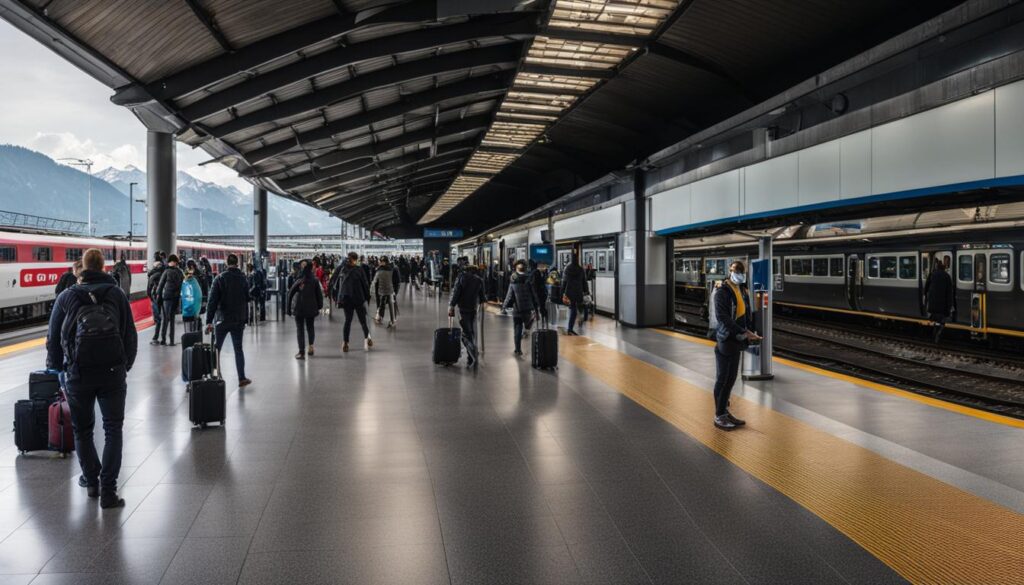
Swiss buses, just like any other transportation vehicles, have seatbelts installed for passengers’ safety. Wearing a seatbelt while traveling on Swiss buses can be essential, considering the region’s winding and narrow roads. According to the Swiss Traffic Safety Council, wearing a seatbelt in a public bus can increase safety up to 80%. Although not all Swiss buses require passengers to wear seatbelts, it is still recommended to buckle up when they are available to ensure optimum safety.
Emergency Services and Medical Care in Switzerland
In case of emergencies or medical issues during your trip to Switzerland, it’s essential to know how to access emergency services and medical care promptly.
Call the Swiss emergency number 112 or 117 for any emergency services, including ambulance, fire, or police. These numbers are free and available 24/7, and the operators speak English.
If you need medical assistance that is not an emergency, you can visit general practitioners or specialists in Switzerland. You can find healthcare facilities near you on the Santesuisse website.
If you are traveling from the United States, consider getting travel insurance to ensure coverage for any unexpected medical costs. You can use websites like Squaremouth or InsureMyTrip to compare travel insurance plans and prices for your trip to Switzerland.
“Switzerland’s health system is one of the best in the world. In general, you have nothing to worry about regarding medical care in this country.”
Currency and Personal Belongings Safety in Switzerland
Switzerland is generally a safe country, but it’s always better to be safe than sorry. Here are some essential safety tips to protect your personal belongings and finances while traveling in Switzerland:
Currency Exchange
When exchanging money in Switzerland, it’s important to use reputable banks or exchange offices. Avoid illegal money changers who may offer better exchange rates but could be fraudsters. Be mindful of ATMs that have been tampered with, and always shield your PIN number when withdrawing cash.
ATM Safety
Switzerland has an extensive network of ATMs, but not all of them are safe to use. When possible, use ATMs located inside banks or shopping centers. Be cautious in crowded areas, and do not accept help from strangers when using an ATM.
Protecting Your Valuables
Switzerland is generally a safe country, but petty theft can happen in busy tourist areas. To protect your valuables, do not leave them unattended in public places. Use a money belt or a secure bag to carry your money and passport, and be mindful of pickpockets in crowded areas.
| Travel Safety Tip | How to Follow It |
|---|---|
| Carry only the essentials | Leave any valuables at home or in a secure hotel safe |
| Copy important documents | Make copies of your passport, travel insurance, and other important documents, and keep them in a safe place |
| Use a money belt or a secure travel bag | Keep your money and passport close to your body at all times, and use a secure bag to avoid petty theft |
| Stay alert in crowded areas | Be vigilant of your surroundings and keep an eye on your personal belongings in busy tourist areas |
By following these safety tips, you can enjoy a worry-free trip to Switzerland.

Weather and Outdoor Safety in Switzerland
Switzerland offers exhilarating outdoor activities for every season, from hiking to skiing. However, sudden weather changes can pose risks for outdoor enthusiasts. Be sure to check weather forecasts before heading out and pack accordingly. It is recommended to dress in layers so you can adjust your clothing as the weather changes.
Always inform someone of your itinerary, including your route and estimated time of return. If you plan on hiking or skiing alone, it’s a good idea to invest in a personal locator beacon (PLB) or rent one from an outdoor store.
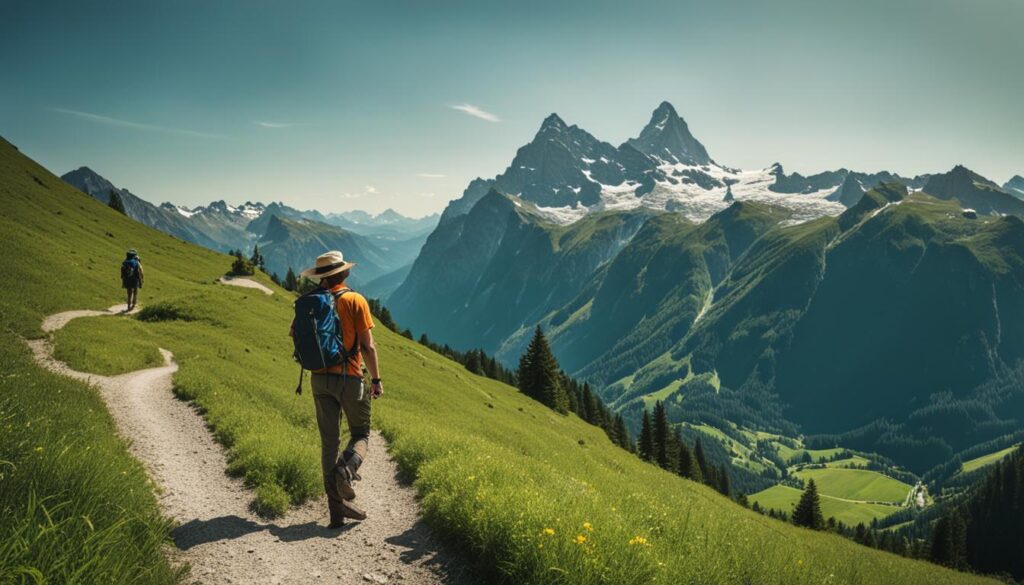
When hiking, stick to marked trails and avoid steep or slippery paths. In winter, always check avalanche warnings and hire a certified guide if you plan on skiing off-piste. Moreover, never underestimate the power of the elements, especially in the mountains.
To ensure your safety during water activities, always wear a life jacket and be aware of the water conditions.
Remember, safe travel practices in Switzerland depend on being informed, prepared, and respectful of the natural surroundings.
Cultural Etiquette and Safety in Switzerland
Switzerland is a country rich in culture and traditions. While traveling in this beautiful country, it’s essential to understand the cultural etiquette to ensure a safe and respectful trip. Here are a few aspects to consider:
Clothing and Appearance
Swiss people usually dress conservatively, and it’s the same for travelers, particularly when visiting religious sites, rural areas, or fancy restaurants. Avoid flashy and revealing clothes. Wearing shoes inside people’s homes is not acceptable in Switzerland, so take them off at the entrance, unless advised otherwise by your host.
Greetings and Language
The Swiss usually greet each other with a handshake, irrespective of gender. When meeting someone new, always address them with their respective titles, such as “Herr” for a man and “Frau” for a woman, followed by their last name.
The official languages in Switzerland are German, French, Italian, and Romansh. However, English is widely spoken in all major tourist areas and large cities. Regardless, learning a few words in the local language, such as “Bonjour” or “Grüezi” (hello) and “Merci” or “Danke” (thank you), can go a long way in building a positive rapport with locals.
Tipping and Payments
In Switzerland, it’s customary to tip between 5 to 10% of the bill’s total amount, depending on the service quality. However, it’s best to check whether the tip is already included in the bill. When paying with cash, round up the amount to the nearest franc. The Swiss prefer cash payments over card transactions for small transactions.
Table Manners
The Swiss are particular about table manners, so it’s crucial to follow them. When eating, keep your hands on the table and never on your lap. Knife and fork are to be used simultaneously at all times while eating. Direct eye contact shows respect, but never stare. Also, never blow your nose at the table.
Overall Safety Considerations
Switzerland is considered a relatively safe country. However, as a traveler, you should always be cautious and aware of your surroundings, especially when traveling alone at night. Avoid leaving your valuables unattended in public places. In case of an emergency, dial 112 for police, 117 for fire, ambulance, and rescue, or 118 for air rescue.
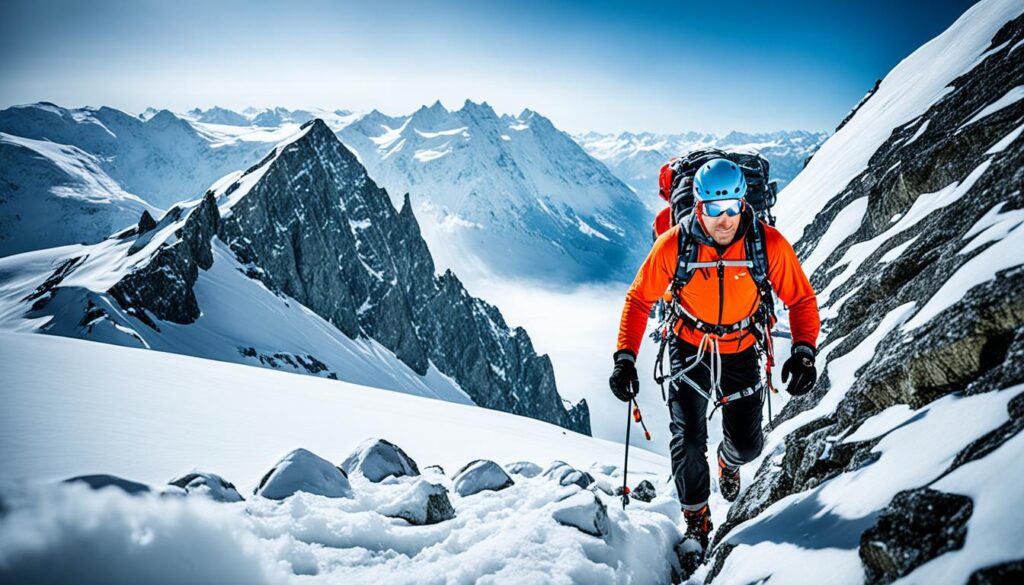
“Travel makes one modest. You see what a tiny place you occupy in the world.” – Gustave Flaubert
Transportation Safety in Switzerland
Switzerland has a well-developed transportation system, but accidents can still happen. To ensure that your travels are safe, follow these essential transportation safety guidelines:
- Always wear a seatbelt or helmet, depending on the mode of transportation.
- Observe speed limits and traffic signals.
- Be alert and follow traffic rules, paying attention to signs and road markings.
- Exercise caution when driving in the mountains or during inclement weather.
- Carry your driver’s license, insurance papers, and rental agreements with you at all times.
- Stay aware of bicyclists and pedestrians.
- When cycling, wear a helmet and have reflectors on your bike.
In addition, Switzerland has an extensive network of trails for hiking and walking. Refer to signage and stay on designated paths to avoid getting lost or injured. If you decide to hike or bike in the mountains, make sure you are well-prepared with proper equipment and clothing. Switzerland’s stunning landscapes are worth exploring, but it’s important to prioritize your safety.
Finally, if you plan to rent a car, make sure you are familiar with Swiss traffic regulations, including right-of-way and parking restrictions. Switzerland has stringent laws against drunk driving, using a mobile phone while driving, and speeding. Adhere to these guidelines to ensure a safe and stress-free journey.
Conclusion
In conclusion, Switzerland is generally considered a safe travel destination with breathtaking landscapes and a high standard of living. By following the safety precautions and advice provided in this guide, you can have an enjoyable and secure trip to this beautiful country.
It’s important to stay aware of any current travel warnings or advisories and to take necessary safety measures when using public transportation, handling currency and personal belongings, and participating in outdoor activities. Understanding Swiss cultural etiquette and behavior expectations can also contribute to a respectful and safe travel experience.
Overall, traveling to Switzerland can be a wonderful adventure, and with proper preparation and caution, you can have a memorable and safe trip. So, to answer the question, “Is Switzerland safe to travel to?” – the answer is yes, as long as you adhere to the safety recommendations and best practices outlined in this guide.