Eco-Friendly Winter Travel Tips for Sweden
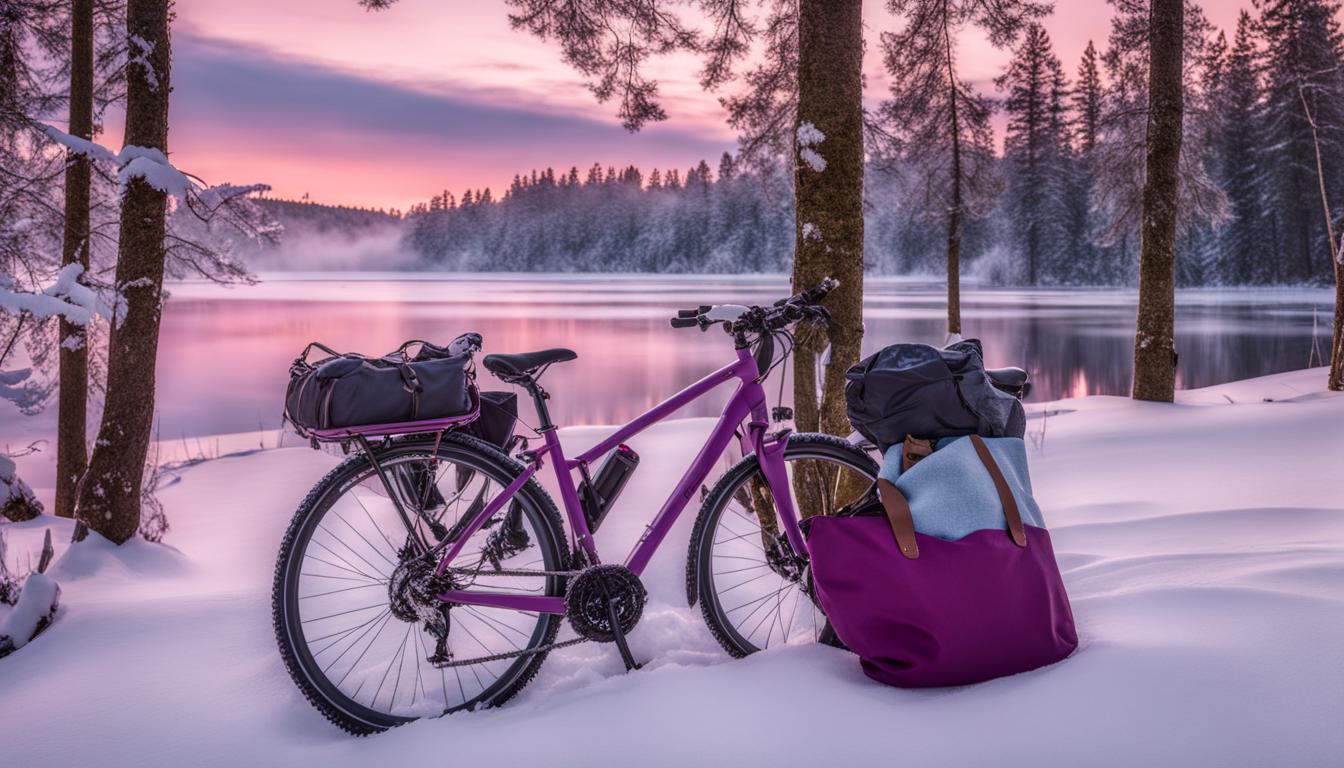
If you’re planning a winter trip to Sweden, it’s essential to know how to travel sustainably and have an eco-friendly adventure. This article is your go-to guide for eco-conscious travel in Sweden. Discover winter travel tips for Sweden, eco-friendly travel options, sustainable activities, and accommodations for a green journey.
Sweden is renowned for its stunning winter landscape, where you can enjoy snowy forests, icy lakes, and the mesmerizing Northern Lights. However, traveling during winter demands extra consideration for the environment.
How to travel sustainably in Sweden during winter? Continue reading to learn more about eco-friendly travel in Sweden and how you can make a positive impact while enjoying your winter vacation.
Sustainable Transportation in Sweden
When traveling in Sweden during winter, it is crucial to opt for sustainable transportation options that minimize your carbon footprint. Choose eco-friendly transportation modes such as trains, public buses, and shared rides, which significantly reduce emissions compared to individual cars.
An excellent sustainable transportation option in Sweden is the train. Its extensive network covers most tourist destinations, and it runs on clean energy. Consider riding the overnight train to save on accommodation while limiting emissions.
The public bus service, operated by Sveriges Bussföretag, also utilizes renewable energy sources and offers efficient and comfortable rides that are both cost-effective and environmentally friendly.

Another sustainable transportation option is shared rides. Many startups and apps offer carpooling services, such as BlaBlaCar, that connect drivers heading in the same direction with passengers. This not only mitigates your carbon footprint but also fosters a sense of community and camaraderie among travelers.
Planning Efficient Transportation Routes
In addition to choosing sustainable transportation options, planning your transportation routes is key to reducing emissions. Consider investing in an itinerary planner app that factors in public transportation schedules and offers optimized routes to your destination.
When exploring the city, consider using bicycle rentals instead of cars or buses. Not only does this reduce pollution and traffic congestion, but it also provides an opportunity to experience the city on a more intimate level.
Environmentally Friendly Activities in Sweden
If you’re visiting Sweden during the winter season and want to engage in environmentally friendly activities, you’re in luck. Sweden offers a range of sustainable and eco-conscious options to enjoy the winter landscape while minimizing your carbon footprint. From experiencing the breathtaking Northern Lights to dog sledding adventures, here are some of the best eco-friendly activities in Sweden for sustainable winter travel:
| Activity | Description |
|---|---|
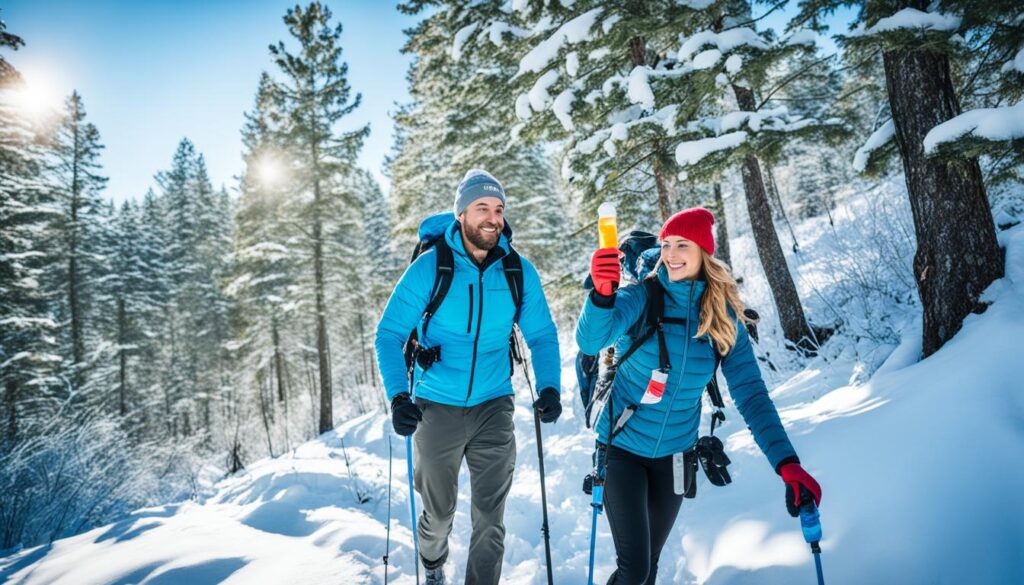
| Ecological Snowshoeing Tour | Take an ecological snowshoe tour with Eco Visit and learn about the traditional Sami culture while exploring nature in a sustainable way. |
| Northern Lights Safari | Experience the beauty of the Northern Lights on a guided tour with a focus on sustainable travel practices. Choose operators that prioritize eco-friendliness, such as Lights Over Lapland. |
| Dog Sledding Tour | Embark on a dog sledding adventure with companies like Fjälläventyr in Jämtland Härjedalen. These tours prioritize animal welfare and use eco-friendly transportation practices. |
| Cross-Country Skiing | Explore Sweden’s winter landscape on cross-country skis. Choose eco-conscious tour operators like Basecamp Explorer and use sustainable gear made from recycled materials. |
| Wildlife and Nature Tours | Engage in responsible wildlife activities with companies such as Wild Sweden, which prioritizes animal welfare and sustainable travel practices. |
When engaging in these or other environmentally friendly activities in Sweden, it’s important to do so responsibly. Choose eco-friendly tour operators that prioritize sustainable practices, be respectful of nature and wildlife, and follow Leave No Trace principles. By doing so, you can enjoy a sustainable and eco-conscious winter travel experience in Sweden.
Sustainable Accommodations in Sweden
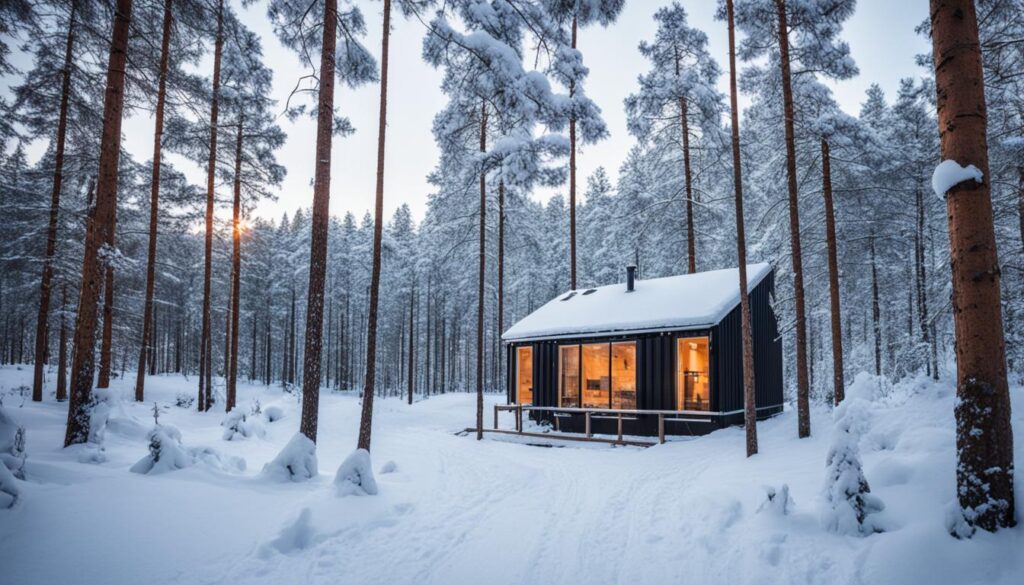
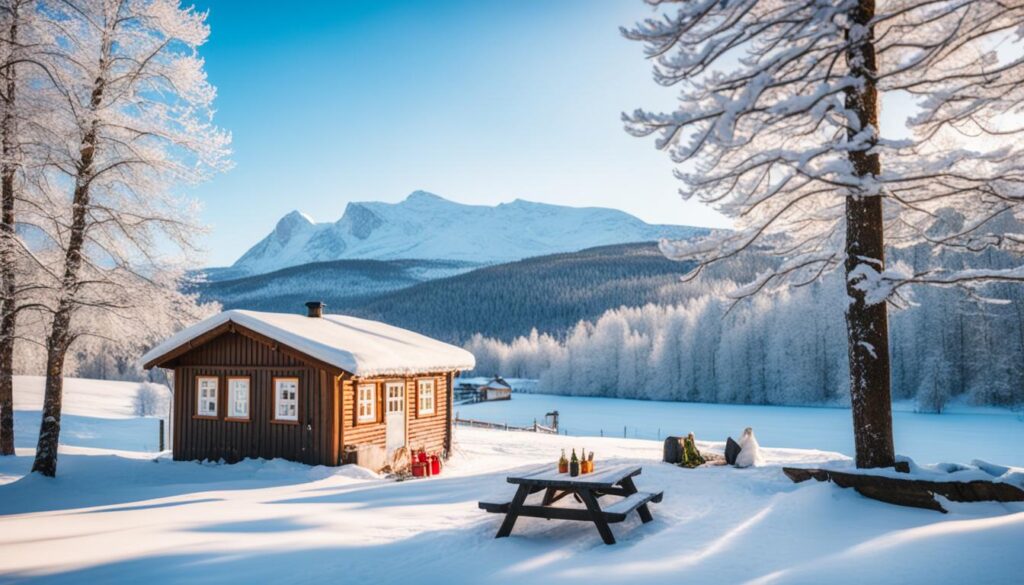
When it comes to eco-friendly travel in Sweden, choosing sustainable accommodations is crucial. Fortunately, Sweden offers a range of eco-friendly hotels, lodges, and cabins that prioritize sustainable practices to help you reduce your carbon footprint.
When selecting sustainable accommodations for your winter trip, consider factors such as energy efficiency, waste reduction, and environmental certifications. Many eco-friendly accommodations use renewable energy sources such as wind and solar power to reduce their impact on the environment. Some even have composting and recycling programs to minimize waste.
Eco-Friendly Hotel
If you’re looking for an eco-friendly hotel in Sweden, consider the Hotel Tylösand in Halmstad. The hotel has implemented a range of sustainable practices such as using certified, organic cotton bedding and Air-to-Water heat pumps to reduce energy consumption. They also have a “Green Room” option that features organic and locally sourced amenities and furnishings.

Eco-Lodge
For a rustic eco-lodge experience, consider staying at the Kolarbyn Eco-Lodge in Skinnskatteberg. This unique eco-lodge consists of twelve huts made entirely out of natural materials such as wood and moss. They also have outdoor composting toilets and encourage guests to chop wood and participate in other sustainable activities during their stay.
Eco-Friendly Cabin
If you’re traveling with a group or family, renting an eco-friendly cabin can be a great option. The Idre Fjäll resort in Dalarna offers a range of environmentally friendly cabins that use geothermal heating and water-saving devices to reduce energy consumption. They also have recycling stations and encourage guests to bring their own linens to minimize waste.
Booking Tips
When booking sustainable accommodations in Sweden, look for hotels and lodges with environmental certifications such as the Nordic Swan Ecolabel or the EU Ecolabel. These certifications ensure that the accommodations meet high standards of sustainability and have been independently verified. You can also look for accommodations that are part of eco-tourism organizations such as Nature’s Best or Ecotourism Sweden.
Remember, choosing sustainable accommodations is an important step in reducing your impact on the environment during your winter travels in Sweden.
Packing Sustainably for a Winter Trip to Sweden
When traveling sustainably in Sweden during the winter season, packing sustainably is crucial. Not only will it help reduce your environmental impact, but it will also lighten your load and make your journey more comfortable. Here are some tips on how to pack sustainably for a winter trip to Sweden:
1. Choose Eco-Friendly Winter Clothing Options
When packing for a winter trip to Sweden, it’s important to choose eco-friendly clothing options. Look for clothing made from sustainable materials such as organic cotton, hemp, or recycled polyester. Opt for warm and durable pieces that can withstand the cold Swedish winter. Also, consider packing layers, so you can adjust your clothing to changing temperatures.
2. Pack Reusable and Biodegradable Toiletries
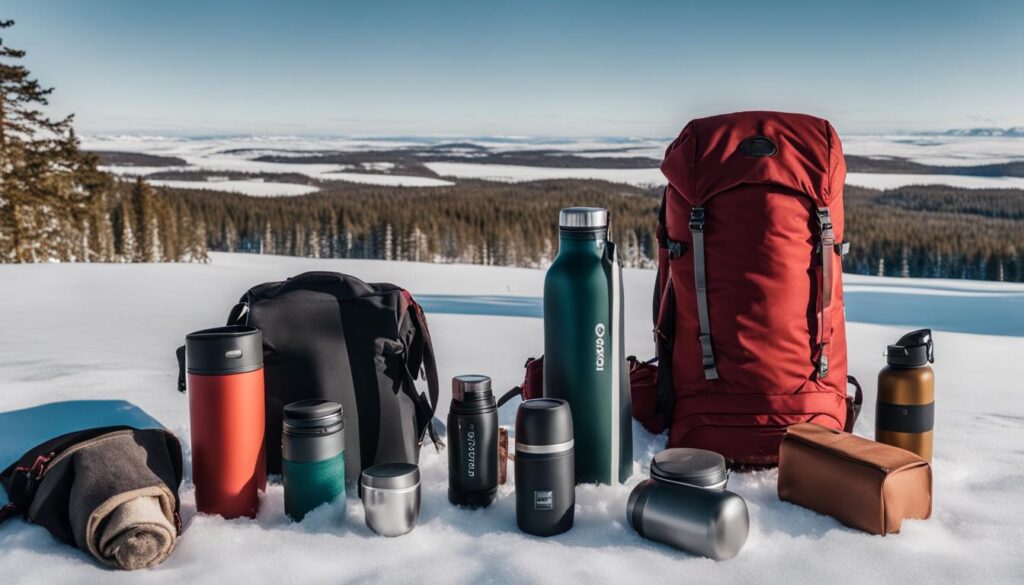
Instead of buying travel-sized toiletries that will contribute to waste, pack reusable and biodegradable options. Consider purchasing a solid shampoo bar, a bamboo toothbrush, and a reusable razor instead of single-use items. These items are eco-friendly, and they take up less space in your luggage.
3. Use Sustainable Packing Practices
When packing for a winter trip to Sweden, be mindful of the environmental impact of your packing practices. Use a sustainable suitcase or backpack made from materials like recycled plastic or canvas. Also, avoid using plastic bags and instead opt for reusable cloth bags to separate and organize your items.
“Packing sustainably for a winter trip to Sweden is not only eco-friendly, but it also makes your journey more comfortable.”
By following these tips, you can pack sustainably for a winter trip to Sweden. By choosing eco-friendly winter clothing options, reusable toiletries, and sustainable packing practices, you can reduce your environmental impact without compromising your comfort.
Choosing Sustainable Winter Gear
When planning your eco-friendly travel in Sweden during winter, don’t forget to choose sustainable winter gear. The right clothing and equipment not only keep you warm and comfortable, but also have a positive impact on the environment. Consider these tips for selecting sustainable winter gear:
- Opt for sustainable materials: Look for winter gear made from sustainable materials such as recycled polyester, organic cotton, and natural wool. These materials have a lower impact on the environment compared to traditional synthetic materials.
- Rent or borrow gear: If you only need winter gear for a short period, consider renting or borrowing from a friend. Not only does this reduce waste, but it’s also a cost-effective solution.
- Choose quality over quantity: Invest in high-quality winter gear that will last for years rather than buying lower quality items that need to be replaced frequently. This not only reduces waste, but also minimizes your carbon footprint.
When selecting winter gear, keep in mind that some items have a larger environmental impact than others. For example, winter jackets made from natural down may not be the most sustainable option as it requires killing the birds to obtain it. Consider synthetic down or other alternative materials, and buy from brands that prioritize sustainable and ethical manufacturing practices.
Sustainable Winter Clothing Materials Comparison Table
| Material Type | Description | Environmental Impact |
|---|---|---|
| Recycled Polyester | Made from recycled plastic bottles and requires less energy to produce than traditional polyester. | Low |
| Organic Cotton | Grown without the use of chemicals and pesticides, which reduces pollution and conserves water. | Low |
| Natural Wool | Sustainably sourced wool is biodegradable, renewable, and requires less energy to produce than synthetic materials. | Medium |
| Synthetic Down | Made from recycled plastic and mimics the insulating properties of natural down. Does not require killing birds. | Medium |

“Choosing sustainable winter gear doesn’t have to be difficult. By opting for eco-friendly materials, renting or borrowing gear, and investing in high-quality items, you can have a positive impact on the environment while staying warm and comfortable.”
Minimizing Energy Consumption in Accommodations
If you want to travel sustainably in Sweden and reduce your environmental impact, it’s essential to be mindful of your energy consumption. Here are some tips on how to minimize energy usage in your winter accommodations:
- Turn off lights and heating when not in use.
- Utilize natural light instead of electric lights during the day.
- Insulate drafty windows and doors to help retain heat.
- Choose energy-efficient accommodations that use renewable energy sources.
By reducing your energy consumption, you can lower your carbon footprint and contribute to a cleaner environment. Remember, small changes in your daily habits can make a big impact in the long run.
“The greatest threat to our planet is the belief that someone else will save it.” – Robert Swan
Supporting Local and Sustainable Food Options
Exploring local and sustainable food options is an excellent way to experience Sweden’s culinary scene while supporting eco-friendly travel. Not only does it help reduce your carbon footprint, but it also promotes sustainable tourism in local communities.
Sourcing seasonal, organic, and locally grown produce reduces transportation emissions, supports local farmers, and provides a healthier and tastier option for your meals.
During your winter trip to Sweden, try visiting farmers’ markets or choosing restaurants that prioritize sustainable dining practices and use locally sourced ingredients. Look for organic and vegetarian options, and try regional specialties that feature locally sourced and culturally significant ingredients.
As you explore Swedish cuisine, remember to reduce waste by avoiding single-use plastics and packaging. Bring your reusable water bottle and shopping bags to reduce your environmental impact.
Here are some tips for finding sustainable and local food options in Sweden:
| Tip | Details |
|---|---|
| Visit Farmer’s markets | Explore local vendors and taste fresh produce. |
| Choose organic restaurants | Look for restaurants that prioritize organic ingredients and sustainable practices. |
| Try vegetarian and vegan options | Many restaurants offer delicious meat-free options that are both sustainable and healthy. |
| Sample regional specialties | Try culturally significant dishes that feature locally sourced ingredients. |
| Avoid single-use plastics | Reduce waste by bringing your reusable water bottle and shopping bags. |
Participating in Responsible Wildlife Activities
Sweden has a myriad of wildlife activities that are environmentally friendly and enriching. It is important to participate in responsible wildlife activities that prioritize animal well-being and conservation, nature protection and fall within legal boundaries.
While participating in these activities, take note of the impact you have on nature and the environment and make sure it is sustainable. It is essential to avoid any activities that endanger animal welfare, disturb their natural habitat, or threaten their existence.
Below are some eco-conscious activities to consider or participate in during your visit to Sweden:
Dog Sledding
This is a popular winter activity in Sweden, where visitors can actively participate in driving a team of huskies across breathtaking white snowscapes. Select providers of dog-sledding activities prioritize the welfare and health of their dogs, offer training about the dogs and the activity, adhere to local guidelines and laws, and use safe and environmentally friendly paths.
Wildlife Safaris
Sweden offers guided tours to national parks where you can view Swedish wildlife in their natural habitats, from arctic foxes, moose, and reindeer to bears and wolves. It is essential to participate in safaris that operate with trained and qualified guides who have an environmentally friendly focus on nature and wilderness protection concerns. It is also crucial to carry out these activities in ways that do not harm or threaten the animals or their habitats.
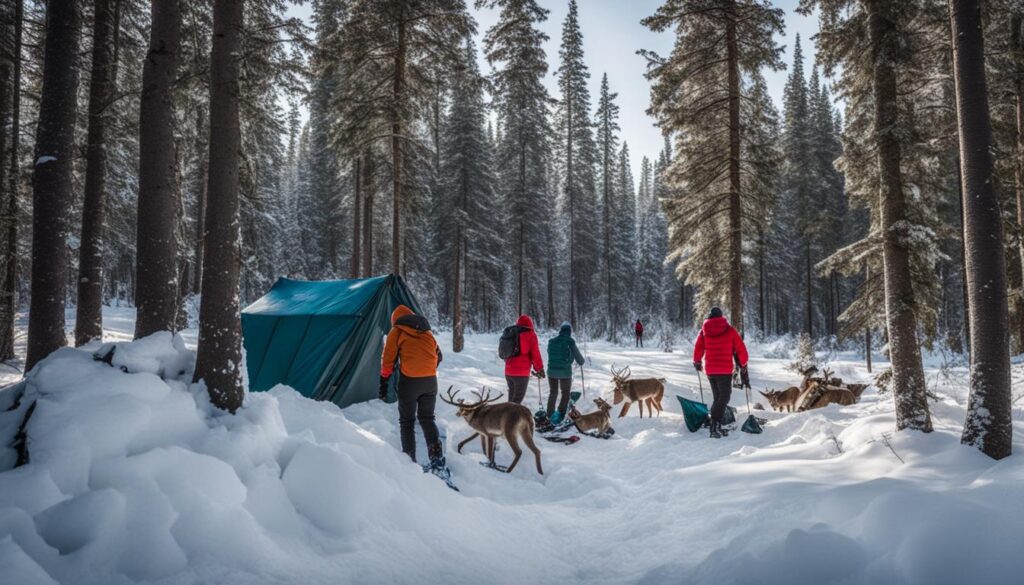
“Sweden’s beautiful wildlife is a gem to behold and protect. We can promote sustainability and be responsible tourists by respecting the animals and nature while enjoying our activities.”
In conclusion, participating in ecologically responsible wildlife activities offers opportunities to conserve and enjoy Sweden’s rich biodiversity. Always undertake these activities with reputable providers that prioritize animal welfare and consider the environment. Embrace the sustainable practices we have discussed in the previous sections and make a positive impact on your environment, Sweden’s wildlife eco-system, and local communities.
Supporting Local Communities and Artisans
Exploring local communities and supporting local artisans is a fantastic way to experience eco-friendly travel in Sweden. Not only does it help reduce your carbon footprint, but it also boosts local economies and preserves traditional knowledge and practices. When you support local communities and artisans, you’re making a significant impact on the environment and people’s lives.
Buying Locally Made Products
When traveling sustainably in Sweden, consider purchasing locally made products instead of mass-produced souvenirs. Buying handmade items such as artwork, textiles, and traditional handicrafts supports local economies while also promoting eco-conscious tourism. Moreover, these items contribute to the cultural identity of Sweden’s communities and enrich your travel experience.
“Buying locally made products supports the local economy and promotes sustainable travel, but it also provides a unique opportunity to bring home a piece of Sweden’s culture and heritage.”
Engaging with Local Communities
Interacting with local communities is an excellent way to learn about their traditional practices, culture, and values. When visiting local communities during your eco-friendly travel in Sweden, make sure to engage respectfully and responsibly. Ask questions, participate in local activities, and be open to learning. Supporting local initiatives, such as farmer’s markets, cultural festivals, or community-led projects, helps to preserve essential social and environmental elements of Sweden’s diverse heritage and culture.
Supporting Local Communities and Artisans
| Benefits of Supporting Local Communities | Benefits of Supporting Local Artisans |
|---|---|
| Boosts local economy | Preserves traditional knowledge and craftsmanship |
| Reduces environmental impact | Promotes sustainable tourism |
| Enriches travel experience | Supports small businesses and livelihoods |
In conclusion, visiting and supporting local communities and artisans are significant steps towards eco-friendly travel in Sweden. Not only does it minimize your environmental impact, but it also enriches your travel experience and helps preserve Sweden’s unique culture and heritage. Make sure to explore and engage meaningfully with local communities and artisans during your winter trip to Sweden.
Promoting Waste Reduction and Recycling
During your winter travel to Sweden, you can make a significant impact by reducing waste and promoting recycling. By taking some simple steps, you can help preserve the pristine environment of Sweden and make your trip more eco-friendly. Here are some tips on minimizing waste:
- Pack reusable water bottles instead of disposable ones.
- Carry a reusable bag to avoid using plastic bags.
- Use eco-friendly toiletries such as shampoo bars and toothpaste tablets.
- Switch off lights, heating, and electronics when not in use to save energy.
- Dispose of waste in designated recycling bins, following the proper guidelines.
- Donate or recycle any gear, clothing, or equipment that you don’t need after your trip.
To encourage responsible waste management and recycling, many accommodations in Sweden have adopted sustainable practices such as composting food waste and promoting recycling. Keep an eye out for these eco-friendly accommodations and support them during your stay.

Remember, every small step counts towards sustainable travel. By adopting these practices, you can become a responsible traveler and make a difference in preserving Sweden’s natural beauty.
Conclusion
Now that you have learned about eco-friendly winter travel tips for Sweden, you can plan your sustainable journey with ease. Remember to prioritize sustainable transportation, accommodations, and activities to minimize your environmental impact. Pack sustainably, minimize energy consumption, and support local communities for a truly eco-conscious travel experience.
By making small changes in your travel behavior and choices, you can reduce your carbon footprint and contribute to a healthier planet. Sustainable travel not only benefits the environment but also supports local economies and promotes responsible tourism.
So, gear up for an unforgettable winter adventure in Sweden while respecting the planet. Have a safe and sustainable trip!