Your Guide to the Best Times to Visit Nairobi
Are you planning a trip to Nairobi, Kenya, but unsure when to go? Nairobi offers a mix of city life and wildlife adventures all year. But, does the time of year you visit really make a difference in your travel experience?
Nairobi’s high altitude of 5450 feet means mild temperatures all year. This makes it a great spot for travelers looking for a comfortable climate. Knowing the Nairobi travel seasons can help you enjoy your trip more. Whether you want to see wildlife, attend cultural events, or explore the city.
Understanding Nairobi’s Climate and Seasons
Planning a trip to Nairobi? Knowing its climate is key. Nairobi’s weather is mild all year due to its location and high altitude.
Nairobi’s Unique Equatorial Climate
Nairobi’s climate is shaped by its equatorial location and high altitude. This keeps the temperature mild all year.
Altitude Effects on Temperature
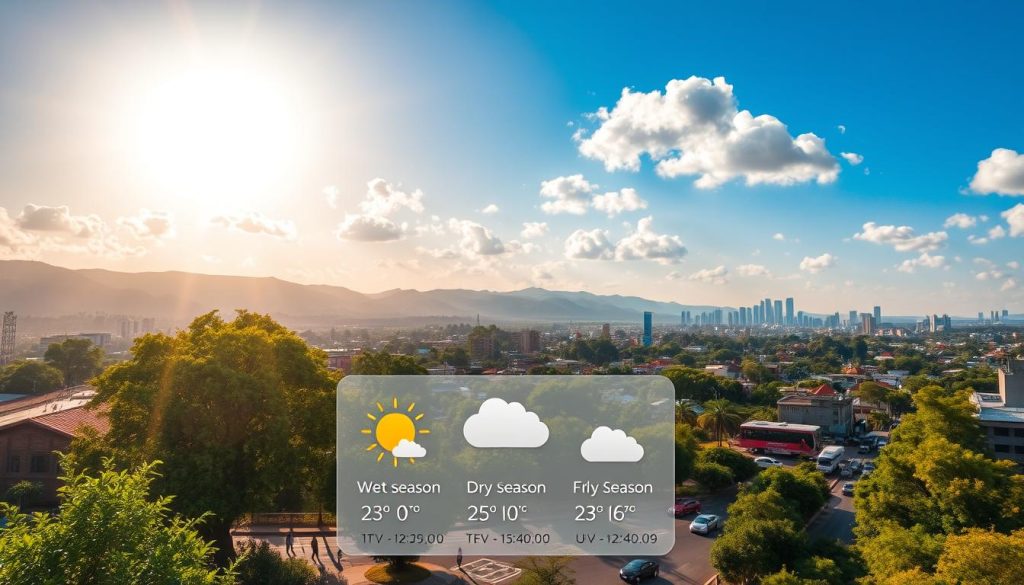
Nairobi’s high altitude makes its climate temperate. Temperatures range from 55°F to 77°F (13°C to 25°C).
Daily Temperature Fluctuations
Day and night temperatures in Nairobi can vary a lot. Even in warmer months, nights can get chilly.
The Two Rainy Seasons
Nairobi has two rainy seasons. Knowing these can help plan your trip better.
Long Rains (March-May)
The long rains start in mid-March and last until May. Expect lots of rain during this time.
Short Rains (October-December)
The short rains are from late October to December. Rain is less intense, but still prepare for it.
Temperature Variations Throughout the Year
| Month | Average High (°F) | Average Low (°F) |
|---|---|---|
| January | 75 | 55 |
| July | 70 | 50 |
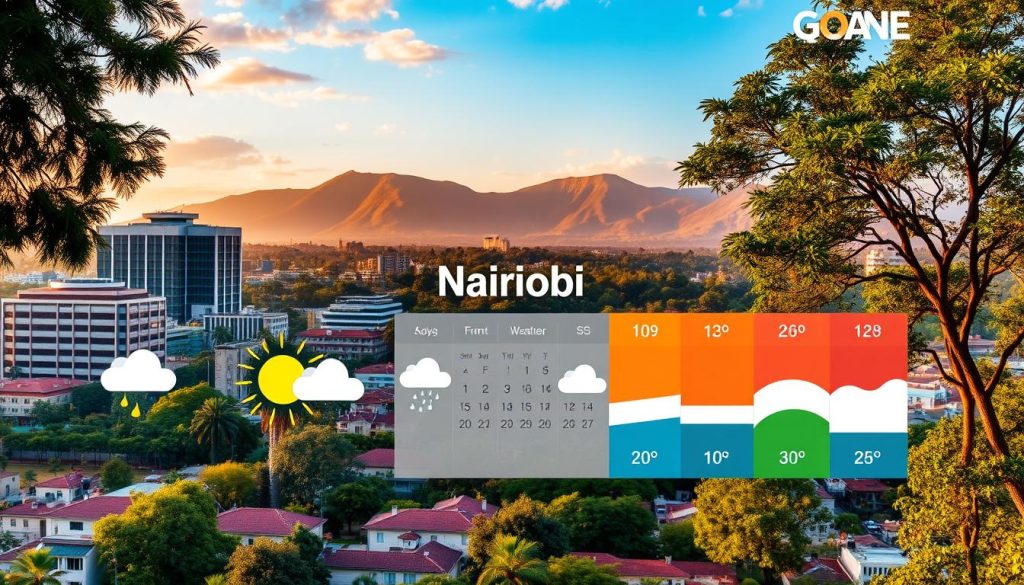
Understanding Nairobi’s climate and seasons helps plan your trip. You’ll enjoy everything the city offers.
What Are the Best Times of Year to Visit Nairobi?
The best times to visit Nairobi are influenced by its unique climate and seasonal changes. Nairobi has two rainy and two dry seasons. This makes some times better for visits than others.

Peak Season (June to September)
The peak season in Nairobi is from June to September. It’s considered one of the best times to visit. During this time, you’ll enjoy comfortable weather conditions and excellent wildlife viewing opportunities.
Wildlife Viewing Advantages
The dry conditions in the peak season make it easier to see wildlife. Animals gather around water sources, which is great for safari-goers.
Comfortable Weather Conditions
The weather is cool and dry during this time. It’s perfect for outdoor activities like hiking and sightseeing.
Shoulder Seasons (January to February)
The shoulder seasons, from January to February, offer good weather and fewer crowds. It’s a great time to visit if you prefer less crowded places.
Balancing Good Weather and Fewer Crowds
In January and February, Nairobi has dry and warm weather. It’s an excellent time to see popular attractions without the crowds.
Off-Peak Season (March to May, October to December)
The off-peak season, from March to May and October to December, has rainfall. But, there are still good reasons to visit.
Dealing with Rainfall
Visitors should be ready for rain showers and possible disruptions. But, the rain also makes the landscapes lush and green, making it a beautiful time to visit.
Benefits of Visiting During Low Season
Visiting Nairobi during the off-peak season can be more budget-friendly. You’ll find lower prices for accommodations and tourist services.
Month-by-Month Guide to Nairobi’s Weather
Nairobi’s weather changes a lot throughout the year. Knowing this helps you plan your trip better. You can pick the right activities, pack the right clothes, and enjoy your visit more.
January to March: Warm and Increasingly Wet
In the first three months, Nairobi goes from dry to wet.
January’s Dry Conditions
January is dry, with little rain. It’s great for outdoor fun like safaris and city tours.
February’s Transition
February starts to get wetter, with warmer temperatures and more humidity. It’s still mostly dry, but you might see some short rains.
March’s Early Rains
March brings the long rains, making it wetter. The city looks beautiful, green and lush.
April to June: The Long Rains and Cooling Down
The second quarter is rainy, changing the weather a lot.
April’s Peak Rainfall
April is the wettest month, with lots of rain and cooler air. It’s a good time for indoor fun.
May’s Continued Precipitation
May also has a lot of rain, but it might be a bit less than April. The city’s plants are at their best then.
June’s Drying Trend
By June, the rain starts to go away, and the weather gets clearer. It’s mild, making it easy to explore Nairobi.

July to September: Cool and Dry Season
This time is cool and dry, perfect for many activities.
July and August’s Coolest Temperatures
July and August are the coolest months. They’re great for outdoor fun like hiking and game drives.
September’s Warming Trend
September starts to get warmer, with temperatures slowly rising. It’s still cool, perfect for seeing sights.
October to December: Short Rains and Warming Up
The last quarter brings short rains and gets warmer.
October’s Variable Conditions
October’s weather is unpredictable, with sunny days and short rains. It’s wise to wear layers.
November’s Short Rains
November has short rains, but they’re not as heavy as in April and May. The city’s gardens and parks are stunning then.
December’s Holiday Season
December is warm and dry, making it a favorite time to visit Nairobi, during the holidays.
| Month | Weather Conditions | Activities |
|---|---|---|
| January | Dry and warm | Safaris, city exploration |
| April | Peak rainfall | Indoor attractions |
| July | Cool and dry | Hiking, game drives |
| December | Warm and dry | Holiday celebrations, outdoor activities |
Wildlife Viewing: Optimal Seasons for Safari
Planning your trip to Nairobi? Knowing the best times for wildlife viewing can make your safari better. Nairobi National Park is a top spot for wildlife lovers, with great views all year.
Nairobi National Park Throughout the Year
Nairobi National Park is known for its wide range of wildlife. It offers a unique safari experience. The park’s wildlife viewing changes with the seasons.
Dry Season Wildlife Concentration
In the dry season, animals gather at water sources, making them easier to see. This creates an exciting experience for visitors.
Wet Season Vegetation and Birthing
The wet season brings lush greenery and more newborn animals. It’s the best time to see the park’s life cycle.
The Great Migration Timing
The Great Migration is famous in the Maasai Mara. But knowing when it happens can help plan trips from Nairobi to see it.
Planning Day Trips to Witness Migration
Day trips or longer trips can catch the Great Migration. It peaks between July and October.
Bird Watching Seasons
Nairobi is great for bird watching, with over 400 species. The best times vary with bird migration patterns.
Migratory Species Timing
Migratory birds visit Nairobi from March to May. This is the peak season for them.
Resident Bird Viewing
Nairobi also has many resident bird species. They can be seen all year. The park’s diverse habitats support a rich bird life.
Understanding the best seasons for wildlife and bird watching helps plan your visit. This way, you can enjoy your safari in Nairobi to the fullest.
Cultural Events and Festivals in Nairobi
Nairobi’s calendar is filled with exciting cultural events and festivals. These events showcase the city’s diverse heritage. Whether you’re into music, arts, or cultural celebrations, Nairobi has something for you all year round.
Annual Cultural Celebrations
Nairobi hosts various annual cultural celebrations. These events give a glimpse into Kenya’s rich cultural heritage.
Madaraka and Jamhuri Day Festivities
Madaraka Day, on June 1st, celebrates Kenya’s internal self-rule. Jamhuri Day, on December 12th, marks full independence. These national holidays are celebrated with parades, cultural performances, and festivities across the city.
Cultural Heritage Festivals
Cultural heritage festivals in Nairobi celebrate the city’s diverse cultural landscape. These festivals feature traditional music, dance, and art. They provide a unique insight into Kenya’s cultural identity.
Music and Arts Festivals
Nairobi is known for its vibrant music and arts scene. Numerous festivals take place throughout the year.
Nairobi International Jazz Festival
The Nairobi International Jazz Festival brings together local and international jazz musicians. It offers a platform for musical collaboration and innovation.
Blankets and Wine Events
Blankets and Wine is a popular outdoor music and arts festival. It features live performances, art exhibitions, and a relaxed atmosphere.
Sporting Events
Sporting events are a significant part of Nairobi’s event calendar. They attract both local and international participants.
Nairobi Marathon
The Nairobi Marathon is a major sporting event that takes place annually. It draws runners from across the globe.
Rugby Tournaments
Rugby is a popular sport in Kenya, and Nairobi hosts several rugby tournaments. These tournaments feature local and international teams.
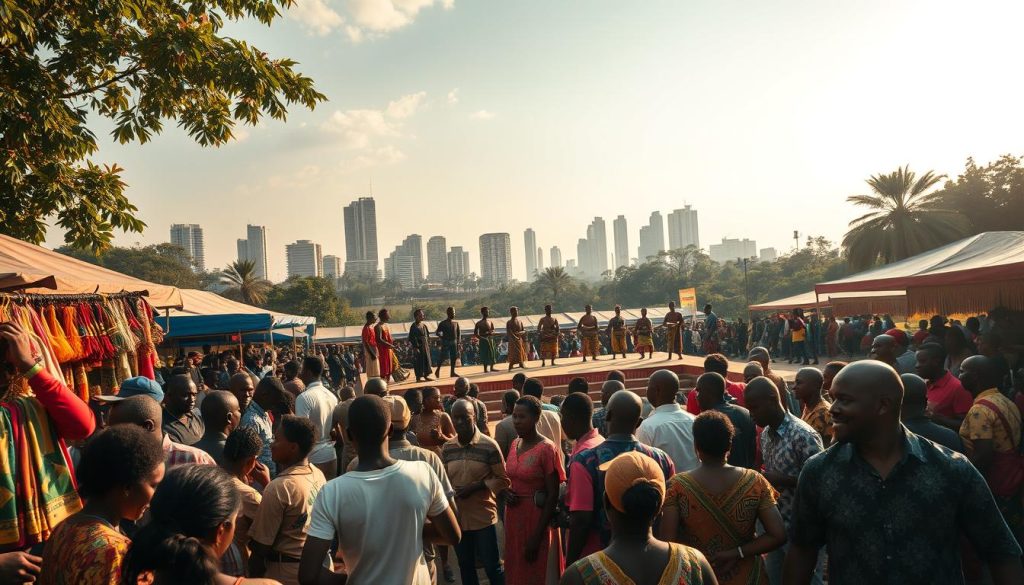
Attending one of these cultural events or festivals can add a unique dimension to your visit to Nairobi. It provides a memorable experience that complements the city’s natural attractions.
Budget Considerations: How Seasons Affect Prices
Planning a budget-friendly trip to Nairobi means looking at how seasons impact prices. Hotel prices in Nairobi stay pretty steady all year. But, prices for tours and activities can change a lot with the seasons.
Peak Season Costs
The peak season, from June to September, brings higher prices for tours and activities. This is because the weather is great for wildlife watching and outdoor fun.
Accommodation Price Increases
Hotel room prices in Nairobi don’t really change with the seasons. But, some luxury lodges and camps outside the city might charge more during peak times.
Tour and Activity Premiums
Safari prices and other activities tend to go up in peak season. This is because more people want to go during this time.
Finding Deals in Shoulder Seasons
The shoulder seasons, from January to February, offer a good mix of weather and cost. You can find deals on tours and activities during this time.
January-February Value Options
January and February have warm weather and fewer crowds. This makes it a great time to get better rates for tours and activities.
Off-Peak Bargains
Traveling in the off-peak season, from March to May and October to December, can save you a lot. Many tour operators give discounts to draw visitors during the rainy seasons.
Rainy Season Discounts
Expect discounts on tours and activities during the rainy seasons. Some tour operators offer packages that include several activities at a lower cost.
Negotiating Better Rates
In the off-peak season, you can negotiate better prices with tour operators and lodges. This is because there are fewer visitors.
| Season | Tour/Activity Prices | Accommodation Prices |
|---|---|---|
| Peak (June-Sept) | High | Stable |
| Shoulder (Jan-Feb) | Moderate | Stable |
| Off-Peak (Mar-May, Oct-Dec) | Low | Stable/Discounted |
Best Times for Different Types of Travelers
Traveling with family, solo, in luxury, or for business? Knowing when to visit Nairobi can make your trip better. The city is great all year, but the best time depends on your travel style.
Family Travel with Children
Plan your Nairobi trip during school holidays for families. The city has lots of outdoor fun and places kids love.
School Holiday Timing
In Kenya, school breaks are in April, August, and December. These times are good if you’re traveling with kids.
Kid-Friendly Weather Conditions
The dry seasons, from June to September and January to February, are perfect for kids. Avoid the rainy seasons for better weather.
Solo Travelers and Backpackers
Solo and backpacker travelers seek lively scenes and deals. Nairobi has these all year.
Social Scene Throughout the Year
Nairobi’s social scene is always buzzing. Music and arts festivals are great for meeting others.
Budget-Friendly Seasons
The shoulder seasons (January to February and November to December) are best for budget travelers. They offer nice weather and lower prices.
Luxury Travelers
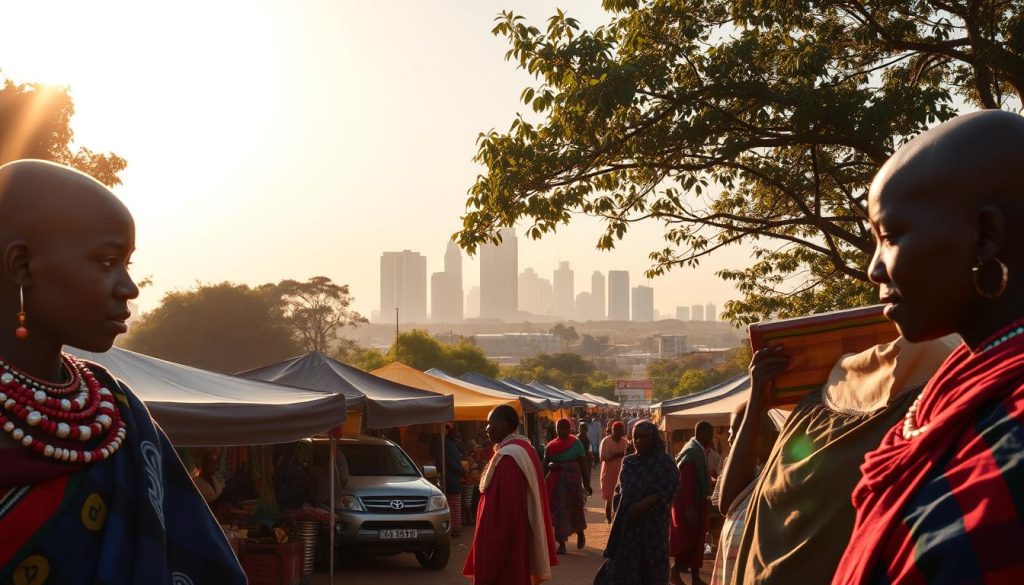
Luxury travelers find exclusive experiences in Nairobi all year. Some seasons offer special opportunities.
Exclusive Experiences by Season
The dry season is great for luxury safaris and outdoor fun. The rainy season provides a peaceful stay at luxury lodges.
Business Travelers
Business travelers should think about the conference season when planning.
Conference Season Considerations
Nairobi has many international conferences, mainly in the dry seasons. These times are busy, so book early for travel and stays.
Health and Safety Considerations by Season
When planning a trip to Nairobi, knowing about health and safety is key. The weather in Nairobi can affect your health and safety. It’s important to stay informed.
Rainy Season Health Tips
In the rainy season, protecting yourself from mosquitoes is crucial. Mosquito-borne illness prevention is essential.
Mosquito-Borne Illness Prevention
Use mosquito repellents and wear protective clothes. Make sure your place to stay is mosquito-proof.
Dealing with Flooding
Prepare for flooding by keeping up with weather forecasts. Have a plan for emergencies.
Dry Season Precautions
The dry season has its challenges, like strong sun and dust.
Sun Protection Essentials
Protect yourself from the sun with sunscreen, hats, and sunglasses.
Dust and Respiratory Considerations
Dust can worsen respiratory problems. Wear masks when needed.
General Safety Throughout the Year
Urban safety is a concern in Nairobi, like in big cities.
Urban Safety Tips
Planning Your Activities Based on Weather
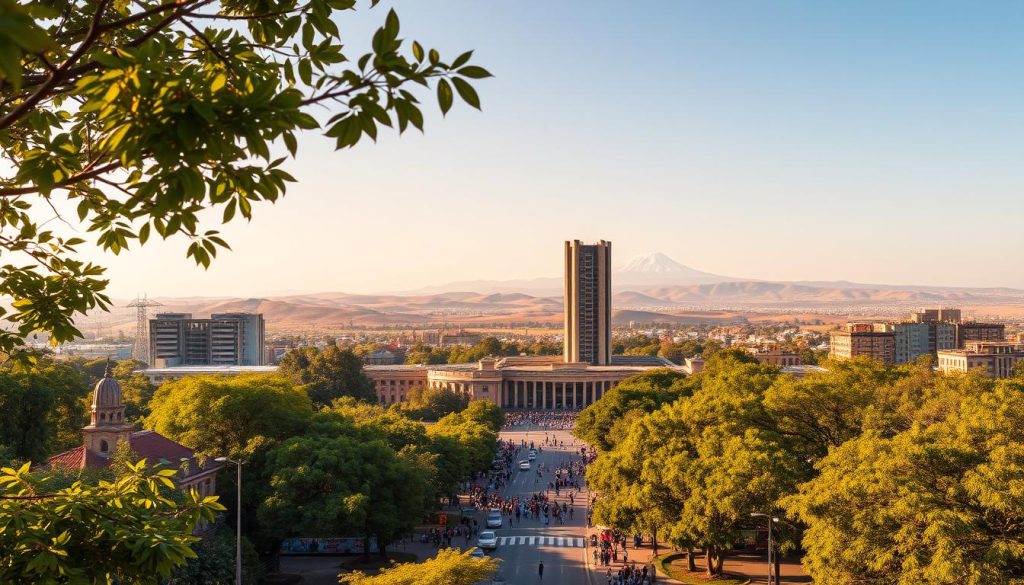
Nairobi has activities for every season, but the weather is key. Plan your trip to match the weather for the best experience.
Outdoor Activities and Optimal Timing
Nairobi’s natural beauty is perfect for outdoor lovers. The best times for activities depend on the weather.
Hiking in Karura Forest
The dry seasons, from June to September and January to February, are best for hiking in Karura Forest. The trails are easier to navigate, and the cooler air makes hiking better.
Exploring Nairobi’s Markets
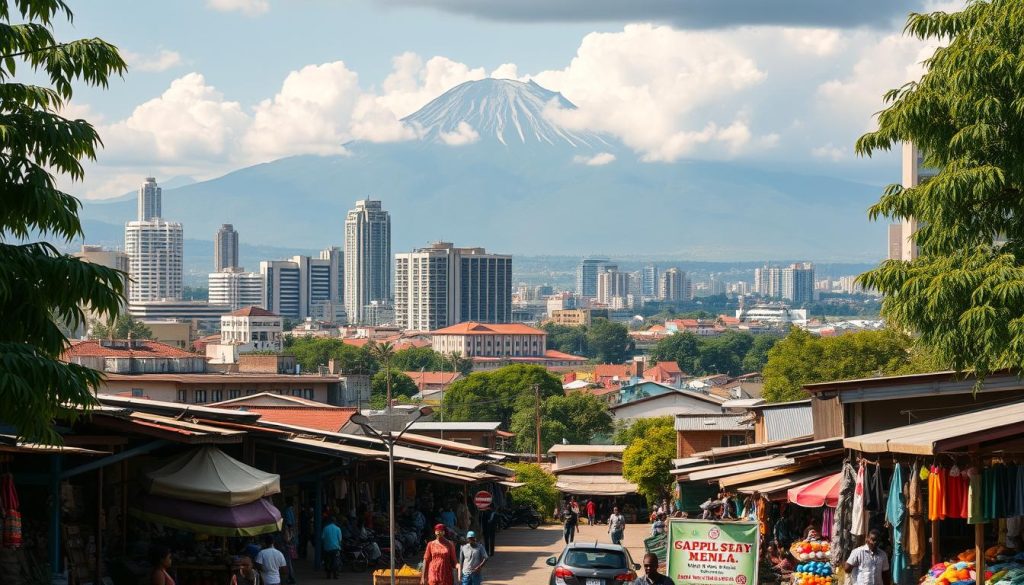
Year-round, Nairobi’s markets are great to visit, but the dry seasons are better. You’ll enjoy the markets more without rain.
Indoor Attractions for Rainy Days
Nairobi has many indoor spots for rainy days. Museums, galleries, and malls are perfect.
Museums and Galleries
The National Museum of Kenya and the Nairobi Gallery are top indoor spots. They show Kenya’s culture and history.
Shopping Malls and Entertainment
Nairobi’s malls, like Westgate Mall and Two Rivers Mall, have lots to do. From shopping to dining and movies, there’s fun for everyone.
Day Trips from Nairobi by Season
Nairobi’s areas offer great day trips, with the best times changing with the seasons.
Lake Naivasha and Hell’s Gate
The dry seasons are best for Lake Naivasha and Hell’s Gate National Park. The weather is better for boat rides and hiking.
Mt. Longonot Excursions
Mt. Longonot is a favorite day trip spot. Visit during the dry seasons for easier hiking.
By planning with the weather in mind, you can enjoy many activities in and around Nairobi. Your trip will be unforgettable.
Combining Nairobi with Other Destinations
Think about adding other places to your East Africa trip. Nairobi is a lively city. It’s perfect for starting or ending your journey in East Africa.
Coastal Extensions
Adding Mombasa to your trip is a great idea. The coast offers beaches, culture, and sites like Fort Jesus.
Beach Season Coordination
The best time for Mombasa is from July to October or January to March. The weather is perfect for beach fun.
Safari Circuit Timing
Nairobi is close to Africa’s top national parks. Plan your safari for the best wildlife views, based on migration and weather.
Masai Mara Connections
Don’t miss the Masai Mara in July to October. It’s the best time for the Great Migration. Visiting Nairobi first adds variety to your wildlife adventure.
Amboseli and Tsavo Combinations
For a unique safari, go to Amboseli and Tsavo. June to October is best for wildlife spotting.
Regional East African Itineraries
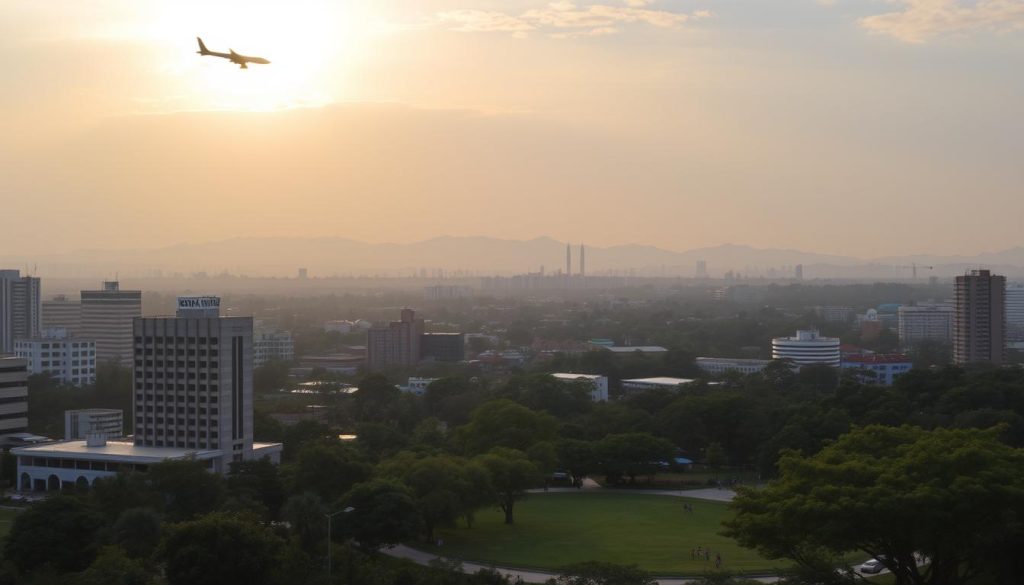
Nairobi is a great base for exploring East Africa.
Tanzania Extensions
Adding Tanzania’s Serengeti and Ngorongoro to your trip is exciting. It’s perfect for the Great Migration.
Uganda and Rwanda Add-ons
For gorilla trekking, visit Uganda’s Bwindi or Rwanda’s Volcanoes. It’s a special experience.
| Destination | Best Time to Visit | Activities |
|---|---|---|
| Mombasa | July to October, January to March | Beach relaxation, cultural experiences |
| Masai Mara | July to October | Wildlife viewing, Great Migration |
| Amboseli and Tsavo | June to October | Safari, wildlife viewing |
| Serengeti | June to October | Great Migration, wildlife viewing |
| Bwindi Impenetrable | Year-round | Gorilla trekking |
Conclusion: Making the Most of Your Nairobi Visit
Nairobi is a mix of city life and wildlife adventures all year round. Knowing the best times to go helps you enjoy your trip more. Whether you want to see cultural events, animals, or relax, Nairobi has it all.
Think about the Nairobi travel seasons when planning. The city’s weather and events can make your trip better. Picking the right time lets you see wildlife, join festivals, or enjoy the city.
With this knowledge, you can plan your trip to fit your interests. Nairobi is ready to give you an experience you’ll never forget.