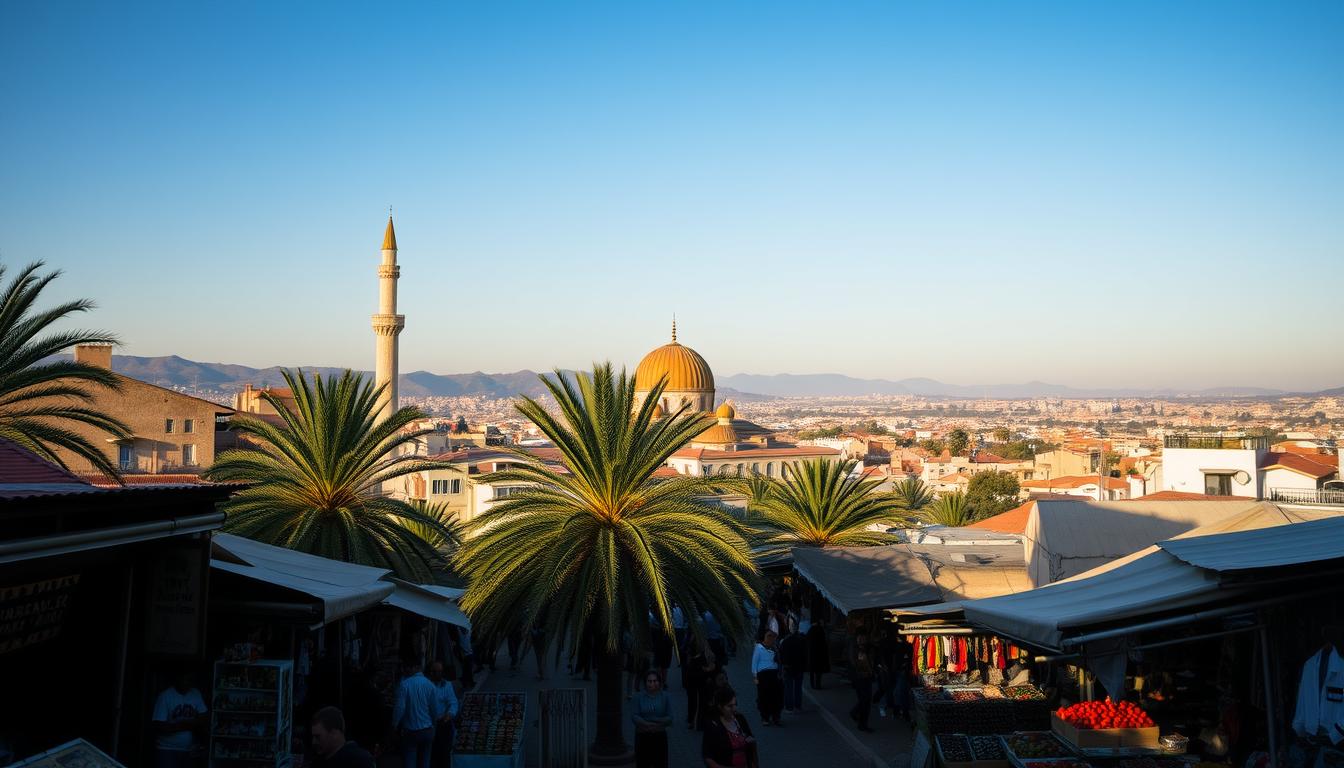
When’s the Best Time to Visit Tunis?
Are you planning a trip to Tunis, but unsure when to go? Choosing the right time to visit can make all the difference in your travel experience.
Tunis is a city with a rich history and cultural heritage. It offers something unique all year round. But, the spring (April to June) and autumn (September to October) are the best seasons to visit.
These seasons offer mild weather, fewer crowds, and a relaxed atmosphere. It’s perfect for sightseeing and exploring local markets. By visiting during these times, you’ll have a great experience and make the most of your Tunis travel tips.
Understanding Tunis’s Climate and Seasons
Planning a trip to Tunis requires knowing its climate. Tunis, Tunisia’s capital, has a Mediterranean climate. This means mild winters and hot summers. These conditions shape the tourism scene, offering unique experiences in each season.
Mediterranean Climate Overview
The Mediterranean climate is known for its pleasant weather. Tunis has mild, wet winters and hot, dry summers. This climate supports a rich biodiversity and allows for a wide range of outdoor activities all year.
Four Distinct Seasons in Tunis
Tunis has four distinct seasons: spring, summer, autumn (fall), and winter. Each season offers its own weather and attractions.
| Season | Weather | Tourist Season |
|---|---|---|
| Spring | Mild temperatures | Moderate |
| Summer | Hot and dry | Peak |
| Autumn | Warm, decreasing rainfall | Moderate |
| Winter | Mild, wet | Low |
How Weather Affects Tourism
The weather in Tunis greatly impacts tourism. Summer is the peak tourist season because of the hot weather, perfect for beach lovers. On the other hand, winters are cooler and less crowded. This makes them ideal for cultural experiences without the crowds of peak season.
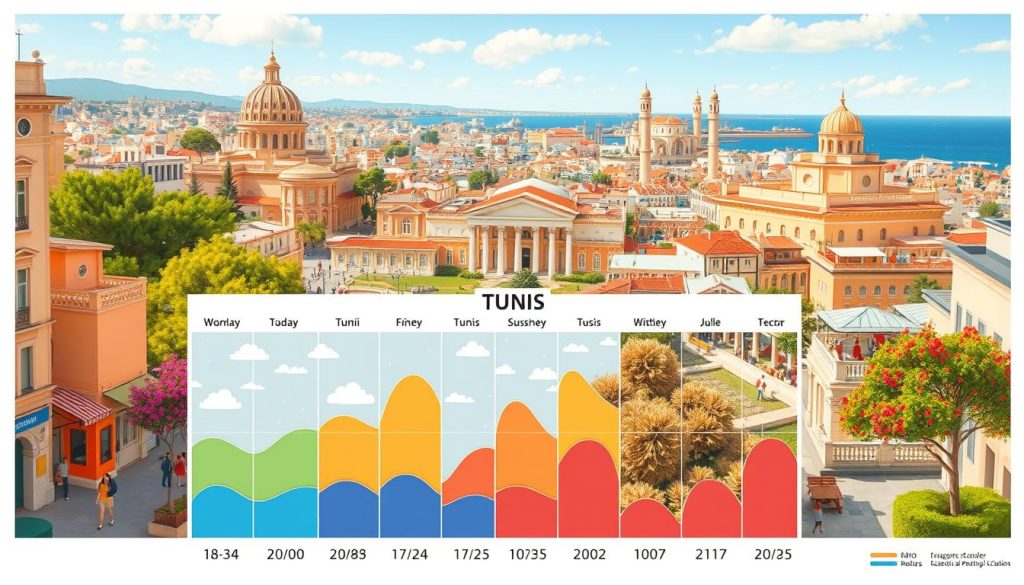
Spring in Tunis: March to May
As winter fades, Tunis comes alive in the spring. It’s a great time for visitors to explore and enjoy the outdoors. The weather is mild, perfect for seeing the city’s sights.
Weather Conditions and Temperatures
Spring in Tunis means temperatures between 15°C and 25°C. The sun shines brightly, and a gentle breeze adds to the charm. It’s ideal for walking around and taking in the views.
Crowd Levels and Pricing
Spring is a quieter time in Tunis, with fewer people around. This means you can find better deals on hotels and tours. It’s a more affordable season to visit.
Spring Festivals and Events
Spring in Tunis is filled with cultural events. The Festival of Spring is a highlight, featuring local music, dance, and crafts. It’s a great way to experience Tunis’s vibrant culture.
Best Spring Activities
Here are some top activities for spring in Tunis:
- Exploring the ancient ruins of Carthage
- Visiting the Bardo Museum
- Wandering through the Medina of Tunis
- Enjoying the local cuisine at outdoor cafes
| Month | Average Temperature (°C) | Average Rainfall (mm) |
|---|---|---|
| March | 18 | 45 |
| April | 20 | 30 |
| May | 23 | 15 |
Summer in Tunis: June to August
Tunis is at its busiest during the summer. From June to August, the weather is hot and humid. It’s a challenging but exciting time to explore.
Heat and Humidity Factors
Summer brings very hot temperatures, often over 90°F (32°C). The humidity makes it feel even hotter. It’s crucial to drink lots of water and find cool spots.
Beach Season Benefits
Summer is the best time for Tunis’s beaches. The warm weather and long days are perfect for swimming and sunbathing.

Summer Cultural Celebrations
Summer in Tunis is more than just beaches. It’s also a time for cultural events. The city celebrates with festivals that show off its rich heritage.
Health Considerations During Peak Heat
Visitors need to watch out for health risks in the heat. Dehydration and heatstroke are common. Wearing sunscreen, hats, and staying hydrated can help.
| Month | Average High Temp | Average Low Temp |
|---|---|---|
| June | 85°F (29°C) | 65°F (18°C) |
| July | 90°F (32°C) | 70°F (21°C) |
| August | 92°F (33°C) | 72°F (22°C) |
Fall in Tunis: September to November
The autumn season in Tunis is truly special. The city’s heat fades, making it easier to explore. You’ll enjoy mild weather and fewer people around.
Temperature and Weather Patterns
Tunis has a Mediterranean climate in fall. Days are warm, nights are cool. In September, it’s ideal for outdoor fun, with temperatures between 70°F and 85°F.
By November, it gets cooler, dropping to around 55°F in the evenings. So, don’t forget to pack layers.
Post-Summer Tourism Decline
After summer, Tunis gets less crowded. This is great for those who like a quieter visit. You can explore sites and enjoy cultural events without the rush.
Autumn Events and Activities
Fall in Tunis is filled with cultural events. The Tunis International Festival happens in autumn. It showcases local music, dance, and theater.
Also, cafes and restaurants have outdoor seating. It’s perfect for trying local dishes.
Photography Opportunities in Fall
Fall is great for photography in Tunis. The changing leaves and clear skies are stunning. You can take amazing photos of the city’s parks and historic buildings.
Some top spots include:
- The ancient medina, with its narrow streets and historic buildings
- The Belvédère Park, known for its beautiful autumn foliage
- The Lake of Tunis, offering serene landscapes and waterfront views
Whether you’re a pro or just love taking photos, Tunis in fall is a photographer’s dream.
Winter in Tunis: December to February
December to February in Tunis offers a mild winter climate. It’s perfect for those looking for a quiet getaway. The weather is pleasant, allowing you to explore the city’s history and culture without the crowds.
Mild Winter Climate
Tunis has mild winters, with temperatures between 45°F and 60°F (7°C to 15°C). This makes it a great choice for travelers who enjoy cooler weather but don’t like harsh cold.
Off-Season Travel Advantages
Visiting Tunis in winter has its perks. You’ll find lower prices for hotels and tourist services. Plus, fewer people mean you can enjoy famous sites more intimately.

Winter Holidays and Celebrations
Winter in Tunis is filled with holidays like Christmas and New Year’s Eve. The city’s cultural events highlight its heritage and festive mood.
Indoor Cultural Experiences
The cooler weather is great for indoor attractions. The Bardo Museum, with its ancient mosaics, is a must-see. You can also explore the historic medinas, lively markets, and cozy cafes.
| Activity | Location | Best Time |
|---|---|---|
| Visit Bardo Museum | Tunis | December to February |
| Explore Medina | Tunis | Anytime |
| Enjoy Local Cuisine | Various Restaurants | Anytime |
Winter is a wonderful time to see Tunis’s true charm. It’s a great choice for your travel plans.
What is the Best Time to Visit Tunis?
Planning a trip to Tunis? Knowing the local climate and tourist seasons is key. Tunis, with its rich history and Mediterranean climate, offers a unique experience all year round.
Optimal Weather Windows
The best times to visit Tunis are spring (March to May) and autumn (September to November). These seasons have mild temperatures, between 15°C to 25°C (59°F to 77°F). They’re perfect for exploring and outdoor fun.
Balancing Crowds and Climate
Summer in Tunis is hot and crowded. Winter is cooler and less busy. If you want fewer tourists, visit during the shoulder season. Here’s a quick comparison:
- Spring: Pleasant weather, moderate crowds
- Summer: Hot, peak tourist season
- Autumn: Comfortable temperatures, fewer crowds than summer
- Winter: Coolest temperatures, least crowded
Budget Considerations
Thinking about your budget? Prices for hotels and tourist services are higher in summer. For a better deal, visit during the off-season or shoulder season.
Personalized Recommendations by Travel Style
Your travel style and preferences matter. For example:
- History buffs will love spring and autumn for visiting sites.
- Beach lovers should go in summer, despite the heat.
- Travelers on a budget or seeking a calm experience might prefer the shoulder or off-season.
The best seasons to visit Tunis are spring and autumn. They offer nice weather and fewer crowds. But, your travel preferences and priorities will decide the best time for you.
Month-by-Month Breakdown of Tunis Weather
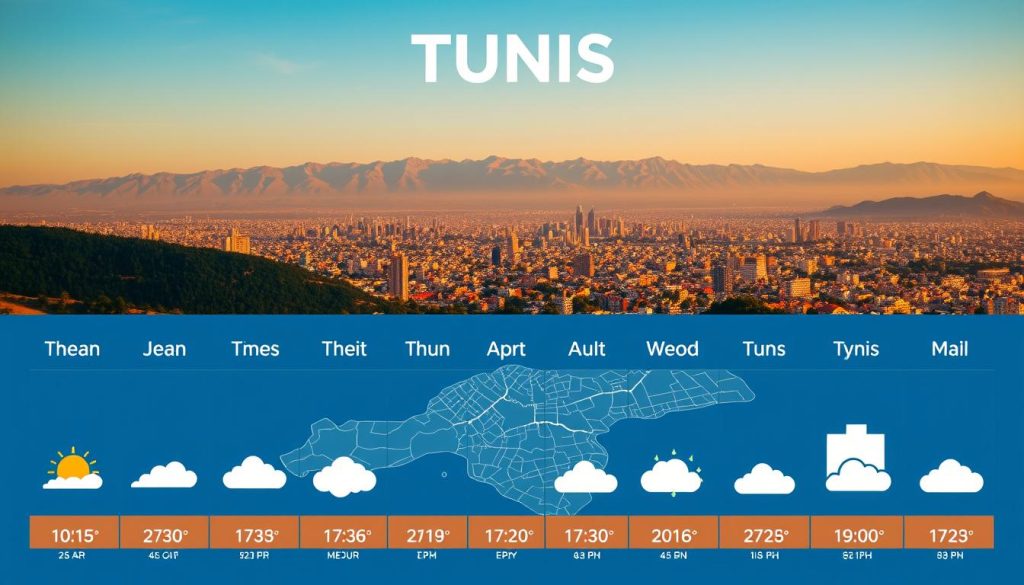
To make the most of your visit to Tunis, knowing the weather month by month is key. Tunis has a Mediterranean climate, with mild winters and hot summers. This makes each month unique.
January through March
The first quarter is the coolest, with January being the coldest at 12°C (54°F). February and March get warmer, with temperatures from 13°C to 15°C (56°F to 59°F). These months are great for those who like milder weather and fewer crowds.
“The mild winter climate makes Tunis an attractive destination for travelers seeking to escape harsher winter conditions elsewhere.”
April through June
Spring turns into summer in April, May, and June. Temperatures range from 18°C to 25°C (64°F to 77°F). It’s perfect for outdoor fun and sightseeing. The sea temperature also starts to rise, making it suitable for swimming by June.
July through September
Summer is the hottest, with July and August often hitting highs over 35°C (95°F). It’s great for beach lovers but also the busiest time. September is still warm, with averages around 28°C (82°F), offering a good balance of warmth and fewer crowds.
- July: Peak tourist season
- August: Warmest month
- September: Transition to milder weather
October through December
Autumn in Tunis is mild, with temperatures from 18°C to 24°C (64°F to 75°F). October and November are pleasant to visit. December starts winter, with cooler temperatures, averaging 14°C (57°F). It’s a good time for cultural tourism and exploring without the crowds.
Understanding the weather month by month helps plan your trip to Tunis. Whether you want beach activities, cultural experiences, or just a comfortable climate, you can find the perfect time to visit.
Cultural Considerations for Timing Your Visit
When planning your trip to Tunis, it’s important to think about cultural events and holidays. These can greatly change your travel experience. Tunis has a rich cultural heritage, with many religious and national celebrations.
Ramadan and Its Impact on Tourism
Ramadan, the Islamic holy month of fasting, changes Tunis’s daily life. Many restaurants and cafes close during the day. But, evenings are filled with festivities and family gatherings.
Tunisian National Holidays
Tunisia celebrates several national holidays. These include Independence Day on March 20th and Republic Day on July 25th. These days have parades, cultural events, and sometimes closed tourist attractions.

Annual Festivals and Cultural Events
Tunis has many festivals throughout the year. The Carthage International Festival is one, featuring music, dance, and theater from around the world. These events are great for diving into local culture and meeting other travelers.
Religious Observances
Other than Ramadan, Eid al-Fitr and Eid al-Adha are important in Tunis. These celebrations can affect tourist services. But, they also show the local traditions and community spirit.
Knowing about these cultural events helps plan your visit to Tunis. It makes sure your trip is fun and respectful of local customs and traditions.
Day Trips and Excursions by Season
Traveling to Tunis is more than just visiting a place. It’s about enjoying day trips and excursions. Tunis has a rich history and diverse landscapes. You can find activities all year, but the experience changes with the seasons.
Carthage and Sidi Bou Said Visits
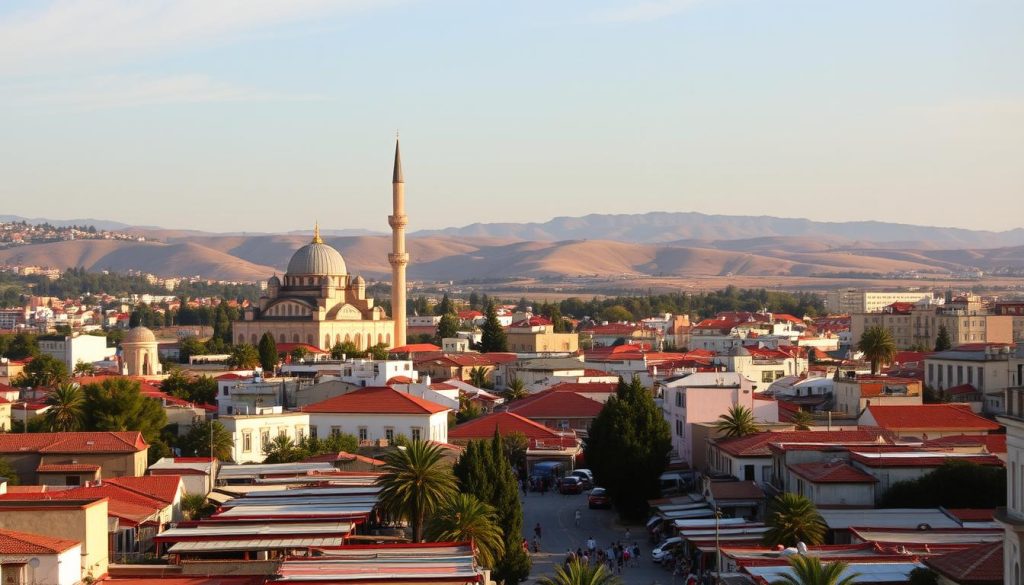
Carthage and Sidi Bou Said are top day trip spots in Tunis. These sites are open all year, but spring (March to May) or autumn (September to November) is best. Avoid summer if you don’t like the heat, as it can make visits less fun.
Desert Excursions: When to Go
Winter (December to February) is the best time for desert trips. The cooler weather makes the adventure more comfortable. Remember to wear warm clothes for the cold mornings and evenings.
Coastal Explorations
Spring and summer are great for coastal trips. The sea is calm, and the weather is warm. It’s perfect for swimming, snorkeling, and boat tours.
Seasonal Accessibility Considerations
Think about the season when planning your trips. Some desert roads close in the rainy season. Check local conditions and plan your visit.
Planning your trips by season makes your Tunis visit more enjoyable and stress-free.
Practical Travel Tips for Americans
Before you go to Tunis, learn some key travel tips for Americans. Knowing the local scene, travel rules, and seasonal changes will make your trip better.
Flight Patterns and Best Times to Fly
When planning your Tunis trip, think about flight times and the best days to fly. The busy season, from June to August, means more people and pricier flights. Booking early can get you a good deal. Think about flying into Tunis-Carthage International Airport (TUN), the main airport in the city.
Visa and Entry Considerations
As an American heading to Tunis, you must follow visa and entry rules. Check if you need a visa before you go, as rules can change. Make sure your passport is good for at least six months after you plan to leave.
Currency and Budgeting by Season
It’s important to know the Tunisian Dinar (TND) and budget well. Travel costs change with the seasons, with summer being the most expensive. Plan your budget for places to stay, food, and things to do.
Safety Tips Throughout the Year
Travel safety is a big deal everywhere. In Tunis, be careful with your stuff and stay alert. Keep up with local news and listen to what local officials say. Stay aware of your surroundings, even in busy spots.
Being ready and informed can make your Tunis trip safe and fun. Think about when you’re going and plan to enjoy your trip to the fullest.
Conclusion
Exploring the best times to visit Tunis shows that spring and autumn are the best. These seasons have mild weather and lots of cultural events. They’re perfect for seeing the city’s history and culture.
When you plan your trip, think about the Tunis tourist season. Visiting in spring or autumn means you miss the summer heat. You also get better prices.
The best time to visit Tunis is when the weather is nice and there are festivals. Whether you love history, culture, or just exploring, Tunis has it all. Start planning your trip now and see what this amazing city offers.