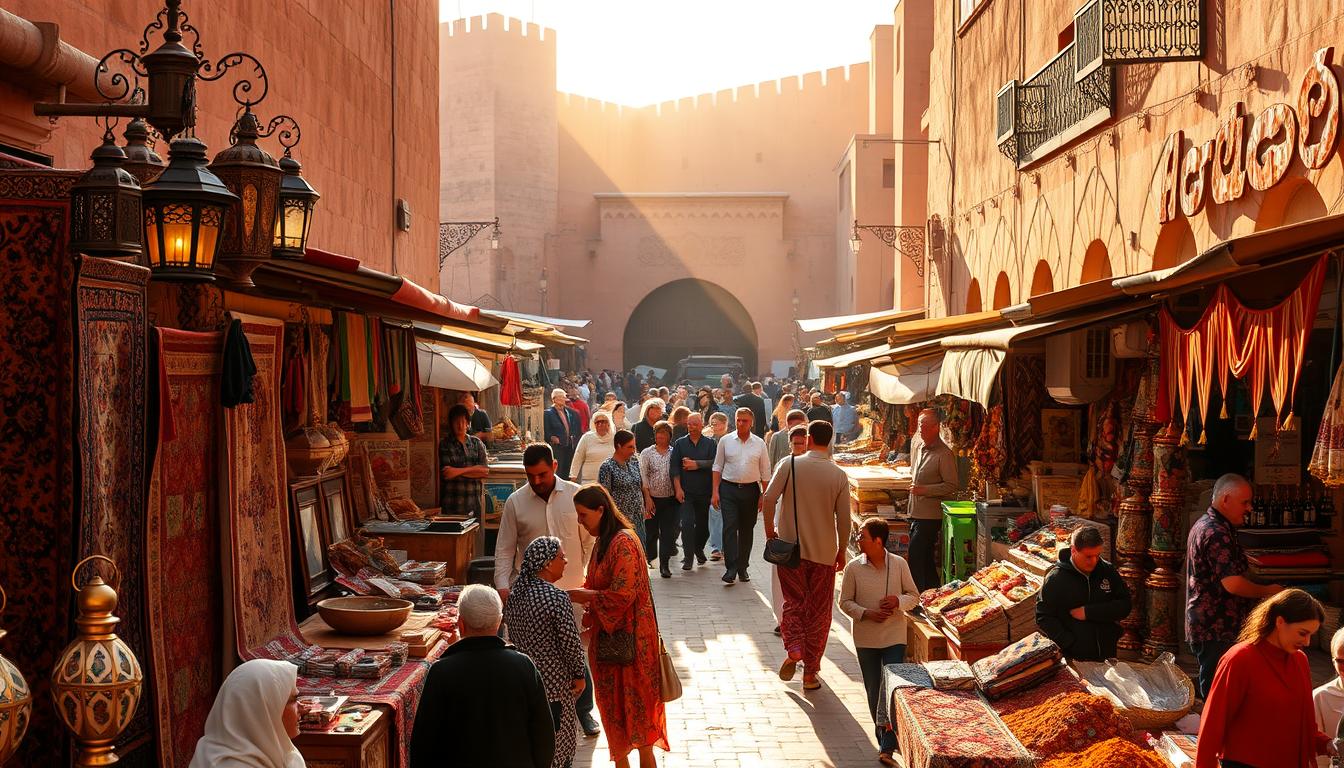
Discover the Cultural Experiences in Marrakech
Are you ready to dive into a world where old traditions and lively culture mix perfectly? Marrakech, known as the “Red City,” is a place that promises an unforgettable adventure.
Marrakech is filled with history, stunning architecture, and busy souks. It offers a unique mix of the old and the new. As you walk through the city’s red walls, you’ll find a wealth of cultural delights. These include historical sites, local artisans, and delicious food.
From the moment you arrive, Marrakech’s energy and charm will grab your attention. You can explore lively streets, visit historic sites, or just enjoy the vibe. Marrakech is a city that will give you memories that last a lifetime.
The Rich Cultural Heritage of Marrakech
Marrakech was founded by the Almoravid dynasty. Its culture is a mix of Berber, Arab, and French. You can see this by exploring the city’s vibrant culture.
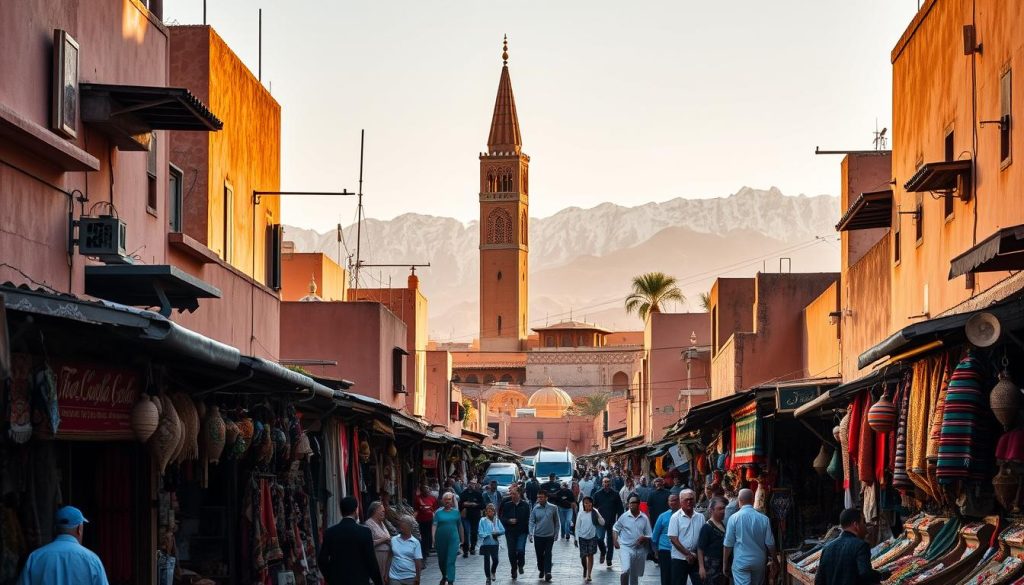
The Historical Significance of the Red City
Marrakech was founded in 1070. It quickly became a key center for politics, economy, and culture. Its location made it a hub for different cultures and trade routes.
The Almoravid dynasty’s mark is seen in Marrakech’s buildings. Look for intricate tile work and carved wooden ceilings. These are found in the city’s historic sites.
The Blend of Berber, Arab, and French Influences
Marrakech’s culture is a mix of Berber, Arab, and French. This mix is seen in its architecture, food, and traditions. It’s a place that cultural lovers find fascinating.
Berber traditions are seen in the local clothing and jewelry. Arab and French influences are in the food and buildings. Visit markets and join in on local ceremonies to see these influences.
| Cultural Influence | Architectural Features | Culinary Delights |
|---|---|---|
| Berber | Intricate tile work, traditional clothing | Tagine, Berber pastries |
| Arab | Carved wooden ceilings, Islamic architecture | Harira, Moroccan sweets |
| French | Colonial architecture, European-style cafes | French pastries, coffee culture |
Exploring the Iconic Jemaa el-Fnaa Square
As you step into the heart of Marrakech, Jemaa el-Fnaa Square awaits with its vibrant energy. This bustling square is the epitome of Marrakech traditional experiences. It offers a sensory overload that is both exhilarating and unforgettable.
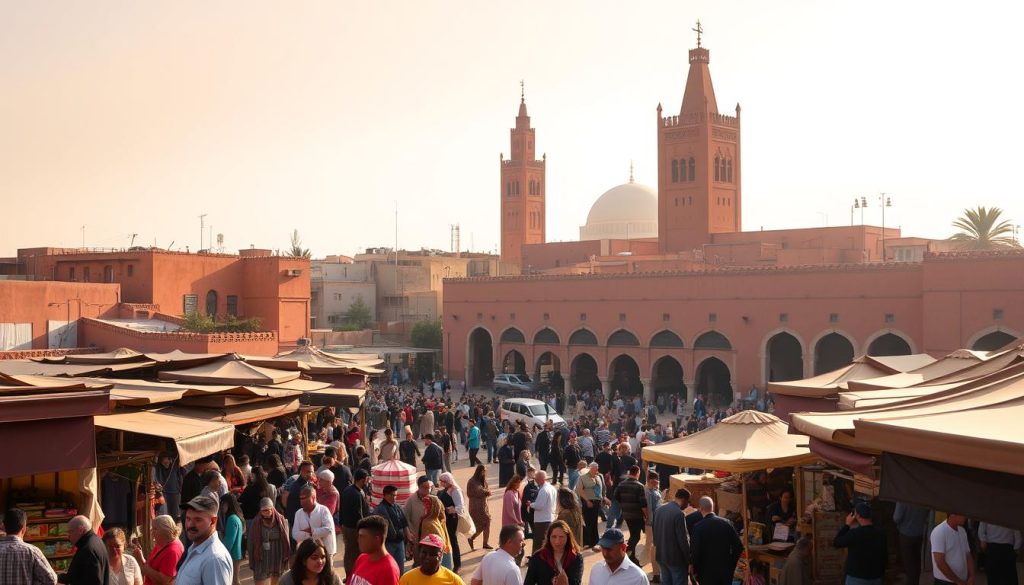
Daytime Activities and Street Performers
During the day, Jemaa el-Fnaa Square is a hub of activity. You’ll see snake charmers, street performers, and vendors selling traditional goods. Traditional halqa storytellers entertain crowds with tales of local legends.
Evening Entertainment and Storytellers
As the sun sets, the square transforms into an even more vibrant spectacle. The evening entertainment includes musicians, dancers, and storytellers. They captivate the audience with their performances. It’s a magical time to experience the square’s energy.
“Jemaa el-Fnaa is a symbol of Marrakech, a place where the traditional and modern blend seamlessly.”
Culinary Delights at the Night Market
The night market at Jemaa el-Fnaa Square is a culinary paradise. You can savor local delicacies such as tagine, couscous, and fresh juices. The aroma of grilled meats and spices fills the air, making your mouth water in anticipation.
| Local Delicacy | Description |
|---|---|
| Tagine | A slow-cooked stew named after the earthenware pot in which it is cooked. |
| Couscous | A traditional North African dish made from semolina flour, often served with vegetables and meat. |
| Fresh Juices | Variety of juices made from local fruits, perfect for hot days. |
Jemaa el-Fnaa Square is a microcosm of Marrakech’s rich cultural heritage. It offers an immersive experience that stays with you long after you leave.
What Cultural Experiences Can You Have in Marrakech?
Exploring Marrakech reveals a world of cultural activities. You can dive into the local way of life. From traditional ceremonies to artistic workshops, there’s something for everyone.
Traditional Ceremonies and Rituals
Marrakech blends tradition and culture beautifully. You can join or watch traditional ceremonies and rituals. For example, you might see a traditional Moroccan wedding, full of color and joy.
Or, visit during Ramadan to see the city’s special atmosphere. This Islamic month is a unique time to experience Marrakech.
Artistic and Creative Workshops
Art lovers will find many workshops in Marrakech. You can learn skills like woodworking, pottery, and textiles. These workshops offer a creative break and a peek into local traditions.
Spending a day learning Moroccan crafts is rewarding. You’ll take home your creations as memorable souvenirs.
Seasonal Cultural Events and Festivals
Marrakech celebrates its heritage with various events and festivals. The Marrakech International Film Festival and the Marrakech Popular Arts Festival are highlights. These events showcase the city’s vibrant culture.
By joining these events, you’ll understand Marrakech’s cultural heart. It’s a city that offers a wide range of cultural experiences.
Whether you’re into traditional ceremonies, art, or festivals, Marrakech has it all. Its cultural offerings are diverse and enriching, making it a must-visit for travelers.
Navigating the Ancient Medina and Souks
As you explore Marrakech, the ancient medina calls with its winding alleys and lively souks. This historic spot is the core of Marrakech cultural activities. It offers a mix of experiences that dive you into the city’s rich heritage.
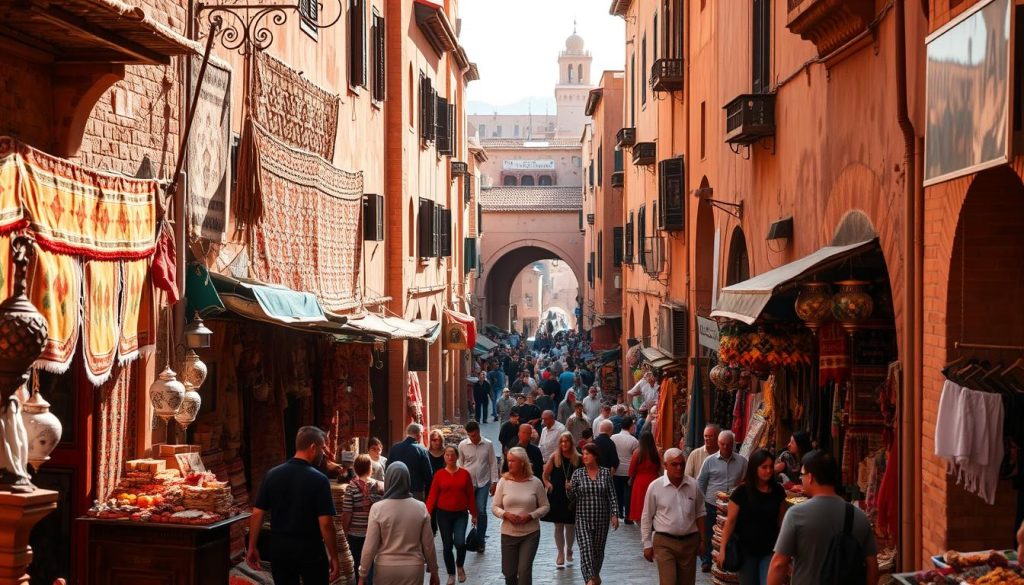
The Labyrinth of Specialized Markets
The medina is a maze of narrow alleys with souks selling everything. You can find spices, textiles, pottery, and leather goods. Each souk specializes in different products, letting you see traditional crafts up close.
Spice Markets and Herbalists
Visiting the spice markets and herbalists is a treat. The air is filled with the scent of exotic spices. You can see a wide range of spices, herbs, and medicinal plants. Talking to local vendors, you learn about their traditional uses.
Textile and Carpet Souks
The textile and carpet souks are a highlight, with their intricate designs and bright colors. You’ll find handmade carpets and embroidered clothing. These souks are more than places to shop; they’re cultural centers where artisans work.
“The souks of Marrakech are a sensory overload in the best possible way, a kaleidoscope of colors, textures, and aromas that leave a lasting impression on any visitor.”
Artisan Workshops and Traditional Crafts
In the medina, you’ll find many artisan workshops. These places keep traditional crafts alive, passed down through generations. You can see woodworking, pottery, metalwork, and weaving, showing Marrakech’s cultural heritage.
By joining workshops or watching artisans, you learn about the skill behind these beautiful items. Talking to local artisans gives you a special look into their work’s cultural importance and its role in Marrakech cultural activities.
Architectural Marvels: Palaces and Gardens
Marrakech is full of amazing palaces, calm riads, and stunning gardens. As you wander the city, you’ll see a deep cultural history in its buildings and parks.
Bahia Palace and El Badi Palace
The Bahia Palace, built in the late 19th century, is a wonder of Islamic art. It has detailed woodwork, tilework, and carved plaster. On the other hand, the El Badi Palace, from the 16th century, was once a grand place that showed the wealth of the Saadian dynasty. Though it’s now in ruins, it still shows the luxury of the past.
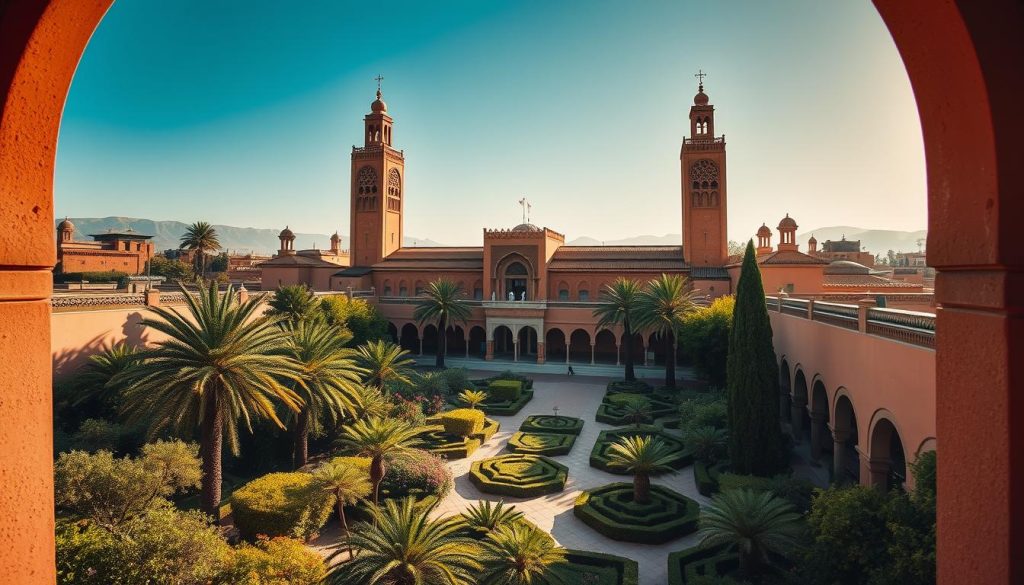
Traditional Riads and Their Cultural Significance
Riads are key to Marrakech’s architecture. These homes, with an inside garden or courtyard, are peaceful oases. They have beautiful tilework, carved wood, and more, showing the area’s rich culture.
Riads are more than just beautiful. They show a traditional way of life that values peace, family, and welcoming guests.
Majorelle Garden and Menara Gardens
For a calm break, go to the Majorelle Garden. It’s a beautiful botanical garden by French artist Jacques Majorelle. It’s known for its bright blue buildings and plants from all over.
Don’t miss the Menara Gardens, a historic olive grove with a big water reservoir. It’s a peaceful spot and shows the area’s farming ways.
| Attraction | Description | Notable Features |
|---|---|---|
| Bahia Palace | A late 19th-century palace showcasing Islamic craftsmanship | Intricate woodwork, tilework, carved plaster |
| El Badi Palace | A 16th-century palace that once symbolized the Saadian dynasty’s wealth | Ruins with remnants of opulence |
| Majorelle Garden | A botanical garden created by Jacques Majorelle | Vibrant blue architecture, exotic plants |
| Menara Gardens | A historic olive grove with a large water reservoir | Peaceful retreat, insight into local agriculture |
Exploring these wonders will help you understand Marrakech’s rich culture. You’ll see how important its palaces, riads, and gardens are.
The Art of Moroccan Cuisine
Exploring Marrakech reveals the importance of Moroccan cuisine in the city’s culture. Traditional dishes like tagine and couscous showcase the country’s diverse influences. Their rich flavors and aromas are a true reflection of Moroccan heritage.
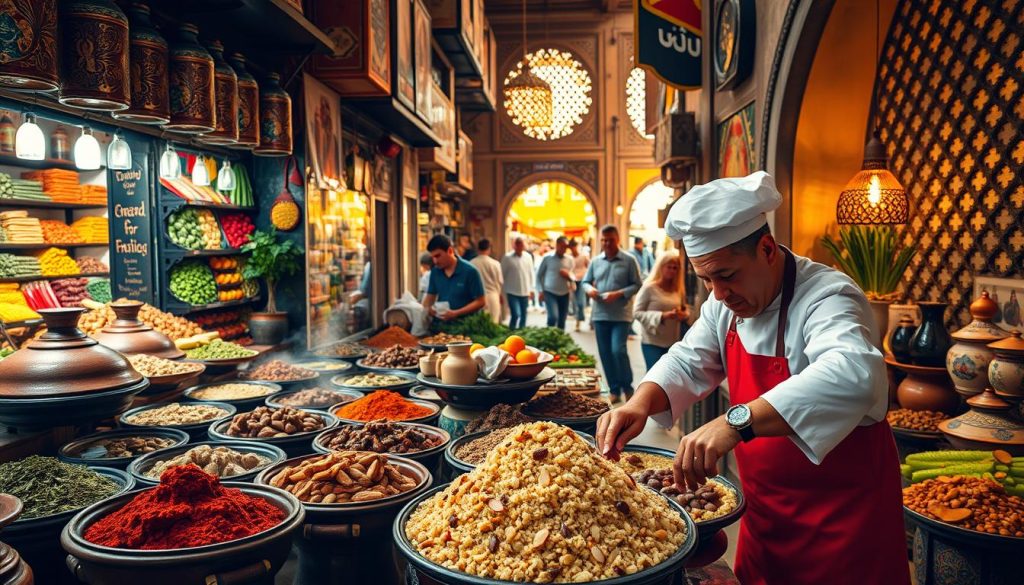
Traditional Dishes and Tagine Preparation
Moroccan food is a mix of spices, herbs, and fruits. Dishes often have slow-cooked meats and veggies. Tagine is a key example, made by layering ingredients in a clay pot.
Tagine recipes include chicken or lamb with onions, garlic, and spices. The pot is cooked over an open flame, filling the air with scents.
Cooking Classes and Food Tours
Cooking classes and food tours are great ways to dive into Moroccan cuisine. You’ll learn cooking techniques and visit local markets. These experiences let you explore the city’s culinary side.
- Cooking classes start with a market visit to learn about ingredients.
- Then, you’ll make traditional dishes with a chef’s help.
- Food tours take you on a taste journey through Marrakech, sampling street food.
The Ritual of Moroccan Mint Tea
Visiting Marrakech isn’t complete without trying Moroccan mint tea. It’s a sign of respect and welcome. This refreshing tea is a big part of Moroccan culture.
“Moroccan mint tea is more than just a drink; it’s a symbol of the country’s rich cultural heritage and a reflection of its warm hospitality.”
Making Moroccan mint tea involves green tea, fresh mint, and sugar. It’s served in small glasses. Guests are often offered tea multiple times, with the host refilling glasses until they say they’ve had enough.
| Culinary Experience | Description |
|---|---|
| Cooking Classes | Learn traditional Moroccan cooking techniques and prepare local dishes. |
| Food Tours | Sample local delicacies and street food on a guided culinary tour. |
| Moroccan Mint Tea | Experience the traditional ritual of Moroccan mint tea, a symbol of hospitality. |
Hammam Experiences and Wellness Traditions
The hammam, a centuries-old Moroccan bathhouse, is a key part of Marrakech’s culture. It offers a refreshing experience. This traditional wellness practice is deeply rooted in Moroccan culture.
The Cultural Significance of the Hammam
The hammam is more than a place for cleaning. It’s a social spot where locals come to unwind and chat. For centuries, it has been a vital part of Moroccan culture, playing a big role in wellness.
In Marrakech, hammams are a big part of daily life, loved by locals. It’s not just about cleaning; it’s a ritual of exfoliation, massage, and relaxation. These activities help improve overall well-being.
What to Expect During a Traditional Hammam Visit
At a traditional hammam, you’ll get a deep cleanse with exfoliation and massage. It starts with a warm-up in a steam room. Then, a thorough scrub removes dead skin cells.
Next, a soothing massage with Moroccan argan oil follows. This oil is known for its nourishing qualities. The massage relaxes muscles, boosts circulation, and leaves skin soft and refreshed.
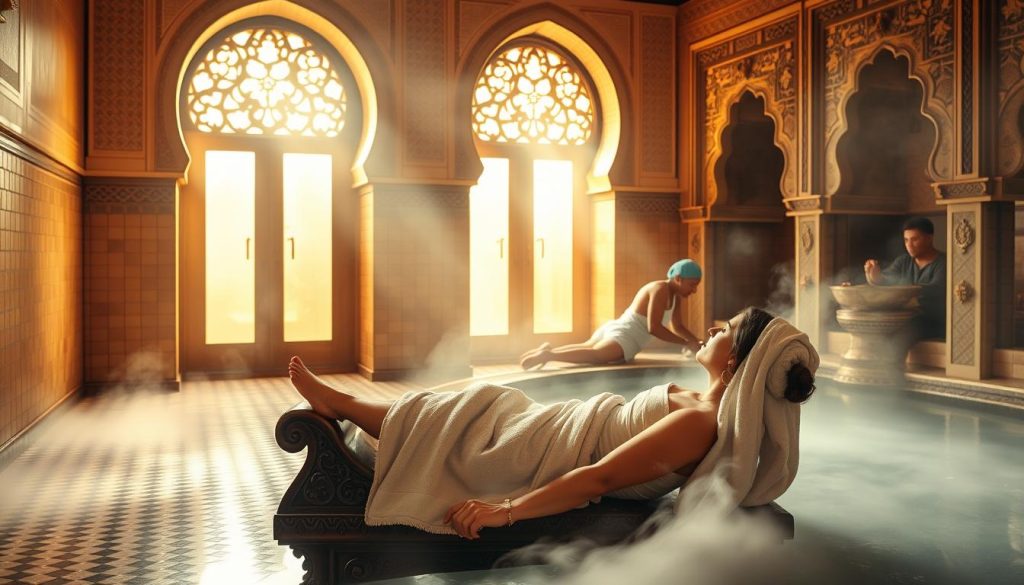
A visit to the hammam is a unique Marrakech traditional experience. It combines relaxation, socializing, and cultural immersion. Whether you want to rejuvenate or just experience a local tradition, a hammam visit is unforgettable.
| Aspect | Description | Benefits |
|---|---|---|
| Cleansing | Thorough scrubbing to remove dead skin cells | Improved skin health, smoother skin |
| Massage | Relaxing massage using argan oil | Relaxation, improved circulation, nourished skin |
| Steam Room | Warm-up session to open pores | Detoxification, relaxation |
Religious and Spiritual Sites
As you explore Marrakech, you’ll find many spiritual sites. These places show the city’s deep history and culture. Marrakech is famous for its religious sites, which are important to locals and visitors alike.
Islamic Architecture: Koutoubia Mosque
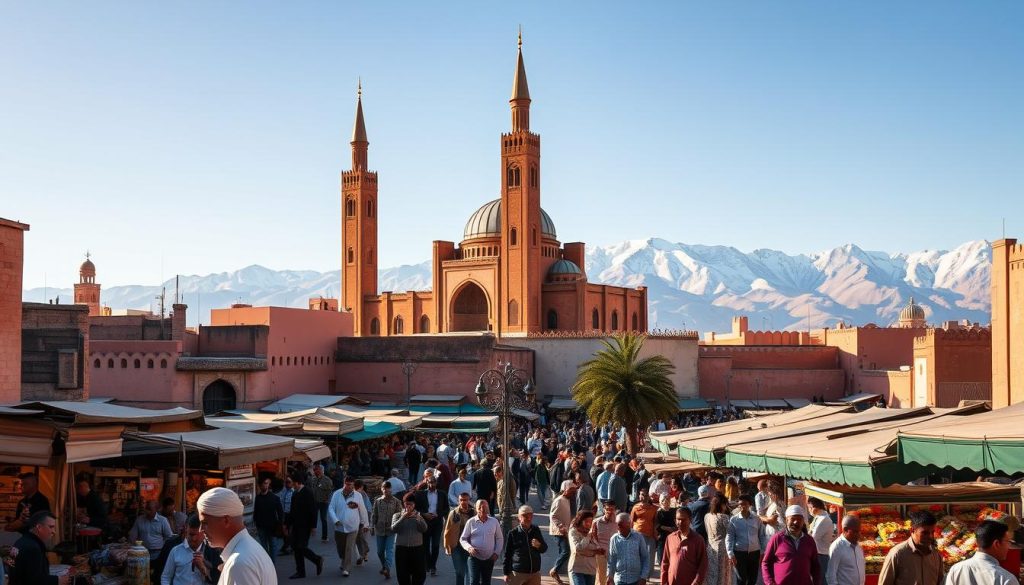
The Koutoubia Mosque is a key landmark in Marrakech. It’s a stunning example of Islamic architecture, built in the 12th century. The mosque’s minaret, from 1158, is a standout feature of the city’s skyline.
The Historical Significance of Saadian Tombs
The Saadian Tombs are a significant site in Marrakech. They were built in the 16th century and were rediscovered in 1917. These tombs are a major cultural and tourist spot, showcasing Islamic art’s beauty and craftsmanship.
Islamic Education: Medersa Ben Youssef
Medersa Ben Youssef was a key Islamic school in Marrakech. It’s known for its stunning architecture, including detailed tile work and carved wood. This school reflects Marrakech’s importance as a center of Islamic learning.
| Site | Historical Period | Significance |
|---|---|---|
| Koutoubia Mosque | 12th century | Iconic Islamic architecture, dominant feature of Marrakech’s skyline |
| Saadian Tombs | 16th century | Intricate architecture, historical significance, and craftsmanship |
| Medersa Ben Youssef | 16th century | Historic Islamic education, beautiful tile work, and carved wood |
Visiting these sites is a key part of Marrakech cultural tours. They offer a deep look into the city’s heritage and traditions. Exploring these landmarks helps you appreciate Marrakech’s rich history and cultural diversity.
Moroccan Music, Dance, and Performance Arts
Marrakech is alive with music and dance, showing off its rich culture. These arts are more than just entertainment; they are a way of life. As you wander the city, you’ll find many types of Moroccan music and dance.
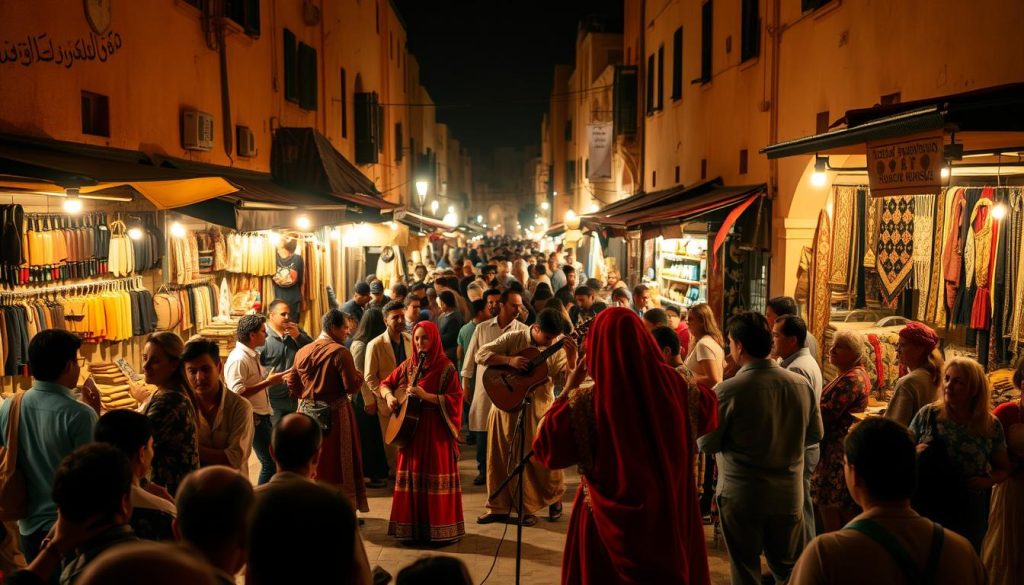
Gnawa Music and Its Cultural Roots
Gnawa music is a big part of Moroccan culture. It comes from the Gnawa people, brought to Morocco as slaves from Africa. This music is known for its deep melodies and strong beats, often played at special events.
Gnawa music brings people together, creating a sense of community. You can see Gnawa musicians in Marrakech, mainly at Jemaa el-Fnaa Square in the evenings.
Andalusian Music Traditions
Andalusian music is also key to Morocco’s musical history. It comes from Andalusia, Spain. This music is famous for its beautiful lyrics and complex tunes, showing the cultural exchange between Morocco and Spain.
In Marrakech, you can find concerts and festivals celebrating Andalusian music. These events let you see the beauty of this music and Marrakech’s role in keeping it alive.
Contemporary Arts Scene in Marrakech
Marrakech also has a lively contemporary arts scene. You’ll find many galleries and exhibitions featuring local and international artists. The city’s arts community mixes old traditions with new ideas.
| Art Form | Description | Location |
|---|---|---|
| Gnawa Music | Traditional spiritual music with African roots | Jemaa el-Fnaa Square |
| Andalusian Music | Classical music with poetic lyrics | Various concert halls |
| Contemporary Art | Modern art influenced by local culture | Galleries across Marrakech |
Exploring Marrakech’s music and performance arts will help you understand the city’s rich culture. You’ll see how much the people value artistic expression.
Day Trips to Experience Berber Culture
Day trips from Marrakech let you dive into Berber culture. You can see the traditional life and customs of the Berber people. Visit the Atlas Mountains villages and explore the desert landscapes.
Atlas Mountains Villages and Traditional Life
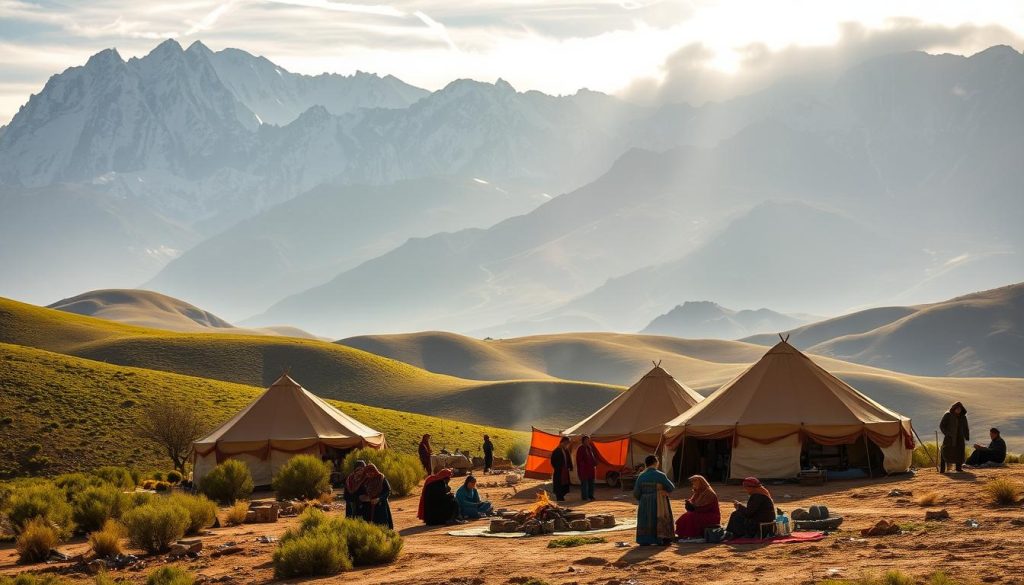
The Atlas Mountains have many Berber villages where life stays the same. You can visit these villages to see the local customs and way of life. They show the rich cultural heritage of the Berber people, with their unique architecture, crafts, and hospitality.
- Exploring the local markets and souks
- Visiting traditional Berber homes
- Participating in local crafts workshops
| Village | Main Attractions | Activities |
|---|---|---|
| Imlil | Traditional Berber homes, local guides | Hiking, trekking |
| Arbala | Scenic views, traditional architecture | Photography, cultural immersion |
Desert Experiences and Nomadic Traditions
Day trips can also take you to explore the nomadic traditions of the Berber people. Visit nomadic camps and learn about their customs and way of life. The desert landscapes offer breathtaking scenery and a unique cultural experience.
Some highlights of desert experiences include:
- Camel rides through the desert dunes
- Visiting nomadic camps and learning about their traditions
- Enjoying traditional Berber cuisine under the stars
By taking a day trip to experience Berber culture, you not only enrich your travel experience. You also help preserve this unique cultural heritage.
Guided Cultural Tours and Authentic Experiences
To truly experience Marrakech, consider joining a guided cultural tour. These tours immerse you in the city’s rich heritage. You’ll explore the medina, join local workshops, and meet the community.
Capturing Marrakech Through Photography
Photography tours through the medina offer a unique view of Marrakech’s vibrant culture. Expert guides will help you navigate the narrow streets. You’ll capture the essence of the city through your lens.
Discovering Local Artisans
Artisan workshop tours let you learn from Marrakech’s skilled craftsmen. You’ll engage in hands-on experiences, like woodworking and pottery. You’ll also learn about the traditional techniques passed down through generations.
“The art of Morocco is not just about creating beautiful objects; it’s about preserving a culture and a way of life.” – A Marrakech artisan
Immersing in Local Culture
Cultural immersion programs let you live like a local. You can stay with host families or join community projects. This deep dive into Marrakech’s daily life offers a profound understanding of its customs and traditions.
| Tour Type | Description | Highlights |
|---|---|---|
| Photography Tours | Explore Marrakech’s medina with expert guides | Jemaa el-Fnaa, Majorelle Gardens, local markets |
| Artisan Workshops | Learn traditional crafts from local artisans | Woodworking, pottery, textiles |
| Cultural Immersion | Live with host families or participate in community projects | Daily life experiences, community engagement |
By choosing guided cultural tours, you’ll see Marrakech in a whole new way. Whether through photography, crafts, or local interactions, your journey will be filled with authentic connections and unforgettable memories.
Conclusion: Embracing the Magic of Marrakech
Marrakech is a city that has something for everyone. It offers rich cultural heritage and historical landmarks. Plus, it has a vibrant culture and modern amenities.
Exploring Marrakech, you’ll find a mix of traditional and modern experiences. This makes it truly unforgettable.
You can dive into the city’s rich cultural heritage. Experience traditional ceremonies, artistic workshops, and seasonal events. The city’s landmarks, like Jemaa el-Fnaa Square and the Bahia Palace, show its fascinating past.
Looking to explore the ancient Medina and Souks? Want to try Moroccan cuisine or relax in a Hammam? Marrakech has it all. So, what cultural experiences can you have in Marrakech? The possibilities are endless, and you’re sure to leave with unforgettable memories.