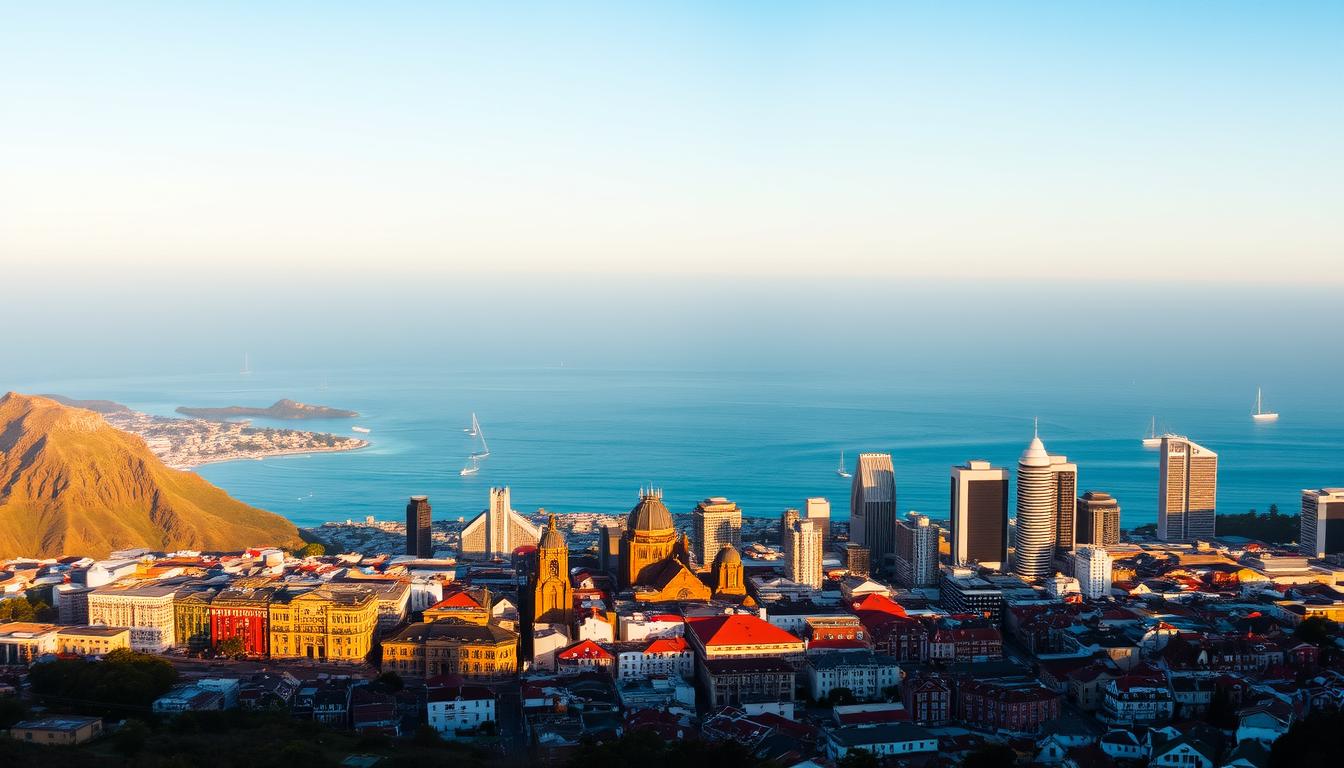
What is the Mother City of South Africa?
You may have heard Cape Town called the Mother City of South Africa. But what does this title mean?
Cape Town is more than just a city. It’s the legislative capital of South Africa and the oldest city. It’s also where the Parliament of South Africa meets. This city has a deep history and cultural importance, making it special to South Africans.
Exploring the Mother City reveals why Cape Town is given this title. Its historical and legislative importance make it fascinating and relevant today.
Cape Town: The Mother City of South Africa
Cape Town is known as the oldest European settlement in South Africa. It’s called the ‘Mother City’. This title shows the city’s rich history and its big role in shaping the country’s identity.
The Origin of the “Mother City” Nickname
The nickname “Mother City” comes from Cape Town being the first European settlement in South Africa. This historical significance makes it the birthplace of modern South Africa.
“Cape Town is the cradle of South African civilization, and its history is intertwined with the history of the nation.”
Cape Town’s Significance in South African Identity
Cape Town has a big impact on South African identity. It’s known for its historic landmarks and cultural diversity. The city’s history, from the Dutch East India Company’s start to today, makes it unique.
| Aspect | Description | Significance |
|---|---|---|
| Historical Landmarks | Castle of Good Hope, Bo-Kaap | Cultural and Historical Significance |
| Cultural Diversity | Cape Malay, Khoisan, European | Rich Cultural Heritage |
| Economic Hub | Port of Cape Town, Business Districts | Economic Growth and Development |
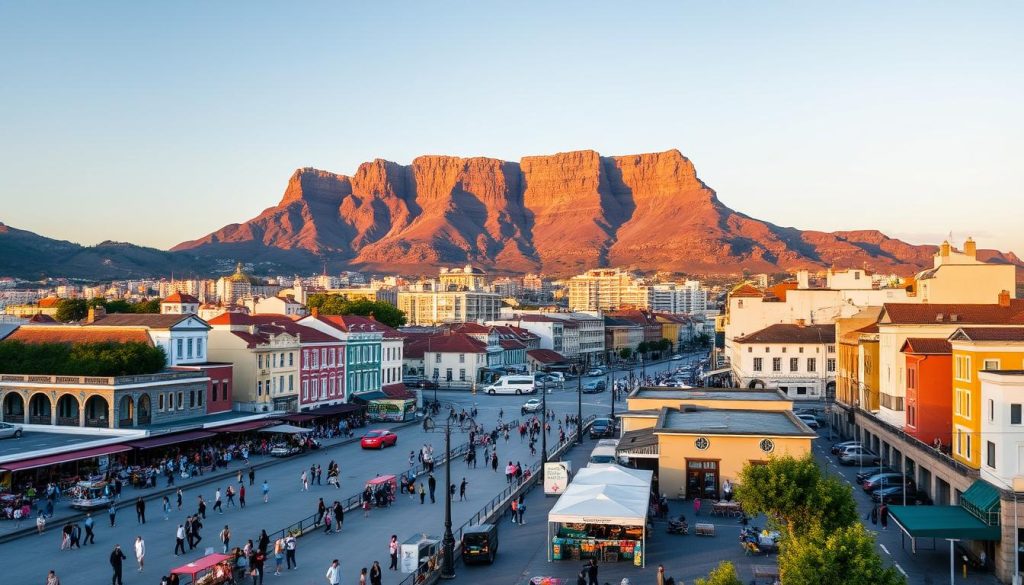
Cape Town’s history and culture have made it the Mother City. Its influence on South African identity is clear. It’s a city of great importance.
Who is the Mother City of South Africa? Understanding Cape Town’s Title
Ever wondered who the Mother City of South Africa is? It’s Cape Town, thanks to its key role in the country’s history.
Historical Context Behind the Name
The term “Mother City” came from Cape Town being the first European settlement in South Africa. Founded by the Dutch East India Company in 1652, it was a key stop for ships. It grew into a bustling city, becoming the mother of many other towns and cities.
Cape Town’s Role as South Africa’s Oldest European Settlement
Cape Town’s status as the oldest European settlement has enriched its culture and history. Its rich history is seen in its buildings, food, and traditions. As a cultural melting pot, it shaped South African identity.
The Mother City in Modern South African Culture
In today’s South Africa, the Mother City is celebrated in many ways. Cape Town is a center of cultural diversity, with its history and traditions on display. Its vibrant cultural scene makes it a unique and exciting place to visit.
The Historical Foundations of Cape Town
Exploring Cape Town reveals its deep history. The city’s past is shaped by many cultures and colonial powers.
Pre-Colonial History and Indigenous Inhabitants
The area now known as Cape Town was first home to the Khoikhoi and San. These groups had their own cultures, languages, and ways of life. The arrival of European settlers greatly changed their lives.
Dutch East India Company and the Establishment of the Cape Colony
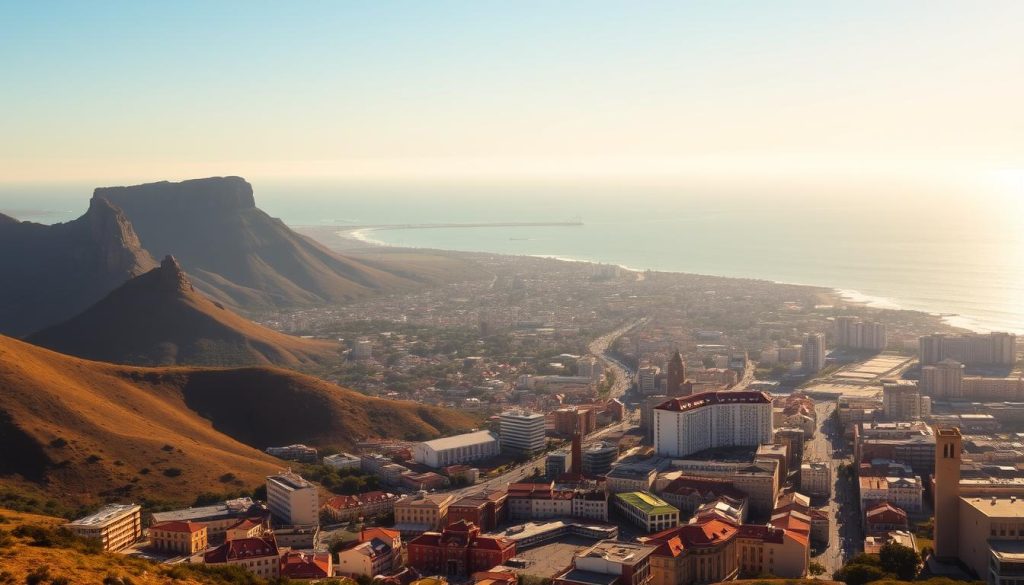
In the 17th century, the Dutch East India Company started a settlement at the Cape. This was the start of European rule in the area. The Dutch brought enslaved people from Africa and Asia, adding to Cape Town’s diverse culture.
British Colonial Period and Its Lasting Impact
The British later took over the Cape Colony from the Dutch. Their rule had a big impact on the city’s growth. The British built many roads, buildings, and public works that are still here today.
Cape Town’s history is a mix of many cultures and influences. Its location at the southern tip of Africa made it important. Knowing this history helps us understand the city’s modern identity and its role in South Africa.
Cape Town’s Geographic Splendor
Cape Town is a sight to behold, with landmarks that are both unique and awe-inspiring. As you explore this beautiful city, you’ll be surrounded by the natural wonders that make it one of the world’s most beloved destinations.
Table Mountain and the Cape Peninsula
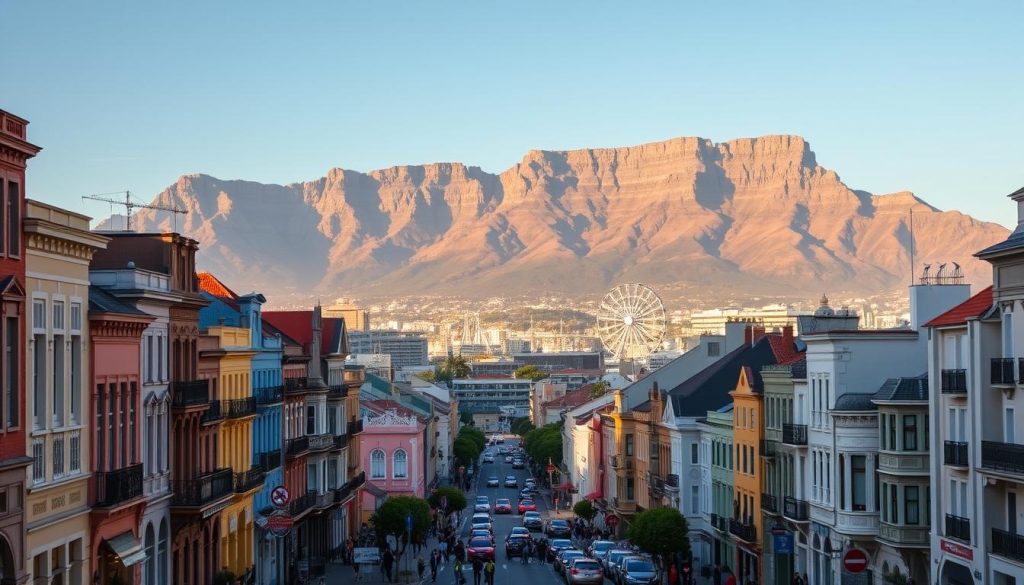
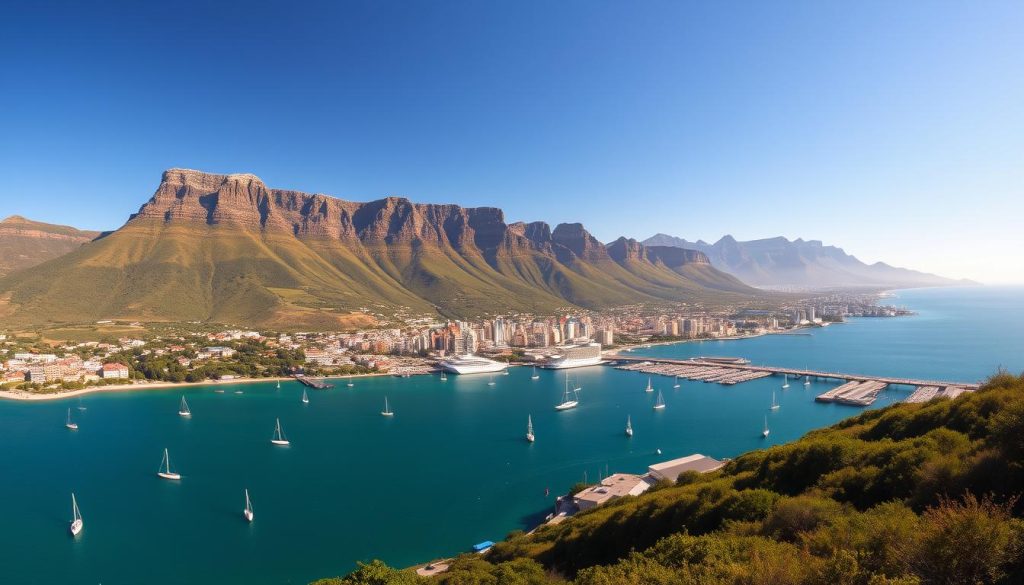
Table Mountain is one of Cape Town’s most iconic features. It’s a flat-topped mountain that dominates the city’s skyline. The Cape Peninsula, where Table Mountain is located, is a haven for hikers and nature lovers, with its diverse flora and fauna. You can take a cable car to the top of Table Mountain for breathtaking views of the city and the Atlantic Ocean.
The Meeting of Two Oceans: Atlantic and Indian
At the southern tip of the Cape Peninsula, you’ll find the Cape of Good Hope. Here, the Atlantic and Indian Oceans meet. This dramatic meeting of the oceans is a sight to behold, with the contrasting colors of the two bodies of water creating a stunning visual effect.
The Cape Floral Kingdom: A UNESCO World Heritage Site
The Cape Floral Kingdom is a UNESCO World Heritage Site, recognized for its unique and diverse plant species. As you explore the Cape Peninsula, you’ll encounter a wide range of flora, including proteas, ericas, and restios. This region is a must-visit for botanists and nature enthusiasts alike.
In summary, Cape Town’s geographic splendor is a key part of its appeal. It offers a mix of natural beauty, outdoor activities, and cultural experiences. This makes it a unique and attractive destination.
Cultural Melting Pot: Cape Town’s Diverse Heritage
Exploring Cape Town reveals a city where cultures mix perfectly. This mix is seen in its food, buildings, and traditions. It’s shaped by many ethnic groups.
Cape Malay Culture and Culinary Influence
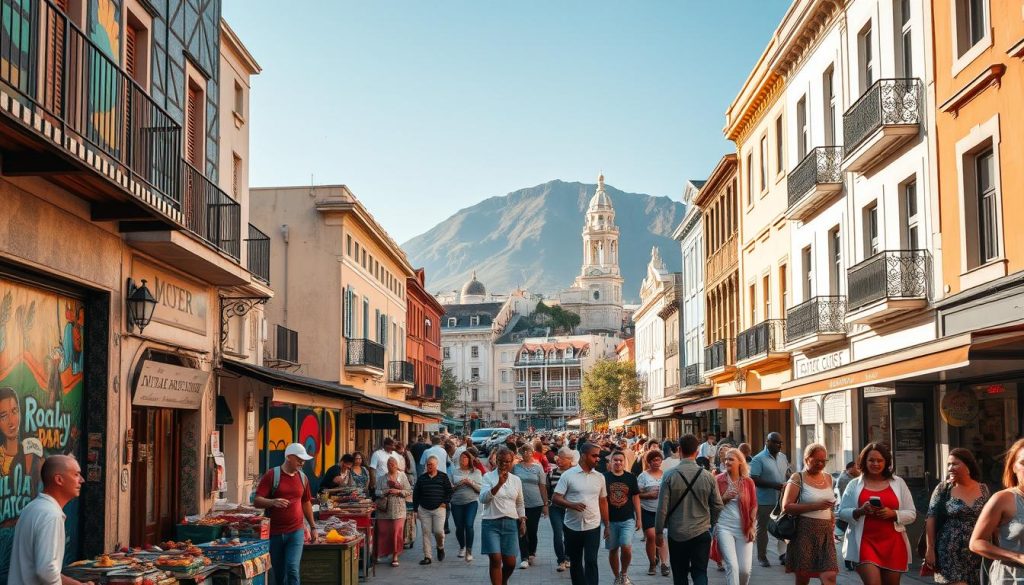
The Cape Malay community has greatly shaped Cape Town’s culture. Their dishes like bobotie and boerewors are key to South African food. You can taste their cooking in local eateries and markets.
European Architectural Legacy
Cape Town’s buildings tell stories of its European past. Places like the Castle of Good Hope show Dutch and British styles. These buildings add to the city’s beauty and history.
Indigenous Khoisan Cultural Contributions
The Khoisan people have a deep cultural history in Cape Town. Their stories and traditions are kept alive in museums and cultural spots. These places offer a glimpse into the area’s first inhabitants.
Modern Multicultural Identity
Now, Cape Town is a lively, mixed city. You can see this mix in its festivals, art, and everyday life. Visitors can dive into this diversity by joining local events and exploring different areas.
Cape Town’s mix of cultures makes it a special and interesting place. You can enjoy its food, buildings, and traditions. The city’s rich heritage is worth exploring and celebrating.
Cape Town During Apartheid and the Road to Democracy
Cape Town was key in the fight against apartheid. It became a center for resistance and struggle. The city’s location and infrastructure made it a key spot for activists and important events.
Resistance and Struggle in the Mother City
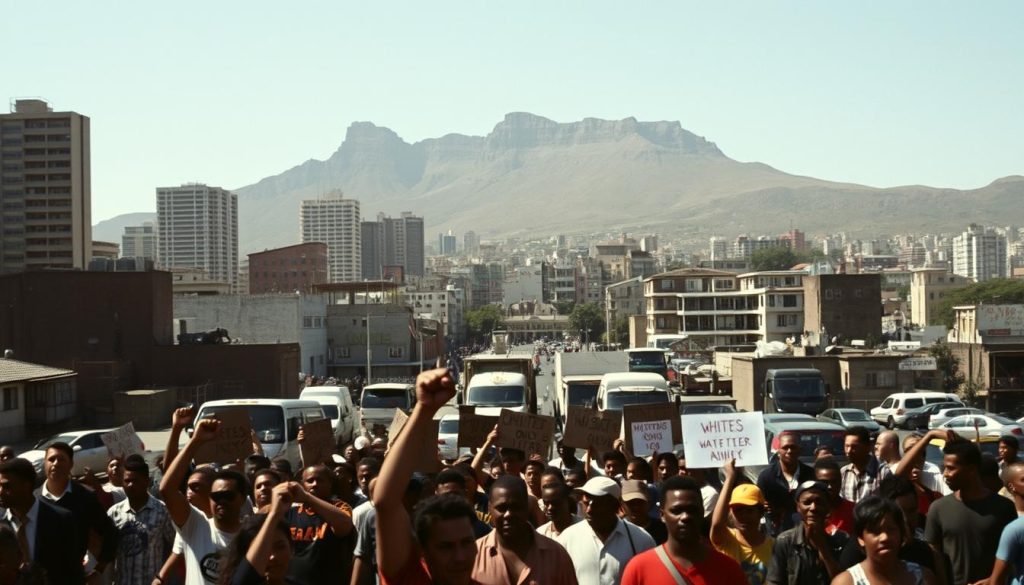
Cape Town was full of anti-apartheid activity. Many famous figures came from there. The resistance movement included protests, boycotts, and secret actions against apartheid.
Robben Island and Nelson Mandela’s Legacy
Robben Island is a big part of Cape Town’s apartheid story. Nelson Mandela was imprisoned there for 18 years. Mandela’s story is a symbol of the fight against apartheid and the path to democracy.
Post-Apartheid Transformation and Challenges
After apartheid, Cape Town faced many challenges. It had to deal with the social and economic gaps left by apartheid. The city has worked hard on post-apartheid transformation, pushing for reconciliation and growth.
Now, Cape Town shows the strength of the human spirit. It continues to change and grow as a city.
Must-Visit Historical Sites in Cape Town
Exploring Cape Town reveals a rich history. The city’s past is shaped by indigenous cultures, colonialism, and the fight against apartheid. These influences are seen in its historical landmarks.
Castle of Good Hope: South Africa’s Oldest Colonial Building
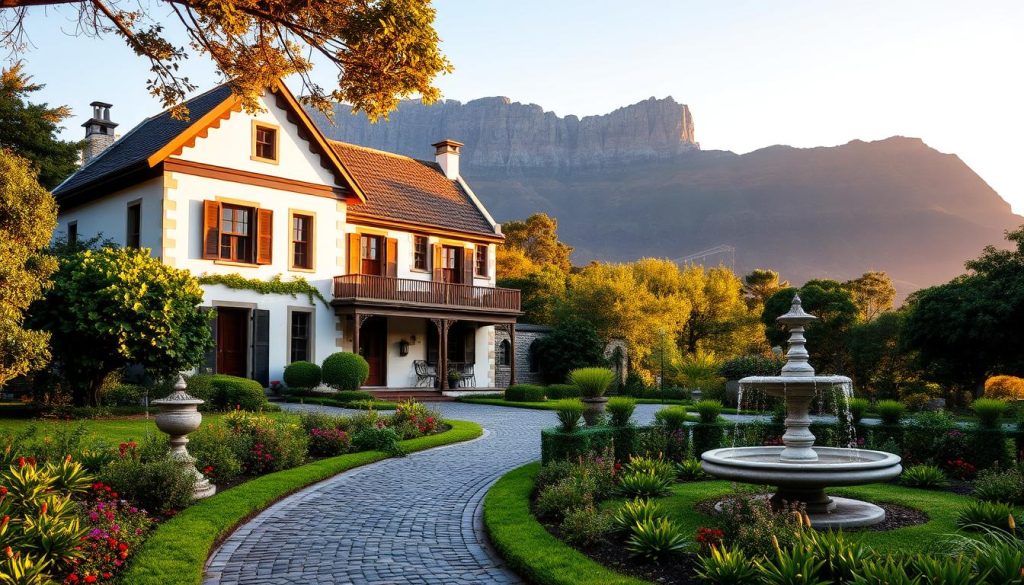
The Castle of Good Hope is South Africa’s oldest colonial building. Built by the Dutch East India Company from 1666 to 1679, it was a fortress and government center. Today, it’s a museum and hosts cultural events, showing the city’s colonial history.
District Six Museum and the History of Forced Removals
The District Six Museum tells the story of apartheid’s forced removals. It shows the community’s history and resilience. Personal stories and artifacts highlight the human cost of apartheid.
Bo-Kaap Neighborhood: Colorful Houses and Cape Malay Heritage
The Bo-Kaap neighborhood is famous for its colorful houses and Cape Malay heritage. It’s one of South Africa’s oldest Muslim communities, founded by slaves and prisoners. Visitors can walk its cobblestone streets, visit the Bo-Kaap Museum, and try local food.
Robben Island: A Monument to Resilience
Robben Island is where Nelson Mandela was imprisoned for 18 years. It symbolizes the fight against apartheid and Mandela’s strength. Now a museum and UNESCO World Heritage Site, it offers tours of the prison and other key sites.
These sites are more than just places to see. They open a window into Cape Town’s complex history and its role in South Africa’s story.
Natural Wonders and Outdoor Activities
Cape Town is full of natural beauty, from mountains to coastlines. It offers many outdoor activities for everyone. Whether you’re into adventure or just want to relax, there’s something for you.
Table Mountain National Park and Cable Car Experience
Table Mountain is a must-see in Cape Town. It has amazing views of the city. You can ride a cable car to the top or hike up for a challenge.
Cape Point Nature Reserve and the Cape of Good Hope
The Cape Point Nature Reserve is another top spot. It has beautiful coastlines, wildlife, and the Cape of Good Hope. You can drive or hike through to see its beauty.
Kirstenbosch National Botanical Garden
For a calm day out, visit the Kirstenbosch National Botanical Garden. It’s known for its stunning plants and flowers. It’s perfect for those who love nature.
Beaches and Coastal Activities
Cape Town’s beaches are famous, like Cliff’s Beach and Boulders Beach. You can swim, sunbathe, or just enjoy the views. There are also surfing, kayaking, and boat tours to try.
| Activity | Location | Description |
|---|---|---|
| Cable Car Ride | Table Mountain | Panoramic views of Cape Town |
| Hiking | Table Mountain, Cape Point | Explore diverse trails and scenery |
| Beach Activities | Cliff’s Beach, Boulders Beach | Swimming, sunbathing, and water sports |
Cape Town’s Vibrant Food and Wine Scene
Exploring Cape Town reveals a lively food and wine scene. It shows the city’s diverse culture and stunning nature. The city’s food and wine are shaped by its history and culture.
Cape Winelands: Stellenbosch, Franschhoek, and Constantia
The Cape Winelands, including Stellenbosch, Franschhoek, and Constantia, are famous for their wines and views. You can visit wine estates, taste wines, and enjoy gourmet meals. Stellenbosch, with its historic feel and top wine estates, is a key spot for wine lovers.
Local Cuisine and Cape Malay Culinary Traditions
Cape Malay cuisine is a big part of Cape Town’s food scene. It’s known for its spices and flavors. Try dishes like bobotie and boerewors to taste the city’s rich culinary heritage. The mix of Indonesian, Malaysian, and African flavors is unique.
Popular Food Markets and Award-Winning Restaurants
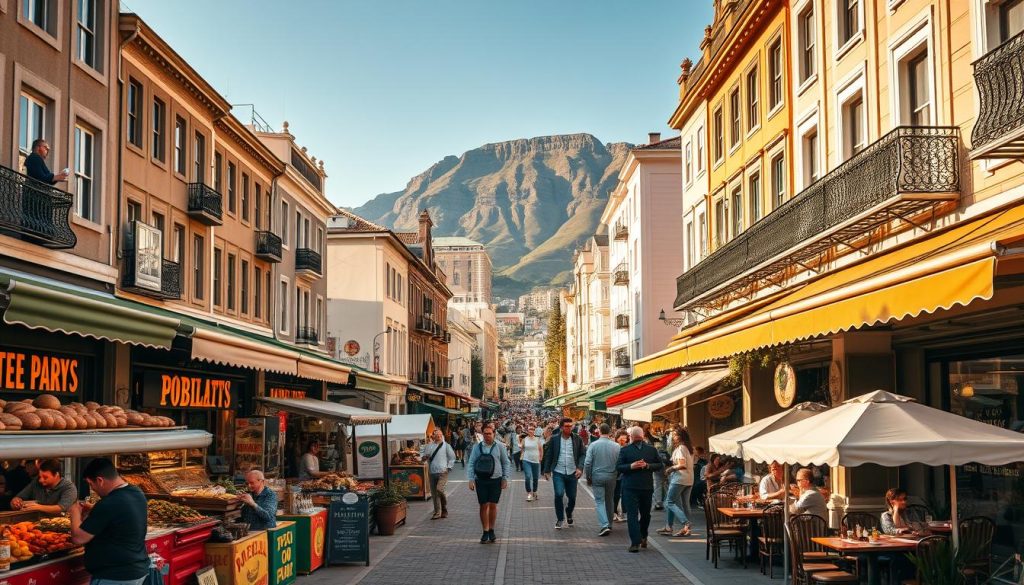
Cape Town has many food markets and top restaurants. Visit the Bo-Kaap food market or try one of the city’s famous eateries. Whether you’re into fine dining or street food, there’s something for everyone.
Modern Cape Town: Arts, Innovation, and Urban Life
Modern Cape Town is a mix of creativity, innovation, and city life. You’ll find a lively cultural scene that’s both diverse and exciting.
V&A Waterfront: Shopping, Dining, and Entertainment
The V&A Waterfront is a top spot in Cape Town. It offers shopping, dining, and fun activities. You can walk by the marina, take a boat tour, or just enjoy the scenery.
- Shopping at many boutiques and stores
- Dining at restaurants with local and international food
- Enjoying boat cruises and street shows
Zeitz MOCAA and Contemporary African Art
Zeitz MOCAA is a key cultural spot for modern African art. It showcases a wide range of art from the continent. This gives a unique look into Africa’s lively art world.
Key Highlights:
- A huge collection of modern African art
- Exhibitions of local and international artists
- A beautiful building that’s a work of art itself
Technology and Innovation Hubs
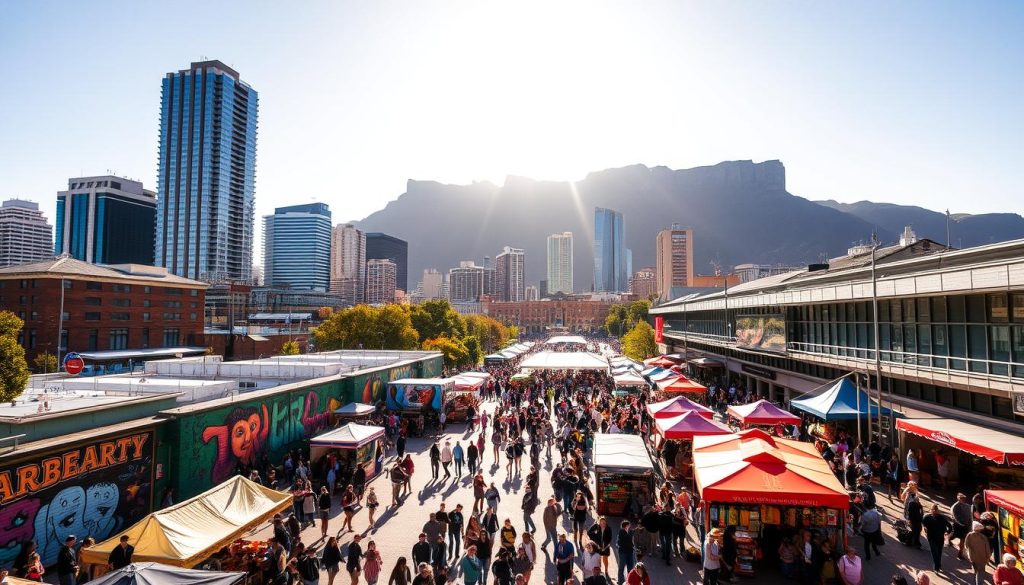
Cape Town is a center for tech and innovation. Many startups and tech firms are based here. You can check out innovation spots, go to tech events, and meet others who share your interests.
Annual Festivals and Cultural Events
Throughout the year, Cape Town has many festivals and events. These celebrate the city’s rich culture. You can find music festivals, cultural parades, and more.
Some notable events include:
- The Cape Town International Jazz Festival
- The Cape Town Cycle Tour
- The Kaapse Klopse Minstrel Parade
Planning Your Visit to the Mother City
Planning a trip to Cape Town, South Africa’s vibrant Mother City, is key for a smooth journey. It’s a city with history, natural beauty, and culture for all travelers.
Best Time to Visit Cape Town: Seasonal Considerations
Cape Town has a Mediterranean climate. It’s warm and dry in summer, mild and wet in winter. Spring (September to November) and autumn (March to May) are the best times to visit. The weather is nice, and there are fewer crowds than in summer.
Transportation and Getting Around the City
Getting around Cape Town is easy with many options. Use the MyCiTi bus service for many city areas. Metered taxis and ride-hailing services are also available. Renting a car is best for exploring the Cape Winelands.
Accommodation Options for Different Budgets
Cape Town has many places to stay, from luxury to budget-friendly. You can find hotels, guesthouses, hostels, and Airbnb apartments. The City Bowl, V&A Waterfront, and coastal suburbs are close to attractions.
Safety Tips for Tourists
Stay safe in Cape Town by being careful with your belongings. Avoid traveling alone at night. Use safe transportation and stay updated on local news.
By planning well, you’ll have a great time in Cape Town. Enjoy all this beautiful city has to offer.
Conclusion: Cape Town’s Enduring Legacy as South Africa’s Mother City
You’ve seen the rich history, vibrant culture, and stunning beauty of Cape Town, South Africa’s Mother City. Reflecting on your journey, it’s clear Cape Town’s legacy is strong. It’s rooted in its complex past, diverse heritage, and breathtaking landscapes.
Cape Town is South Africa’s oldest European settlement, making it a cultural and historical center. Its mix of indigenous, European, and Asian influences shows in its architecture, food, and traditions. From Table Mountain to Bo-Kaap’s vibrant streets, Cape Town’s charm is clear.
Planning a visit to this amazing city? You’ll feel the warmth of its people, the beauty of its nature, and the richness of its culture. Cape Town’s legacy as the Mother City shows its lasting importance in South African identity. It remains a beacon of hope, creativity, and innovation.