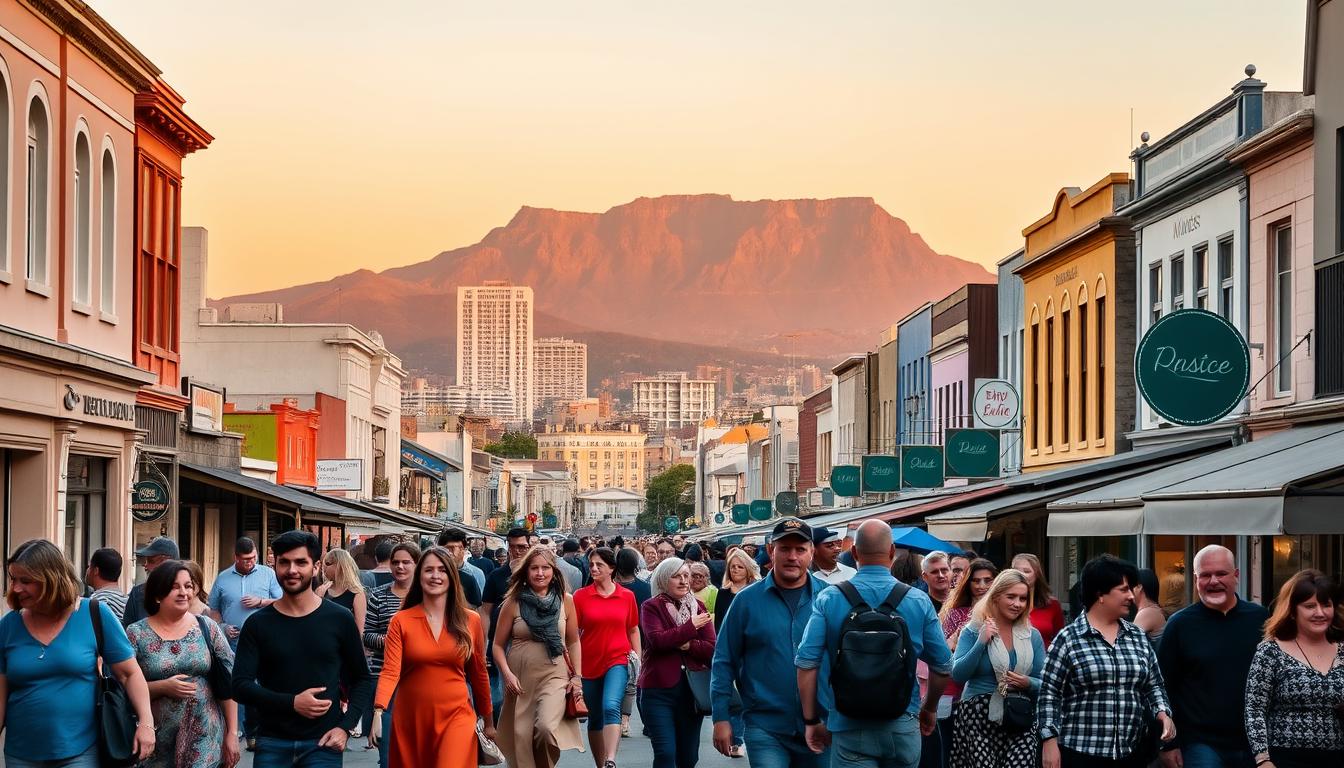
Your Guide to Staying Safe in Cape Town
Are you planning a trip to Cape Town and wondering if it’s safe? Cape Town is a lively city in South Africa, drawing millions of tourists yearly. Yet, it faces safety issues like many big cities.
To enjoy Cape Town safely, knowing how to move around is key. The city boasts breathtaking views and a rich culture. With the right knowledge and precautions, your trip can be both safe and unforgettable.
Before you go, it’s vital to know about the local safety and learn how to stay safe. This way, you can fully enjoy all that Cape Town offers.
Understanding Cape Town’s Safety Landscape
Planning a trip to Cape Town? Knowing the city’s safety is key for a stress-free visit. Cape Town, a favorite among tourists, deals with crime. But, being well-informed can boost your safety.
Current Safety Statistics and Trends
Cape Town’s safety picture is shaped by crime stats and trends. Knowing these can help you stay safe while exploring.
Crime Statistics in Tourist Areas
In tourist spots, you’ll often see police around, making them safer. Yet, small crimes like pickpocketing and bag snatching can happen. This is more common in busy places like the V&A Waterfront and Table Mountain.
Seasonal Safety Variations
Safety in Cape Town changes with the seasons. In peak tourist times, busy areas are safer with more police. But, off-peak seasons might feel riskier with fewer people around.
How Cape Town Compares to Other Major Tourist Destinations
Crime rates differ greatly between cities. Cape Town faces safety issues, but so do many other places. Knowing local conditions and taking precautions can lower your risk.
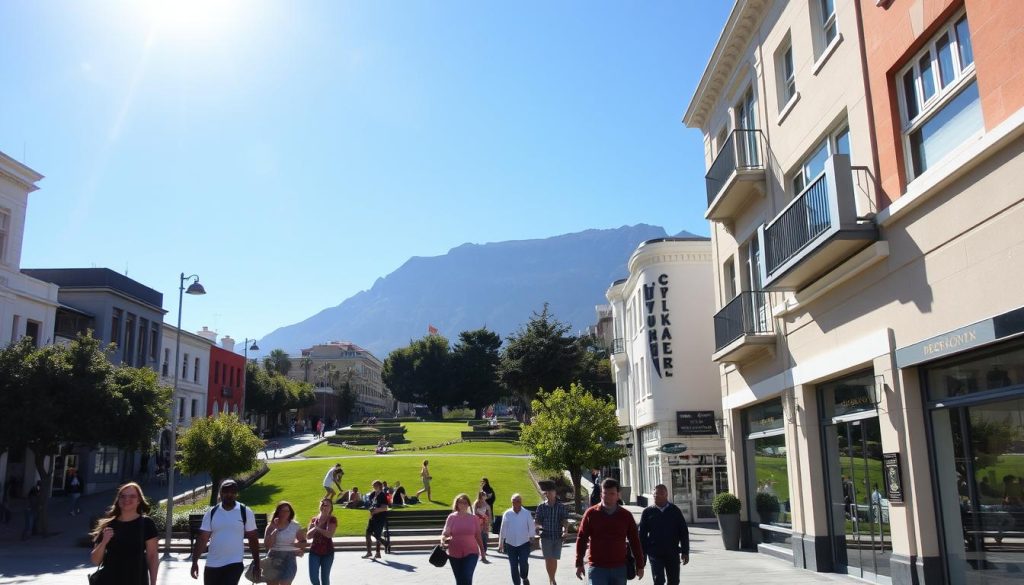
Is Cape Town Safe for Tourists? The Honest Truth
Thinking about visiting Cape Town? Safety is probably your top concern. Cape Town, like many big cities, faces safety issues. But, it also has strong security measures and safe areas for tourists.
Common Safety Concerns
Petty theft and armed robbery are common in Cape Town. Knowing about these can help you stay safe.
Petty Theft and Pickpocketing
Petty theft and pickpocketing happen in crowded spots and tourist areas. Keep your valuables safe and watch your surroundings.
Armed Robbery Risks
Armed robbery is rare in tourist areas. Still, stay alert, be careful at night, and don’t show off wealth.
Positive Safety Developments in Recent Years
Cape Town has worked hard to make it safer for tourists. The tourism police and better security have helped a lot.
Tourism Police Initiatives
The tourism police have started new programs. They patrol more and teach tourists about safety.
Improved Security Infrastructure
Security in tourist spots has gotten better. There are more CCTV cameras and lights to keep crime away.
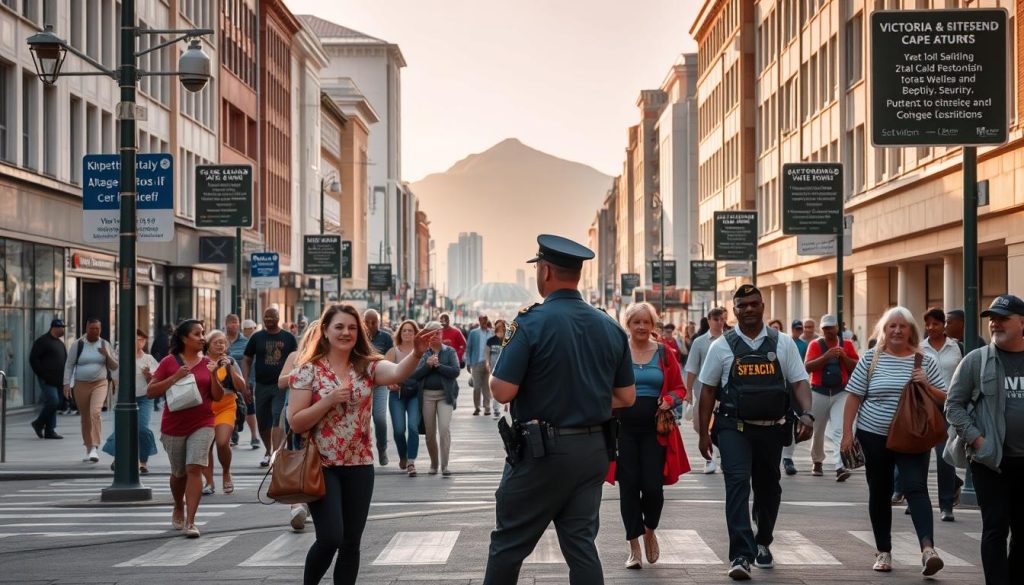
Knowing the safety issues and the good steps taken, you can have a great time in Cape Town.
Cape Town Crime Rate: What You Need to Know
When you visit Cape Town, knowing about the local crime rate can help keep you safe. The city is stunning and lively, but it’s good to know where to be careful. This knowledge helps you stay safe while exploring.
High-Risk Areas to Be Cautious About
Some parts of Cape Town are riskier for tourists. Knowing these areas helps you stay safe. It’s important to be careful in these spots.
Townships and Informal Settlements
Visiting townships and informal settlements without a guide is not advised. These places have high crime rates. They can be dangerous for tourists.
Central Business District After Hours
The Central Business District is lively and safe during the day. But, it can get deserted and unsafe at night. Be careful walking alone here after dark.
Types of Crimes Tourists Might Encounter
In Cape Town, tourists might face scams and vehicle-related crimes.
Scams Targeting Visitors
Scammers target tourists with fake offers and overpriced goods. Knowing about these scams helps you stay safe.
Vehicle-Related Crime
Crimes like theft or break-ins happen in tourist areas. Keep valuables hidden and park in safe spots to avoid these issues.
| Crime Type | Precaution | Area |
|---|---|---|
| Scams | Be cautious of overly friendly locals offering unsolicited tours or deals | Tourist hotspots |
| Vehicle-Related Crime | Keep valuables out of sight, park in secure locations | Public parking areas |
| Theft | Be mindful of your belongings, specially in crowded areas | Beaches, markets |

Safest Areas in Cape Town for Tourists
Choosing a safe area for your stay in Cape Town is key for a worry-free trip. The city has both safe and unsafe spots. Knowing where to stay and visit can greatly improve your trip.
Recommended Neighborhoods for Accommodation
Cape Town has many safe spots for tourists. Two top picks are:
V&A Waterfront and Surroundings
The V&A Waterfront is lively with shops, food, and fun. It’s very safe, thanks to its tight security. It’s perfect for those who want to be near top sights.
Camps Bay and Atlantic Seaboard
Camps Bay boasts lovely beaches and lively nights. The Atlantic Seaboard, like Clifton and Bantry Bay, is also safe. These spots are favorites among tourists, with a strong police presence.
Tourist-Friendly Areas with Good Security
There are more safe spots in Cape Town for tourists.
Southern Suburbs
The Southern Suburbs, like Claremont and Newlands, are safe and loved by tourists. They offer a suburban vibe, close to the city.
Wine Regions and Outlying Areas
Places like Stellenbosch and the Cape Winelands are safe and offer a special cultural experience.
“The Cape Winelands are a must-visit, with their stunning landscapes and world-class wines.”

Transportation Safety Tips in Cape Town
To have a safe and fun time in Cape Town, knowing the best ways to get around is key. Whether you’re on public transport, using rideshare services, or driving, being smart about safety can really help. It makes your trip better.
Safe Public Transportation Options
Cape Town’s public transport is well-organized, like the MyCiTi bus service. Always keep an eye on your stuff and don’t travel alone in quiet places at night. It’s safer that way.
MyCiTi Bus System
The MyCiTi bus is a reliable and safe choice for getting around. These buses are new and clean, with safe stops for tourists.
Avoiding Minibus Taxis
Minibus taxis are common for locals but not for tourists. They’re not safe because they’re often crowded and can be a place for theft.
Rideshare and Taxi Safety Guidelines
For a safer ride, use Uber. Always check the driver’s rating and make sure the car looks like the app says it will.
Uber vs. Traditional Taxis
Uber is safer than regular taxis. It lets you track your ride and share it with others, making it safer.
Driving in Cape Town: What to Watch Out For
Driving in Cape Town can be risky, with dangers like carjacking and reckless driving. Always lock your doors and be careful at stops.
Carjacking Prevention
To avoid carjacking, don’t stop in quiet spots and keep your doors locked. If someone says they’re a cop, don’t open your window. Drive to a safe place instead.
Parking Safety Measures
When parking, pick places that are bright and safe. Don’t leave valuables where they can be seen, as it might attract trouble.
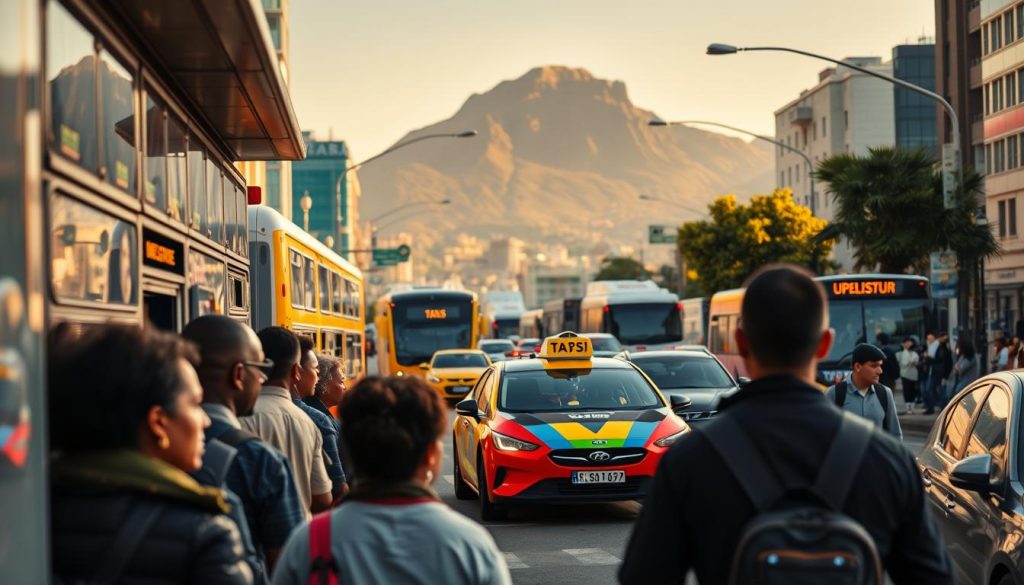
By following these tips, you can greatly improve your safety in Cape Town. Stay informed, watch your surroundings, and choose safe transport options. This way, your trip will be both safe and fun.
Day vs. Night: Adjusting Your Safety Approach
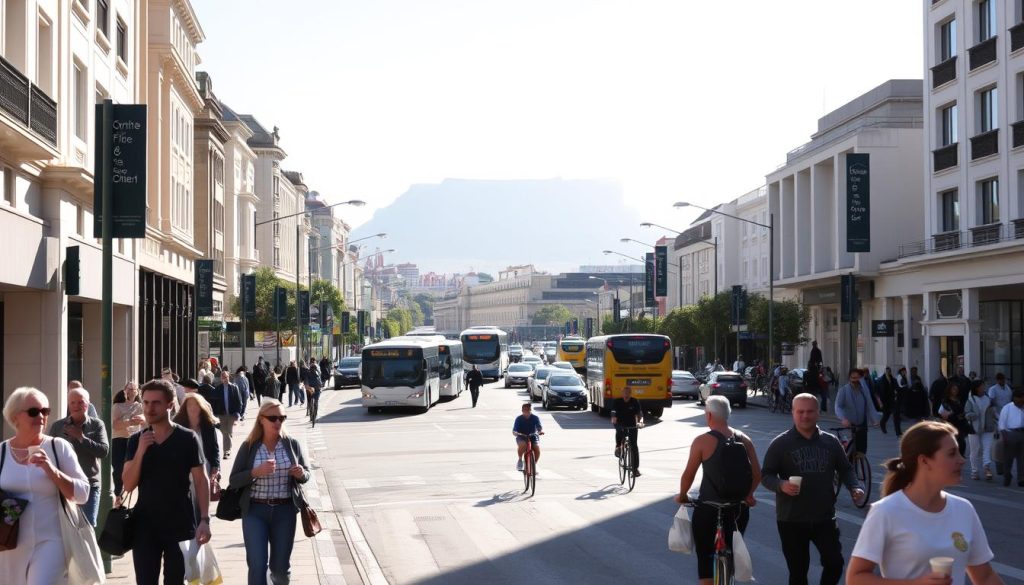
Knowing the difference between day and night safety in Cape Town is crucial for a safe trip. As a tourist, you must be aware of your surroundings. Adjust your safety strategies based on the time of day.
Daytime Safety Considerations
During the day, Cape Town is full of tourists and locals. But, crowded areas need extra caution.
Crowded Tourist Attractions
Keep an eye on your belongings at places like the V&A Waterfront and Table Mountain. Pickpocketing is common in crowded spots.
Hiking and Outdoor Activities
Stay on marked trails when hiking. Don’t hike alone. Tell someone your plans and when you’ll be back.
Nighttime Precautions to Take
At night, the city feels different, and safety needs change.
Safe Evening Entertainment Areas
Choose well-lit, busy places like Long Street or Bo-Kaap for evening fun. These spots usually have good security.
Transportation After Dark
Use trusted taxi services or ride-sharing apps at night. Don’t walk alone in dark streets.
Essential Safety Tips for Cape Town Visitors
Cape Town is a city of stunning beauty. But, it’s important to stay safe to enjoy it fully. Knowing your surroundings and taking precautions can make your trip better.
Personal Belongings and Valuables
Keeping your belongings safe is key in tourist spots. Use money belts and anti-theft bags to protect your valuables. Also, store important items in the hotel safe when you’re in your room.
Money Belts and Anti-Theft Bags
A good money belt or anti-theft bag can help prevent theft. Look for ones with slash-proof straps and secure pockets.
Hotel Safe Usage
Always put valuable items like passports and cash in the hotel safe. Lock your room door and use the safety deposit box if you can.
ATM and Money Safety
Be careful when using ATMs. Avoid machines that look tampered with. Cover the keypad with your hand when typing your PIN.
Avoiding ATM Scams
Watch out for strangers at ATMs. Never let them help you. Check your bank statements for any odd transactions.
Currency Exchange Safety
Exchange money at trusted places like banks or currency exchange offices. Don’t exchange on the street or at airports, as rates might be bad.
Digital Security and Scam Awareness
In today’s world, knowing about public Wi-Fi risks and common tourist scams is crucial. Don’t do sensitive transactions on public Wi-Fi. Be careful of overly friendly strangers.
Public Wi-Fi Risks
Public Wi-Fi is not secure, making it easy for hackers. Use a VPN when using public Wi-Fi.
Common Tourist Scams
Watch out for scams like the “distraction technique.” One person distracts you while another steals. Always keep your things close and be wary of unsolicited help.
Exploring Cape Town’s Attractions Safely
When you explore Cape Town’s attractions, keeping safe is key. The city has many landscapes and cultural spots for all travelers.
Table Mountain Safety
Table Mountain is a top spot in Cape Town. Here are some safety tips:
Hiking vs. Cable Car Considerations
- For hiking, make sure you have the right gear and check the weather.
- The cable car is safer, but watch your stuff and personal space.
Weather-Related Risks
The weather on Table Mountain can change fast. Be ready for quick changes in weather and temperature.
Beach Safety Guidelines
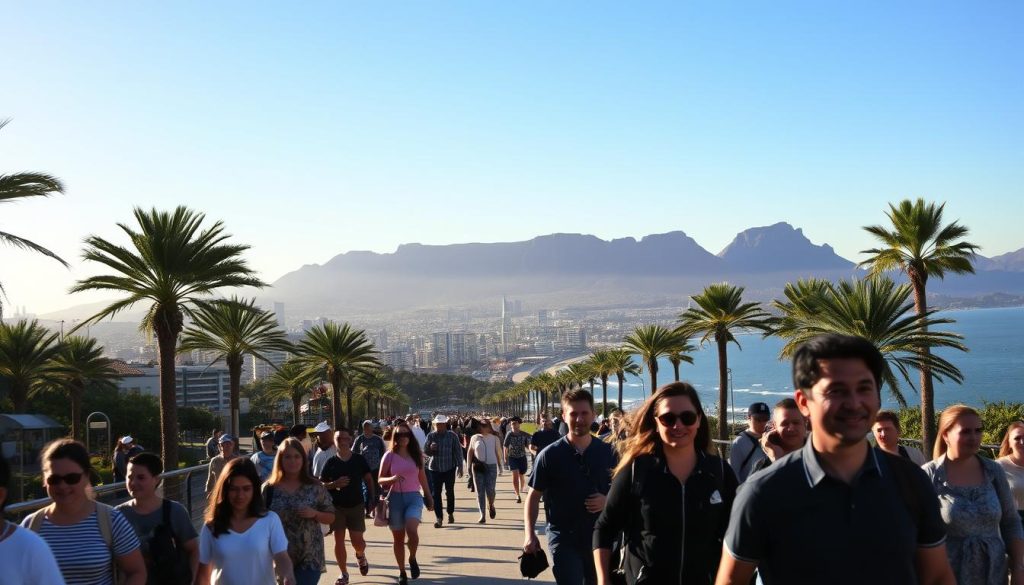
Cape Town’s beaches are popular, but safety first. Here are some tips:
Swimming Hazards and Shark Awareness
- Swim at beaches with lifeguards and follow their advice.
- Watch for shark warnings and avoid swimming in shark areas.
Belongings Security at Beaches
Always watch your things, as theft can happen at the beach.
| Beach | Lifeguard Presence | Shark Warning |
|---|---|---|
| Boulders Beach | Yes | No |
| Muizenberg Beach | Yes | Occasional |
Township Tour Safety Considerations
Visiting Cape Town’s townships can be rewarding if done safely.
Choosing Reputable Tour Operators
Look for tour operators with good safety records and positive reviews.
Cultural Respect Guidelines
- Respect local customs and traditions.
- Talk to your guide to learn about the culture of the places you visit.
Knowing these safety tips helps you enjoy Cape Town’s attractions safely.
Emergency Contacts and Resources in Cape Town
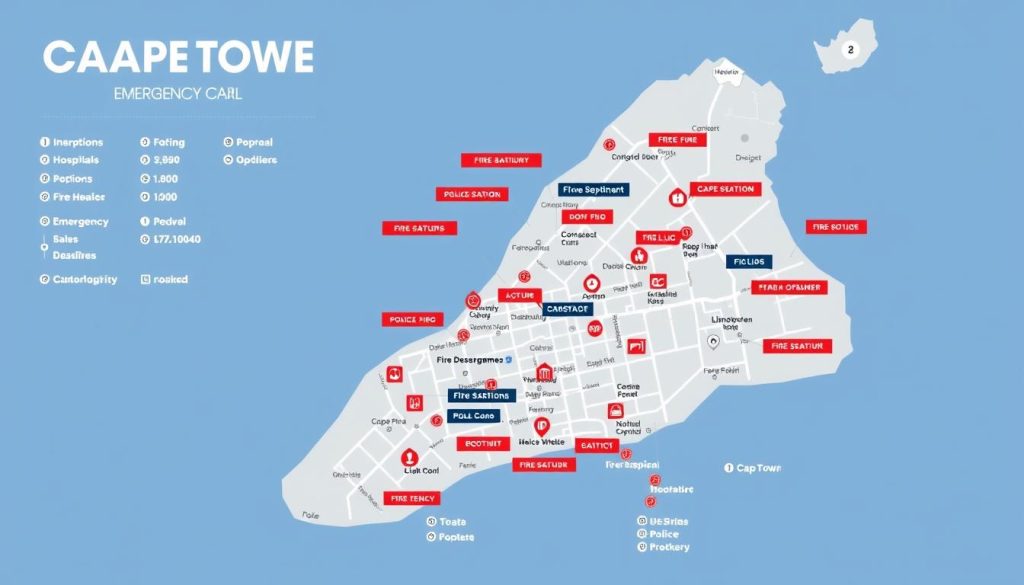
In case of an emergency in Cape Town, knowing the right contacts is crucial. The city has many emergency services and resources for tourists.
Important Phone Numbers to Save
Having key phone numbers saved can be a lifesaver. Here are some important ones:
Police and Emergency Services
- Dial 10111 for the South African Police Service (SAPS)
- Dial 112 for emergency services (like 911 in the US)
Tourist Assistance Hotlines
For help that’s not an emergency, call the Cape Town Tourism Helpline or your tour operator’s support number.
Medical Facilities for Tourists
Cape Town has modern medical facilities. Here are some options:
Private vs. Public Hospitals
Private hospitals like Groote Schuur Hospital and Mediclinic Cape Town offer top-notch care. Public hospitals are also available but may have longer wait times.
Pharmacy Access
Pharmacies are easy to find, with big chains like Clicks and Dis-Chem all over the city.
Your Embassy/Consulate Information
US Consulate Services in Cape Town
If you’re a US citizen, the US Consulate in Cape Town helps with emergencies, passports, and more. Keep their contact info ready.
Safety Tips for Special Groups of Travelers
Traveling with family, alone, or as part of the LGBTQ+ community in Cape Town? There are safety tips just for you. Knowing what your group needs is key for a safe and fun trip.
Family Travel Safety in Cape Town
When families visit Cape Town, they should keep a few things in mind. Keeping an eye on your kids and your stuff is important.
Child-Specific Precautions
Traveling with kids means a few extra steps. Here’s what to do:
- Always watch them, even in busy places.
- Teach them to stay close to you.
Family-Friendly Secure Accommodations
Picking the right place to stay is crucial. Look for hotels or apartments that are safe for families.
Solo Traveler Considerations
Solo travelers in Cape Town need to be extra careful. Know where you are and avoid walking alone at night.
Meeting Other Travelers Safely
Want to meet others? Join group tours or use trusted travel apps.
Extra Vigilance Strategies
Always watch your things. Don’t show off expensive items.
LGBTQ+ Traveler Safety Notes
Cape Town is welcoming to LGBTQ+ travelers, but still be cautious. Knowing the local scene and laws helps you stay safe.
LGBTQ+-Friendly Areas
Some spots in Cape Town are better for LGBTQ+ folks. Find these areas to plan your trip better.
Cultural Sensitivity Advice
| Traveler Type | Safety Considerations | Recommended Precautions |
|---|---|---|
| Families | Crowd safety, child supervision | Keep children close, choose family-friendly accommodations |
| Solo Travelers | Avoiding isolation, being aware of surroundings | Join group tours, avoid displaying wealth |
| LGBTQ+ | Understanding local attitudes and laws | Research LGBTQ+-friendly areas, be culturally sensitive |
Pre-Trip Preparation for Safe Travel
Planning a safe and fun trip to Cape Town starts before you go. There are important steps to take to keep you safe and secure.
Travel Insurance Considerations
Getting the right travel insurance is key. Look for policies that cover:
- Theft and Loss: Make sure your policy covers stolen or lost items, like luggage and passports.
- Medical Emergencies: Your insurance should help with medical costs, including hospital stays.
- Emergency Evacuation: Having coverage for emergency evacuations can save your life.
Important Documents and Copies
Having the right documents and copies makes travel easier. Consider these:
- Digital Backups: Make digital copies of important documents. Store them online safely and access them easily.
- Emergency Contact Cards: Create cards with emergency contact info, like your embassy and a local contact.
Health Preparations
Health is a big part of your trip. This includes:
- Vaccinations and Medications: Talk to your doctor about needed vaccinations and medications.
- COVID-19 Considerations: Keep up with COVID-19 travel rules and advisories for Cape Town.
By focusing on these areas, you can make your trip to Cape Town safer and more enjoyable.
Conclusion: Enjoying Cape Town with Peace of Mind
Planning a trip to Cape Town? You might wonder, “Is Cape Town safe for tourists?” Knowing the city’s safety and taking steps to stay safe lets you enjoy all it offers with confidence.
Travel safety in Cape Town is key for visitors. You’re ready to explore safely with the tips and info given. Stay in safe areas, use trusted transport, keep an eye on your stuff, and stay updated on local news. This way, you can have a great time without worries.
Being alert and careful makes your visit to Cape Town both safe and fun. The city’s beauty, culture, and lively vibe are waiting for you. With some planning and caution, you’ll make memories that last a lifetime in this amazing place.