Ultimate Thailand Itinerary: 10 Days of Unforgettable Travel
In this ultimate Thailand itinerary, we will guide you through an amazing 10-day journey, exploring the top attractions and must-visit places in Thailand. Get ready for an unforgettable experience in the Land of Smiles.
If you’re planning a trip to Thailand and only have 10 days, don’t worry. We’ve got you covered with the best Thailand itinerary that will allow you to explore this beautiful country to the fullest in just 10 days. From the vibrant city of Bangkok to the island paradise of Phuket, the cultural hub of Chiang Mai, and the picturesque province of Krabi, this itinerary covers all the must-see destinations.
You’ll also get essential travel tips, information on the best time to visit Thailand, must-try Thai cuisine, transportation options, safety tips, currency and money matters, and cultural etiquette to ensure a smooth and enjoyable trip.
So, pack your bags and join us on this incredible journey of discovering Thailand in 10 days.
Day 1: Discovering the Vibrant Bangkok
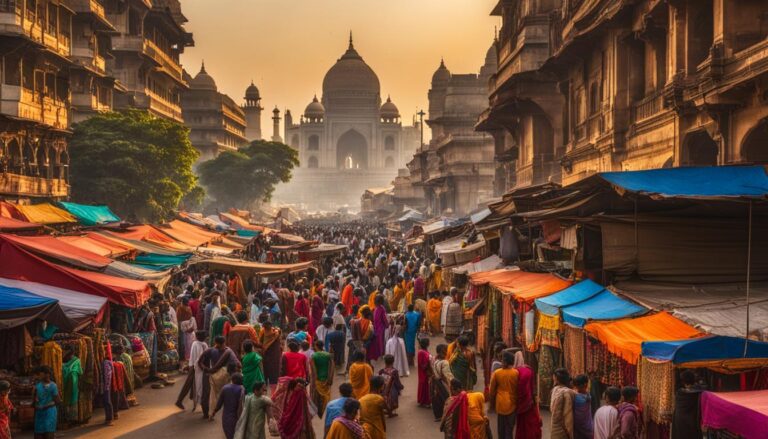
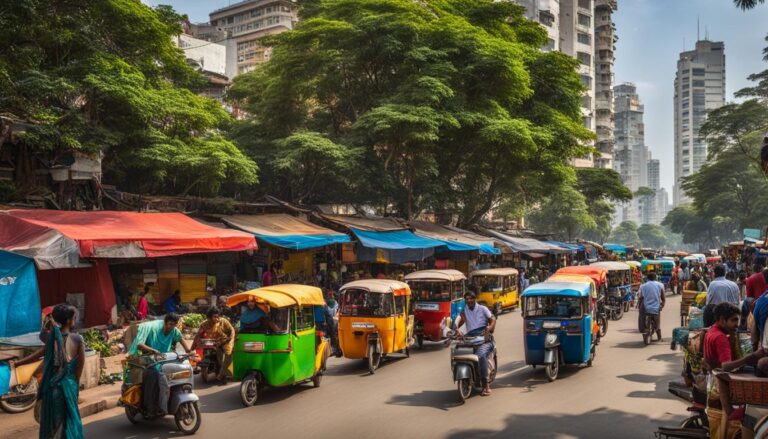
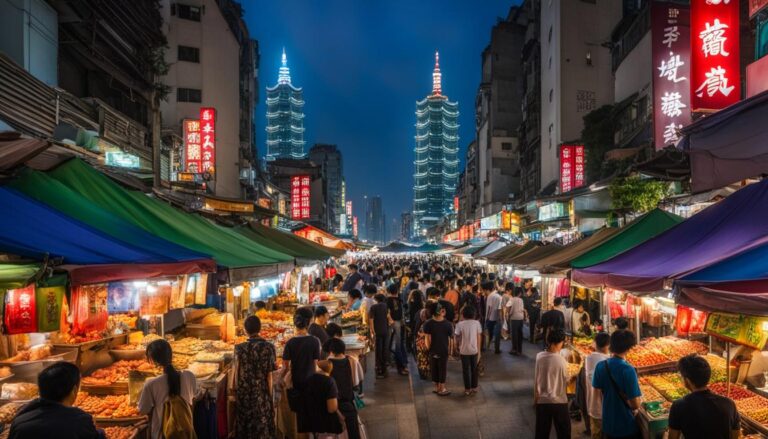
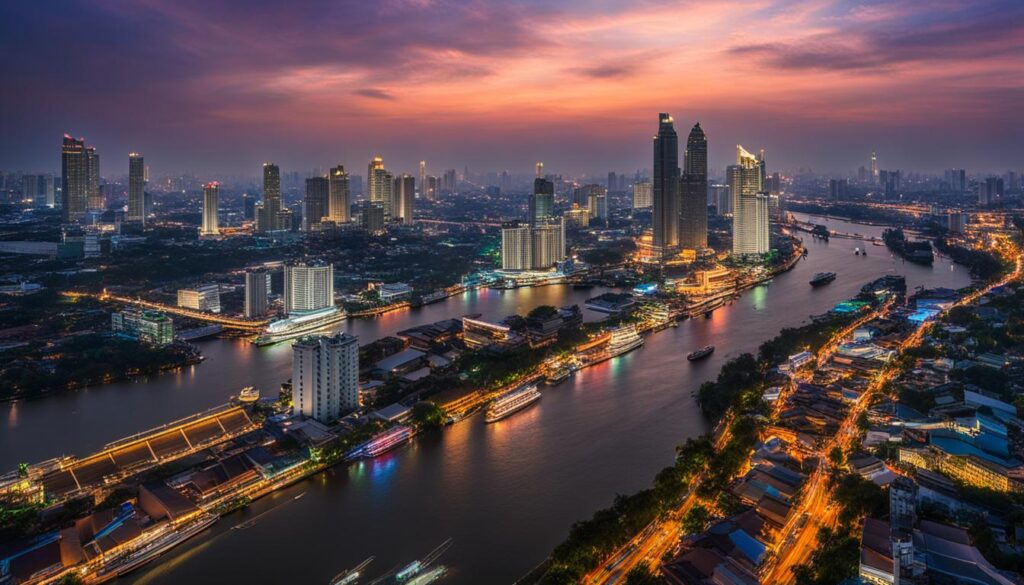
On your first day in Thailand, immerse yourself in the vibrant city of Bangkok. As a first-time visitor, you will be amazed by the bustling streets filled with tuk-tuks and street food vendors, the glittering temples, and the charming canals.
Bangkok Travel Guide
Before heading out to explore the city, it’s essential to have a basic Bangkok travel guide. Bangkok is a sprawling metropolis, and getting around can be challenging at first. However, the city is well-connected via public transportation, including the BTS Skytrain, MRT subway, and public buses. Taxis and tuk-tuks are also widely available, but make sure to negotiate the fare before hopping in.
Top Attractions in Bangkok
When it comes to top attractions in Bangkok, the list is endless. However, here are a few must-visit places to add to your Bangkok itinerary:
| Attraction | Description |
|---|---|
| Grand Palace | A magnificent complex of royal buildings, including the impressive Wat Phra Kaew temple. |
| Wat Pho | A stunning temple complex known for its giant reclining Buddha statue. |
| Chatuchak Market | A massive outdoor market where you can find everything from souvenirs to street food. |
| Khao San Road | A bustling street lined with bars, restaurants, and budget-friendly accommodations popular among backpackers. |
Make sure to dress modestly when visiting temples and remove your shoes before entering. Also, be respectful of the local culture and customs.
End your day by trying some of the delicious street food Bangkok is famous for. Pad Thai, Tom Yum Goong, and Mango Sticky Rice are just a few of the must-try dishes.
Day 2-3: Island Paradise in Phuket
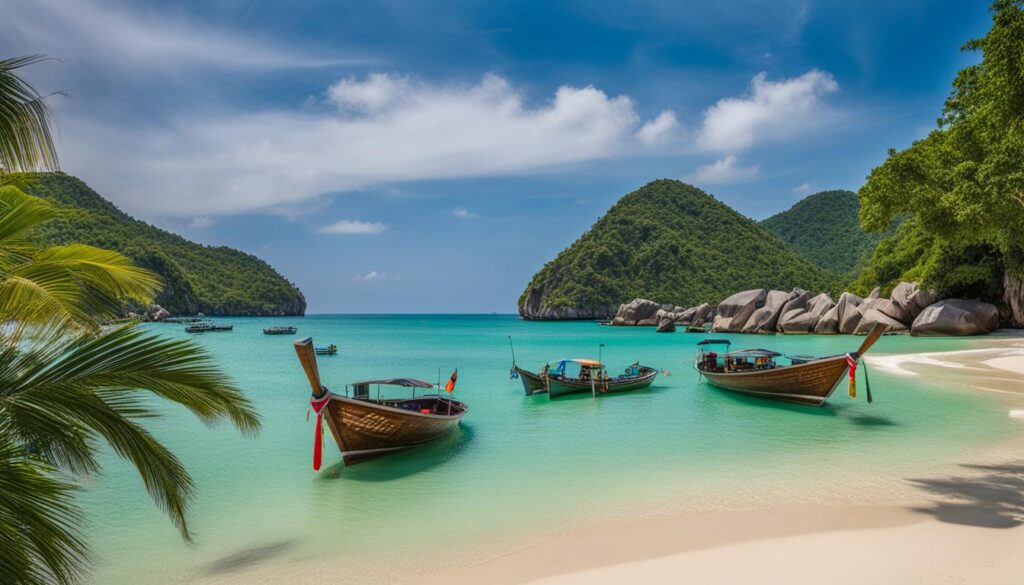
After a lively start in Bangkok, it’s time to chill out in the tropical paradise of Phuket. Known for its stunning beaches and crystal-clear waters, this island destination is a must-visit on any Thailand itinerary. Here are some of the best things to do during your two-day stay:
Day 2: Beach Hopping and Snorkeling
Start your day with a scenic drive to the southernmost point of Phuket to visit Promthep Cape. Marvel at the panoramic views of the Andaman Sea and the surrounding islands. Continue your journey to the famous Nai Harn Beach, a secluded spot that offers pristine white sands and turquoise waters. Spend the morning relaxing on the beach, swimming, or sunbathing.
After lunch, head to the nearby Ya Nui Beach. This hidden gem is perfect for snorkeling. Swim amongst colorful fish and coral reefs while enjoying the peaceful atmosphere. Afterward, catch the sunset at the Windmill Viewpoint, another stunning spot to admire the beautiful views of Phuket.
Day 3: Island Tour and Nightlife in Patong
Embark on a full-day island tour. Hop on a speedboat and explore some of the most beautiful islands in the Andaman Sea, such as James Bond Island and Phi Phi Islands. Marvel at the towering limestone cliffs, turquoise waters, and stunning beaches.
Return to Phuket in the evening and explore the vibrant nightlife scene in Patong. Walk along Bangla Road and soak in the lively atmosphere filled with neon lights, street performers, and delicious street food. Don’t miss the famous Bangla Boxing Stadium, where you can watch a thrilling Muay Thai fight.
With its stunning beaches, crystal-clear waters, and vibrant nightlife, Phuket is a destination not to be missed on your Thailand itinerary.
| Beach | What to Do |
|---|---|
| Nai Harn Beach | Relax, swim, sunbathe |
| Ya Nui Beach | Snorkel, swim |
| Patong Beach | Sunbathe, swim, nightlife |
Day 4-5: Cultural Delights in Chiang Mai
On day 4 of your Thailand itinerary, travel to the northern region of Chiang Mai, known for its rich culture, ancient temples, and stunning natural beauty. Explore this charming city for the next two days, immersing yourself in the local culture and traditions.
Chiang Mai boasts over 300 temples, making it a paradise for temple enthusiasts. Visit the famous Wat Phra That Doi Suthep, a stunning Buddhist temple perched on a hilltop with magnificent views of the city below. Take a stroll through the grounds of the Wat Chedi Luang, a historic temple dating back to the 14th century.
Don’t miss the opportunity to experience a traditional Thai cooking class, where you can learn to prepare authentic dishes using local ingredients. Visit the local markets to gather ingredients and immerse yourself in the vibrant culinary scene of Chiang Mai.
| What to do in Chiang Mai | Estimated Cost |
|---|---|
| Wat Phra That Doi Suthep | $8 USD |
| Wat Chedi Luang | $4 USD |
| Thai Cooking Class | $30-50 USD |
Chiang Mai is also home to abundant natural beauty, including pristine waterfalls, lush forests, and serene mountain landscapes. Take a day trip to the stunning Doi Inthanon National Park, where you can explore the highest peak in Thailand and witness breathtaking views of the surrounding valleys.
Wrap up your Chiang Mai adventure with a visit to the famous Night Bazaar, an exciting market filled with handicrafts, souvenirs, and delicious street food. Experience the vibrancy and energy of this bustling market and take home unique treasures to remember your time in Chiang Mai.

Day 6-7: Serene Beauty in Krabi
Escape to the serene beauty of Krabi, a province in southern Thailand, for the next two days of your epic journey. With its stunning beaches, turquoise waters, and unique limestone formations, Krabi is the perfect destination to unwind and rejuvenate.
Railay Beach
Head over to Railay Beach, accessible only by boat, to experience one of the most beautiful beaches in Thailand. With its crystal-clear waters, white sandy beach, and towering limestone cliffs, Railay Beach offers spectacular views and a peaceful atmosphere.

| Railay Beach | Phi Phi Islands |
|---|---|
| White sandy beach | Pristine beaches |
| Crystal-clear waters | Crystal-clear waters |
| Towering limestone cliffs | Breathtaking views |
Phi Phi Islands
Take a boat tour to the iconic Phi Phi Islands, a group of six islands located between Krabi and Phuket. Known for their pristine beaches, crystal-clear waters, and breathtaking views, the Phi Phi Islands offer a unique experience that cannot be missed.
Whether you choose to snorkel, swim, or simply relax on the beach, the Phi Phi Islands are a must-visit destination during your 10-day Thailand itinerary.
After a day of exploring the beautiful landscapes of Krabi, head back to your accommodation, relax, and prepare for the next leg of your adventure.
Day 8: Historical Ayutthaya
Just a short day trip from Bangkok, Ayutthaya is a UNESCO World Heritage Site and a must-see historical destination during your trip to Thailand. Once the capital of the Kingdom of Siam, Ayutthaya is home to ancient ruins and majestic temples that provide a glimpse into Thailand’s rich history and culture.
You can easily reach Ayutthaya by train, bus, or taxi from Bangkok. Once you arrive, you can explore the ruins on foot, by bike, or by tuk-tuk. The most popular sites to visit include the Bang Pa-In Royal Palace, Wat Yai Chai Mongkol, and Wat Mahathat, which features the iconic Buddha head entwined in tree roots.
If you’re interested in learning more about Thailand’s history, consider hiring a local tour guide who can provide you with in-depth information and insights about the sites you’ll be visiting.
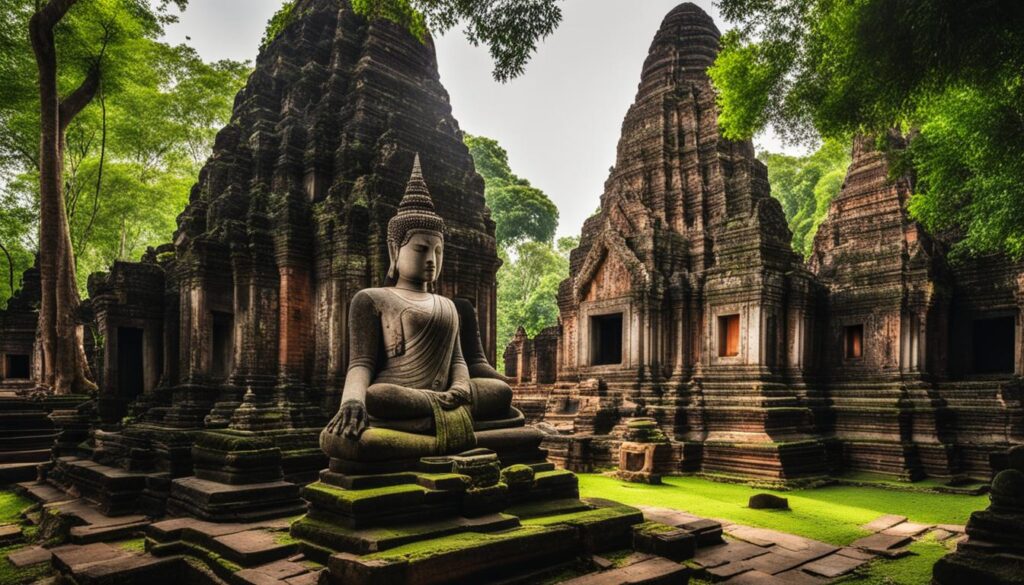
“Ayutthaya is a UNESCO World Heritage Site and a must-see historical destination during your trip to Thailand.”
Day 9-10: Relaxation in Koh Samui
Your 10-day Thailand itinerary ends in the serene paradise of Koh Samui. The island is known for its idyllic beaches, lush jungle, and tranquil atmosphere, providing the perfect setting for ultimate relaxation.
Start your day by treating yourself to a rejuvenating spa treatment or yoga class. Then, head out to explore the island’s stunning natural beauty. One of the best beaches in Koh Samui is the Chaweng Beach, where you can soak up the sun, go for a swim, or indulge in water sports. Alternatively, the Lamai Beach offers a more laid-back and tranquil setting.
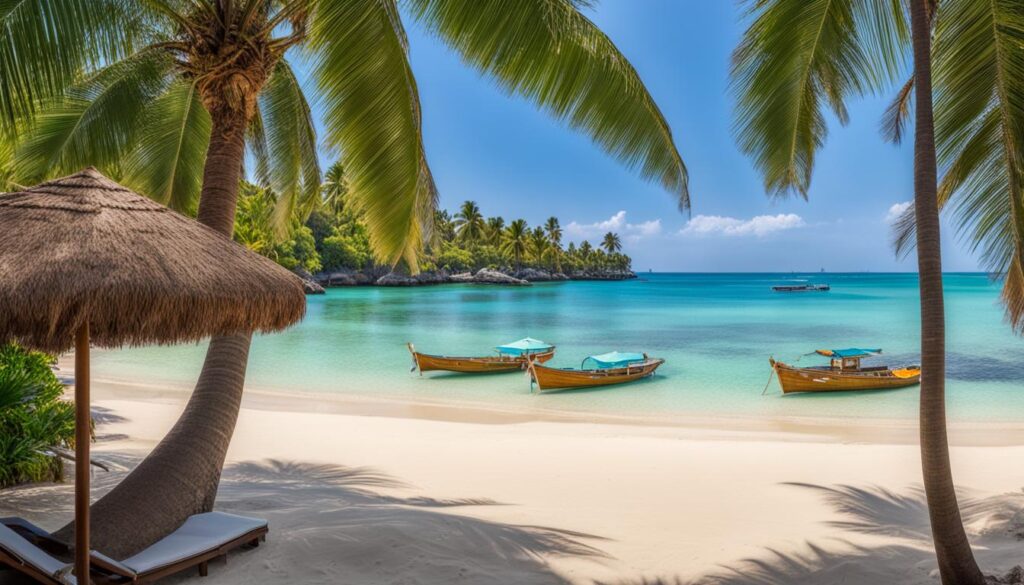
For a cultural experience, visit the Big Buddha Temple, a prominent landmark that overlooks the island from its hilltop location. Marvel at the imposing statue and take in the breathtaking views of the surrounding landscape.
Before you leave, don’t forget to explore the vibrant markets, where you can find unique souvenirs and local crafts.
Exploring Thailand in 10 Days: Travel Tips
Planning a 10-day trip to Thailand can be overwhelming, but with the right preparation, it can be an enjoyable and memorable experience. Here are some essential travel tips to make your trip hassle-free:
Visa Requirements
Make sure you have the necessary documents and visas before you depart for Thailand. If you are a citizen of the United States, you can stay in Thailand for up to 30 days without a visa. However, if you plan to stay longer or have a different nationality, check the visa requirements beforehand.
Transportation
Thailand has an extensive transportation network, including buses, trains, tuk-tuks, and domestic flights. Research the best transportation options for your itinerary and book in advance to secure seats and avoid the hassle of finding transportation last minute. Remember that taxis and tuk-tuks do not always use meters, so agree on a price before getting in.
Packing Essentials
Thailand’s tropical climate means hot and humid weather year-round. Be sure to pack light, breathable clothing, comfortable walking shoes, and plenty of sunscreen. Don’t forget to also pack insect repellent to protect against mosquito bites, especially if you plan to visit outdoor attractions.
Cultural Etiquette
Thailand is a predominantly Buddhist country, and it’s important to be respectful of local customs and traditions. Dress modestly when visiting temples, take off your shoes before entering, and never touch a Buddha statue or image. Also, avoid pointing your feet at people or objects, as it is considered rude in Thai culture.
Money Matters
The Thai currency is the baht, and it’s recommended to have cash on hand for small purchases such as street food and transportation. ATMs are widely available in cities and major tourist destinations, but be aware of potential scams and always check transaction fees. Most restaurants and hotels accept credit cards, but it’s always good to have cash as a backup.
Language Barrier
Although English is widely spoken in tourist areas, it’s helpful to learn a few basic Thai phrases to communicate with locals and show respect for their culture. Some useful phrases include “sawasdee” (hello), “khop khun” (thank you), and “mai pen rai” (no problem).
Best Time to Visit Thailand
Thailand has a tropical climate, which means it’s warm and humid throughout the year. However, the weather can vary from region to region, and it’s important to know the best time to visit to make the most of your trip.
High Season
The high season in Thailand is from November to February, when the weather is mild and pleasant, making it the best time to visit. The temperatures are cooler, and there is less rainfall, which means you can enjoy outdoor activities without worrying about the weather. This is also the busiest time of the year for tourism, so expect higher prices and larger crowds.
Shoulder Season
The shoulder season falls between March and May and September to October in Thailand. During this time, the weather is still warm, but with occasional showers. This period is less crowded than the high season, and you may find better deals on accommodation and flights.
Low Season
The low season in Thailand is from June to August, when the temperatures are higher, and the humidity is at its peak. This period also experiences heavy rainfall and occasional flooding. However, the upside to visiting during this time is that you will find fewer tourists and lower prices on flights and accommodation.

No matter when you choose to visit Thailand, be sure to pack appropriate clothing for the weather and activities you have planned. When visiting temples or other places of worship, it’s important to dress modestly, covering your shoulders and legs.
Must-Try Thai Cuisine
One of the highlights of traveling to Thailand is undoubtedly the food. Thai cuisine is known for its harmonious balance of sweet, sour, salty, and spicy flavors. Here are some popular Thai dishes you must try during your 10-day trip:
| Dish | Description |
|---|---|
| Pad Thai | A stir-fried noodle dish with shrimp, tofu, bean sprouts, and peanuts, flavored with tamarind and fish sauce. |
| Tom Yum Goong | A spicy and sour shrimp soup with lemongrass, lime leaves, and chili peppers. |
| Mango Sticky Rice | A dessert made of glutinous rice, fresh mango, and sweet coconut milk. |
| Green Curry | A curry dish made with coconut milk, green chili peppers, and chicken or beef. |
| Som Tam | A spicy and tangy papaya salad with peanuts, tomatoes, and lime juice. |
While these dishes are popular, there are many other Thai dishes to discover. Don’t be afraid to try something new and venture out of your comfort zone. Your taste buds will thank you.
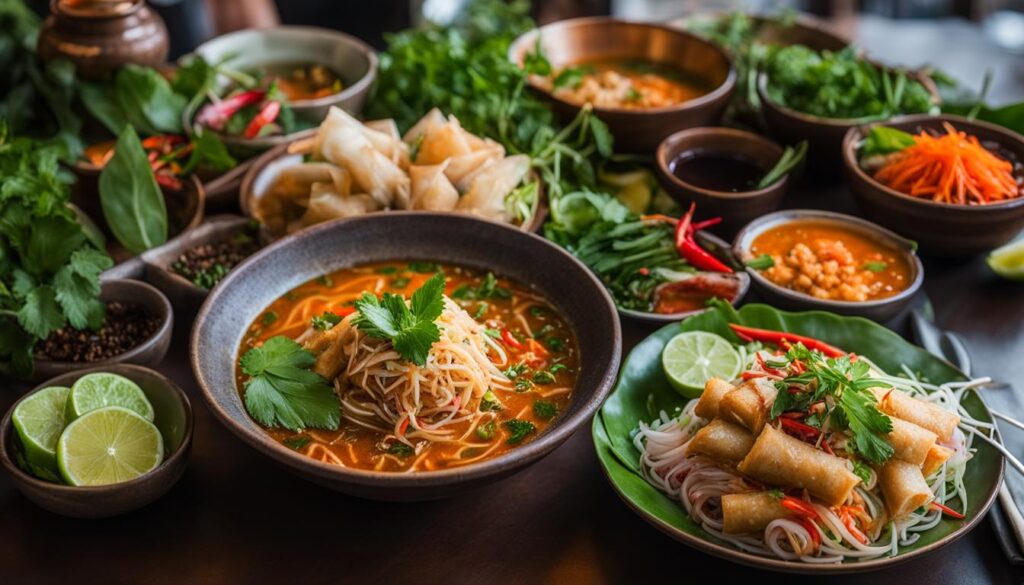
Thai cuisine also offers a wide range of vegetarian and vegan options, with fresh herbs and vegetables used in many dishes. If you have any dietary restrictions, be sure to communicate them clearly to your server.
When dining in Thailand, it’s common to share dishes with your tablemates. This allows you to try a variety of dishes and experience the communal aspect of Thai dining culture.
Enjoy the culinary delights of Thailand and savor the unique flavors that make Thai cuisine a favorite among foodies around the world.
Transportation in Thailand
Getting around Thailand is made easy with various transportation options. From tuk-tuks and taxis to trains and buses, there are plenty of ways to explore the country. Here are some transportation options for your 10-day trip to Thailand:
Tuk-tuks
Tuk-tuks are a popular way to travel short distances in Thailand. These three-wheeled motorized vehicles can often be found near tourist areas and markets. Negotiate the fare with the driver before getting in and always wear a helmet when provided. Keep in mind that tuk-tuks are not the most comfortable or safest mode of transportation.
Taxis
Taxis are readily available in cities like Bangkok and are metered, so there’s no need to negotiate the fare. Be sure the taxi has a working meter and that the driver uses it. It’s also a good idea to have your destination written down in Thai to avoid any miscommunications.
Trains
Train travel is a popular way to see the countryside in Thailand. Trains connect major cities and towns, and there are several classes of travel to choose from, including first, second, and third class. First-class cabins offer the most comfort and privacy, while third-class cabins can be crowded and noisy.
Buses
Buses are another popular way to travel in Thailand and can be a cheaper alternative to trains. There are several types of buses, including air-conditioned and non-air-conditioned, and express and local. Express buses are faster and make fewer stops, while local buses can take longer but allow for a more authentic experience.
Tip: Be prepared for traffic in cities like Bangkok, which can be extremely congested during peak hours.
Whether you decide to take a tuk-tuk or a train, getting around Thailand is an adventure in itself. Plan your transportation ahead of time and keep these options in mind as you explore the Land of Smiles.
Safety Tips for Traveling in Thailand
Thailand is a relatively safe country to visit, but like any destination, it’s important to take precautions to ensure your safety. Here are some safety tips to keep in mind during your trip to Thailand:
- Always carry your important documents, such as your passport, with you.
- Beware of pickpockets and keep your belongings close to you, especially in crowded areas like markets and public transportation.
- Avoid walking alone at night, especially in unfamiliar areas.
- When travelling by taxi or tuk-tuk, negotiate the fare before getting in.
- Be cautious when renting a motorbike or scooter, as traffic can be chaotic and accidents can occur.
- Avoid drugs and dealing with drugs in any way, as drug laws in Thailand are very strict.
It’s also important to be aware of natural hazards that may occur during your trip, such as extreme weather conditions or wildlife encounters. Stay informed of weather warnings, and follow instructions from local authorities in case of an emergency.
By following these safety tips and remaining vigilant during your trip, you can ensure a safe and enjoyable experience in Thailand.
Currency and Money Matters
When traveling to Thailand, it’s important to be familiar with the local currency and money matters. The official currency of Thailand is the Thai baht (THB), and it’s recommended to carry cash in small denominations since many markets and street vendors may not accept credit cards.
Exchanging money in Thailand is easy and can be done at currency exchange booths, banks, and some hotels. However, be aware of potential scams and only exchange money at reputable establishments. It’s also important to check the exchange rates and fees before exchanging money.
| Exchange Rate | US Dollar to Thai Baht |
|---|---|
| 1 USD | 30.45 THB |
| 10 USD | 304.49 THB |
| 100 USD | 3,044.93 THB |
ATMs are also widely available throughout Thailand, but be aware of potential fees and withdrawal limits. Some ATMs may also not accept foreign cards, so it’s best to check with your bank before traveling.
Using credit cards in Thailand is possible in many establishments, but it’s important to carry cash as a backup. Some places may also charge an additional fee for credit card transactions, so it’s best to check before using your card.
Overall, it’s recommended to have a combination of cash and cards when traveling to Thailand. Familiarize yourself with the local currency and exchange rates to ensure a smooth and hassle-free trip.
Cultural Etiquette in Thailand
Thailand is a country rich in traditions and customs, and it’s important to respect them during your visit. Understanding cultural etiquette will help you to make the most of your trip and avoid any misunderstandings or offenses.
Dress Code
Dress code is significant in the Thai culture, and you should dress appropriately when visiting temples, shrines, or any other religious sites. Modest clothing is the norm and it’s expected to cover your shoulders, knees, and shoes must be removed before entering any religious place. Beachwear and revealing clothing must be avoided in public places.
Greetings and Gestures
Greetings are important in Thai culture. A wai, which is a prayer-like gesture with your hands placed together in front of your chest and a slight bow of your head, is a common way to greet people. You should use the wai while greeting elders, monks, or anyone in a position of respect. However, a handshake is also acceptable in business and formal settings.
Social Customs
When visiting someone’s home, it’s customary to remove your shoes before entering. Pointing your feet towards anyone or any sacred image is considered rude and must be avoided. Also, showing anger or frustration publicly is not acceptable in Thai culture, as it can cause loss of face and affect social harmony.
Table Manners
When dining in Thailand, it’s common to share dishes with others. It’s important to wait for the host to invite you to start eating before you begin. Also, using chopsticks for eating is common in Thailand, but it’s acceptable to ask for a spoon and fork if you are not comfortable using chopsticks.
Bottom Line
Familiarizing yourself with Thai cultural etiquette will make your trip more enjoyable and memorable. Always remember to show respect and gratitude towards the locals and their customs. By doing so, you will be welcomed with open arms to the Land of Smiles.
Conclusion
Congrats on completing your 10-day Thailand itinerary! Hopefully, you’ve had a great adventure traveling across the land of smiles and exploring all the must-visit places in this beautiful country.
From the bustling city of Bangkok to the serene beaches of Koh Samui, you’ve experienced the best of what Thailand has to offer. The vibrant culture, exotic cuisine, and friendly locals have surely left a lasting impression on you.
Some of the highlights of your trip may include wandering through the ancient temples of Chiang Mai, relaxing on the stunning Railay Beach in Krabi, or experiencing the bustling markets of Bangkok.
This ultimate 10-day Thailand itinerary aimed to guide you through an unforgettable journey, offering useful travel tips, essential information about the country, and highlighting the best attractions and must-visit places.
We hope that this guide has been helpful and that you’ve had an amazing trip. Safe travels and we hope to see you in Thailand again soon!