Your Guide to the Best Season for the Coral Coast
Are you planning a trip to one of Australia’s most stunning destinations? The Coral Coast in Western Australia is a year-round haven for travelers. It offers a diverse range of experiences for different tastes and interests.
and unique seasonal activities, the Coral Coast is perfect for adventure, relaxation, or a mix of both.
When planning your trip, knowing what each season offers on the Coral Coast is key. Whether you want optimal weather conditions or special events, this guide will help. It will ensure your Coral Coast vacation is perfect.
Discovering Australia’s Magnificent Coral Coast
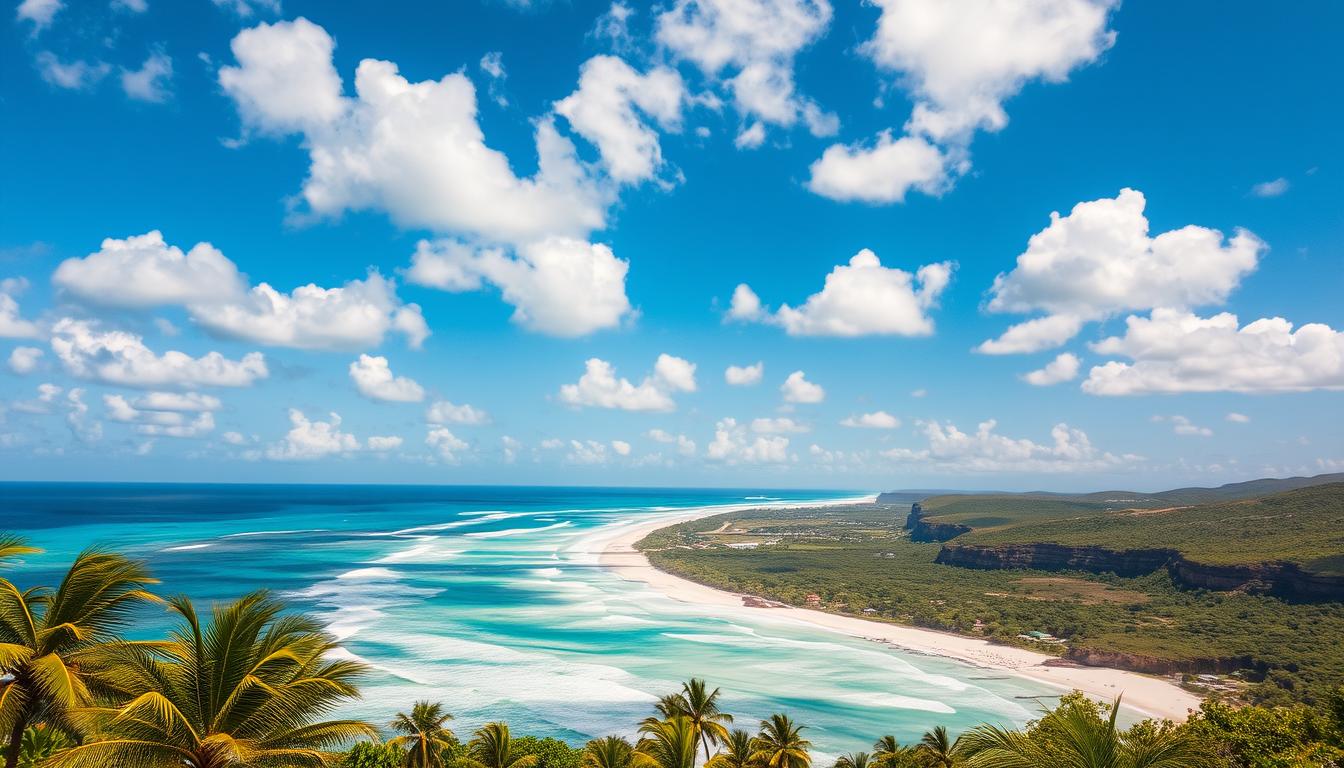
The Coral Coast stretches over 1,100 kilometers. It showcases Australia’s diverse landscapes and marine environments. This region offers a mix of natural wonders and attractions for all interests.
Where is the Coral Coast Located?
The Coral Coast is in Western Australia. It goes from Cervantes to Exmouth. This area includes the famous Ningaloo Reef and the beautiful Shark Bay.
Major Attractions and Natural Wonders
The Coral Coast boasts some of Australia’s most stunning natural spots. Key attractions include:
- Ningaloo Reef, one of the largest fringing coral reefs in the world
- Shark Bay, a UNESCO World Heritage Site known for its dolphin-friendly Monkey Mia
- The Pinnacles Desert, featuring thousands of limestone pillars
These spots offer adventure, relaxation, and exploration.
Why the Coral Coast Deserves a Spot on Your Bucket List
The Coral Coast is a must-see for its unique blend of natural beauty and diverse wildlife. It’s perfect for snorkeling or diving, watching whales and dolphins, or enjoying the beaches. Its untouched nature and rich culture make it unforgettable.
What is the Best Time of Year to Visit the Coral Coast?
Planning a trip to the Coral Coast means knowing its climate. It has a tropical climate with a dry and wet season. Each season offers different experiences and challenges.
Overview of Seasonal Patterns
The dry season, from May to October, is the best time to visit. You’ll find clear skies, calm seas, and comfortable temperatures. It’s perfect for snorkeling, diving, and exploring the coast.
The wet season, from November to April, has higher temperatures and humidity. There’s a chance of tropical cyclones. Yet, it’s lush and less crowded, with possibly lower prices.

Peak vs. Off-Peak Considerations
Peak season (May to October) offers great weather for attractions like Ningaloo Reef. But, it’s busy and prices are high.
The off-peak season is quieter and cheaper. But, be ready for wet season challenges like closed attractions.
How to Choose Your Ideal Travel Window
Think about what you want to do on your trip. For whale watching or swimming with whale sharks, pick the right time.
| Season | Weather | Activities | Pros and Cons |
|---|---|---|---|
| Dry Season (May-Oct) | Clear skies, calm seas, comfortable temperatures | Snorkeling, diving, exploring coastline | Pros: Optimal weather, many activities. Cons: Busier, higher prices |
| Wet Season (Nov-Apr) | Higher temperatures, increased humidity, potential cyclones | Lush vegetation, fewer crowds | Pros: Greener landscapes, potentially lower prices. Cons: Challenging weather, some attractions closed |
Match your preferences with each season’s traits. This way, you’ll pick the best time for your Coral Coast trip, ensuring a great experience.
Summer on the Coral Coast (December-February)
Summer on the Coral Coast is hot and full of adventure. Temperatures often hit over 40°C. It’s key to plan your days to beat the heat.
Weather Conditions and Temperature Ranges
Summer brings hot and dry weather to the Coral Coast. Highs usually go over 40°C. Heatwaves can make it even hotter.

But, the coast’s sea breezes offer some relief. As “the weather is hot and dry”, drinking lots of water and finding shade or air-conditioning is important.
Summer Activities and Attractions
Summer is perfect for exploring the Coral Coast’s attractions. You can see amazing marine life on a snorkeling or diving trip to Ningaloo Reef.
- Take a boat tour to see dolphins, whales, and more.
- Visit beaches like Coral Bay and Exmouth for swimming and sunbathing.
- Try water sports like surfing, kayaking, or paddleboarding.
As one travel enthusiast said,
“The Coral Coast in summer is a paradise for water sports enthusiasts and those looking to escape the cold.”
Pros and Cons of Visiting During Australian Summer
Summer on the Coral Coast has its good and bad sides. The warm weather is great for swimming and water sports. It’s also less crowded than in winter in other parts of Australia.
But, the extreme heat can be tough. Some places might close or have shorter hours. Plan your trip for early morning or late afternoon to dodge the hottest times.
Autumn Adventures (March-May)
Autumn adds a special charm to the Coral Coast, making it a great time to visit. The summer heat fades away, leaving behind comfortable temperatures. This is perfect for outdoor fun and exploring.
Weather Patterns and Ocean Conditions
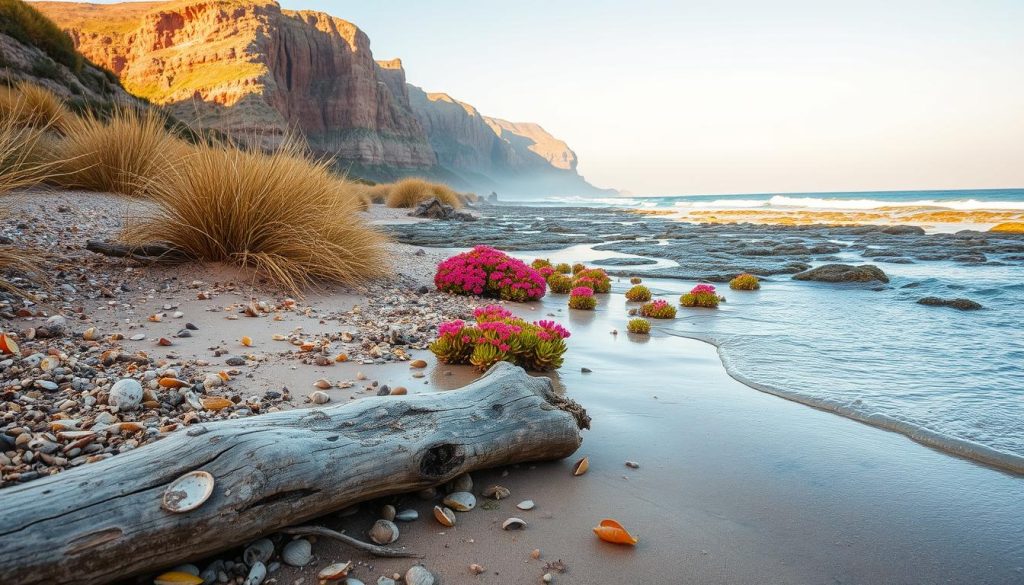
Autumn brings mild temperatures to the Coral Coast, ranging from 20°C to 25°C. This is ideal for beach fun, snorkeling, and diving. The ocean is calm, with clear waters for amazing underwater views.
Key weather highlights include:
- Mild daytime temperatures
- Cooler nights, perfect for stargazing
- Reduced risk of tropical cyclones
Best Autumn Activities and Experiences
Autumn on the Coral Coast is perfect for many activities. Here are a few:
- Snorkeling and diving with whale sharks, which start to appear in March
- Exploring the Ningaloo Reef and its vibrant marine life
- Visiting the beaches and enjoying water sports
- Taking part in guided tours to spot dolphins, turtles, and other wildlife
The calm and clear waters make autumn great for marine life encounters. It offers unforgettable experiences.
Why Autumn Might Be Your Ideal Time to Visit
Autumn brings a more relaxed vibe compared to summer. There are fewer crowds and lower prices for places to stay. The weather is comfortable, and there are lots of exciting things to do. It’s perfect for families and those who love adventure.
Consider visiting during autumn if you:
- Prefer milder weather
- Are interested in whale shark encounters
- Want to avoid the peak season crowds
Winter Wonders (June-August)
Winter on the Coral Coast is a time of wonder. It’s filled with unique experiences and breathtaking beauty. The mild weather is perfect for outdoor fun and exploring nature.
Climate and Water Temperatures
From June to August, the Coral Coast has mild temperatures. They range from 63°F to 75°F (17°C to 24°C). This is great for many activities. The water is also nice, averaging 68°F (20°C), perfect for swimming and diving.
Key weather highlights include:
- Mild daytime temperatures
- Cooler nights, ideal for stargazing
- Low humidity, making outdoor exploration comfortable

Whale Watching and Winter-Specific Attractions
Winter is the best time for whale watching. Thousands of humpback whales migrate here. You can take a guided tour to see them up close.
Other attractions include:
- Snorkeling and diving in Ningaloo Reef’s clear waters
- Visiting Shark Bay and Monkey Mia to see dolphins and marine life
- Exploring coastal towns and their shops and restaurants
Benefits of Visiting During the Australian Winter
Visiting the Coral Coast in winter has many benefits. You’ll enjoy:
- Comfortable weather for outdoor activities
- Unique wildlife experiences, like whale watching
- Lower accommodation prices than peak season
Planning your trip for winter means a more relaxed atmosphere. You’ll have a chance to enjoy the region’s natural beauty through various activities.
Spring Splendor (September-November)
Spring on the Coral Coast brings a refreshing change. It’s an ideal time to explore this Australian gem. As the weather warms up, the region becomes a haven for outdoor enthusiasts and nature lovers.
Spring Weather and Coastal Conditions
During spring, the Coral Coast enjoys mild temperatures. They range from 18°C to 25°C (64°F to 77°F). This makes it perfect for a variety of activities. The ocean conditions are generally calm, with average sea temperatures rising to a comfortable 22°C (72°F) by November.
Weather Highlights:
- Mild temperatures
- Calm ocean conditions
- Increasing daylight hours
Wildflower Season and Other Natural Phenomena
One of the standout features of spring on the Coral Coast is the wildflower season. The inland regions burst into color as native wildflowers bloom. This creates a stunning contrast to the coastal scenery.

A local botanist says, “The wildflower season on the Coral Coast is a true marvel. Over 100 species of flowers bloom in a riot of colors.”
“The Coral Coast is renowned for its incredible biodiversity. Spring is the perfect time to witness this firsthand.”
Is Spring the Perfect Time for Your Coral Coast Adventure?
Spring is an excellent time for a Coral Coast adventure. With its pleasant weather, vibrant wildflowers, and calm coastal conditions, there’s something for everyone. Whether you’re interested in hiking, snorkeling, or simply enjoying the scenery, spring offers it all.
| Activity | Spring Conditions |
|---|---|
| Snorkeling/Divinig | Calm and clear waters |
| Hiking | Mild temperatures and blooming wildflowers |
| Wildlife Watching | Active marine life and migrating species |
In conclusion, spring is a fantastic season to experience the Coral Coast. It offers a mix of comfortable weather, natural beauty, and exciting activities.
Must-Visit Destinations Along the Coral Coast by Season
Planning your trip to the Coral Coast? Knowing the best times to visit can enhance your experience. The area is filled with amazing spots, each with its own charm depending on the season.
Ningaloo Reef: Seasonal Highlights
Ningaloo Reef is a gem of the Coral Coast, perfect for snorkeling and diving. It’s home to a variety of marine life, including whale sharks and manta rays.
Summer in Australia (December to February) is the best time to see Ningaloo Reef. It’s when you can snorkel or dive with whale sharks. This is an experience you’ll never forget.

Shark Bay and Monkey Mia Through the Year
Shark Bay, a UNESCO World Heritage Site, is a must-see. Monkey Mia, part of Shark Bay, is known for its friendly dolphins. It offers different experiences all year round.
Winter (June to August) is the best time for swimming and snorkeling in Shark Bay. It’s also great for dolphin watching at Monkey Mia.
Geraldton, Kalbarri, and Other Key Locations
Geraldton and Kalbarri are key spots along the Coral Coast. They offer cultural experiences, outdoor adventures, and natural beauty. Geraldton is rich in maritime history, while Kalbarri is known for its stunning gorges and wildlife.
| Destination | Seasonal Highlights | Activities |
|---|---|---|
| Ningaloo Reef | Summer: Whale Shark Snorkeling | Snorkeling, Diving |
| Shark Bay | Winter: Dolphin Watching | Swimming, Snorkeling |
| Geraldton | Year-round: Maritime History | Museum Visits, Historical Tours |
| Kalbarri | Spring: Wildflower Bloom | Hiking, Wildlife Watching |
Understanding the seasonal highlights helps plan a trip that matches your interests. This makes your Coral Coast adventure unforgettable.
Marine Life Encounters: Timing Your Visit Perfectly
The Coral Coast is a paradise for those who love marine life. It offers a wide range of encounters that can be timed perfectly. Knowing the best times to see these encounters can make your visit even better.
Swimming with Whale Sharks: When and Where
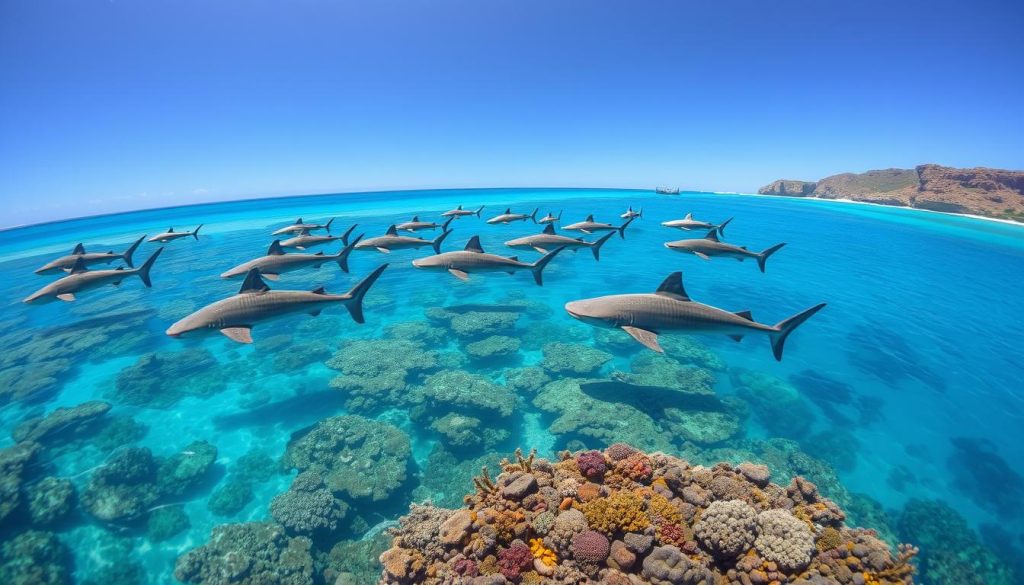
Swimming with whale sharks is a thrilling experience on the Coral Coast. These gentle giants are found in the waters off Ningaloo Reef from March to August. The best time is usually in May and June. Plan your visit during these months for a better chance of seeing them.
Manta Ray, Dugong, and Turtle Seasons
The Coral Coast is also home to manta rays, dugongs, and turtles. Manta rays are around all year, but more in the warmer months. Dugongs are often seen in Shark Bay’s shallow waters, mainly in autumn. Sea turtles nest on the beaches from November to March.
Coral Spawning and Other Underwater Spectacles
The Coral Coast is known for coral spawning in the spring months. This is after the full moon. It’s a stunning sight that shows the reef’s incredible biodiversity. You can also snorkel or dive among the vibrant coral and marine life. The best time for this is in autumn and winter.
Timing your visit for these marine life encounters can make your Coral Coast adventure unforgettable. Whether it’s swimming with whale sharks, watching manta rays, or seeing coral spawning, there’s something for every marine enthusiast.
Planning Your Trip from the United States
Planning a trip to the Coral Coast from the United States needs careful thought. You must book flights, check visa needs, and get used to the local time.
Flight Options and Travel Time Considerations
Flights from the United States to Perth are available. Then, you can take a connecting flight to the Coral Coast. Qantas and Virgin Australia are top choices. The total travel time, including stops, is 24 to 36 hours.
Visa Requirements and Entry Information
U.S. citizens must have an Australian visa to enter. The Electronic Travel Authority (ETA) is a common choice, available online. Make sure your passport is valid for at least six months after you leave.
Time Zone Adjustments and Jet Lag Management
The Coral Coast is in the Australian Western Standard Time (AWST) zone. This is 8 hours ahead of UTC. To beat jet lag, adjust your sleep a few days early and drink plenty of water on the flight.

Seasonal Budget Considerations and Accommodation Tips
Knowing when prices for places to stay go up and down is key to saving money on the Coral Coast. This area is famous for its beauty and draws visitors all year. But, how much you pay for a place to stay changes a lot based on when you go.
Peak Season Pricing and Availability Challenges
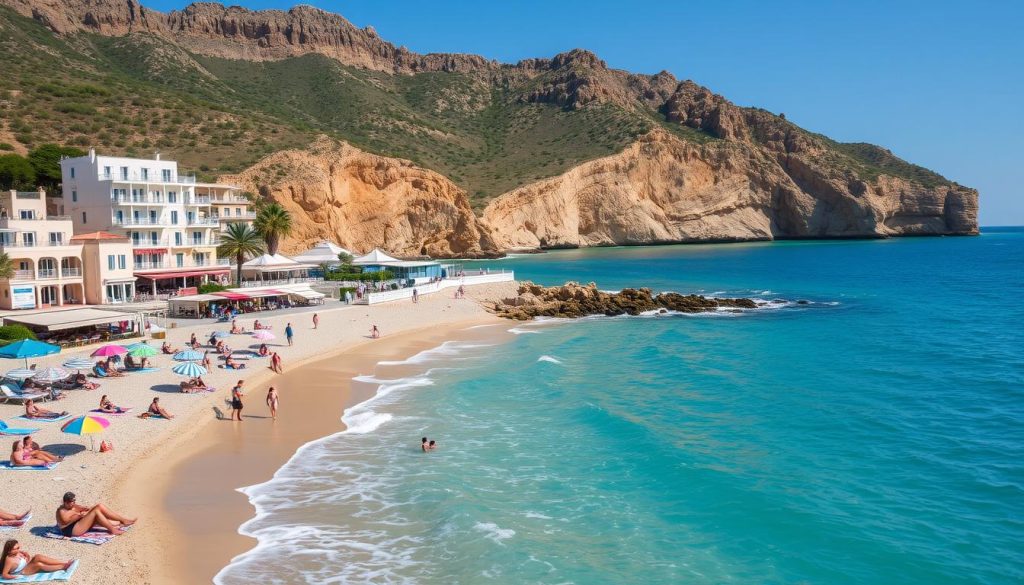
Prices for places to stay go up a lot during the peak season, which is summer in Australia (December to February). This is because lots of people want to visit. Prices are higher, and it’s harder to find a place to stay because they book up fast.
Key considerations during peak season:
- Book your stay 6-12 months early to get the best deals.
- Be ready for prices to be 20-30% higher than when it’s not busy.
- Places like Ningaloo Reef and Shark Bay might not have many places to stay.
Off-Season Deals and Value Opportunities
Going during the off-season can save you a lot of money. The shoulder season, which is autumn (March to May) and spring (September to November), has nice weather and lower prices.
Benefits of off-season travel:
- Prices for places to stay are 20-30% lower than in the busy season.
- There are fewer people, so you can enjoy places more easily.
- The weather is still great for outdoor fun like snorkeling and hiking.
Booking Strategies for Each Season
To save money, use these booking tips for each season:
- Peak Season (December-February): Book early to get a place and enjoy the holiday vibe.
- Shoulder Season (March-May & September-November): Enjoy the nice weather and save money.
- Off-Peak Season (June-August): It’s winter, but the Coral Coast is still mild. Look for deals and packages for fun activities like whale watching.
By knowing when prices change and using smart booking tips, you can have a great time on the Coral Coast without spending too much.
Conclusion: Creating Your Perfect Coral Coast Itinerary
Now that you’ve looked into the best times to visit the Coral Coast, you can make a plan just for you. Think about the seasons and what you can do there. This way, you’ll have a great trip.
The Coral Coast is perfect for any time of year. Want a summer adventure or a spring getaway? There’s something for everyone. Plan your trip to match your interests for an unforgettable journey.
When planning your Coral Coast trip, think about the busy and quiet times. Each season offers unique experiences. This helps you plan a stress-free vacation.
Begin planning your dream Coral Coast trip today. Get ready to explore the natural beauty and wonders of this Australian gem.