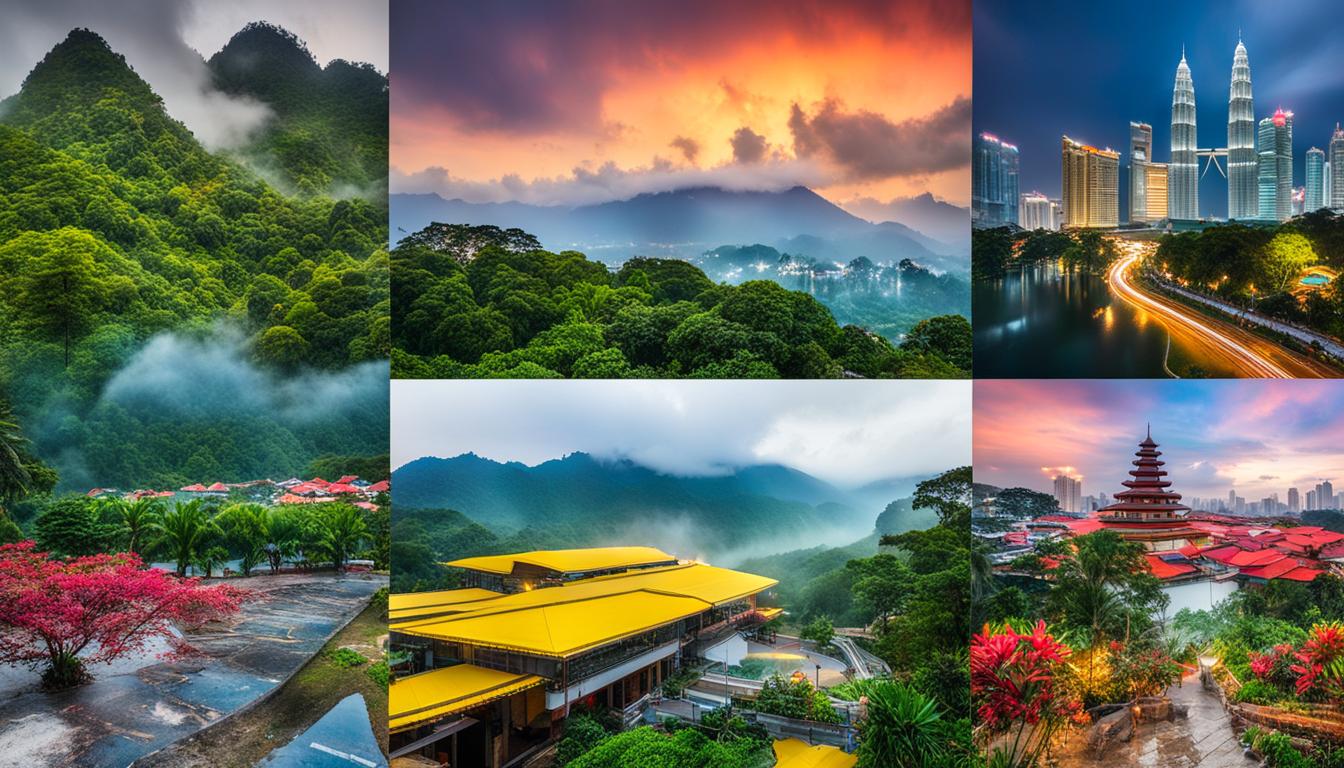
Discover What is the Best Time of Year to Visit Malaysia
Planning a trip to Malaysia and wondering when is the best time to visit? Look no further, as we explore the factors that determine the optimal time to plan your trip to this beautiful Southeast Asian country.
Malaysia is a popular tourist destination with a tropical climate all year round. However, unprepared travelers may find themselves caught in unexpected monsoons or experiencing extreme temperatures, leading to an unpleasant experience. To avoid such situations, consider the Malaysia travel season and weather conditions in your trip planning.
The best time to visit Malaysia is generally from March to October, during the dry season. During this period, the climate is more pleasant, with lower humidity and less rainfall. However, it is essential to note that different regions in Malaysia experience unique weather patterns and temperatures.
For instance, the east coast of Malaysia experiences monsoon seasons from November to February, making it unfavorable for beach activities. Conversely, the west coast of Malaysia has a more balanced climate, making it ideal for both outdoor activities and city exploration.
With Malaysia’s diverse cultural and natural attractions, the best time to visit will depend on your travel preferences and itinerary. Keep reading to learn more about the optimal travel seasons for exploring Malaysia’s stunning beaches, city life, nature, and festivals.
By understanding Malaysia’s weather patterns and travel seasons, you can plan a trip that maximizes your experience and avoids unpleasant weather-related surprises.
Let’s dive in and explore Malaysia’s best time to visit based on weather, travel seasons, and more!
Understanding Malaysia’s Climate and Weather Patterns
Before planning your trip to Malaysia, it’s essential to understand the country’s climate and weather patterns.
The weather in Malaysia is tropical, hot, and humid throughout the year, with two monsoon seasons affecting different regions.
The Southwest Monsoon season runs from May to September and brings heavy rainfall and thunderstorms to the west coast, including popular destinations such as Langkawi and Penang. On the other hand, the Northeast Monsoon season occurs from November to March and primarily affects the east coast, including Tioman Island and the Perhentian Islands. During this period, the east coast experiences high humidity and frequent rainfall.
The best time to visit Malaysia is during the dry season, which runs from December to February, when the weather is cooler and less humid. However, keep in mind that this is also the peak tourist season, and prices tend to be higher. If you don’t mind a bit of rain, the months of March to May or September to November offer fewer crowds but still have relatively pleasant weather.
It’s essential to pack appropriately for Malaysia’s weather conditions. Lightweight, breathable clothing made from natural fabrics is ideal, as well as waterproof gear and comfortable walking shoes. Be sure to bring a hat, sunglasses, and sunscreen to protect yourself from the intense tropical sun.
Overall, by understanding Malaysia’s climate and weather patterns, you can plan your trip for the ideal months and make the most of your Malaysian experience.
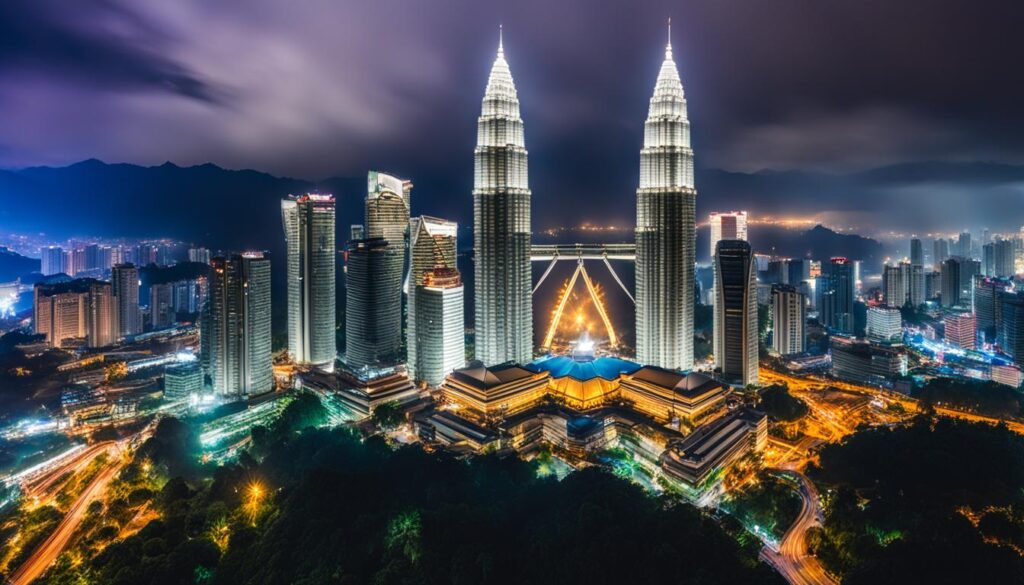
Malaysia’s Peak and Off-Peak Travel Seasons
Malaysia is a destination that can be visited year-round, but it’s essential to consider the peak and off-peak travel seasons to ensure you get the most out of your trip. The peak season in Malaysia typically occurs during the country’s major public holidays and school breaks, with an influx of domestic and international visitors. On the other hand, the off-peak season sees fewer crowds and lower prices, making it an attractive option for budget-conscious travelers.
Peak Season in Malaysia
The peak season in Malaysia usually falls between mid-November and mid-February, coinciding with the school holiday period and festive season. During this time, you can expect to encounter larger crowds and higher prices for accommodation, transportation, and tourist activities. Additionally, destinations such as Langkawi and Penang may experience more significant rainfall from September to November, which can affect beach activities and island hopping tours.
Off-Peak Season in Malaysia
The off-peak season in Malaysia generally runs from March to August, excluding the school holiday period. With fewer crowds, travelers can enjoy a more relaxed and peaceful vacation. Prices for flights, accommodations, and activities tend to be lower, making it an ideal option for budget-conscious travelers. However, it’s worth noting that East Coast destinations like Tioman Island and Redang Island experience their monsoon season during this time, limiting water activities.
Advantages and Disadvantages of Peak and Off-Peak Seasons
| Peak Season | Off-Peak Season |
|---|---|
|
|
|
Tip: Book your accommodation and activities in advance as the peak season can lead to limited availability and higher prices. |
Tip: Consider the East Coast destinations during the off-peak season for a unique experience and lower prices, but be mindful of the monsoon season’s effect on outdoor activities. |
Overall, the ideal time to travel to Malaysia depends on your preferences and priorities. If you’re looking to soak up the festive atmosphere and enjoy dry season activities, the peak season may be the best option for you. On the other hand, if you’re looking for a more relaxed and budget-friendly vacation, the off-peak season may be the ideal time to visit.
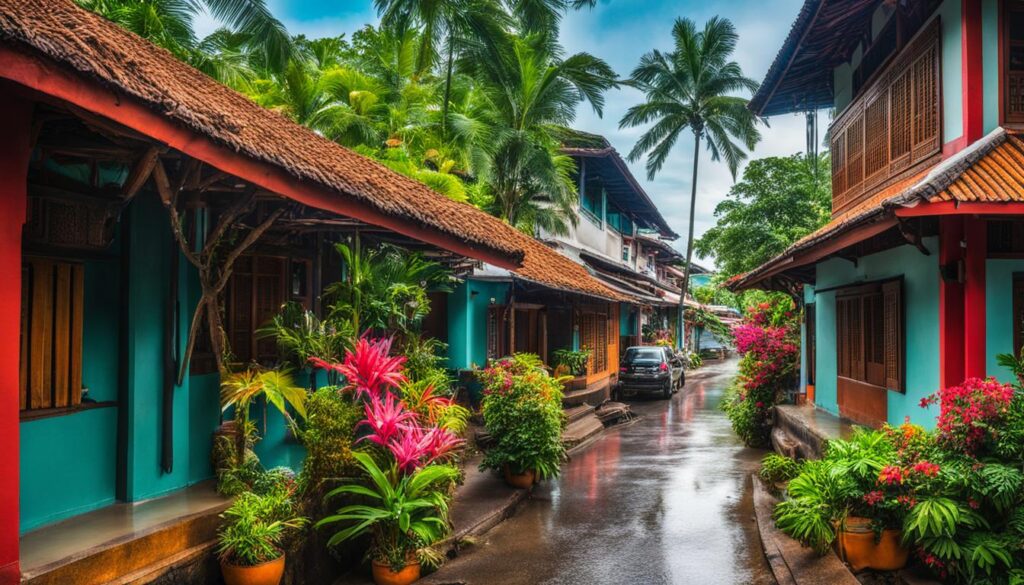
Exploring Malaysia’s Cultural and Festival Calendar
Malaysia is a land of vibrant culture and diverse traditions. The country brims with colorful festivities all year round, making it an exciting destination for travelers seeking an authentic cultural experience. If you want to immerse yourself in the vibrant local culture, plan your trip around the recommended time to visit Malaysia.
Celebrating Festivals in Malaysia
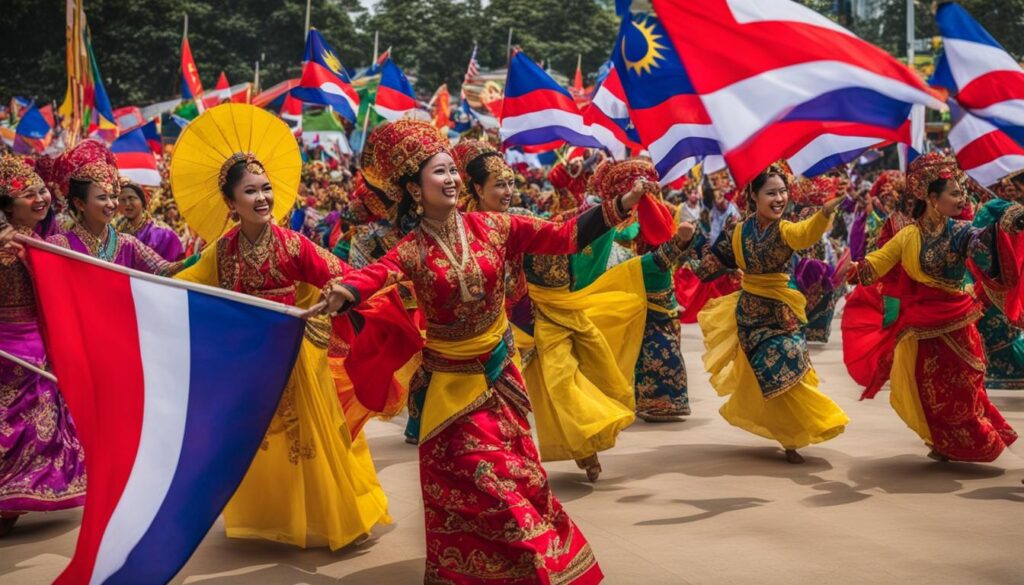
The festivals in Malaysia are a blend of different cultures influenced by Malay, Chinese, and Indian customs. The country’s cultural and festival calendar is packed with exciting events that showcase traditional music, dance, and cuisine.
“Malaysia’s cultural and festival calendar offers an exciting glimpse into the country’s rich heritage and diversity.”
One of the most popular festivals celebrated in Malaysia is the Chinese New Year. This festival falls between January and February and is marked with colorful processions, dragon dances, and fireworks displays. The Indian community celebrates Deepavali, the festival of lights, in October or November. It’s a time for family gatherings, lighting up homes with lamps, and enjoying delicious food.
The most significant festival for the Muslims is the Hari Raya Aidilfitri, which marks the end of Ramadan. This festival is celebrated in July or August and is a time for forgiveness and reconciliation. The streets come alive with vibrant decorations, traditional Malay costumes, and delicious food.
Visiting Cultural Sites in Malaysia
Malaysia’s cultural heritage is evident in its stunning landmarks and historical sites. The country boasts several UNESCO World Heritage Sites, such as the Malacca Historic City and George Town. These sites offer visitors a glimpse into the region’s rich history, blending Chinese, Malay, and European influences.
Another must-visit cultural site in Malaysia is the Batu Caves, a series of limestone caves in Selangor. These caves are adorned with intricate Hindu shrines and sculpture, attracting countless tourists and devotees every year.
Planning Your Trip to Malaysia
While Malaysia’s cultural and festival calendar is packed with exciting events, it’s essential to plan your trip carefully. The recommended time to visit Malaysia depends on the festivals and events you want to attend and the weather. For example, the rainy season from November to February may not be ideal for outdoor festivals, while the peak season from May to August can be crowded and expensive.
Consult the Malaysia travel season calendar to identify the best time to visit Malaysia. Consider your preferences and interests and plan your trip accordingly. With careful planning, you can experience the best of Malaysia’s culture and festivals and create unforgettable memories.
Considerations for Outdoor Activities and Nature Exploration
Malaysia’s natural reserves and wildlife make it an ideal destination for adventure enthusiasts and nature lovers. Exploring the country’s diverse ecosystems can be an unforgettable experience, and the ideal time to do so depends on the specific activity you plan to engage in.
Trekking and Hiking
If you’re planning on trekking or hiking, the ideal time to visit Malaysia is during the dry season, which runs from May to September. During this period, the trails are less muddy, and the weather is cooler, making it easier to navigate through the dense jungles. However, if you prefer trekking during the monsoon season, which occurs between November and February, you can still enjoy the lush greenery and breathtaking scenery, just be prepared for challenging conditions and leeches.
Wildlife Spotting
Malaysia is home to a variety of wildlife species, including orangutans, tigers, elephants, and monkeys. The best time to spot them depends on the specific animal you want to see.
If you’re interested in seeing orangutans, the dry season from May to September is the best time to visit the Sepilok Orangutan Rehabilitation Center in Sabah. The center is less crowded, and the animals are more active during this period.
For those who want to spot turtles, the best time to visit is between April and August on the east coast of Peninsular Malaysia.
If you want to see elephants, the rainy season from November to February is the best time to visit Taman Negara National Park. During this period, the elephants are more visible as they come out to feed on the fresh vegetation.
Water Activities
If you’re planning to engage in water activities such as snorkeling and diving, the best time to visit Malaysia is from March to October when the west coast of peninsular Malaysia and the islands of Langkawi and Penang experience dry weather and calm seas.
However, if you’re planning to visit the east coast islands of Perhentian and Redang, the best time to go is between April and October when the monsoon season is over, and the water is clear and calm.
Tip: It’s always a good idea to check the weather forecast before heading out for outdoor activities to ensure a safe and enjoyable experience.
Special Considerations for Beach Lovers and Island Hopping
If you’re a beach lover, Malaysia’s stunning coastlines and crystal-clear waters are sure to captivate you. From Langkawi and Penang to the east coast islands of Perhentian and Redang, Malaysia has no shortage of postcard-perfect beaches.
However, it’s important to plan your beach vacation during the right time of the year. The peak season for beach tourism in Malaysia is between June and August, while the off-peak season lasts from November to February. During the peak season, the beaches get overcrowded, and the prices for accommodation and activities go up. On the other hand, the off-peak season offers lower prices and fewer crowds, but the monsoon season in the east coast can limit water activities.
To make the most of your beach vacation, the best time to visit is between March and October, when the weather is dry and sunny. During this time, you can also enjoy island hopping adventures, which are particularly popular in Langkawi. The ideal time for island hopping is between January and April, when the seas are calm, and the weather is dry.
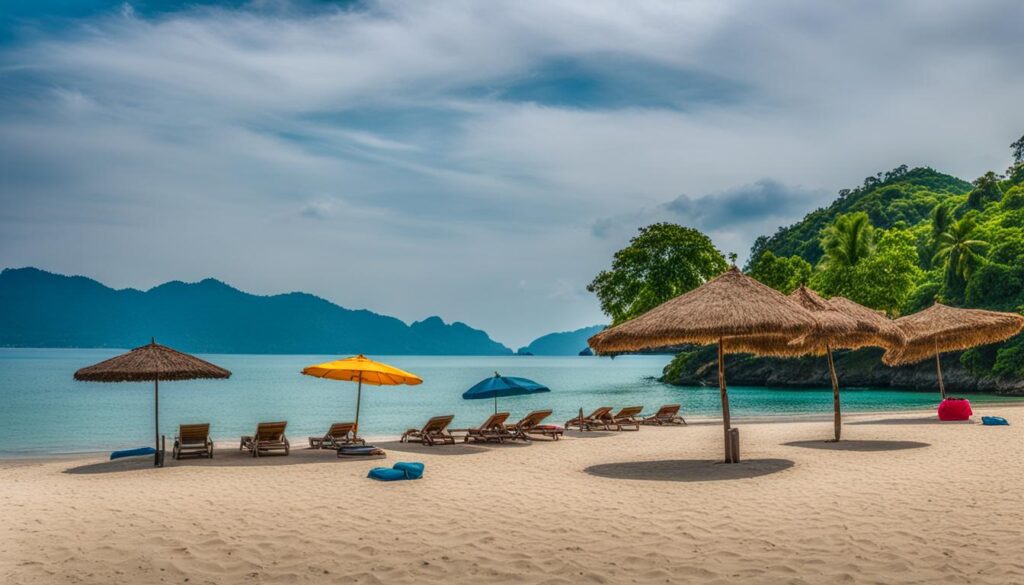
To ensure you have an unforgettable beach vacation, here are some Malaysia travel tips:
- Plan your trip in advance and book your accommodation and activities beforehand to avoid disappointment.
- Research the beaches and islands you want to visit and create a detailed itinerary based on their location and accessibility.
- Pack sunscreen, insect repellent, and appropriate beachwear.
- Take precautions while swimming and snorkeling, and follow the guidelines provided by the local authorities.
“The beach is not just a place; it’s a feeling” – Anonymous
With its picturesque beaches and turquoise waters, Malaysia offers an idyllic beach vacation destination. By considering the Malaysia tourist season and the above travel tips, you can make the most of your beach vacation and soak in the sun, sand, and sea.
Exploring Malaysia’s Urban Attractions and City Life
If you’re a city lover, Malaysia has no shortage of attractions to keep you entertained. Whether you’re interested in shopping, dining, or exploring cultural landmarks, the country’s cities are vibrant hubs of activity that offer something for everyone.
The best time to visit Malaysia’s urban centers depends on your personal preferences and the activities you have planned. However, there are certain factors to consider when deciding when to go.
Malaysia Travel Season
The peak travel season in Malaysia typically falls between December and February, and again from June to August. During these months, you can expect larger crowds in the cities, especially around popular tourist attractions. If you prefer a quieter experience, consider visiting during the off-peak season between March to May or September to November.
Visiting during the off-peak season has its advantages. The weather is cooler and less humid, making it more comfortable for exploring the city. You’ll also find that hotels and airfares are generally cheaper during this time, allowing you to save money on your travels.
When to Go to Malaysia
If you’re interested in attending festivals or cultural events, plan your visit around Malaysia’s calendar. Major festivals like Chinese New Year and Hari Raya Puasa draw large crowds to the cities, and offer a unique opportunity to experience the country’s diverse cultures.
When visiting Malaysia’s cities, it’s important to consider the weather. The country experiences high humidity levels and frequent rain throughout the year, so make sure to pack appropriate clothing and gear. You may also want to plan indoor activities during the hottest parts of the day, or take advantage of air-conditioned shopping malls and museums.
City Recommendations
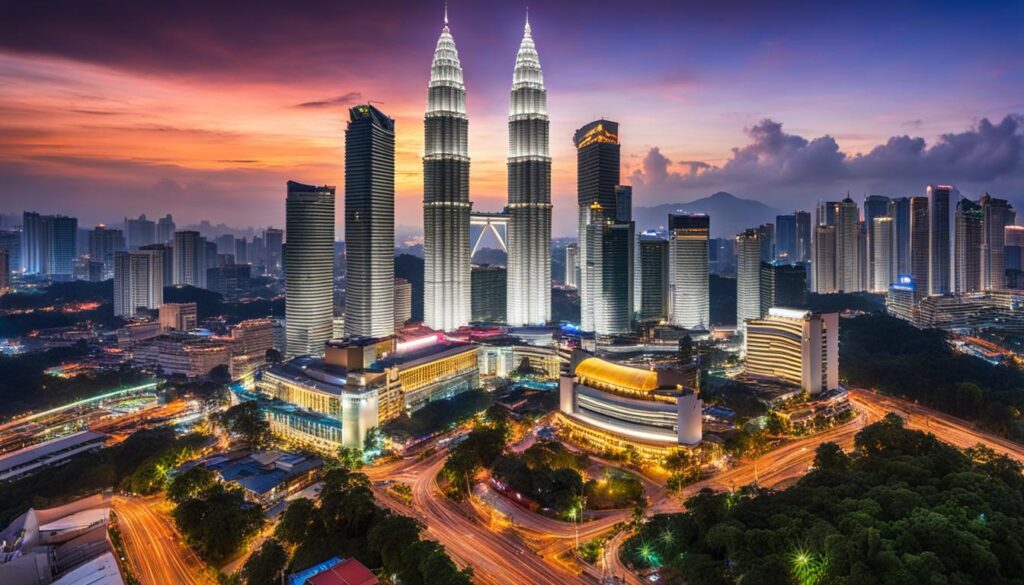
Malaysia’s cities offer something for everyone, from the bustling streets of Kuala Lumpur to the historic architecture of Malacca. Here are a few recommendations to get you started:
| City | Attractions |
|---|---|
| Kuala Lumpur | Petronas Twin Towers, Batu Caves, Central Market |
| Penang | George Town, Kek Lok Si Temple, Penang Hill |
| Malacca | St. Paul’s Church, Jonker Walk Night Market, A Famosa Fort |
With so much to see and do, Malaysia’s cities are well worth a visit. Whether you’re interested in history, culture, or simply soaking up the atmosphere, you’re sure to find something to love in this vibrant and diverse country.
Seasonal Travel Budget Considerations
When planning your trip to Malaysia, it is essential to consider the seasonal impact on your budget. Prices tend to be higher during peak travel seasons, while off-peak seasons can offer significant savings.
Malaysia travel tips: Consider visiting during the low season to save money, but be aware that some attractions and services may have reduced operating hours or be closed entirely.
Airfare and accommodation costs are the major expenses, and they can vary greatly depending on the time of year. For example, hotel prices during the Chinese New Year and Christmas holidays can skyrocket, so it pays to plan ahead and book early.
Ideal months to visit Malaysia: March to October offer more affordable prices and smaller crowds than the peak season from November to February.
| Expense | Peak Season (Nov – Feb) | Off-Peak Season (Mar – Oct) |
|---|---|---|
| Airfare (Round Trip) | $700 – $1000 | $350 – $500 |
| Hotel (Per Night) | $100 – $300 | $50 – $150 |
| Food and Drink | $20 – $50 | $10 – $30 |
| Activities and Tours | $50 – $150 | $30 – $100 |
Visiting during major events or festivals, such as the Rainforest World Music Festival or the George Town Festival, may increase expenses due to higher demand. However, these unique experiences can be worth the extra cost.
Malaysia travel tips: Consider staying in budget-friendly accommodations, such as hostels or guesthouses, to save money on lodging. Additionally, avoid expensive tourist traps by exploring local markets and street vendors for food and souvenirs.
By considering seasonal travel budget considerations, you can plan a cost-effective and enjoyable trip to Malaysia.
Local Insights and Recommendations
When planning your trip to Malaysia, it’s always helpful to gather insights and recommendations from locals. Here are some useful tips to help you make the most of your visit:
- Consider your budget: Malaysia is generally an affordable travel destination, but there are ways to save even more. Locals recommend taking public transportation, eating at local food stalls, and avoiding tourist traps.
- Choose your accommodation wisely: If you’re on a budget, consider staying at a hostel, homestay, or Airbnb. These options offer unique experiences and opportunities to interact with locals.
- Be respectful of local customs: Malaysia is a predominantly Muslim country, so it’s important to dress modestly and avoid public displays of affection. Learn a few phrases in Bahasa Malaysia, the official language, and embrace the local culture.
- Explore off-the-beaten-path destinations: While Kuala Lumpur and Penang are popular tourist destinations, there are many lesser-known places to visit in Malaysia. Consider heading to the East Coast for pristine beaches, or explore the local markets in Melaka.
- Sample the local cuisine: Malaysian food is a fusion of Chinese, Indian, and Malay influences, and it’s delicious! Be sure to try dishes like nasi lemak, laksa, and satay. Ask locals for their favorite food recommendations for an authentic experience.
By following these recommendations, you’ll be able to immerse yourself in the local culture and create unforgettable memories during your trip to Malaysia.
Conclusion
In conclusion, planning your trip to Malaysia requires careful consideration of several factors. By analyzing the country’s weather patterns, peak and off-peak travel seasons, cultural and festival calendar, outdoor activities, beach destinations, urban attractions, and budgetary concerns, you can choose the best time to visit.
Personal Preferences
Ultimately, your choice will depend on your personal preferences and travel goals. If you enjoy outdoor activities like hiking and trekking, the dry season from May to September may appeal to you. On the other hand, if you prefer moderate weather, the transitional months of March, April, October, and November may be more suitable.
Budget and Crowd Considerations
If you’re on a tight budget or prefer to avoid crowds, the off-peak season from November to February may be a good choice. During this time, you can enjoy lower hotel rates and fewer tourist crowds but may have to contend with more rainy days.
Festival and Culture Enthusiasts
If you’re a festival and culture enthusiast, then planning your trip around Malaysia’s vibrant calendar of events is a must. The Chinese New Year celebrations in February, Thaipusam festival in January or February, and Hari Raya Aidilfitri in June or July are just a few of the many events that offer a unique insight into Malaysia’s rich cultural diversity.
Insider Tips
Finally, to make the most of your visit, it’s always helpful to get insider tips from the locals. Whether it’s trying street food in Penang, exploring the charming neighborhoods of Malacca, or discovering the natural beauty of Sabah and Sarawak, the locals know what to see and do.
By keeping these considerations in mind and planning your trip accordingly, you can maximize your Malaysian experience and create unforgettable memories.