
Brisbane Weather: What to Expect All Year
Are you planning a trip to Brisbane and wondering if it’s sunny all year round? You’re not alone. Many travelers are drawn to Brisbane’s vibrant urban culture and stunning riverside cityscape. But, understanding the city’s climate is key to making the most of your visit.
Brisbane has a subtropical climate, with warm temperatures all year. This makes it a great place for tourists and locals. Whether you’re planning your day or just curious about what to expect from Brisbane’s year-round climate, knowing the weather is important.
Brisbane’s Climate Overview
Brisbane’s climate is humid subtropical, thanks to its coastal spot. Expect hot, humid summers and mild winters. This makes Brisbane a great place for both visitors and locals.
Geographic Influences on Brisbane’s Weather
Brisbane’s weather is shaped by its location. Being close to the coast and the Coral Sea makes it subtropical. This coastal effect keeps temperatures milder than inland areas.
The area’s geography affects Brisbane’s rain too. Warm, moist air rises, cools, and condenses here. This leads to heavy rain at certain times.

Brisbane’s Subtropical Climate Classification
Brisbane falls under the humid subtropical climate (Köppen Cfa). It has hot, humid summers and mild winters. Summer rains make the city green and lush.
This climate also means lots of sunshine all year. It’s perfect for outdoor fun and tourism.
| Climate Characteristic | Description |
|---|---|
| Climate Classification | Humid Subtropical (Cfa) |
| Summer Characteristics | Hot, Humid, Significant Rainfall |
| Winter Characteristics | Mild, Pleasant |
| Sunshine | High Level Throughout the Year |
What is the Weather Like in Brisbane Year-Round?
Brisbane’s weather is mild all year, but it changes with the seasons. You’ll see different temperatures and amounts of rain. This is typical for its subtropical climate.
Annual Temperature Patterns
The temperature in Brisbane ranges from 49°F to 84°F each year. The warmest part of the year is from November 27 to March 25. During this time, it’s hot and humid, perfect for outdoor fun.
When it gets cooler, the temperatures are still mild. You’ll see lows around 49°F. Remember to wear light layers for cooler mornings and evenings.
- Average high temperature: 81°F during the warm season
- Average low temperature: 49°F during the cooler months
- Temperature range: 49°F to 84°F throughout the year
Rainfall Distribution Throughout the Year
Brisbane gets most of its rain in the summer. This is because of its subtropical climate. Summer storms and heavy rainfall events are common. It’s important to check the Brisbane weather forecast to be ready.

Understanding Brisbane’s rainfall is key to enjoying the city. Knowing what to expect helps you plan your outdoor activities better.
- Summer months receive the most rainfall
- Heavy rainfall events are common during this time
- Staying informed about the weather forecast is crucial
Summer in Brisbane (December-February)
Planning a trip to Brisbane in summer means knowing the weather. Summer here is hot and humid, offering a unique experience.
Temperature and Humidity Levels
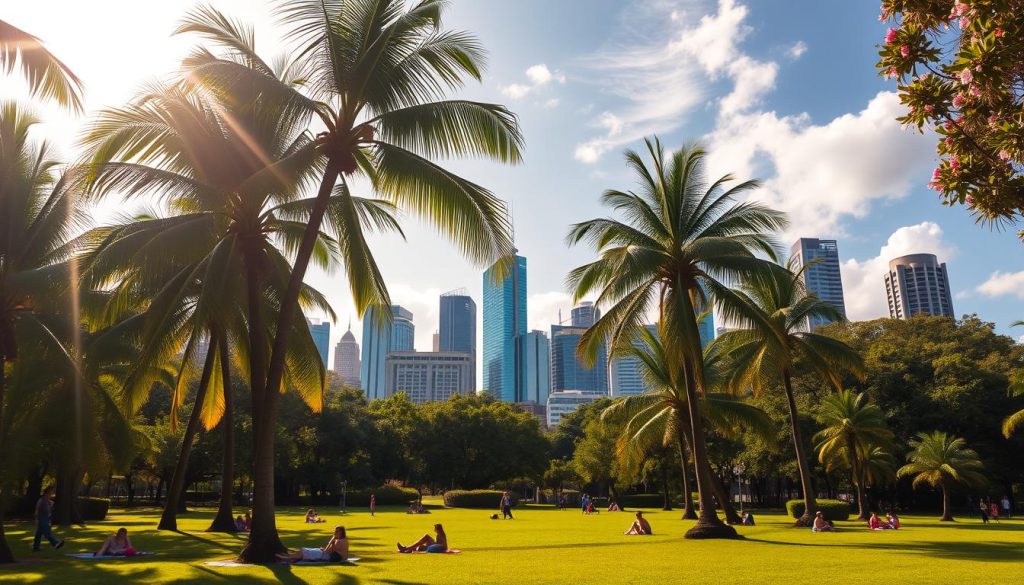
Summer in Brisbane sees temperatures between 20°C and 30°C. January and February are the most humid months, with humidity around 71% to 75%. The heat can be overwhelming, so drink plenty of water and seek shade.
High humidity makes the heat feel even more intense. Weather reports say summer is Brisbane’s wettest time, with lots of rain.
Rainfall and Storm Patterns
Summer brings a lot of rain to Brisbane, with thunderstorms and heavy downpours. These storms can be fierce but short-lived. Always carry an umbrella or raincoat for sudden rain.
The rain is vital for Brisbane’s green landscapes and water supply. It can be a welcome break from the heat for visitors.
Summer Activities and Events
Summer is perfect for outdoor fun in Brisbane. Explore parks like the Brisbane Botanic Gardens or enjoy water sports at the beaches. The city also hosts outdoor concerts and festivals.
The Brisbane Festival is a summer highlight. It offers cultural performances and activities, showcasing the city’s lively vibe.
What to Pack and Wear
For a summer visit, pack light, breathable clothes to stay cool. Cotton and linen are good choices. Remember to bring sunscreen, a hat, and sunglasses for sun protection.
Wearing layers is wise, as indoor spaces are cool. Carry a compact umbrella for rain.
Autumn in Brisbane (March-May)
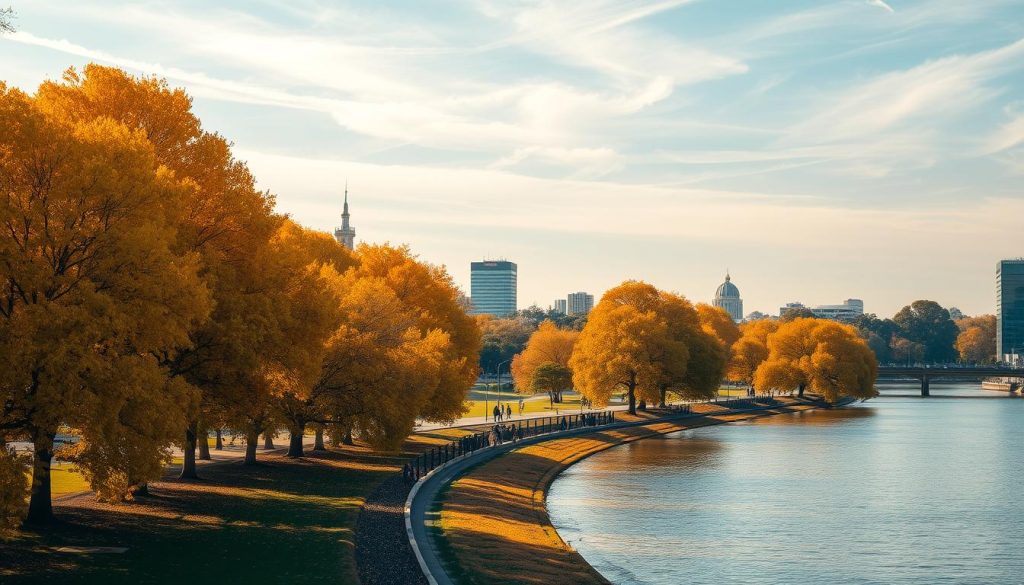
Autumn in Brisbane is a welcome break from the summer heat. The weather is more comfortable, and there are fewer people around. It’s a perfect time to check out Brisbane’s outdoor spots.
Temperature Transitions
Autumn brings cooler days in Brisbane, with temperatures between 22°C to 25°C (72°F to 77°F). Nights can get chilly, dropping to 12°C to 15°C (54°F to 59°F). March is still warm, but May signals the start of winter with cooler weather.
Average Temperature Ranges in Autumn:
| Month | Average High Temperature | Average Low Temperature |
|---|---|---|
| March | 26°C (79°F) | 18°C (64°F) |
| April | 24°C (75°F) | 15°C (59°F) |
| May | 22°C (72°F) | 12°C (54°F) |
Rainfall Expectations
Autumn in Brisbane is dry, with less rain as the months go by. March still sees some summer rain, but April and May are drier. Expect about 8 to 10 sunny days a month.
Autumn Activities and Events
Autumn is great for outdoor fun in Brisbane. Visit the Brisbane Botanic Gardens or walk the Brisbane Riverwalk. The Brisbane Festival also happens, featuring music, theater, and dance.
What to Pack and Wear
For your autumn visit, pack layers for the changing temperatures. Wear light clothes for warm days and warm layers for cooler nights. Don’t forget comfy shoes for exploring the outdoors.
Winter in Brisbane (June-August)
Brisbane’s winter, from June to August, is dry and mild. It’s perfect for outdoor fun. Daytime temperatures range from 10°C to 22°C, great for city explorations.
Temperature Ranges and Morning Chill
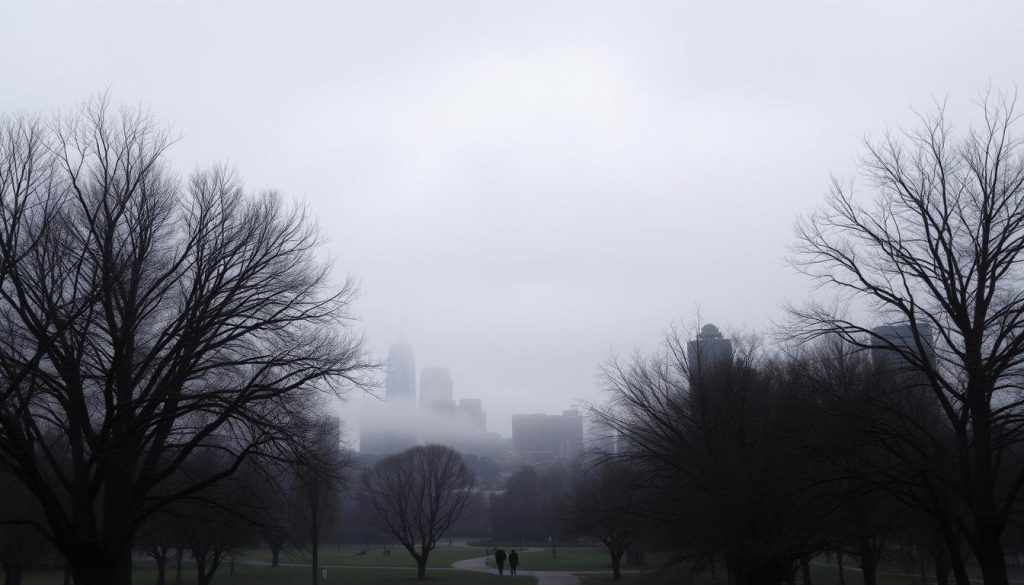
Winter in Brisbane sees temperatures from 11°C to 21°C. July is the coldest month. You might feel a chill in the mornings, but frost is rare.
The Bureau of Meteorology notes, “Brisbane’s winter is cool but mild compared to the world.”
“The mild winter climate makes Brisbane an attractive destination for tourists and locals alike to enjoy outdoor activities.”
Rainfall and Clear Days
Winter in Brisbane is dry, with less rain than summer. It’s a great time for outdoor fun. Brisbane averages 12 rainy days in winter, with mostly sunny or partly cloudy days.
Winter Activities and Events
Winter in Brisbane brings many events and activities. Enjoy outdoor festivals and sports. The Brisbane Festival and Riverfire are highlights, drawing big crowds.
Visit the Lone Pine Koala Sanctuary or walk along the Brisbane Riverwalk. There’s something for everyone.
What to Pack and Wear
For winter in Brisbane, pack layers. Temperatures change a lot between day and night. Wear light clothes for warm days and warm layers for cooler times.
Locals say, “Be ready for changing weather, but it’s a great time for outdoor fun.”
Spring in Brisbane (September-November)
Spring brings a lovely change to Brisbane’s weather, making it perfect for exploring. The city warms up after the cool winter, offering a cozy climate.
Temperature Progression
Spring in Brisbane sees temperatures between 12°C and 28°C. This range is ideal for enjoying the outdoors. Daytime gets warmer, while nights stay mild.
Rainfall and Storm Activity
Spring starts dry in Brisbane, with more rain as November approaches. Storms do happen, but they’re less common than in summer.

Spring Activities and Events
Spring is perfect for Brisbane’s outdoor fun. Visit the Brisbane Botanic Gardens or catch a show at the Brisbane Comedy Festival. The weather is just right for seeing the city.
What to Pack and Wear
For spring in Brisbane, pack layers. This way, you’re ready for the temperature swings. Wear light clothes for the day and a jacket for cooler times.
| Month | Average High Temperature | Average Rainfall |
|---|---|---|
| September | 23°C | 40 mm |
| October | 25°C | 60 mm |
| November | 27°C | 80 mm |
Best Times to Visit Brisbane
Planning a trip to Brisbane? Knowing the city’s climate is key. Brisbane’s subtropical weather means mild winters and warm summers. The best times to visit are during the shoulder seasons.
Weather Considerations for Tourists
When you plan your trip to Brisbane, think about the weather. The city’s climate is mild in winter and warm and humid in summer. Be ready for the heat and humidity in summer (December to February).
Autumn (March to May) and spring (September to November) are better for outdoor fun. These seasons have more comfortable temperatures.

Seasonal Events and Festivals
Brisbane is alive with events and festivals all year. The Brisbane Festival in September is a must-see, with music, dance, and theater. Summer months bring the Brisbane Comedy Festival and Big Sound music festival.
Visiting during these times adds a cultural touch to your trip.
Brisbane Weather Compared to Other Australian Cities
Brisbane’s climate is different from Sydney and Melbourne’s. It’s generally milder. Compared to Perth, Brisbane’s summers are more humid, and winters are warmer.
Knowing these differences helps you prepare and enjoy your time in Brisbane.
Extreme Weather Events in Brisbane
Knowing about Brisbane’s extreme weather is key for a safe and fun trip. The city’s subtropical climate means it can see many weather extremes. Visitors need to be ready for these.
Floods and Heavy Rainfall
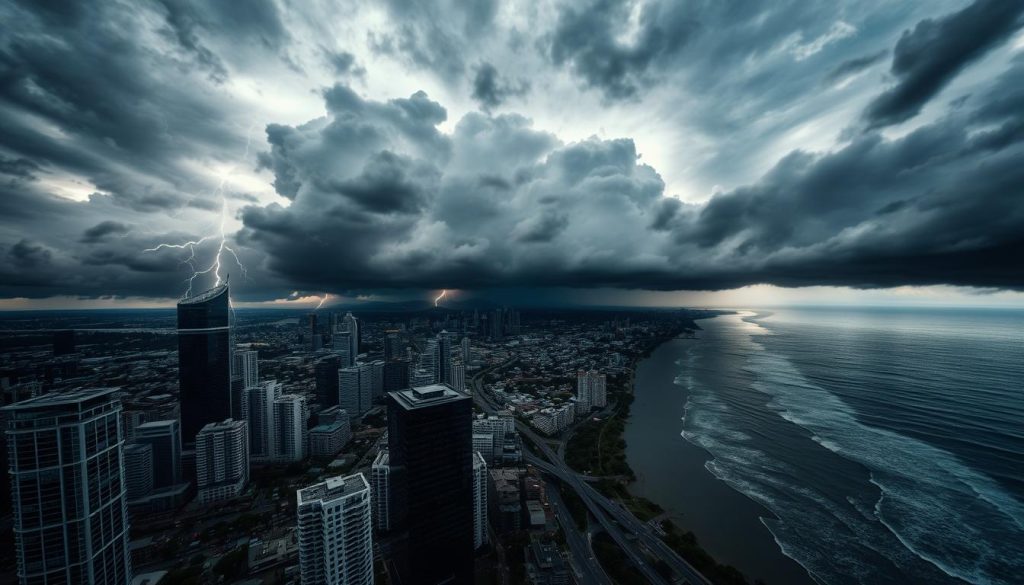
Brisbane often sees heavy rain and floods, mainly in summer. Its close to the Brisbane River and low-lying area make it flood-prone. It’s smart to keep an eye on the weather and plan changes if needed.
Key Facts About Flooding in Brisbane:
| Month | Average Rainfall (mm) | Flood Risk |
|---|---|---|
| January | 154 | High |
| February | 159 | High |
| March | 133 | Moderate |
Heat Waves and UV Exposure
Summer in Brisbane brings heat waves, with temps over 30°C (86°F). The sun’s UV rays are strong too. So, use strong sunscreen, wear protective clothes, and drink lots of water.
Preparing for Extreme Weather as a Visitor
To get ready for Brisbane’s extreme weather, keep up with local weather news. Having an emergency plan is wise, including knowing where to go and where to find shelters.
Tips for Visitors:
- Stay informed about weather forecasts
- Pack the right things (sunscreen, rain gear, etc.)
- Have a plan for emergencies
Conclusion
Brisbane’s climate is unique, with warm temperatures and rainy seasons. This subtropical weather makes every season special.
Knowing Brisbane’s climate is key for enjoying your stay. The city’s weather is shaped by its subtropical classification and geography.
If you’re visiting or moving to Brisbane, understanding the climate is crucial. Brisbane has mild winters and warm summers. This makes it a great place to live or visit.