Your Guide to Experiencing Authentic Cordobese Cuisine
Planning a trip to Cordoba? You might be curious about what makes Cordobese cuisine special. Cordoba, with its rich history and culture, offers a unique culinary experience. It combines traditional flavors with modern twists.
The city is famous for its Montilla-Moriles wines and dishes like salmorejo and rabo de toro. It’s a haven for food lovers. But, what makes Cordobese cuisine different from other Spanish cuisines? And how can you dive into this authentic culinary journey?
Cordoba has everything from cozy tavernas to Michelin-starred restaurants like Noor. Exploring the city’s food scene, you’ll learn about traditional ingredients and local wines. You’ll also discover historic places like Casa Pepe de La Judería.
Whether you want to try classic dishes or modern takes on Cordobese cuisine, this guide is for you. It will help you navigate the world of authentic Cordobese food. And it will give you a memorable culinary experience in Cordoba.
Understanding the Rich Heritage of Cordobese Gastronomy
Cordobese cuisine has a rich history, shaped by the city’s location and diverse cultures. The Moorish influence brought new ingredients and cooking methods, like olive oil and spices. Their rule from the 8th to the 13th century made dishes like salmorejo and flamenquín famous.
Christian and Jewish cultures also shaped Cordobese cuisine. They added their own flavors and traditions. This mix created a culinary heritage with many dishes for all tastes. Local ingredients like asparagus and jamon are used in revuelto cordobés, while Montillana-style artichokes are cooked with Montilla-Moriles wine.
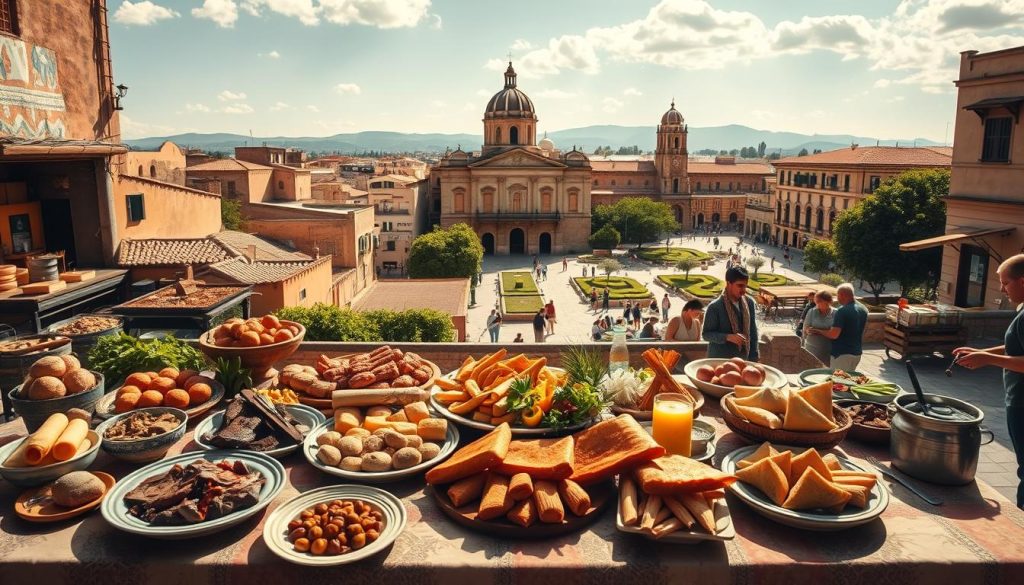
Some key ingredients and dishes highlight Cordobese cuisine’s history and Moorish influence include:
- Salmorejo: a thick and creamy soup made from tomatoes, bread, and olive oil
- Flamenquín: a dish made from pork loin, ham, and cheese, typically served with a side of fries
- Rabo de toro a la cordobesa: a traditional bull’s tail stew made with ingredients such as carrots, onions, and red bell pepper
These dishes have made Cordoba a top culinary destination. The city’s Mediterranean diet was recognized by UNESCO as Intangible Cultural Heritage in 2013.
Essential Ingredients in Traditional Cordobese Cooking
Exploring Cordobese cuisine reveals the importance of traditional Cordobese ingredients. These ingredients are key to the unique flavors and textures found in each dish. Olive oil, garlic, and spices are at the core, enhancing the natural tastes of the ingredients.
Cordobese cuisine values high-quality, local produce for its dishes. This ensures both taste and authenticity. Ingredients like juicy tomatoes in Salmorejo and fragrant herbs in stews are chosen with care. They highlight the best of Cordobese flavors.
Some must-have ingredients in traditional Cordobese cooking are:
- Olive oil, used generously in many dishes
- Garlic, adding a strong flavor to various recipes
- Spices, like cumin and paprika, adding depth and warmth
- Local produce, such as tomatoes, peppers, and eggplants, for a variety of dishes
Using these traditional Cordobese ingredients and focusing on local produce helps create authentic dishes. These dishes will surely impress your taste buds. Cooking for yourself or others, remember to use the freshest, highest-quality ingredients for the best Cordobese cuisine.
Where Can I Find Traditional Cordobese Cuisine?
Exploring Cordoba, you’ll find many places to try traditional Cordobese cuisine. The city has a mix of flavors and atmospheres. You can enjoy dishes like Salmorejo and Rabo de Toro in the historic district.
Places like Góngora Tavern, Bar/Tavern Moriles, and Bar Santos offer traditional dishes at good prices. For a modern twist, Mercado Victoria is the city’s first food market. Prices vary, but expect to pay 5 € to 15 € at Góngora Tavern or 4 € at Bar Santos.
Here are some top places to try traditional Cordobese cuisine:
- Góngora Tavern: average price range 5 € to 15 €
- Bar/Tavern Moriles: average price range 6 € to 7 €
- Bar Santos: average price range 4 €
- Mercado Victoria: various price ranges

You can also try local market experiences. Visit historic markets or take a cooking class. With so many choices, you’ll find something that fits your taste and budget.
Signature Dishes You Must Try in Cordoba
When you visit Cordoba, don’t miss out on the Cordobese signature dishes. These dishes show off the city’s rich food history. They are a must-try for anyone wanting to taste Cordoba’s true flavors.
In Cordoba, you’ll find many tasty dishes. There’s Salmorejo, Rabo de Toro, and Berenjenas con Miel. These are made with fresh, local ingredients and traditional recipes.
Salmorejo: The Local Pride
Salmorejo is a thick, creamy cold soup. It’s made from tomatoes, peppers, and bread. It’s a favorite in Cordoba, often served as a starter or side dish.
Rabo de Toro: Traditional Bull’s Tail Stew
Rabo de Toro is a hearty stew. It’s made with bull’s tail, vegetables, and spices. It’s a flavorful dish perfect for special occasions.
Berenjenas con Miel: Sweet and Savory Eggplant
Berenjenas con Miel is a sweet and savory dish. It’s made from eggplant, honey, and spices. It’s a favorite among locals and tourists, often served as a side dish or appetizer.
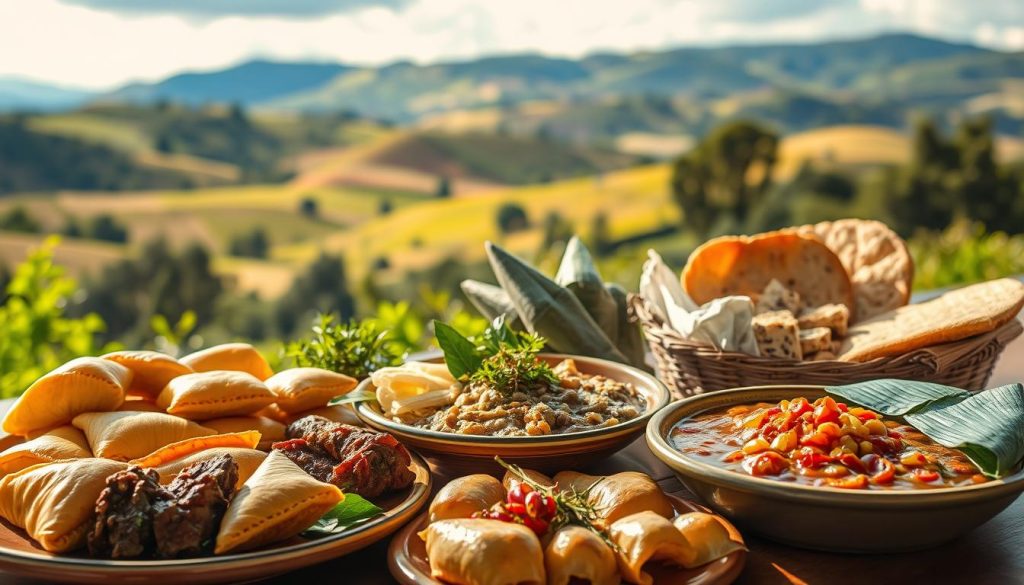
Best Times to Experience Cordobese Dining
When planning your trip to Cordoba, it’s key to know the Cordobese dining times. This will help you enjoy the city’s food scene fully. The city’s dining is shaped by festivals and special events all year. Visiting during these times lets you dive into local culture and try dishes only available then.
For the best Cordobese food, visit in spring and summer. The weather is nice, and festivals like the Feria de Cordoba happen. These festivals are great for trying local foods and feeling the city’s vibe. If you want the best times to visit Cordoba, plan your trip around these festivals.
Some big festivals in Cordoba are the Fiesta de los Patios in May and the Feria de Cordoba in late May or early June. You can try dishes like Salmorejo, Rabo de Toro, and Berenjenas con Miel. These events let you experience Cordoba’s rich food heritage.
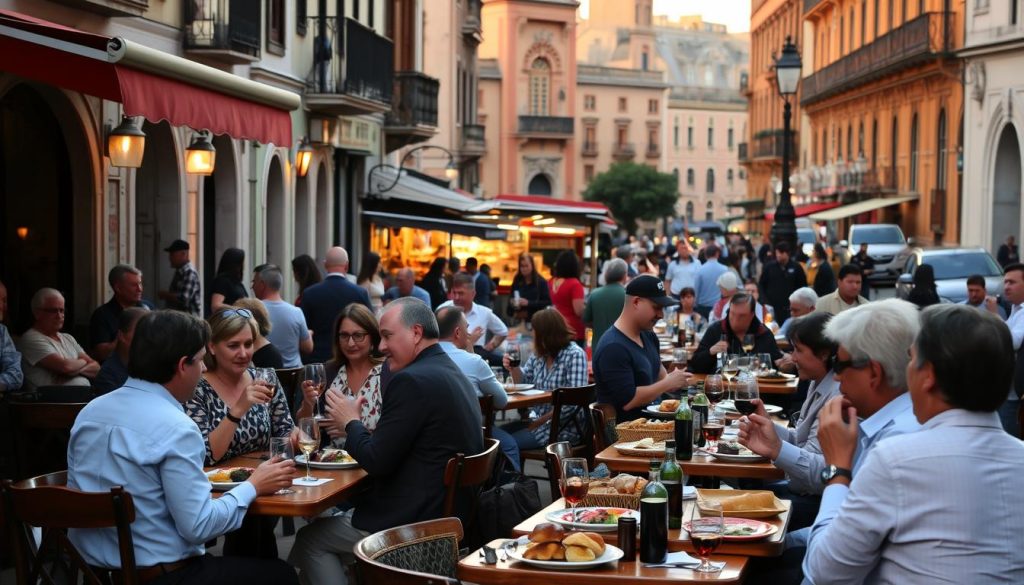
The city’s food scene also changes with the seasons. For example, Cordoban Salmorejo is a summer favorite, while Ajoblanco cordobés is enjoyed in spring and summer. Knowing the Cordobese dining times and the best times to visit Cordoba will help you plan your trip. This way, you’ll get the most out of your food adventures in this lovely city.
Understanding Local Dining Customs and Etiquette
Exploring Cordoba means getting to know its dining ways. The city’s food culture is rich and traditional. Knowing when and how to eat will make your food adventures better. For example, breakfast is from waking up until 11 AM, with just one drink and food item.
Tipping in Spain is optional, given for excellent service. Food prices include a 10% VAT. Here are some dining tips to remember:
- Meal timing: Lunch is around 2 PM, dinner at 9 PM or later.
- Tipping practices: Tip 5-10% for great service.
- Common dining customs: Locals often arrive late for dinner. Meals can last up to 2 hours.
Knowing these customs lets you enjoy meals like a local. Take your time, enjoy your food, and ask for advice. With this knowledge, you’ll dive into Cordoba’s true flavors.
Hidden Gems: Off-the-Tourist-Path Eateries
Exploring Córdoba reveals hidden gems that tourists often miss. These spots include off-the-tourist-path eateries and local restaurants. They offer a unique and authentic taste of the city.
In the city’s historic district, you’ll find family-run places and local markets. For instance, the Mercado Victoria is a treasure trove of fresh produce, cheeses, meats, and fish. It’s a must-visit for anyone wanting to taste Córdoba’s culinary best.
For a true taste of Córdoba, try local restaurants serving traditional dishes. You can also find off-the-tourist-path eateries with a variety of cuisines. From Andalusian classics to international flavors, there’s something for everyone.
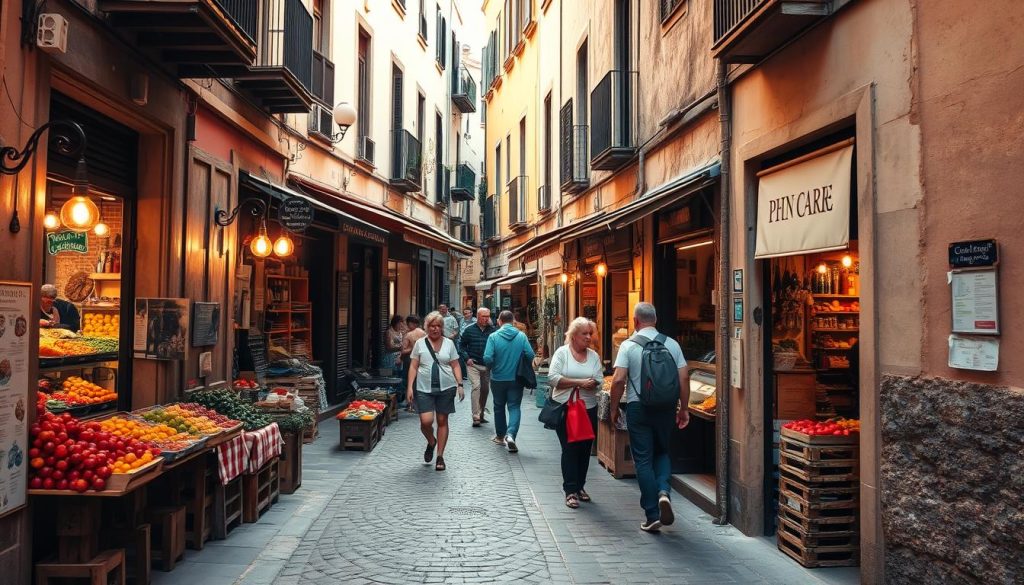
By exploring beyond the usual spots, you’ll uncover Córdoba’s true culinary heart. It’s filled with hidden gems, off-the-tourist-path eateries, and local restaurants. This journey lets you savor the city’s authentic flavors and culture.
Food Tours and Cooking Classes in Cordoba
Exploring Cordoba’s culinary scene is exciting. You can do this by joining food tours and cooking classes. These activities let you discover local ingredients, cooking methods, and traditional recipes.
Guided culinary tours are a fantastic way to see the city’s food culture. You’ll visit markets, taste traditional dishes, and learn about their history and cultural value. Cooking classes offer a hands-on experience. Here, you can learn to make traditional Cordobese dishes with a local chef’s help.
Some popular cooking classes in Cordoba include the Paella and Salmorejo class. It lasts 2 hours and can have up to 10 people. You’ll learn about local ingredients and cooking techniques. Plus, you can take your creations home to enjoy later.
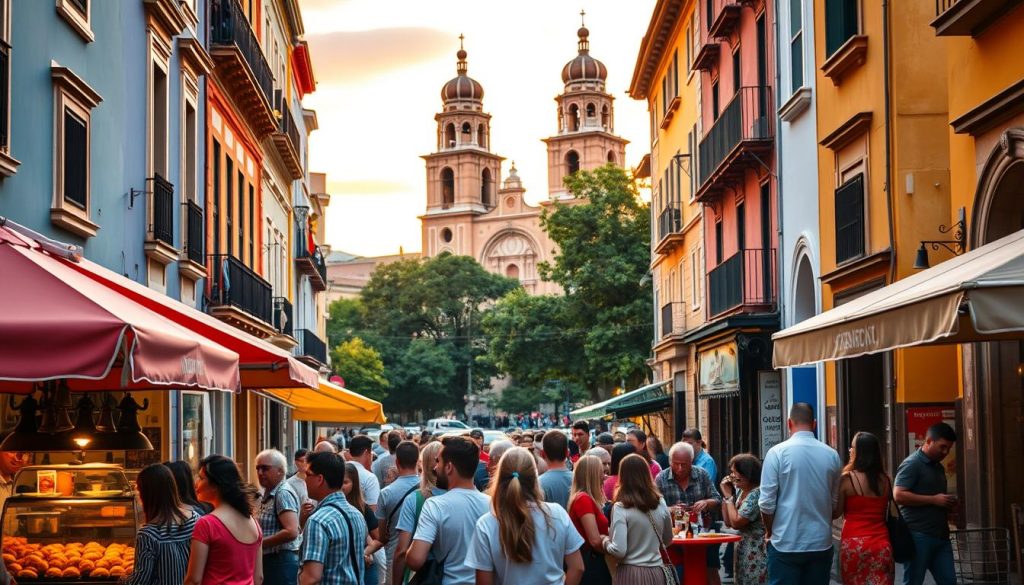
There are also market tours with local chefs. These tours let you explore markets, taste fresh produce, and learn about traditional Cordobese cuisine. Whether you love food or just want to learn about local culture, these tours and classes are perfect. They let you experience Cordoba’s authentic flavors.
| Activity | Duration | Participants |
|---|---|---|
| Paella and Salmorejo cooking class | 2 hours | Up to 10 |
| Guided culinary tours | Varies | Up to 10 |
| Market tours with local chefs | Varies | Up to 10 |
Seasonal Specialties and Festival Foods
Exploring Cordoba reveals a variety of seasonal foods and festival dishes. These highlight the best of Cordobese cuisine. Events like the Fiesta de los Patios and Feria de Cordoba let you taste traditional dishes and drinks.
The snail season is from late February to May. There’s also a festival for the Pastel Cordobes on November 17th. Don’t miss the local wines from Montilla-Moriles, famous for its sweet dessert wines.
At festivals like the Fiesta de los Patios or Feria de Cordoba, try local foods. Caracoles, costing 1-3 euros, are a must. Also, don’t miss salmorejo, rabo de Toro, and flamenquín, all key to Cordobese cuisine.
Here are some popular festival foods to try:
- Caracoles: Snails cooked in a spicy sauce
- Salmorejo: A thick and creamy tomato soup
- Rabo de Toro: A traditional bull’s tail stew
- Flamenquín: A dish made with pork loin, Serrano ham, and breadcrumbs
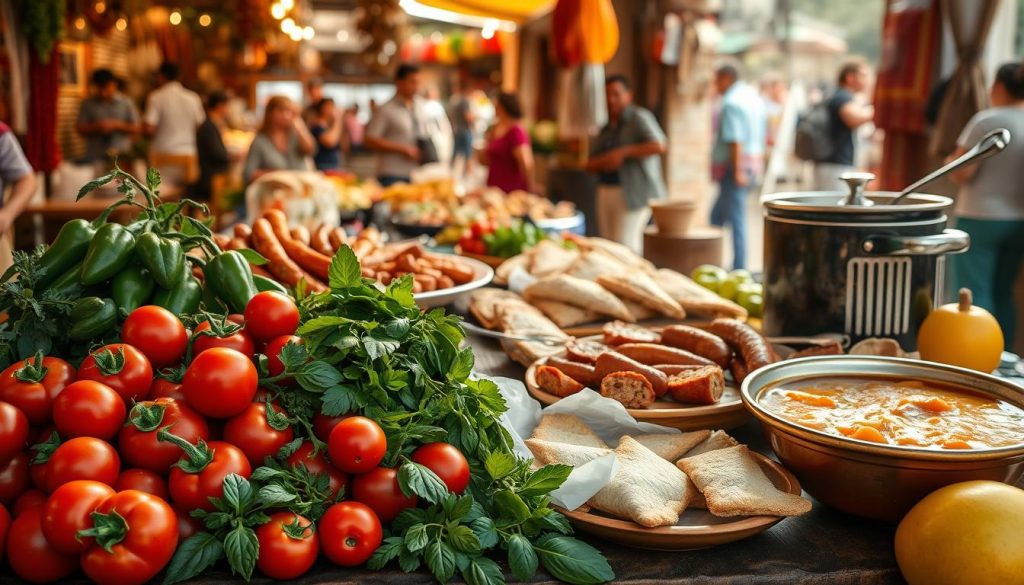
Seasonal specialties and festival foods are key to Cordobese cuisine. They give a peek into the city’s rich culture. By trying local dishes at festivals, you’ll enjoy Cordoba’s true flavors and make lasting memories.
Budget-Friendly Options for Authentic Cordobese Food
Exploring Cordoba’s food scene doesn’t have to cost a lot. You can find many affordable places to try authentic Cordobese dishes. Options include budget-friendly restaurants, local markets, and street food stalls. Enjoy dishes like Salmorejo, Rabo de Toro, and Berenjenas con Miel without spending too much.
Some top spots for affordable meals in Cordoba are Góngora Tavern, Bar/Tavern Moriles, and Bar Santos. For example, Góngora Tavern has dishes from 5 € to 15 €. Bar/Tavern Moriles has dishes around 6 € to 7 €. Local food markets also offer a variety of Cordobese food at good prices.
Here are some budget-friendly options to consider:
- Bar Santos: offers a skewer priced at 2.30 € and an average menu price of 4 €
- Taberna Del Río: has a price range between 10 € and 15 €
- Bocaíto Andalusí: offers dishes priced under 12 €
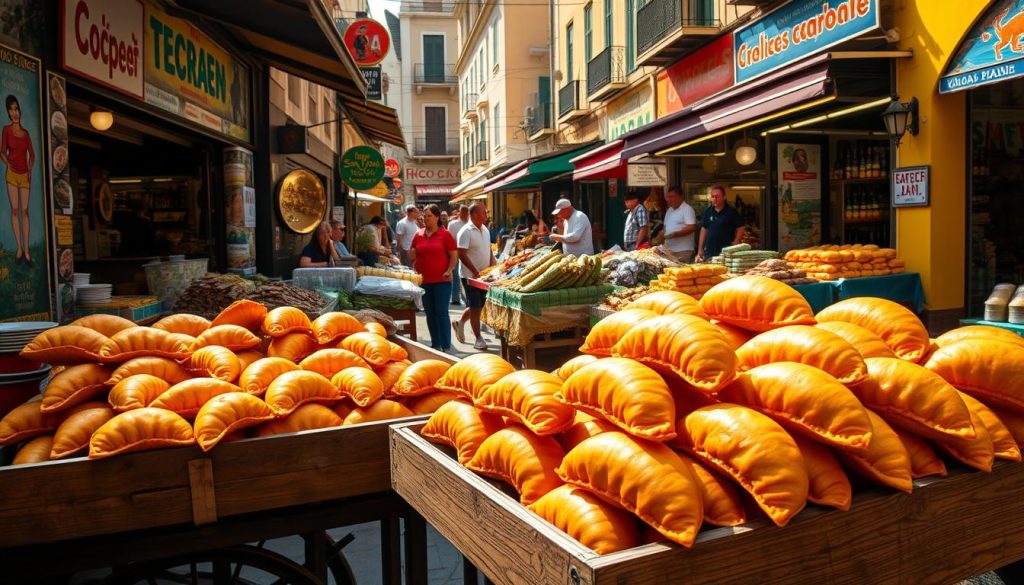
Don’t forget to check out the city’s street food. It’s full of tasty, affordable choices. With these options, you can enjoy Cordoba’s authentic flavors without spending a lot.
Conclusion: Embracing the Flavors of Cordoba
Your journey through Cordobese cuisine has been a true adventure. You’ve seen how Moorish influences and modern twists blend together. This has made your authentic Cordobese food experience unforgettable.
Córdoba’s food scene is vibrant, with both Michelin-starred spots and family-run places. It offers something for everyone. As you leave, remember to hold onto the spirit of Cordobese food. It’s a mix of tradition, new ideas, and the joy of sharing meals.