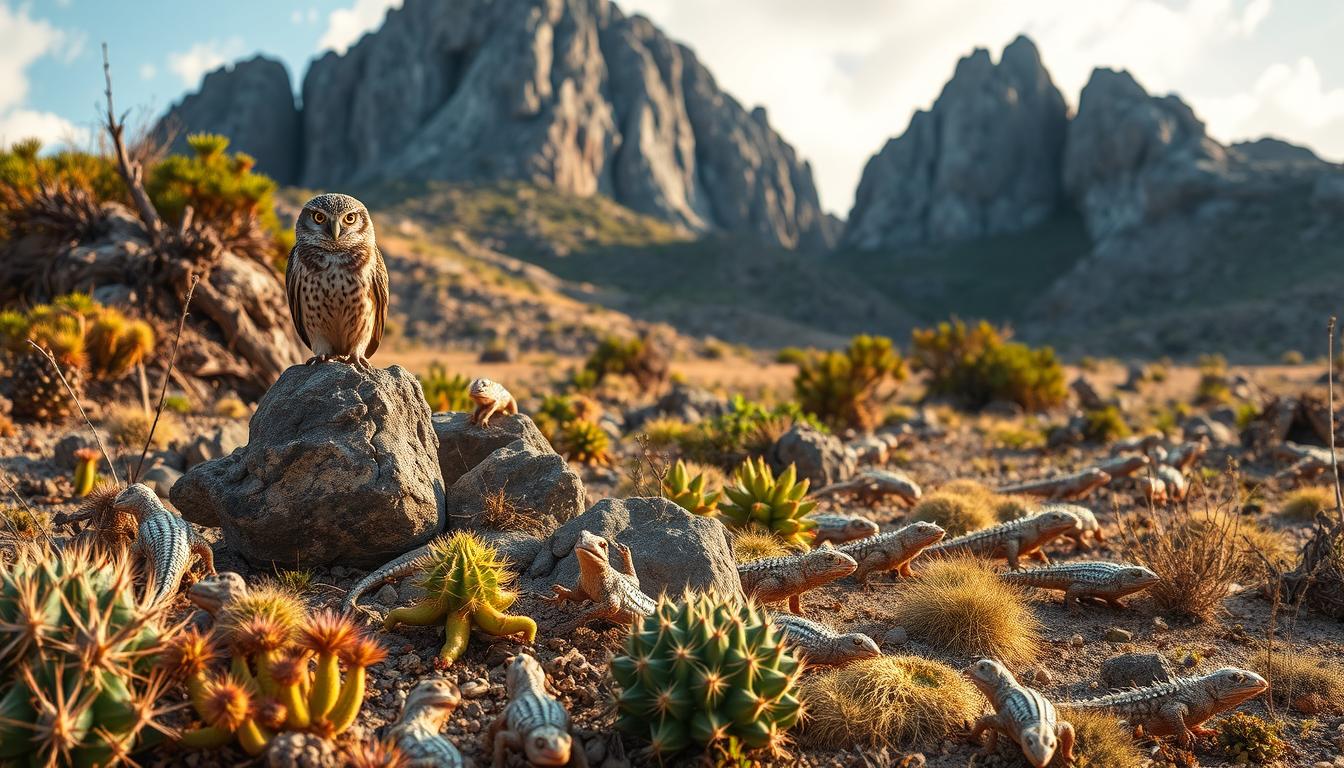
Arikok National Park: Your Guide to Wildlife Sightings
Planning a trip to Arikok National Park? You might wonder what wildlife you’ll see. Aruba is home to about 105 species of mammals, reptiles, birds, and amphibians. The park itself is a wildlife lover’s dream, covering nearly 20% of the island.
Visiting this unique place lets you see many different species. Arikok National Park is a top spot for wildlife sightings. Its rich biodiversity and natural beauty make it the best place to see Aruba’s wildlife.
Welcome to Arikok National Park’s Diverse Ecosystem
Arikok National Park is a unique spot, covering nearly 20% of Aruba. It’s home to a wide range of plants and animals. This makes it perfect for those who love nature and wildlife. The park’s landscapes, including caves and beaches, add to its beauty.
The park’s animals are just as amazing. You can find unique creatures like the Aruban burrowing owl and whiptail lizards here. Visitors can explore trails and see the incredible wildlife that lives in the park.
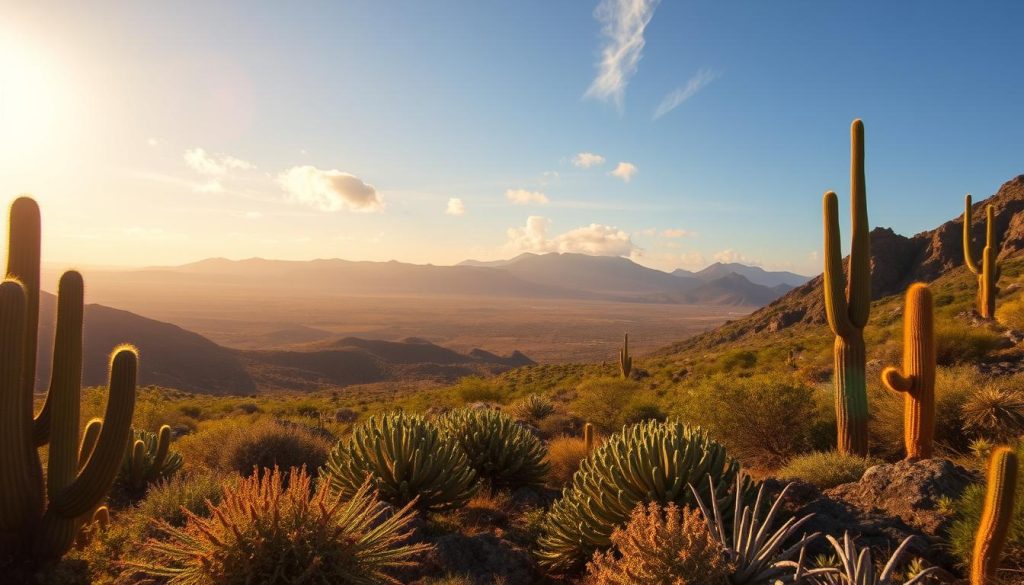
- Desert landscapes and cacti forests
- Rugged terrain and unique geological formations
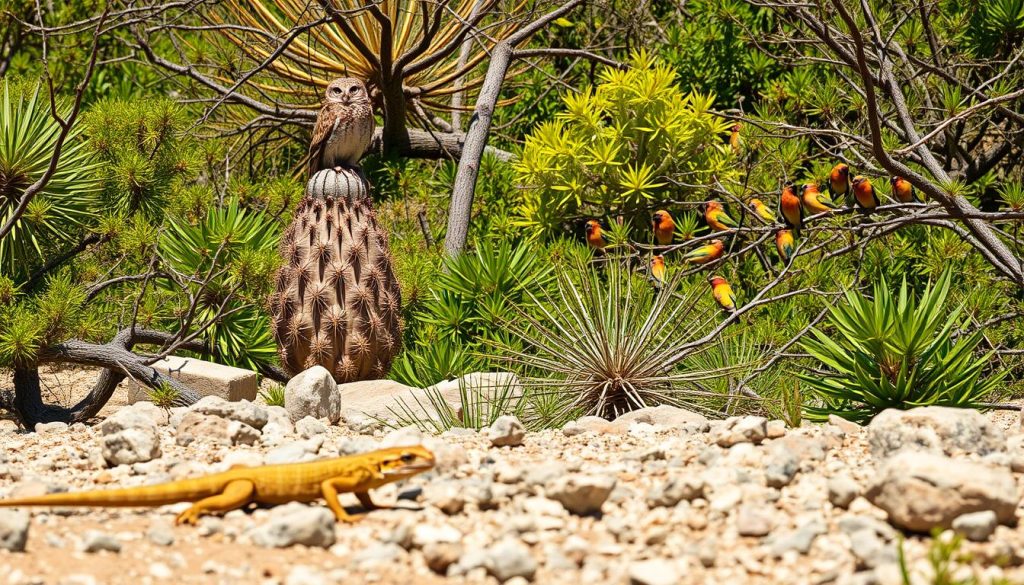
- A variety of bird species, including the endemic Aruban burrowing owl and Aruban parakeet
This park is a treasure trove of nature and wildlife. It’s great for hiking, bird-watching, or just enjoying the views. Arikok National Park has something for everyone.
What Wildlife Can I Expect to See in Arikok National Park?
Exploring Arikok National Park lets you see many wildlife species. You might spot the Aruban whiptail lizard, burrowing owl, and Aruban rattlesnake. The park’s unique ecosystem is home to a wide variety of plants and animals. It’s perfect for nature lovers and those curious about the island’s native life.
An Arikok National Park wildlife guide can teach you a lot about the park’s creatures. You’ll learn about the Aruban whiptail lizard and the burrowing owl. Each species has found a special way to live in the park’s environment. By watching these animals in their homes, you’ll understand why we must protect them.
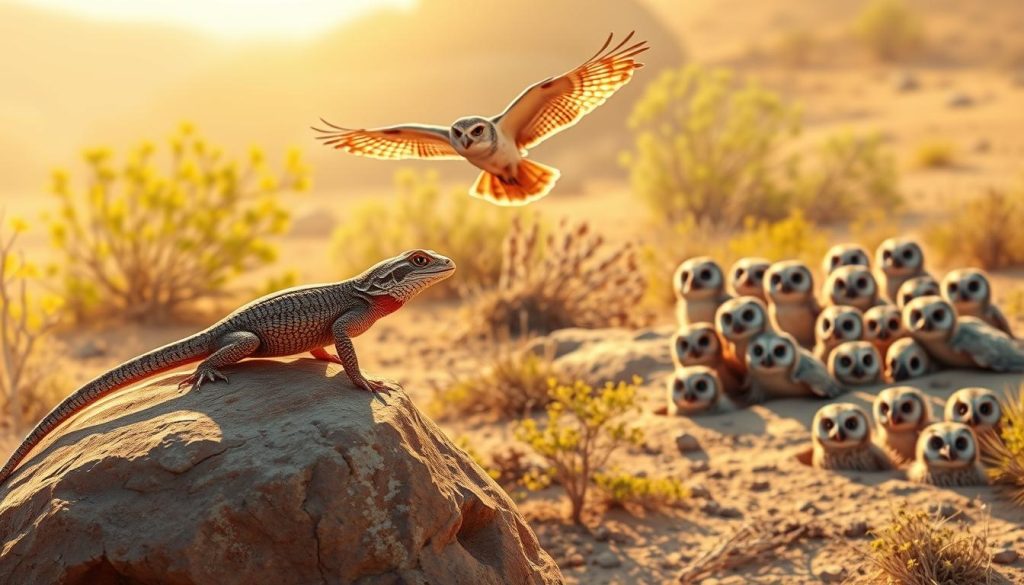
You might also see the crested caracara and the kododo lizard, with its bright turquoise color. The park works hard to keep these animals and their homes safe. With the help of an Arikok National Park wildlife guide, you can help protect them. This way, you’ll make your visit to this amazing place even more special.
Native Bird Species of Arikok
Arikok National Park is a paradise for bird lovers. It’s home to over 200 bird species, making wildlife viewing here unforgettable. You can see both resident and migratory birds, like the Aruban Burrowing Owl and the Brown-throated Parakeet.
Some of the notable native bird species found in Arikok National Park include:
- Aruban Burrowing Owl (Athene cunicularia arubensis)
- Brown-throated Parakeet (Eupsittula pertinax)
- Aruban Gnatcatcher (Polioptila delicata)
These birds live in their natural habitat, offering a special Arikok National Park wildlife experience. Thanks to conservation, native bird numbers have risen by 25%. This makes Arikok a prime spot for Arikok National Park wildlife viewing.
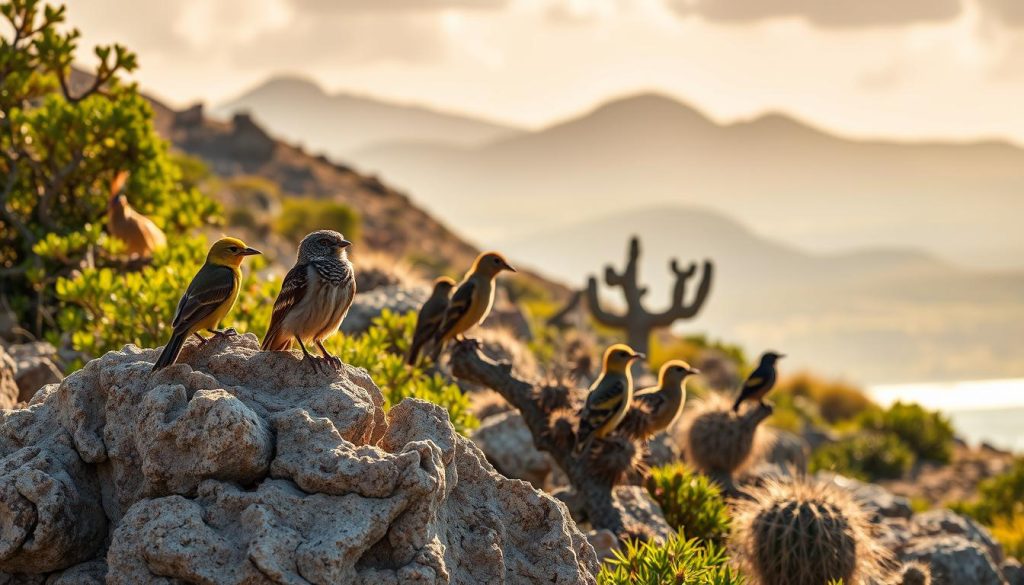
Arikok National Park is a top spot for bird enthusiasts and nature lovers. Its diverse bird species and unique ecosystem make it a must-see. Here, you can see rare and endangered birds in their natural home.
Reptiles and Lizards in Their Natural Habitat
Exploring Arikok National Park lets you see many reptiles and lizards in their home. The park is a great place for these animals, like the Aruban whiptail lizard. They are key to keeping the ecosystem balanced. It’s important to know and respect their role in nature.
The animals in the park are special because they fit perfectly with the island’s unique conditions. For example, the Aruba Island rattlesnake is very rare and only found in the south. Knowing about their habits helps protect them and the park’s biodiversity.
Some interesting facts about the reptiles and lizards in Arikok National Park include:
- The Aruba Island rattlesnake is listed as Critically Endangered on the IUCN Red List.
- The boa constrictor, an invasive species, has been found to have a significant impact on the native bird population.
- The park’s conservation efforts include plans to remove feral goats that threaten native vegetation.
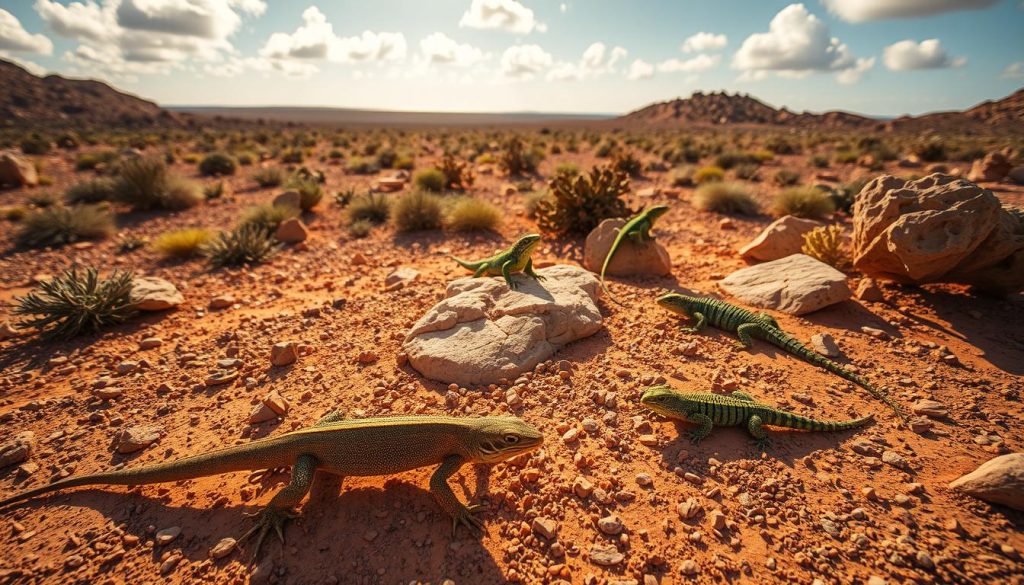
By learning about and appreciating the reptiles and lizards in Arikok National Park, you can gain a deeper understanding of the importance of preserving the Arikok National Park biodiversity and the role that these species play in maintaining the balance of the ecosystem.
Desert-Adapted Mammals of the Park
Exploring Arikok National Park reveals a unique set of desert mammals. These animals thrive in the park’s harsh conditions. You’ll see bats, rabbits, and reptiles most active at dawn and dusk.
The park’s fauna is a testament to life’s ability to adapt to extreme environments. It shows how creatures can survive in the toughest of places.
The park’s desert landscapes are home to mammals like the Aruban burrowing owl and the Aruban whiptail lizard. These animals have evolved to live in the park’s dry environment. They have special features to save water. As you wander through the park, look out for these amazing animals. Remember to respect their homes and the park’s conservation work.
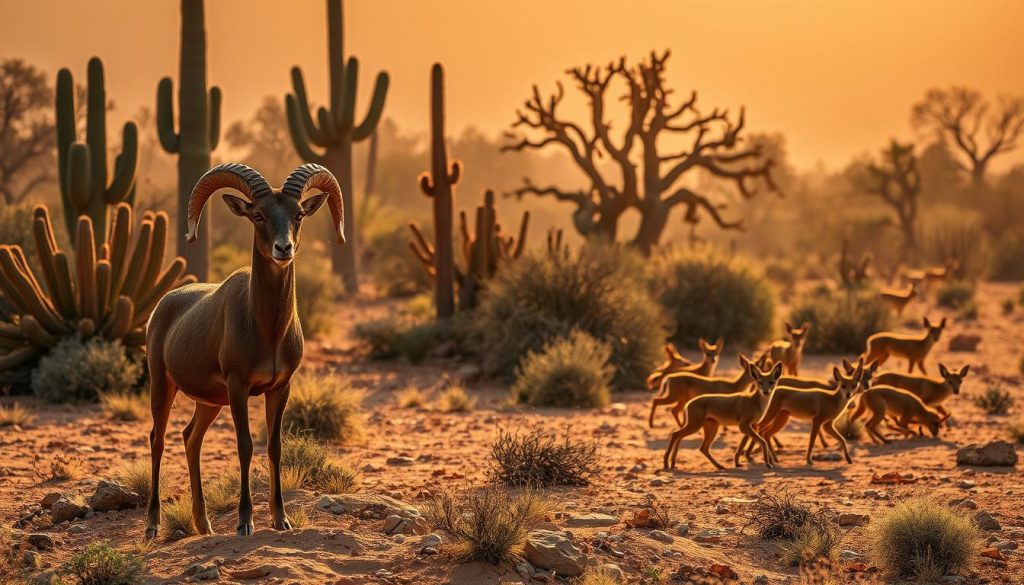
- Bats, found in caves and rock formations
- Rabbits, active at dawn and dusk
- Reptiles, like the Aruban rattlesnake and the Aruban whiptail lizard
These animals are key to the Arikok National Park ecosystem. They help keep the park’s fauna in balance.
Marine Life Along Arikok’s Coastline
Exploring Arikok National Park reveals a rich marine life along its coast. You’ll see sea turtles, fish, and other marine animals. The coastal waters are crucial for the ecosystem, and conservation efforts protect these areas. You can spot four sea turtle species, including leatherback, hawksbill, loggerhead, and green turtles, at Dos Playa.
The marine life in Arikok National Park is vital for its biodiversity. It’s important to preserve these areas for the future. When you visit, you’ll see the wildlife, including sea turtles and fish. These animals are key to the ecosystem, and we must protect them.
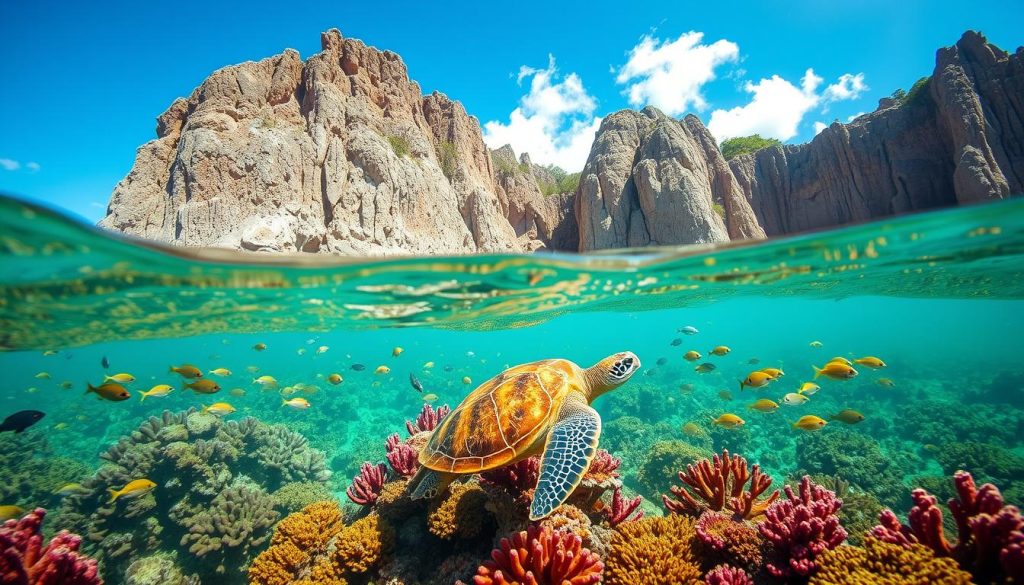
- Sea turtles: leatherback, hawksbill, loggerhead, and green turtles
- Fish: various species, like parrotfish and angelfish
- Other marine animals: stingrays, sharks, and dolphins
It’s important to respect the marine life and their habitats. Always follow the guidelines and regulations to protect these areas. This way, you help conserve Arikok National Park wildlife and keep the coastline beautiful for the future.
Best Wildlife Viewing Locations in the Park
Exploring Arikok National Park reveals many spots perfect for seeing wildlife. The park’s varied ecosystem is home to unique species. An Arikok National Park wildlife guide can help you find these amazing animals.
The park has both well-known spots and hidden treasures. For example, the Conchi Natural Pool Trail and the Daimara to Conchi Natural Pool trail are great for easy hikes. You might see wildlife along the way. The coastline is also great for spotting marine life like damselfish and parrotfish.
Some of the top locations for wildlife viewing include:
- Aruba’s Northern Tip: A 4.1 km round trip hike with a 1-hour duration, rated easy
- Bushiribana Gold Mill Ruins Walk: A 1.4 km round trip hike with a 35-minute duration, rated easy
- Sero Jamanota to Fontein Cave and Dos Playa: A 13.6 km round trip hike with a 4.5-hour duration, rated moderate
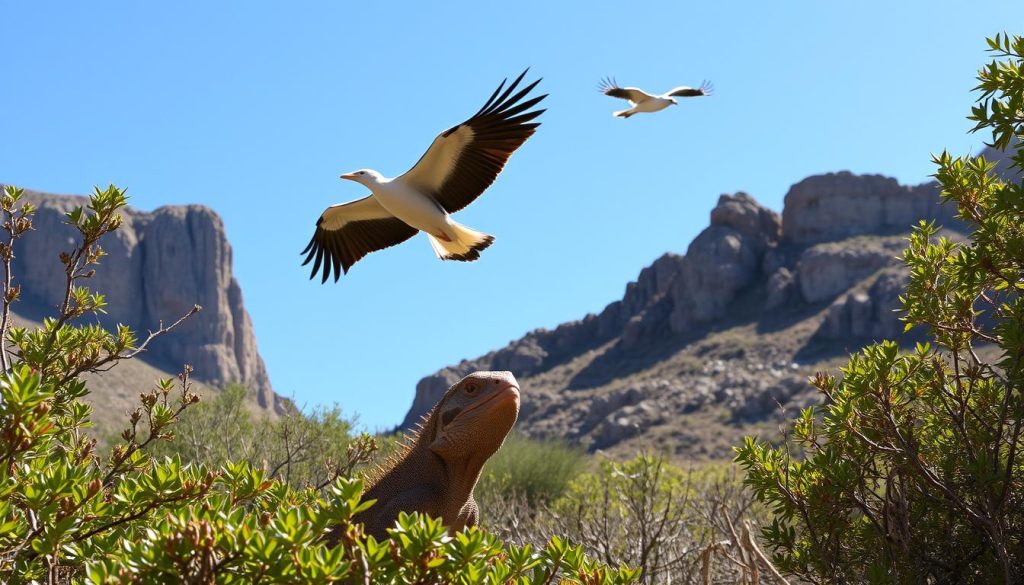
Plan your visit with the park’s accessibility in mind. Booking guided tours can enhance your experience. With the right guidance, you’ll enjoy the park’s incredible wildlife.
Wildlife Photography Tips and Guidelines
Exploring Arikok National Park’s diverse landscapes and wildlife experiences is exciting. You’ll want to capture its beauty. The park’s rich Arikok National Park biodiversity offers many photography chances. The best times for photos are early morning and late afternoon, when the light is soft and golden.
For wildlife shots, a good camera with a telephoto lens is key. A tripod helps keep your camera steady and avoids shake. Remember, wildlife photography should be done ethically, without disturbing animals or harming the environment.
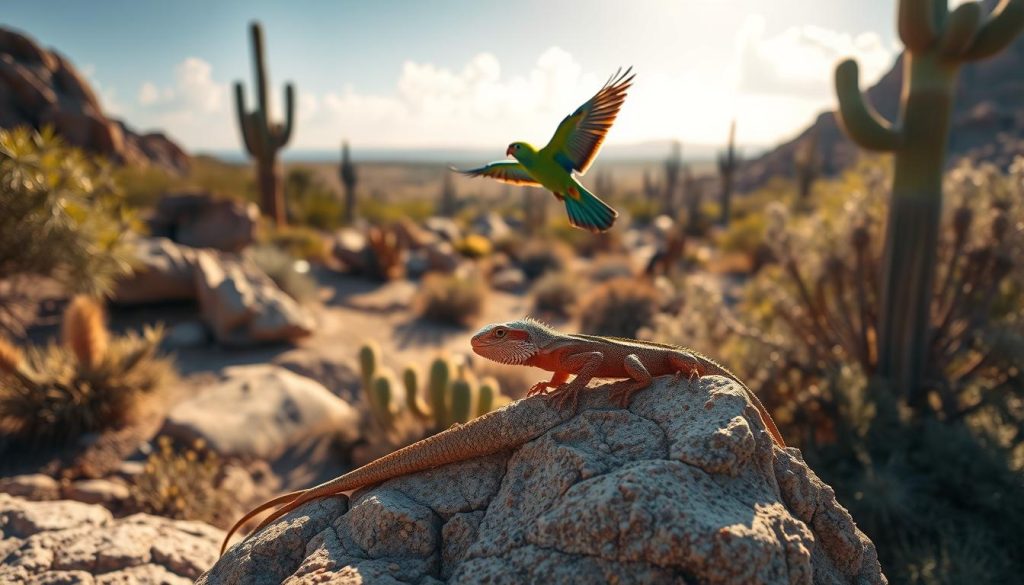
- Respect the animals’ space and keep a safe distance
- Avoid using flash or loud noises that may startle the wildlife
- Be patient and wait for the perfect shot, rather than trying to rush or disturb the animals
By following these tips and being mindful of your impact, you help preserve Arikok National Park’s beauty. This way, future generations can also enjoy its incredibleArikok National Park biodiversity.
Conservation Efforts and Wildlife Protection
Exploring Arikok National Park shows us the importance of protecting its wildlife. The Aruba Conservation Foundation (ACF) is key in this effort. They manage nearly 25% of the island, including Parke Nacional Arikok, which covers 34 square kilometers.
The ACF’s strategy focuses on three main areas: conserve, give value, and create support. This has led to projects like the Nature and Environmental Education (NME) pilot. It started in the 2020/2021 school year and covers themes like Waste Management, Healthy Lifestyle, and Flora & Fauna.
Current Conservation Projects
Projects like the bat monitoring program are underway. They study bat behavior and population. The park also protects endangered species like the Aruba Island rattlesnake and Hummelinck’s vesper mouse.
Measures to reduce littering are in place. Visitors are encouraged to use reusable water bottles. This helps minimize waste in the park.
How Visitors Can Help
Visitors can help by following park rules, like not littering and staying on trails. Supporting local conservation efforts is also important. Joining guided tours can help spread the word about conservation and learn about the park’s ecosystem.
Together, we can protect the Arikok National Park ecosystem and its wildlife for the future.
Essential Tips for Responsible Wildlife Viewing
Exploring Arikok National Park means taking care of its wildlife. By following simple rules, you can protect the park and enjoy it more. A good Arikok National Park wildlife guide can show you the best trails.
It’s important to keep a safe distance from animals. Feeding them is not allowed, as it can harm their health. Always stay on the trails to avoid damaging habitats.
Remember, your actions matter. Taking just one shell might seem small, but it adds up. Being careful helps keep the park beautiful for everyone.
Here are some tips for wildlife viewing:
- Keep a safe distance from wildlife to avoid stressing or disturbing them
- Don’t feed wildlife, as it can disrupt their natural feeding behavior and lead to health issues
- Stay on designated trails to prevent habitat destruction and minimize your impact on the environment
By following these tips, you can have a great time at Arikok National Park. You’ll also help protect its amazing wildlife. A knowledgeable Arikok National Park wildlife guide can make your visit even better.
Conclusion: Making the Most of Your Wildlife Experience at Arikok
As you finish your trip through Arikok National Park, think about all the wildlife you’ve seen. You’ve watched birds fly above and seen reptiles and mammals living in the desert. Arikok has shown us the amazing natural beauty of Aruba.
To enjoy your Arikok National Park wildlife experiences fully, remember to respect the park’s efforts to protect it. Follow the rules for watching wildlife and help with projects that keep habitats safe. Your help, through eco-tourism or volunteering, can really help.
When you leave Arikok, you’ll have a deeper love for nature and its need for protection. Let your wildlife memories motivate you to explore and protect other ecosystems. With your support for sustainable tourism, Arikok’s biodiversity will flourish for many years.