Must-Try Local Dishes in Cebu City: Foodie’s Guide
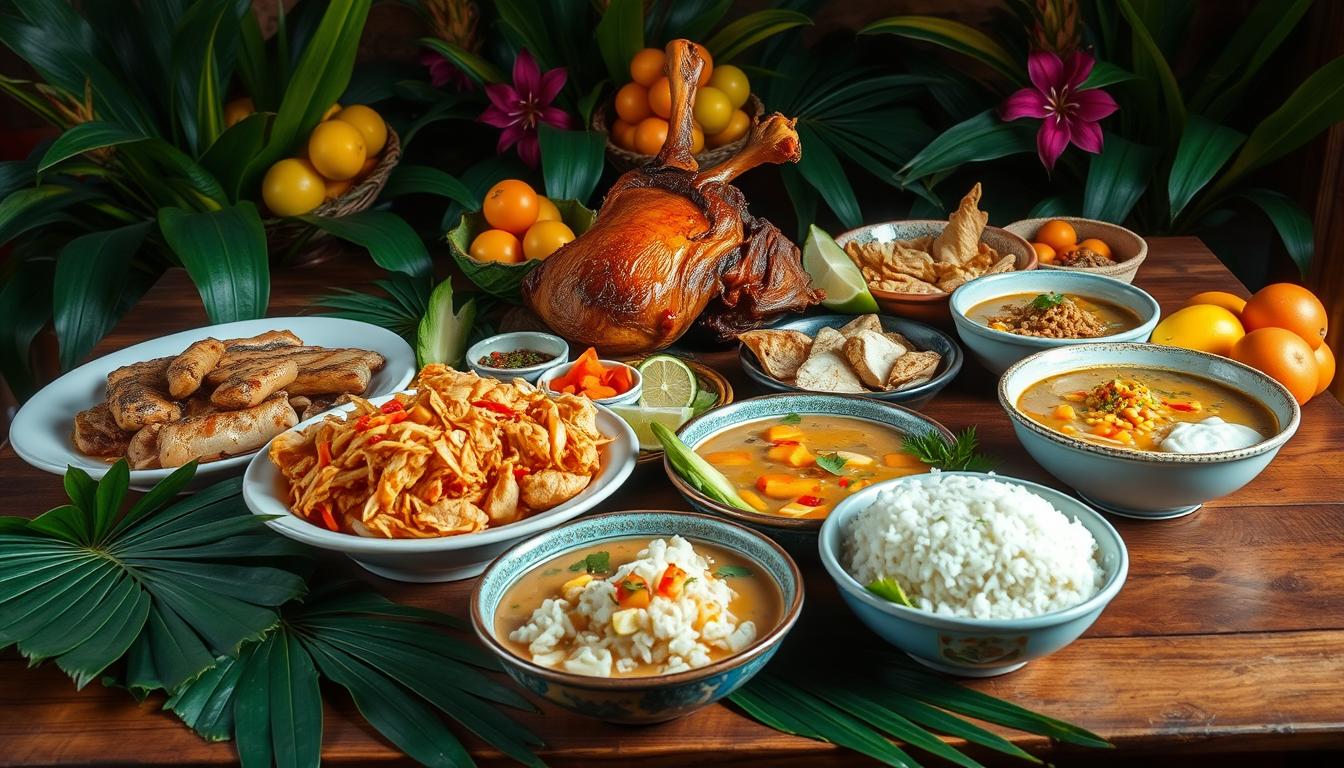
Cebu Island offers a rich tapestry of flavors for food lovers. From iconic Lechon Cebu to unique street food, this guide explores Cebu’s vibrant Cebu cuisine. Discover the must-try local delicacies and Cebuano dishes that make this province a top Filipino food destination.
Get ready for a tasty adventure through Cebu’s traditional fare and culinary highlights. This guide celebrates the rich heritage and flavors of Cebu. You’ll learn about the city’s most captivating local dishes.
Whether you’re a seasoned foodie or new to Cebu City‘s food scene, you’re in for a treat. Let’s dive into Cebu’s exciting culinary landscape together!
Iconic Cebu Dishes
Cebu’s most famous dish is Lechon Cebu. This whole roasted pig boasts crispy, golden-brown skin and juicy, flavorful meat. The meticulous preparation can take up to half a day, ensuring perfection.
Pusô, or “hanging rice,” is another Cebuano favorite. These rice dumplings are woven from coconut leaves, creating a portable snack. Pusô is a cultural symbol in Cebu and pairs well with grilled meats and seafood.
| Dish | Description |
|---|---|
| Lechon Cebu | Whole roasted pig with crispy skin and juicy meat |
| Pusô | Rice packed in woven coconut leaves, a portable snack |
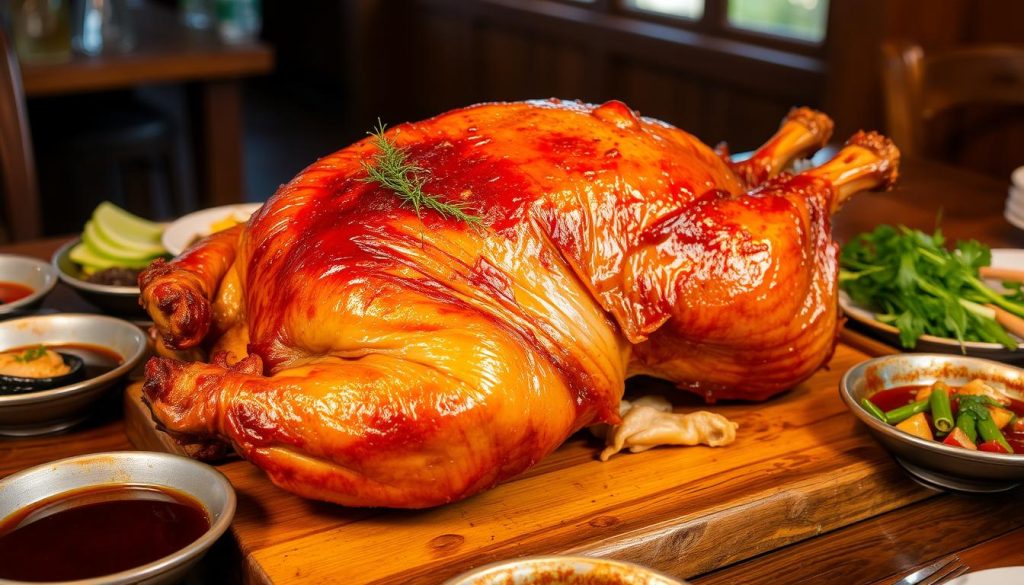
“Cebuano lechon is considered one of the best in the country and even the world, with debates among locals about the best lechon in different areas of Cebu.”
Cebu’s Street Food Scene
Cebu’s lively street food scene offers a genuine taste of local culture. Larsian BBQ is a hub for grilled pork, chicken, seafood, and Cebu chorizo. These delights are served with pusô rice, a local favorite.
Cebuano cuisine blends indigenous, Spanish, and Chinese flavors. Lechón, roasted suckling pig, is a standout dish. Puso, or hanging rice, is a common staple. Balut and ginabot are popular exotic treats.
Tuslob Buwa is a unique dish featuring puso rice dipped in savory sauce. Siomai, Cebu’s pork dumplings, are inspired by Chinese dim sum. Crispy fried seafood like octopus and calamari are also widely available.
For an authentic street food experience, visit Carbon Market or Sugbo Mercado night market. These spots offer a wide array of tempting local dishes.
| Cebu Street Food Item | Price Range |
|---|---|
| Puto Balanghoy (15 cm diameter slice) | 30-40 pesos |
| Puto Maya (per piece) | 8-15 pesos |
| Buko Pie (whole, 8 slices) | 280 pesos |
| Turon Banana (per piece) | 10-20 pesos |
| Empanada (per piece) | 10-25 pesos |
| Bibingka (per piece) | 10-30 pesos |
| Buko (Coconut Water) | 20-40 pesos |
Street food in Cebu is budget-friendly, with most items costing less than 30 pesos. This makes it easy to sample various local specialties. Dive into the vibrant Cebu street food scene for a memorable experience.
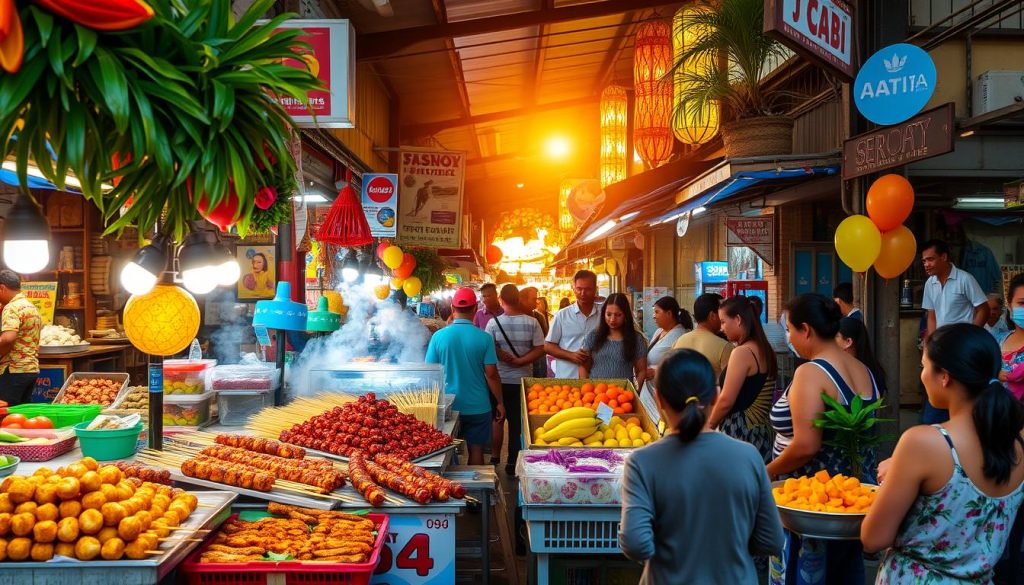
“The sights, sounds, and smells of Cebu’s street food scene are a feast for the senses, leaving an indelible mark on the memory of any visitor.”
What are some must-try local dishes in Cebu City?
Cebu City offers a diverse array of local dishes. One must-try specialty is SuTuKil, combining three cooking methods: Sugba (grilled), Tuwa (stewed), and Kilaw (raw ceviche style). At Manna Sutukil in Mactan, choose fresh seafood and decide how you want it prepared.
Cebu’s local cuisine features a variety of flavors. Try crispy ginabot (deep-fried pork intestines) or succulent barbecue chicken, pork, and liver (atay). The savory nilarang (fish soup with spices) is also worth tasting.
For a unique experience, sample puso dipped in tuslob buwa (sauteed pig’s brain). This delicacy shows the city’s culinary creativity. Don’t miss the iconic lechon, Cebu’s famous roasted suckling pig.
Rico’s Lechon, known internationally, serves exceptional lechon dishes. Their crisp skin and flavorful meat have earned Cebu the title “Lechon Capital of the Philippines.
Cebu’s street food scene offers local specialties too. Try sweet and crunchy turon (caramelized banana) or unique balut (boiled duck embryo). These treats showcase the city’s vibrant culture.
Exploring these dishes will immerse you in Cebu’s rich culinary traditions. Each bite tells a story of local ingenuity and flavor.

“The food tour with Backstreet Academy was the highlight of my visit to Cebu City. It not only provided culinary experiences, but also insightful conversations about local culture and social issues.”
Best Cebu Food Spots
Larsian BBQ: Cebu’s BBQ Mecca
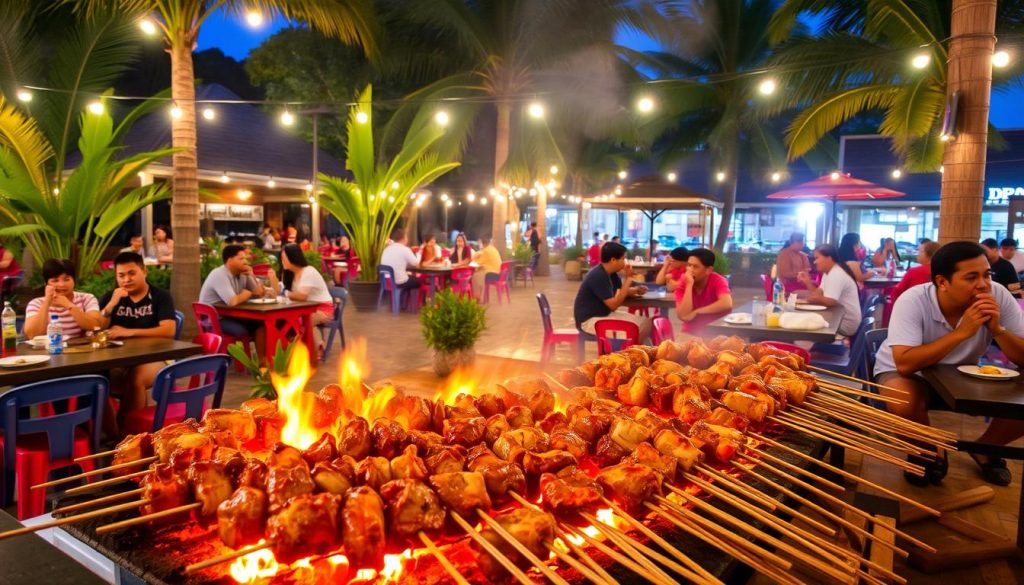
Larsian BBQ at Sa Fuente offers a genuine street food adventure in Cebu. This lively open-air food court features many stalls with tasty grilled items. Visitors can enjoy pork, chicken, seafood, and famous Cebu chorizo.
The scent of sizzling meats fills the air, drawing people in. Larsian BBQ is open 24/7, with grilling starting around 10 AM. You can enjoy their delicious offerings any time of day or night.
Crave a juicy pork skewer or perfectly grilled seafood? Larsian BBQ has it all. They serve their dishes with pusô rice, a classic Cebuano side.
This food hub captures the heart of Cebuano cuisine. It focuses on high-quality, flavorful grilled items that delight taste buds. Larsian BBQ leaves a lasting impression on all who visit.
Cebu’s Culinary Events
Cebu, the Visayas region’s heart, is a food lover’s paradise. It hosts exciting culinary events year-round. The annual Sinulog Festival blends culture with delicious local dishes. Visitors can enjoy street festivities and savor traditional dishes and innovative food items.
Food fans shouldn’t miss the Cebu Food & Wine Festival. This event unites top chefs, food entrepreneurs, and culinary enthusiasts. It showcases Cebu’s diverse flavors and rich culinary heritage. Attendees can taste both traditional dishes and innovative food items.
“Cebu’s culinary events are a true celebration of the island’s gastronomic identity, inviting visitors to embark on a flavorful journey through its rich cultural tapestry.”
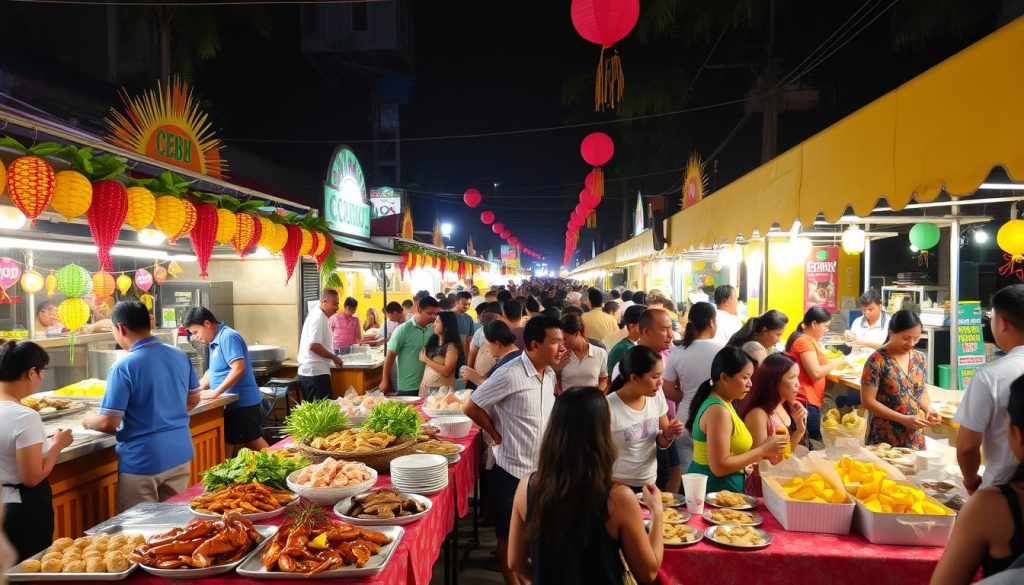
These events offer a taste of Cebu’s unique flavors. They promise unforgettable experiences for food lovers and travelers alike. You’ll leave craving more of the region’s culinary delights.
Practical Tips for Foodie Travelers
Cebu City’s culinary adventure awaits! Here are some tips to enhance your foodie experience. From getting around to understanding local customs, these insights will help you fully enjoy your trip.
Transportation
Cebu City offers various ways to explore local cuisine. Iconic jeepneys and efficient buses can take you to popular food spots. Ride-hailing services like Grab provide a convenient option.
For adventures outside the city, consider renting a car. This gives you flexibility to discover hidden culinary gems in the area.
Weather
Cebu City has a warm, tropical climate year-round. Pack lightweight clothing to stay comfortable. Don’t forget an umbrella for unexpected showers.
Local Etiquette
Filipinos are known for their warm hospitality. Greet locals with a friendly smile and a simple “hello” or “good morning/afternoon/evening“. Some Cebuanos may eat traditional dishes with their hands.
Be mindful of local dining etiquette when enjoying meals with others. This shows respect for their customs and traditions.
Currency and Connectivity
The local currency is the Philippine Peso (PHP). Many places accept credit cards, but keep some cash handy for markets or small eateries.
Stay connected with free Wi-Fi in various public spaces and cafes. This helps you share your foodie adventures with friends and family.
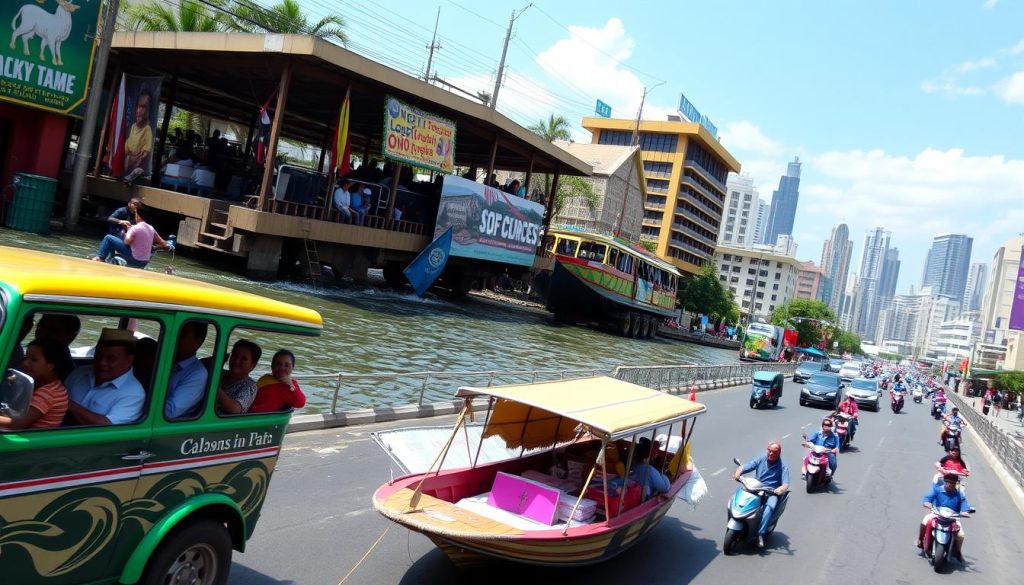
These tips will prepare you for Cebu’s vibrant food scene. Get ready to savor authentic local flavors and create unforgettable culinary memories.
Regional Delicacies Uncovered
Carcar Public Market is a treasure trove of Cebu’s best food souvenirs. It’s famous for mouthwatering Carcar chicharon, crispy pork skin. You’ll also find local treats like ampao (puffed rice) and bocarillo (candied coconut strips).
Cebuano cuisine showcases the region’s diverse landscape and culinary traditions. There are six regional styles of puso, a heart-shaped rice dish. Sutukil, a famous Cebuano dish, combines grilled food, soup, and vinegar-based dishes.
Louella Alix, a local food writer, preserves Cebuano culinary heritage. Her book “Hikay: The Culinary Heritage of Cebu” features 50 recipes from the region. These recipes highlight the essence of Cebuano cuisine.
“The Cebuano word ‘Hikay’ means ‘to prepare food’ and represents a feast or banquet when multiple dishes are served.”
Cebuano adobo is unique, containing no soy sauce. It uses vinegar, garlic, salt, and pepper, resulting in a dry, fried dish. Cebuanos prefer grilled and fried foods with minimal sauce.
They also enjoy clear broths in soups like tuwa, a fish stew. Local treats include Carcar chicharon, ampao, and bocarillo. Cebu is famous for its dried mangoes, with 7D Mangoes being a trusted brand.
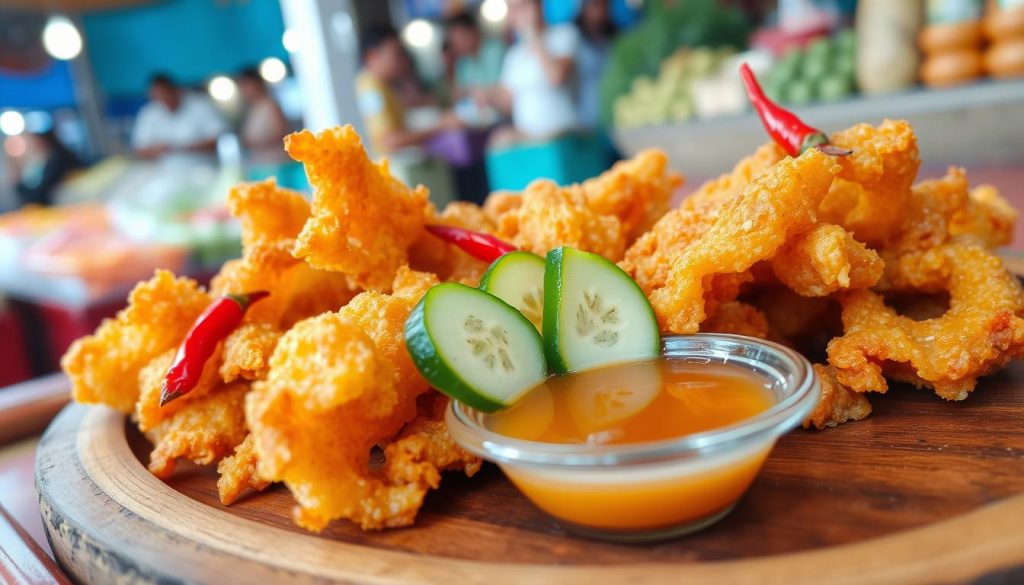
Other regional delicacies include Pochero stew and Ngohiong Sticks. The iconic Lechon De Cebu is a pork dish blended with spices. Cebu’s food scene offers a range of crunchy snacks, sweet confections, and savory specialties.
Conclusion
Cebu’s culinary scene is a food lover’s dream. The island offers a wide range of flavors, from famous Lechon to unique local markets. Food festivals add to the excitement, showcasing the province’s diverse tastes.
Kare-Kare, Sinigang, and Halo-Halo are must-try dishes in Cebu. For street food, head to Larsian BBQ. It’s a great place to experience local culture and flavors.
Cebu’s food blends tradition with modern twists. The island’s heritage and diverse influences shine through its cuisine. Try iconic dishes and discover hidden gems across Cebu.
Experience the warmth and hospitality that make Cebu special. The island’s food culture reflects its welcoming spirit. Enjoy the unique tastes and memorable dining experiences Cebu has to offer.