Using Credit Cards in Manila: A Guide for US Travelers
Credit card usage in Manila is growing, but cash remains the preferred payment method. US travelers can still enjoy a smooth payment experience with proper planning. Let’s explore the ins and outs of using credit cards in this vibrant city.
Currency Exchange and Traveler’s Cheques in the Philippines
Understanding the Philippine Peso
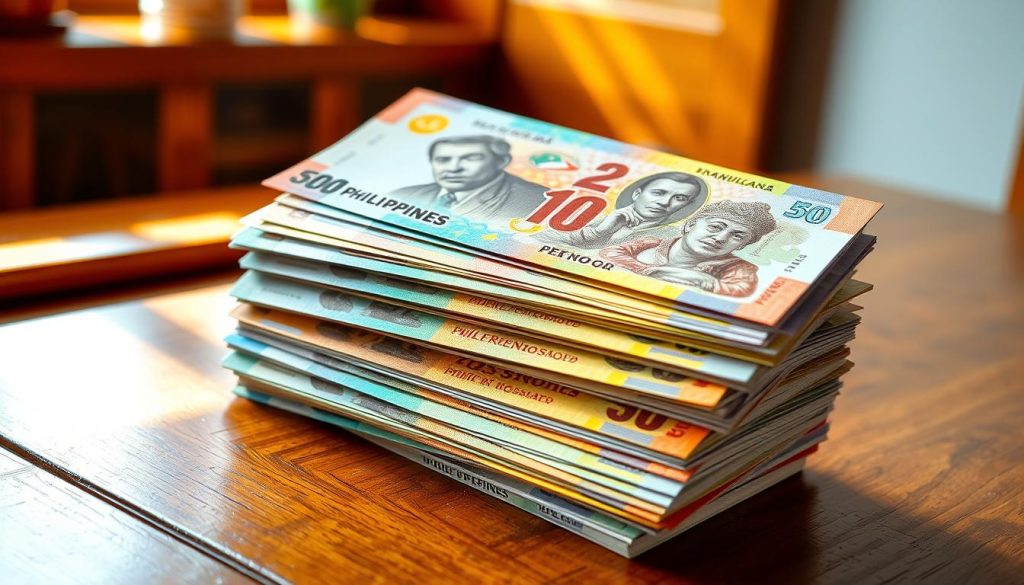
The Philippine Peso (PHP) is the local currency in the Philippines. It’s divided into 100 centavos. Banknotes come in ₱10, ₱20, ₱50, ₱100, ₱200, ₱500, and ₱1,000 denominations. Coins are available in 5c, 10c, 25c, ₱1, ₱5, and ₱10.
The Philippine peso is the main currency for transactions in the country. It’s best to exchange your foreign money for peso currency when you arrive. This ensures you have the right peso denominations for your trip.
| Banknote Denominations | Coin Denominations |
|---|---|
| ₱10, ₱20, ₱50, ₱100, ₱200, ₱500, ₱1,000 | 5c, 10c, 25c, ₱1, ₱5, ₱10 |
Traveler’s checks are rarely accepted for exchange in the Philippines. Bring US dollars or use debit/credit cards for transactions during your stay.
Knowing about the Philippine Peso helps you manage your money better. It ensures a smooth travel experience in the Philippines.
ATMs and Cash Withdrawals in Manila
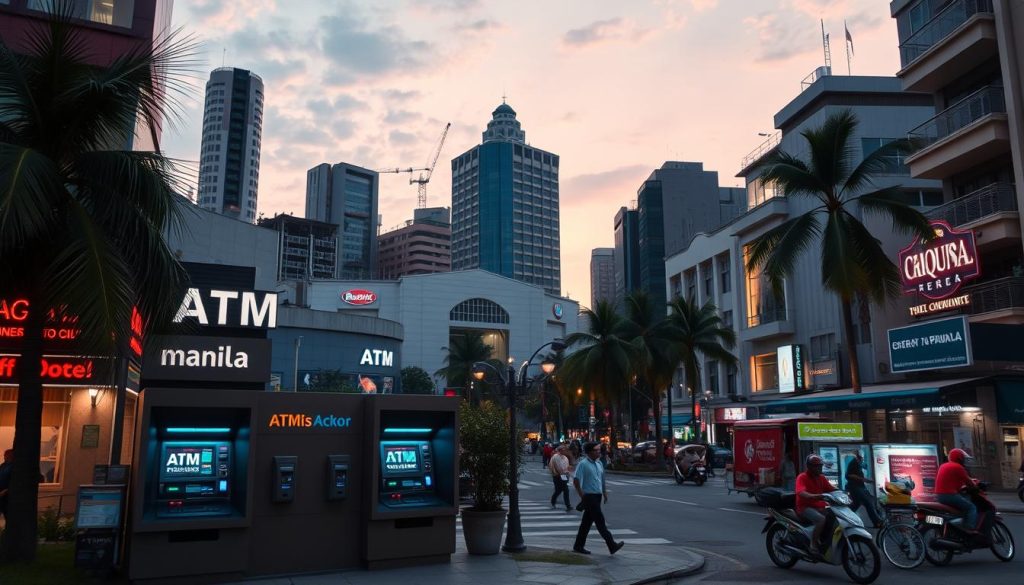
ATMs are plentiful in Manila and other major Philippine cities. You’ll find them in malls, hotels, and busy streets. Most ATMs accept international cards like Visa, Mastercard, Cirrus, and Plus.
Leading banks such as BDO Unibank, Metrobank, and BPI operate these ATMs. Withdrawal limits typically range from ₱10,000 to ₱40,000 per transaction. This caters to both local and foreign visitors’ needs.
Finding ATMs in Major Cities
Manila’s extensive ATM network serves both locals and tourists well. You can easily access cash throughout the city. Remember to check your card’s compatibility before traveling.
ATM Fees and Withdrawal Limits
Manila ATMs charge fees between ₱0 and ₱300 per transaction. The most common fee is around ₱250. Be aware of your bank’s ATM withdrawal limits in the Philippines.
These limits may differ from those in your home country. It’s wise to check with your bank before traveling.
| Bank | ATM Fees | Withdrawal Limits |
|---|---|---|
| BDO Unibank | ₱200 | ₱40,000 |
| Metrobank | ₱300 | ₱20,000 |
| BPI | ₱150 | ₱30,000 |
Inform your bank about your Philippines travel plans before leaving. Ask about their ATM fees and withdrawal limits. This helps avoid unexpected charges.
Consider downloading apps like ATM Fee Saver for up-to-date information. These apps track ATM fees and withdrawal limits across the country.
Credit Card Acceptance in Manila
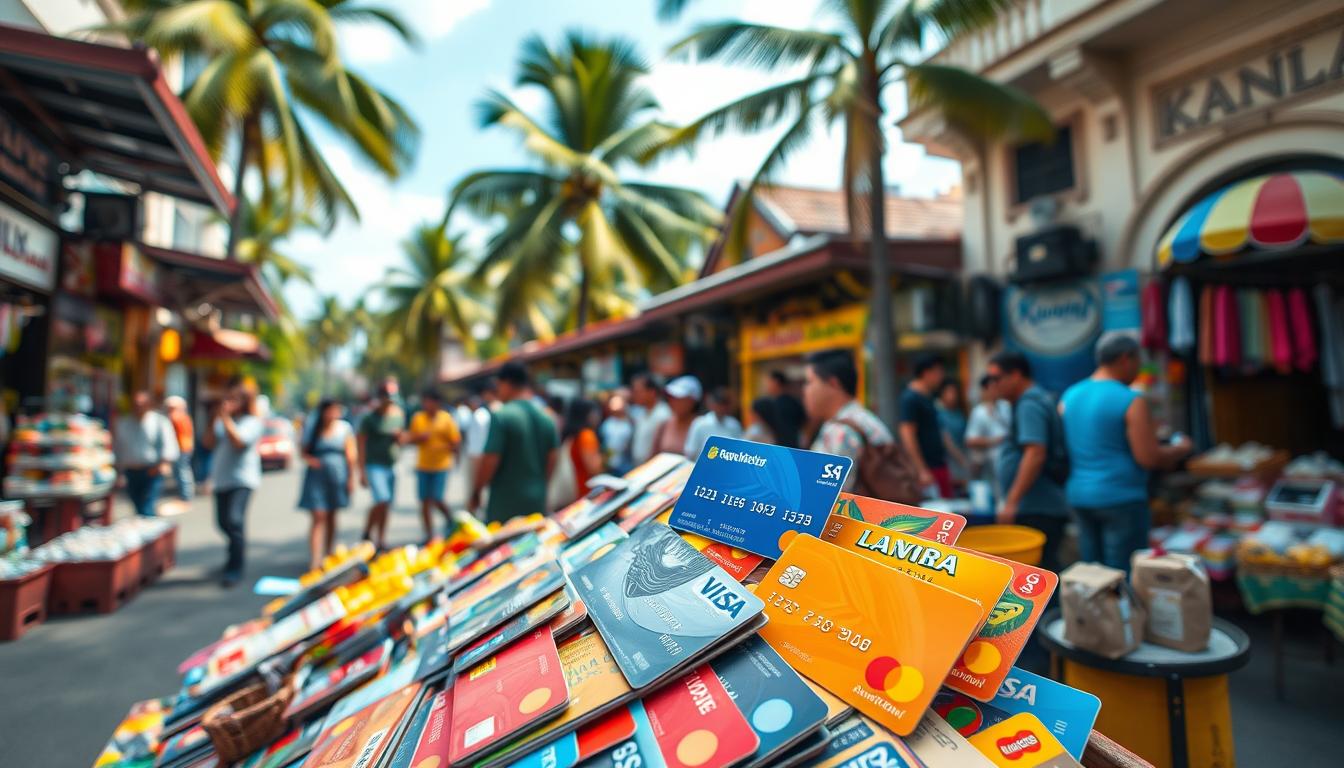
Most major credit cards are widely accepted in Manila. Visa and Mastercard lead the pack. American Express is accepted in some places, but less often than the others.
Credit cards work well at upscale hotels, shops, and restaurants. They’re preferred for big purchases like hotel stays or flights. You can also get cash from ATMs, but fees are usually higher.
| Credit Card Acceptance in Manila | Percentage |
|---|---|
| Visa and Mastercard | Most widely accepted |
| American Express | Less commonly accepted than Visa and Mastercard |
| Cash Advances from ATMs | Relatively higher fees |
Some card issuers charge foreign transaction fees of 1% to 3%. Capital One cards often waive these fees, making them a good choice for Manila travelers.
Credit cards offer safe and easy payments in Manila. They provide $0 liability for unauthorized purchases. You can report lost cards through an app and earn rewards on spending.
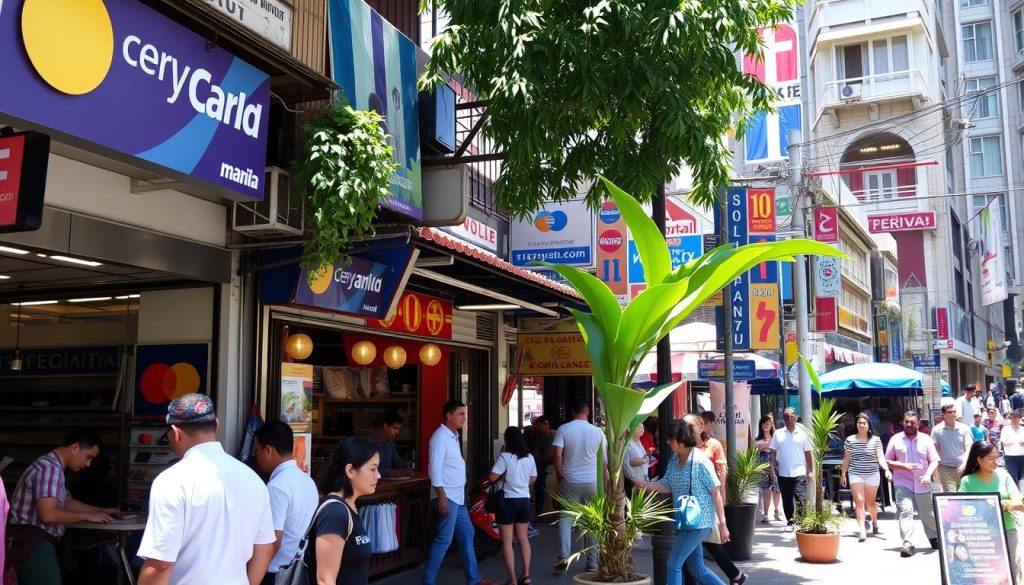
Can you use credit cards easily in Manila?
Manila visitors should be ready to use both credit cards and cash. Credit cards are gaining popularity, but cash remains the main payment method in many places.
Where Credit Cards Are Accepted
Major credit cards are widely accepted at upscale Manila establishments. These include hotels, restaurants, and tourist-oriented shops. Many retailers, malls, gas stations, and pharmacies also take credit card payments.
Challenges of Using Credit Cards
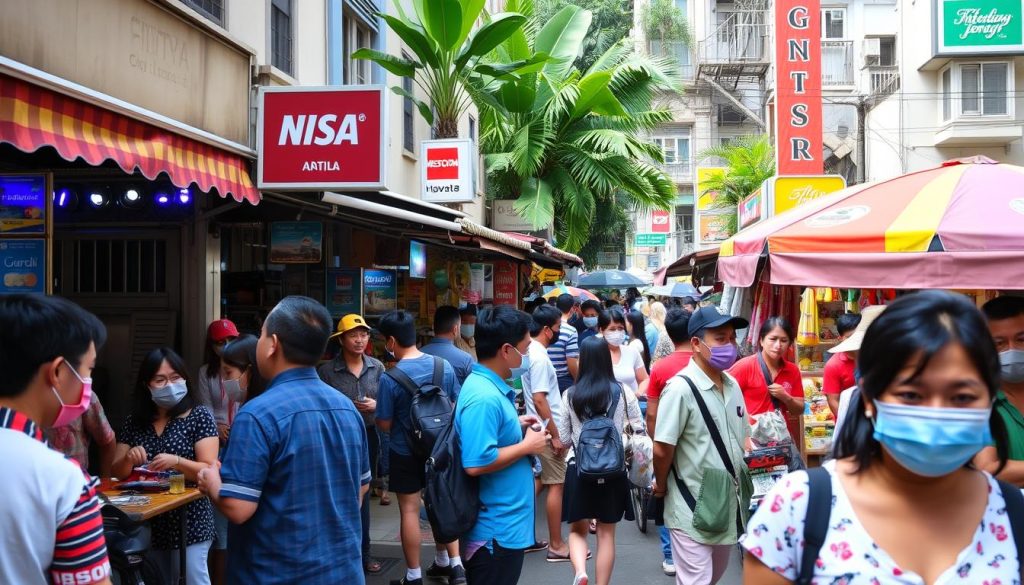
- Many smaller businesses, local markets, and street vendors in Manila only accept cash payments.
- Credit card acceptance can be inconsistent, and travelers may encounter establishments that do not accept certain card types or have minimum purchase requirements.
- Credit card transactions may incur foreign transaction fees, typically around 2-3% of the total purchase amount.
For a smooth payment experience in Manila, bring both credit cards and Philippine pesos. This approach allows you to handle various payment situations during your visit.
Having multiple payment options gives you access to a wide range of purchasing choices. It helps you navigate Manila’s diverse payment landscape with ease.
| Credit Card Provider | Card Example | Key Features |
|---|---|---|
| BPI (Bank of the Philippine Islands) | BPI Blue Mastercard | Minimum monthly income requirement: ₱15,000; Interest rate: 3% |
| HSBC | HSBC Red Mastercard | Offers up to 4x bonus points on certain purchases |
| Metrobank | Travel Platinum Visa | Provides travel benefits such as waived baggage fees and exclusive airport lounge access |
| UnionBank | Gold Visa | Offers 1.5% cashback on every purchase |
| Citibank | Citi Simplicity+ Card | No annual fees and a low interest rate |
| Security Bank | Platinum Mastercard | Provides travel insurance and cashback rewards |
Alternative Payment Methods
Credit cards are gaining popularity in Manila. However, mobile wallets and digital payment apps are also on the rise. These innovative solutions offer convenience, security, and better accessibility for travelers.
Mobile Wallets and Digital Payments
GCash and Maya are leading mobile wallet options in the Philippines. They allow users to make digital transactions, pay bills, and transfer funds from smartphones. PayPal remains widely accepted for international transactions.
The Philippines has seen a 400% annual increase in real-time digital payments. This trend is expected to continue. By 2025, digital and mobile wallets may handle 45% of e-commerce transactions.
Buy now, pay later (BNPL) services like BillEase and Cashalo are gaining popularity. They offer flexible financing options for consumers. These solutions cater to Filipinos’ evolving preferences as they move towards a cashless society.
| Payment Method | Market Share | Projected Growth |
|---|---|---|
| Mobile Wallets | 16% of POS transactions | 45% of e-commerce transactions by 2025 |
| Digital Payments | 30.5% of total market | 58.26 million users by 2026 |
| BNPL Services | Increasing presence since 2023 | Continued growth in popularity |
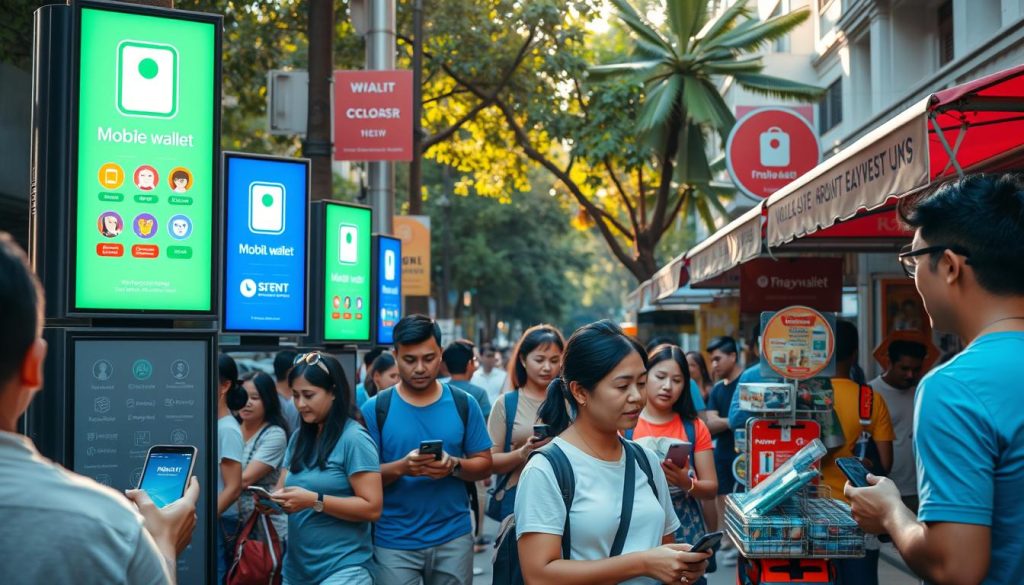
The Philippines is embracing digital transformation. These alternative payment methods will shape the future of financial transactions. Their impact will be felt in Manila and across the country.
Tipping Etiquette in the Philippines
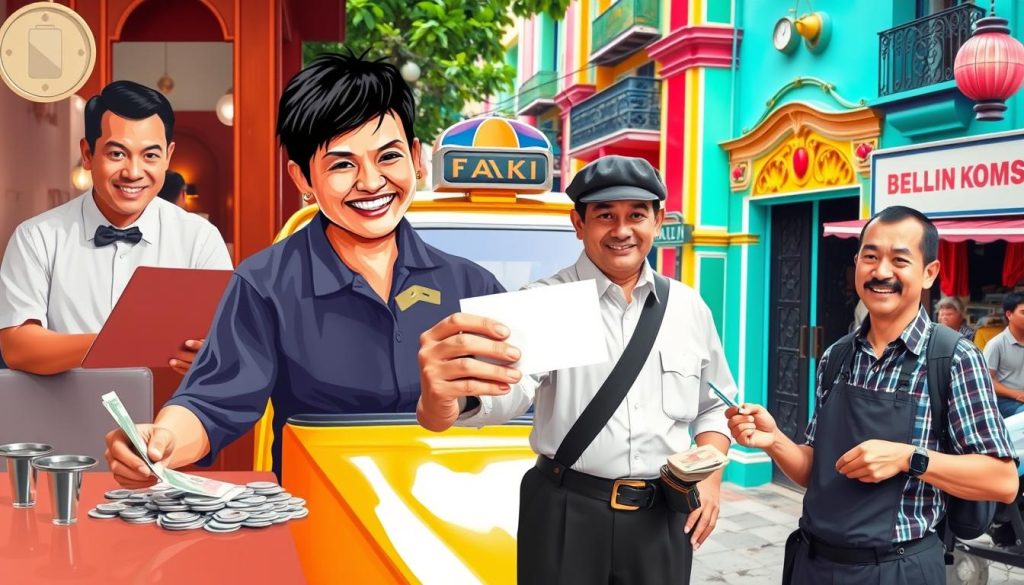
Tipping in the Philippines differs from US customs. It’s not a deep-rooted tradition but is common in tourism-related services. The practice has grown more popular in certain service sectors.
For restaurant dining, a 10% tip is typical. Leave it in cash rather than on a credit card. Other service providers appreciate 50-100 Philippine pesos (Php).
- Restaurant tip: Approximately 10% of the total bill
- Hotel staff, taxi drivers, tour guides, and porters: 50-100 Philippine pesos (Php)
Tipping isn’t mandatory in the Philippines. Some places include service charges in the bill. If unsure, ask your hotel concierge about local tipping customs.
“In the Philippines, tipping is a gesture of appreciation, not an obligation. A little goes a long way in showing your gratitude for exceptional service.”
Understanding Filipino tipping etiquette helps create positive interactions. It shows respect for local customs and appreciation for good service. Your thoughtfulness will leave a lasting impression on service providers.
Managing Cash and Small Denominations
Understanding the Philippine peso is key when traveling in Manila. The currency has banknotes and coins in various denominations. Banknotes range from 5 to 1,000 pesos, while coins include pesos and sentimos.
Familiarize yourself with the different denominations to handle cash effectively. This knowledge will help you navigate transactions smoothly during your Manila visit.
Breaking Large Bills
Breaking large bills can be tricky in Manila, especially 1,000-peso and 500-peso notes. Smaller shops may struggle to provide change for these denominations.
Keep smaller bills and coins handy to avoid this issue. Using the largest acceptable note is polite and helps merchants maintain their change supply.
Building a Stock of Coins
- Hoarding small change is common in the Philippines, used for taxis, tips, and minor purchases.
- It’s recommended to build up a stock of Philippine peso coins to have readily available when needed.
- Carrying a mix of cash, including smaller bills and coins, can help ensure you have the right denominations for various situations.
Good cash management makes transactions in Manila easier. You’ll avoid the hassle of breaking large bills or running out of small change.
This approach ensures smoother interactions during your Manila adventures. It allows you to focus on enjoying your trip without money-related stress.
| Denomination | Value (in Philippine Pesos) |
|---|---|
| Banknotes | 5, 10, 20, 50, 100, 200, 500, 1000 |
| Coins | 1, 5, 10 pesos |
| Sentimo Coins | 1, 2, 5, 10, 25 |
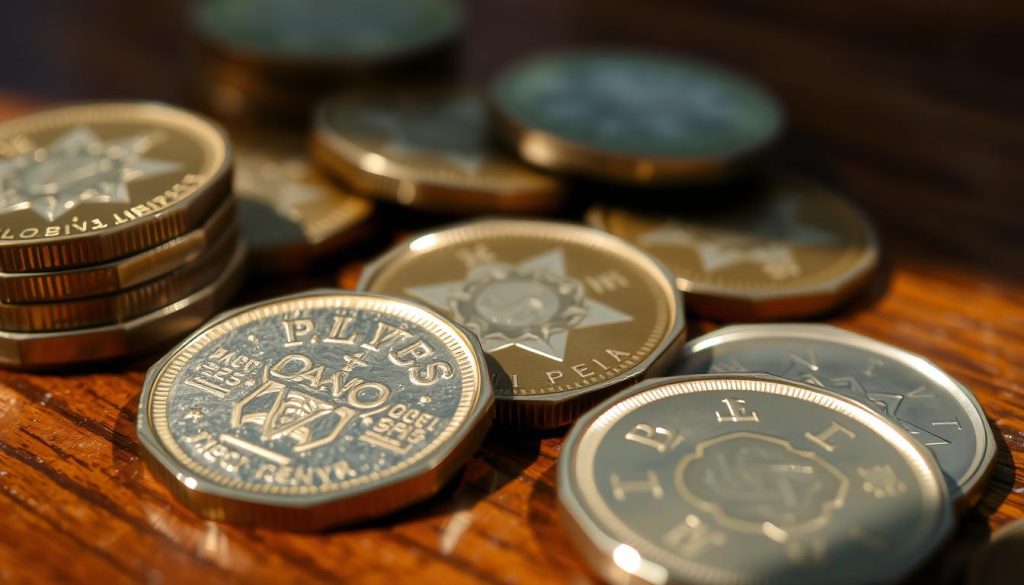
“Carrying a mix of Philippine peso cash, including smaller bills and coins, can help ensure you have the right denominations for various situations in Manila.”
Haggling and Negotiation in Manila
US travelers in Manila should master the art of haggling. Bargaining is common in Philippines’ markets and streets. Learning local negotiating techniques can save you money when shopping with vendors.
Successful bargaining in Manila requires patience and playfulness. Vendors often enjoy the negotiation process. Start with a low offer and work up to a compromise.
Engage in friendly banter during negotiations. This approach can lead to better deals and a more enjoyable experience.
- Avoid aggressive tactics, especially with small vendors who travel far to sell.
- Be respectful and mindful of cultural sensitivities while bargaining.
- Be ready to walk away if the price isn’t right. Manila’s marketplace offers many options.
Haggling and negotiation in Manila can be rewarding for US travelers. With practice, you’ll navigate markets and find amazing deals.
This skill helps you connect with local culture. It’s a chance to experience Manila’s vibrant marketplace firsthand.
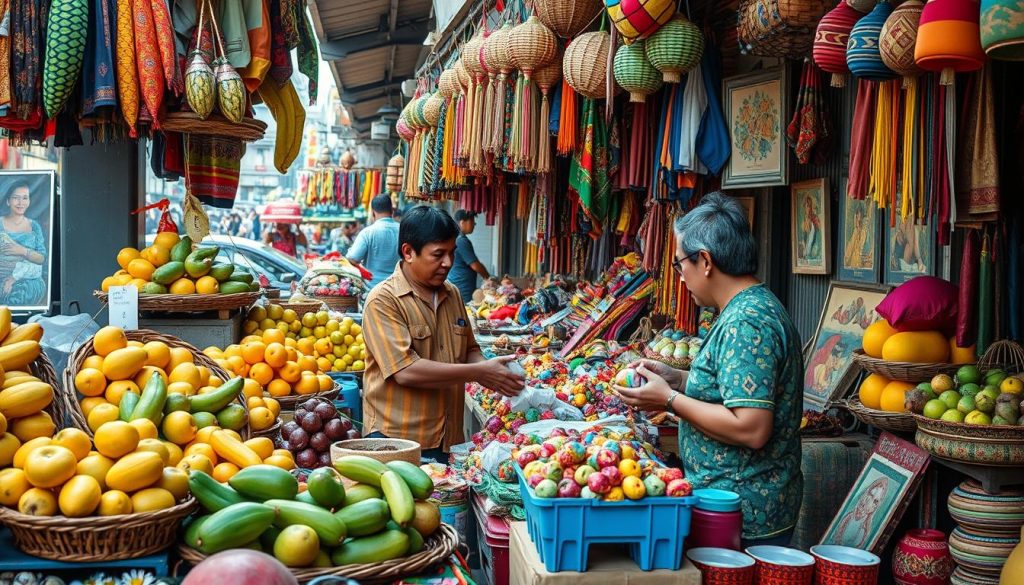
“Haggling is an integral part of the shopping experience in Manila. It’s a chance to connect with the local culture and potentially score some incredible bargains.”
Keeping Your Money Safe
Protect your money when visiting Manila. Be alert to avoid fraud and identity theft. Stay cautious when using ATMs and credit cards in the Philippines.
Avoiding Card Skimmers and Fraud
Consider these tips to reduce card skimming and fraud risks:
- Use ATMs attached to banks or in well-lit, populated areas, as these are less likely to have card-skimming devices installed.
- Inspect the ATM for any suspicious devices or tampering before inserting your card.
- Cover your hand when entering your PIN to prevent shoulder surfing.
- Regularly check your bank and credit card statements for any unauthorized charges.
- Notify your bank of your travel plans to avoid card deactivation due to suspected fraud.
These steps help safeguard your money safety Manila. They also help you steer clear of avoiding fraud Manila or card skimmers Manila.
Stay alert to protect your finances. Take action to secure your money information while traveling.
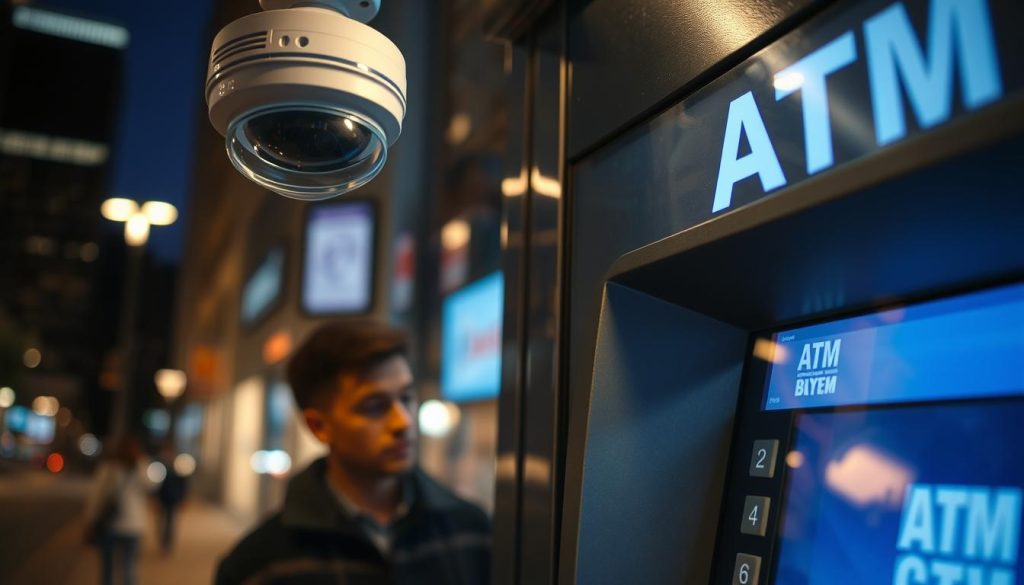
“The best defense against fraud is to be proactive and take steps to protect your financial information while traveling.”
Conclusion
Cash still rules in the Philippines, especially outside big cities. In Manila, be ready to use both cards and cash. This mix will help you navigate local payments smoothly.
Know the fees and limits for different payment options. This knowledge will enhance your financial experience in the Philippines. Some cards can help you save on fees and boost convenience.
The Wise travel debit card is one such option. The Travelex Mastercard prepaid card is another good choice. The 28 Degrees Platinum Mastercard credit card can also be useful.
Use a mix of credit cards and cash in Manila. Learn about local payment customs too. This approach will make your Manila trip more enjoyable. You’ll manage your money better and focus on exploring the city.