Traditional Hunza Cuisine: What to Expect on Your Visit
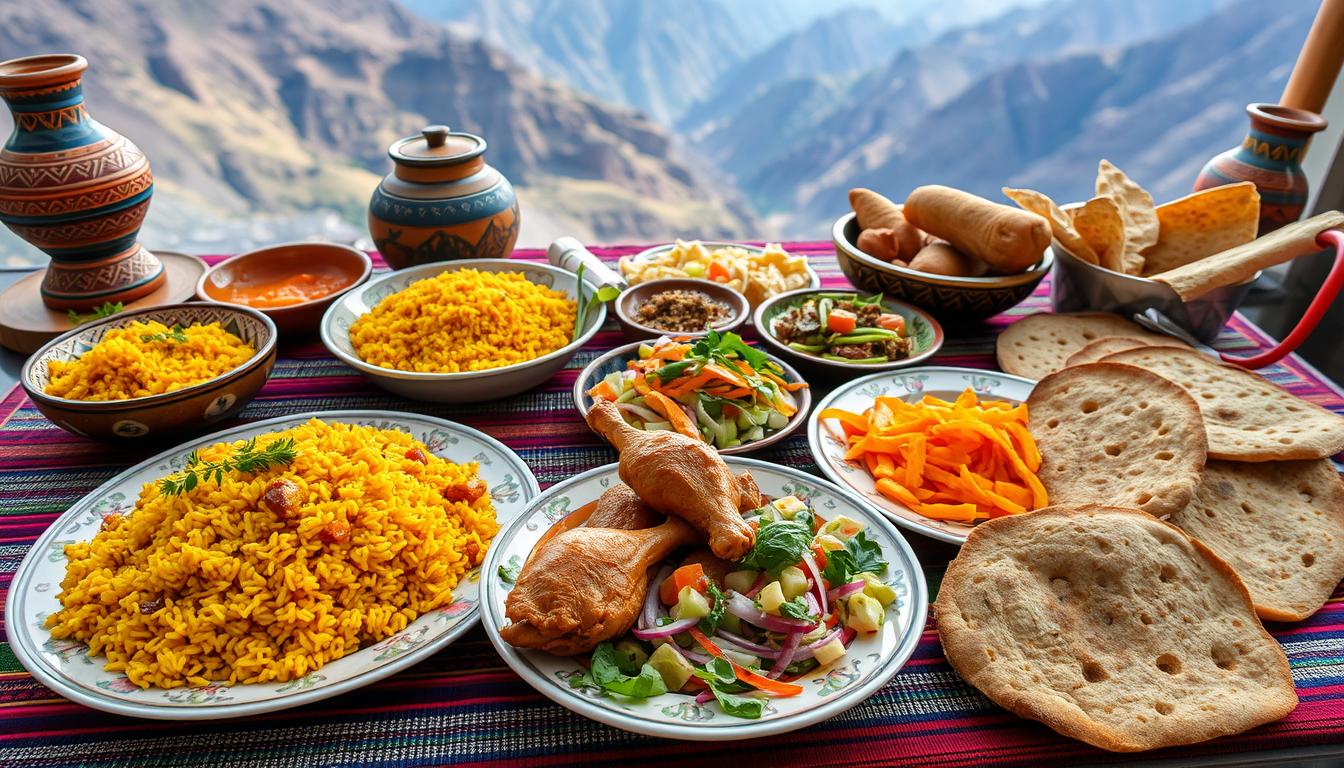
The Hunza Valley’s culinary treasures are truly unique. This region in Gilgit Baltistan offers a distinctive gastronomic heritage. Hunza cuisine features spice-free local dishes and organic, glacier-fed ingredients.
Perched above 2,000 meters, the Hunza Valley has its own traditions and languages. Their recipes have been passed down for generations. This results in diverse, flavorful, and nutritious dishes unlike any others in Pakistan.
Hunza cuisine focuses on organic, locally sourced ingredients. The region’s fertile lands are fed by icy glacier streams. These produce an abundance of fresh fruits and vegetables.
Unlike typical Pakistani food, Hunza dishes use fewer spices. This allows the natural flavors to stand out. The result is a unique and wholesome dining experience.
Prepare to be amazed by the Hunza Valley’s authentic flavors. This culinary adventure will introduce you to fascinating gastronomic traditions. Get ready to savor the taste of this remarkable region.
Discovering the Mesmerizing Hunza Valley
The Hunza Valley in Gilgit Baltistan enchants visitors with its beauty and rich culture. This region, over 2,000 meters high, is home to a unique community. They’ve preserved their traditions and languages for generations.
The Enchanting Beauty of Gilgit Baltistan
Gilgit Baltistan, Pakistan’s northernmost region, is famous for its stunning landscapes. The Hunza Valley shines with snow-capped peaks and crystal-clear streams. Lush green orchards add to its charm.
Ancient forts and quaint villages await exploration. Natural wonders make this destination a true paradise on earth. Visitors are left with lasting impressions of its beauty.
Unique Traditions and Languages of Hunza
- The people of Hunza speak a diverse array of languages, including Burushaski, Wakhi, and Shina, while also having a strong command of the national language.
- Their vibrant traditions, passed down through the centuries, are woven into the fabric of daily life, from intricate textile weaving to captivating folk music and dance performances.
- Hunza’s unique culture is further reflected in its cuisine, which has gained international recognition for its health benefits and delectable flavors.
Hunza offers a captivating blend of natural beauty and rich heritage. Its resilient traditions make the valley a true gem. Experience the mesmerizing world of Hunza in Gilgit Baltistan.
The Organic and Flavorful Hunza Food
The Hunza Valley’s local cuisine offers a unique dining experience. It’s known for exceptional quality and natural flavors. Hunza food uses organic, locally-sourced ingredients.
Fresh Produce Nourished by Glacier Streams
Pristine glacier streams feed Hunza Valley’s fertile lands. This nourishes an abundance of organic fruits and vegetables. The produce is unmatched in freshness and nutrition.
Crisp apples, juicy apricots, vibrant greens, and earthy root vegetables thrive here. These ingredients form the foundation of Hunza’s distinctive cuisine.
Embracing the Spice-Free Flavors of Hunza Dishes
Hunza dishes have a subtle and delicate flavor profile. Unlike spicy Pakistani curries, Hunza food uses fewer spices. This allows the natural tastes of Hunza organic food to shine through.
The cuisine reflects ancient cultures and traditions. Recipes have been passed down for generations. Dishes like Buroshapik/Ghilmindi and Diram Pitti showcase Hunza produce.
The Hunza spice-free cuisine offers a truly unforgettable culinary journey. It encourages diners to savor each ingredient’s unique flavor.
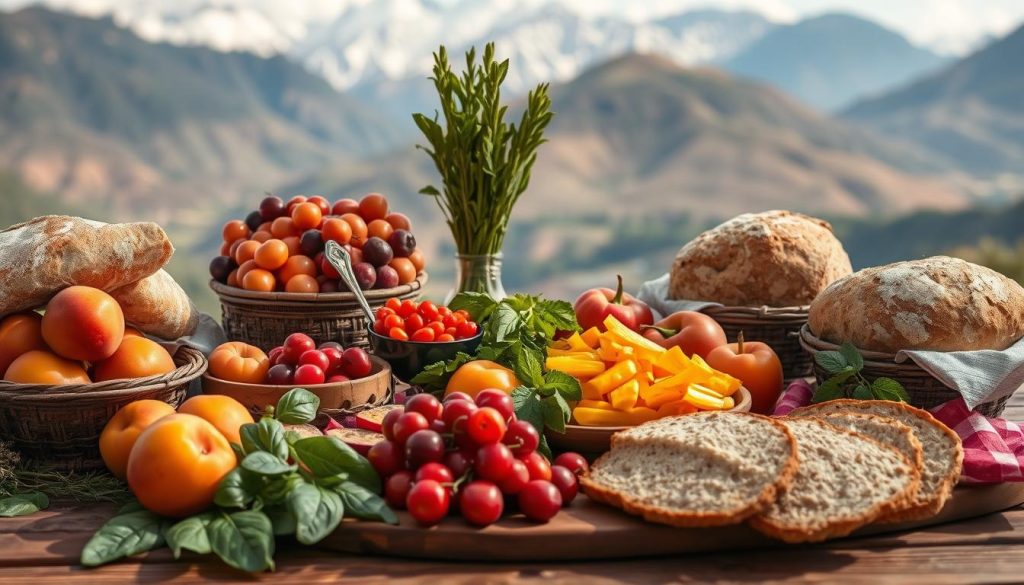
“The Hunza Valley’s cuisine celebrates simple, wholesome ingredients. Hunza glacier streams nourish these foods. Each dish highlights the region’s flavors and traditions.”
Iconic Hunza Valley Foods to Savor
The Hunza Valley offers a mouthwatering array of iconic dishes. From the beloved chapshuro to gyaling/gral, you’ll find tantalizing culinary delights. These traditional foods will excite your taste buds.
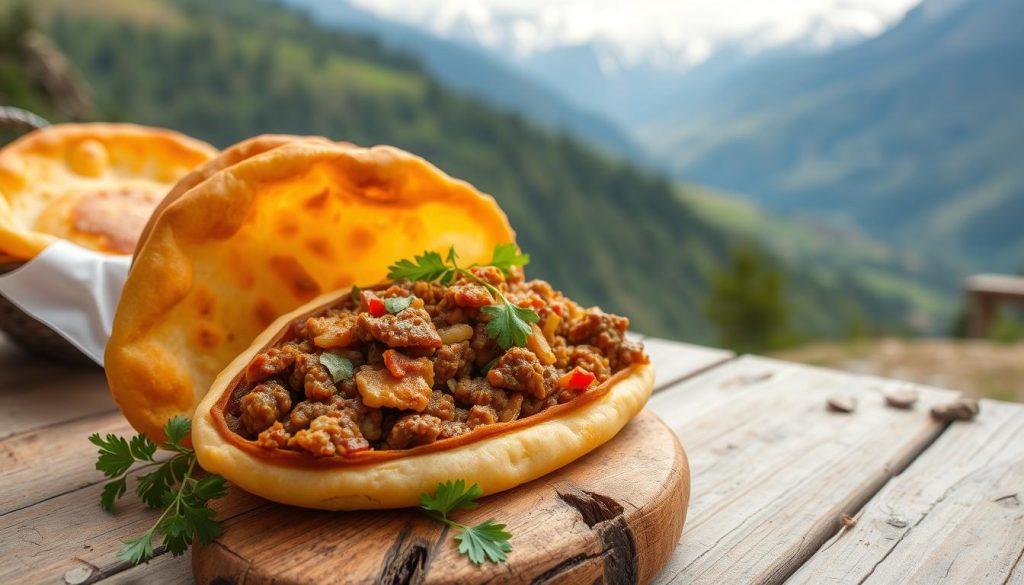
Chapshuro is a pizza-like bread stuffed with meat and spices. It’s baked to perfection, creating a delicious meal. Another must-try is buroshapik/ghilmindi, a unique cheese-filled delight you’ll crave.
For comfort food, try hoilo garma, a dish of spinach and potatoes. It pairs perfectly with fresh flatbread. Diram pitti, a naturally sweet sprouted wheat bread, satisfies sweet cravings.
Sip on aromatic tumoro tea, a soothing herbal blend. For a hearty meal, try harissa. This protein-packed dish combines meat, rice, wheat, and lentils.
Savor the savory shopan and flavorful gittey. Don’t miss the nourishing buttering daudo and anti-inflammatory fenugreek soup. These foods showcase Hunza’s rich culinary heritage.
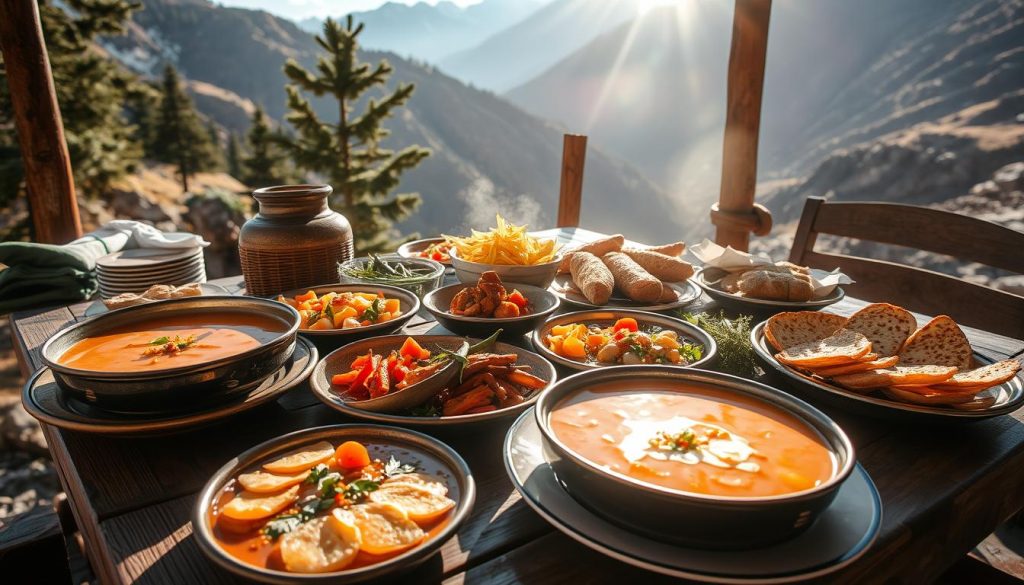
Explore these Hunza iconic dishes during your visit. You’ll discover the secrets of Hunza culinary delights. This gastronomic adventure will leave a lasting impression.
Chapshuro: The Beloved Hunza Pie
Hunza Valley’s chapshuro is a culinary gem. This crustless pie, known as “Hunza Pizza,” showcases the region’s unique flavors. It captivates locals and visitors with its delicious taste.
Exploring the Flavorful Fillings of Chapshuro
Chapshuro is filled with ground meat, onions, and carefully chosen spices. The filling may include minced beef, mutton, or prized yak meat. These ingredients create a harmonious explosion of flavors.
Unlike traditional pizza, chapshuro is crustless. The filling is nestled between two layers of dough. This creates a half-circle shape that’s visually appealing and easy to hold.
Best Places to Enjoy Authentic Chapshuro
Finding the perfect chapshuro is a culinary adventure. You can find these pies at street stalls throughout the valley. The best ones are often near the Rakaposhi Viewpoint in Nagar.
Look for sizzling chapshuro vendors as you explore Hunza. Watch skilled cooks assemble these mouthwatering delights. Savor the warmth of freshly baked chapshuro and experience Hunza’s vibrant food culture.
“The Hunza chapshuro is a true testament to the ingenuity and culinary prowess of the local people. It’s a dish that embodies the essence of Hunza’s rich heritage and the spirit of its people.”
Gyaling/Gral: The Wheat Bread Delicacy
Gyaling or Gral is a thin, stretchy wheat bread popular in the Hunza Valley. It resembles a stack of delicate pancakes. This dish showcases the region’s rich culinary heritage, with wheat as a basic ingredient.
Making Gyaling/Gral is an art form. The wheat flour is kneaded into a supple dough. It’s then rolled into thin, wide circles. These are gently cooked on a hot griddle.
The result is a pillowy texture with a slightly crisp exterior. The final product is a stack of wheat pancakes. They’re ready to be dipped in apricot oil or creamy local butter.
Gyaling/Gral is crucial to Hunza food culture. It’s often served with Hunza-style namkeen dishes or herbal chai. This creates a harmonious and flavorful meal.
The soft, doughy texture pairs well with rich, creamy apricot oil or butter. This combination is a true delight for the senses. Try this beloved wheat bread delicacy when exploring Hunza Valley.
Gyaling/Gral offers a unique taste of Hunza’s traditional cuisine. It lets you enjoy flavors passed down through generations.
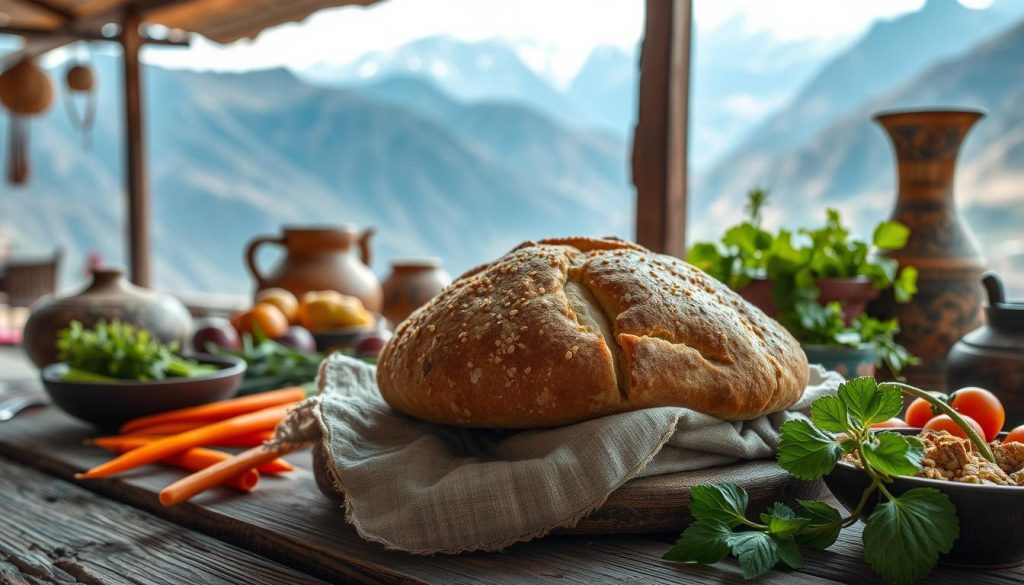
Buroshapik/Ghilmindi: A Unique Cheese-Filled Delight
The Hunza Valley offers a culinary treasure: Buroshapik and Ghilmindi. These cheese-filled delicacies showcase the region’s rich gastronomic heritage. Both dishes captivate taste buds with their unique flavors and textures.
Ghilmindi features wheat chapatis pan-fried and transformed into triangular pieces. These triangles are stuffed with a yogurt-based cheese mixture from local cows. Fragrant coriander, mint, and onions enhance the filling’s flavor profile.
Hunza chefs sometimes add aromatic apricot oil to Ghilmindi. This addition creates another layer of depth to the dish. Toasted nuts or shavings often top it off, providing a delightful crunch.
Buroshapik, another Hunza specialty, also showcases the region’s cheese-filled mastery. This bread starts with pan-fried wheat chapatis, similar to Ghilmindi. The key difference lies in its savory, cheese-based filling tucked into the bread’s pockets.
Both Ghilmindi and Buroshapik offer extraordinary culinary experiences. These Hunza specialties are must-tries for food enthusiasts. They transport you to the heart of Hunza’s gastronomic wonders.
Can I find traditional Hunza cuisine during my visit?
Discovering Hunza’s iconic dishes is a must-do experience. The region’s culinary heritage boasts spice-free, organic flavors. You’ll find plenty of local eateries and street food stalls showcasing traditional Hunza cuisine.
79% of Hunza Valley restaurants serve traditional food. 34% of these establishments are run by female entrepreneurs. Hidden Paradise Hunza, serving heritage dishes since 2000, exemplifies this commitment.
Popular spots for authentic Hunza fare include Bozlanj Cafe and Kha Basi Cafe. Café Culture Hunza also offers traditional specialties. These places serve beloved dishes like chapshuro, gyaling/gral, and buroshapik/ghilmindi.
You can enjoy Hunza’s flavors at local eateries or street food stalls. Some visitors even experience meals in Hunza homes. Embracing these traditional dishes is essential for any visitor to this region.
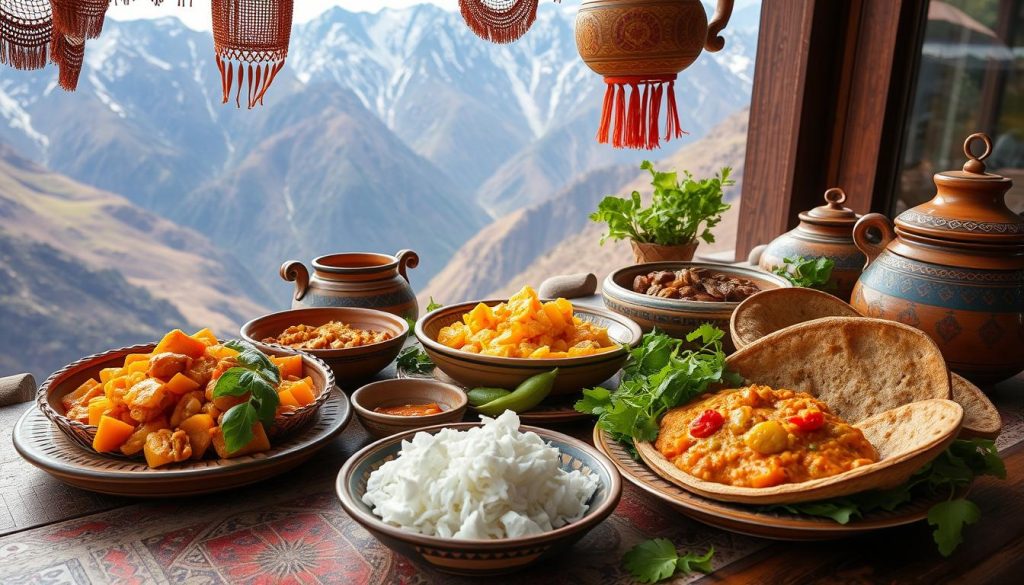
Diram Pitti: The Sweet Sprouted Wheat Bread
Diram Pitti is a special treat in the Hunza Valley. This sweet sprouted wheat bread is saved for festivals and celebrations. It’s a true celebration of local flavors.
Diram Pitti’s unique taste comes from its special ingredients. It uses sprouted wheat flour for a distinct texture. Almonds and apricot seed oil add sweetness and nutty flavors.
This Hunza specialty has a soft, brownish hue and pillowy look. It’s often enjoyed at breakfast or lunch. Diram Pitti is a beloved part of Hunza’s food culture.
“Diram Pitti is not just a bread, but a testament to the culinary ingenuity and cultural richness of the Hunza Valley. Each bite transports you to a world of flavors that are uniquely their own.”
Try Hunza diram pitti when you visit the Hunza Valley. It’s a true taste of Hunza sprouted wheat bread traditions. This Hunza sweet bread will give you a glimpse into the region’s rich food heritage.
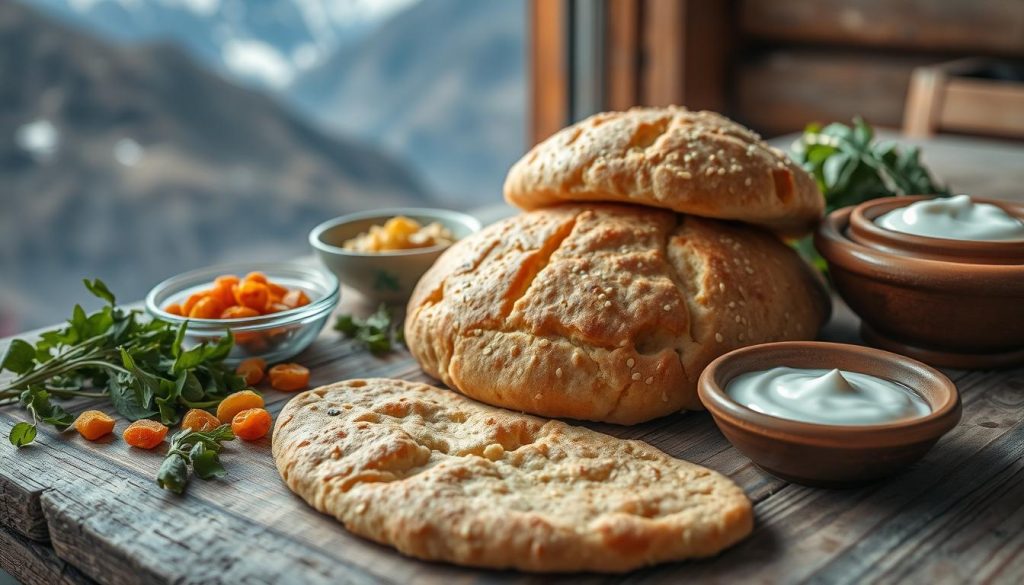
Tumoro Tea: The Aromatic Herbal Blend
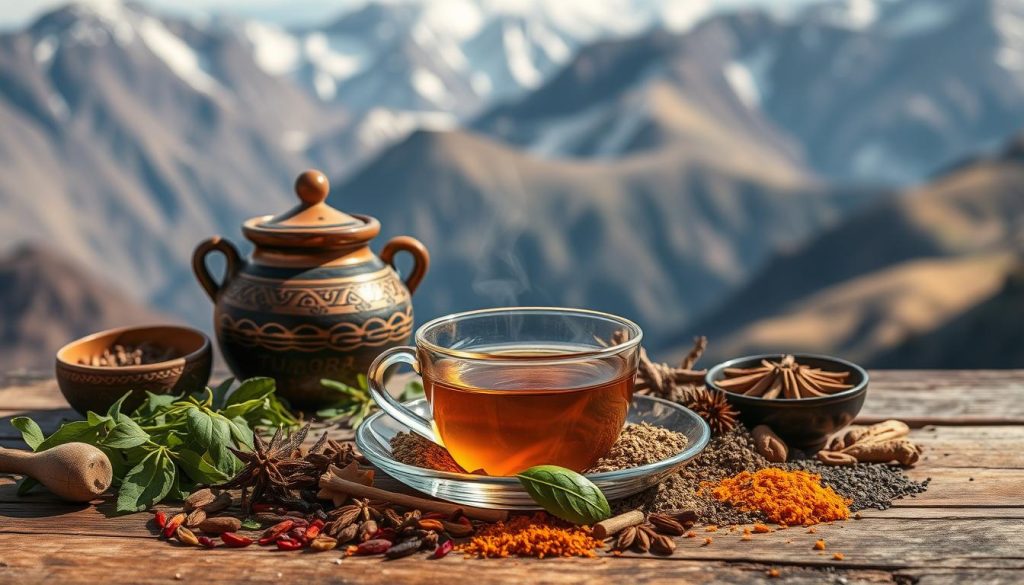
In the Hunza Valley, a delightful herbal tea captivates visitors and locals. Tumoro Tea is made from wild thyme that grows in the pristine mountain air. This fragrant blend showcases the beauty of the Karakoram mountain range.
Hunza Herbal Tea is known for its yellow color and soothing qualities. It steeps perfectly, revealing a balance of flavors that nourish the soul. Tumoro Tea offers a taste of the tranquil Hunza Valley.
This Hunza Wild Thyme Tea offers more than just great taste. It’s rich in antioxidants and has anti-viral properties. The tea may reduce stress, improve circulation, and boost the immune system.
“5 stars… Fresh and delicious Kilao… Recommended 👍”
Tumoro Tea is perfect for exploring markets or finding a moment of peace. It’s an age-old tradition that brings tranquility and rejuvenation. Sip this aromatic blend and transport yourself to a realm of wellness.
| Product | Price (PKR) |
|---|---|
| GB Favorite Thyme Tea [Tumoro Tea] | ₨ 650.00 |
| GB original shilajit | ₨ 1,400.00 |
| GB Special Makhoting Herb | ₨ 650.00 |
| Himalayan Shamdun Tea | ₨ 800.00 |
The total cost of the featured products is ₨ 3,500.00. Four items have been added to the cart. Customers praise the product quality and fast delivery.
Hoilo Garma: A Comforting Spinach and Potato Dish
Hoilo Garma shines as a beloved local favorite in the Hunza Valley. This nutritious spinach and potato dish captures the essence of Hunza’s organic culinary heritage. It’s a comforting meal that locals and visitors alike enjoy.
Simple, flavorful ingredients are the heart of Hoilo Garma. Organic flour forms the base of the dough. Fresh spinach and potatoes from local fields add substance and nutrition.
Chopped apricot seeds give the dish a unique twist. They create a “cheesy” taste without any dairy products. This addition sets Hoilo Garma apart from other dishes.
Hunza’s Hoilo Garma exemplifies Hunza organic comfort food. It showcases the region’s sustainable, farm-to-table approach. Every ingredient is locally sourced and carefully prepared.
The Hunza spinach potato dish reflects the area’s culinary traditions. Try Hunza hoilo garma to experience the true flavors of the Hunza Valley.
| Ingredient | Quantity |
|---|---|
| Organic Flour | 2 cups |
| Fresh Spinach | 1 lb |
| Potatoes (aloo) | 3 medium |
| Apricot Seeds | 1/4 cup, chopped |
| Salt | to taste |
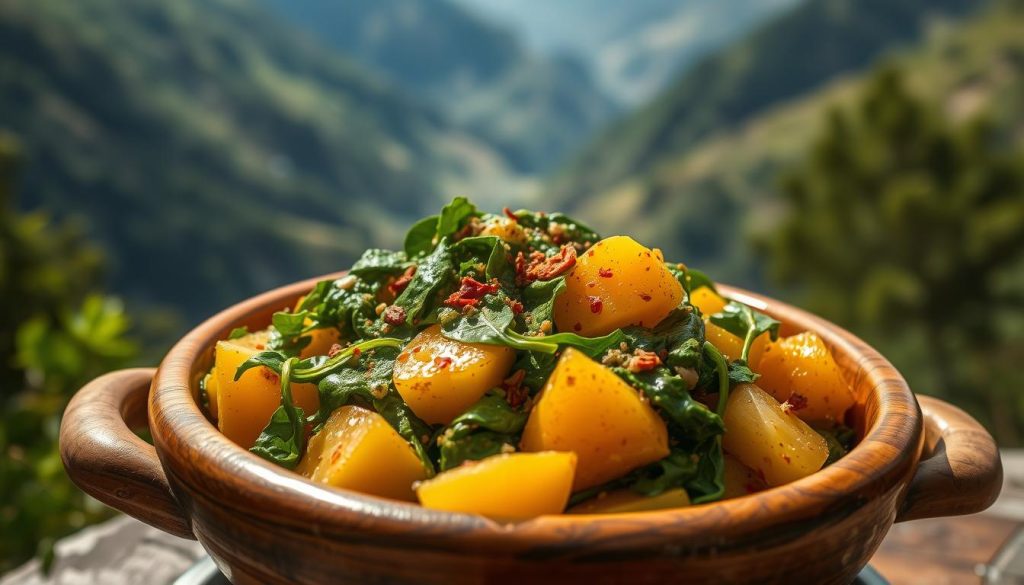
“The Hoilo Garma dish is a testament to the Hunza Valley’s commitment to sustainable, organic farming practices and the preservation of traditional culinary heritage.”
The Hunza Valley Diet: A Path to Longevity
The Hunza Valley people are known for their health and long lives. Their traditional diet plays a big role in this. Many residents live to be 100 years old or more.
This beautiful region sits in the Karakoram mountain range. It’s home to some of the world’s longest-living people.
Organic Fruits, Vegetables, and Fresh Meats
Hunza Valley food shows the benefits of eating fresh, natural foods. Glacier-fed streams nourish their organic fruits and vegetables. These foods are free from pesticides and additives.
The Hunza people also eat fresh meat from their own animals. This gives them protein without preservatives or hormones.
Experiencing Authentic Hunza Home Cooking
Visiting the Hunza Valley lets you try real local food. In a Hunza home, you’ll enjoy dishes that show off their cuisine.
You might taste gyaling/gral, a hearty wheat bread. Or try buroshapik/ghilmindi, a cheese-filled treat. Each dish uses fresh ingredients and old cooking methods.
“The secret to the Hunza people’s longevity lies in their unwavering connection to the land and their dedication to consuming pure, unprocessed foods from their own backyard.”
The Hunza Valley diet shows how to live a long, healthy life. It’s all about eating fresh, local foods. This way of eating keeps the Hunza people strong and vibrant.
Hunza Dried Fruits: A Must-Try Delicacy
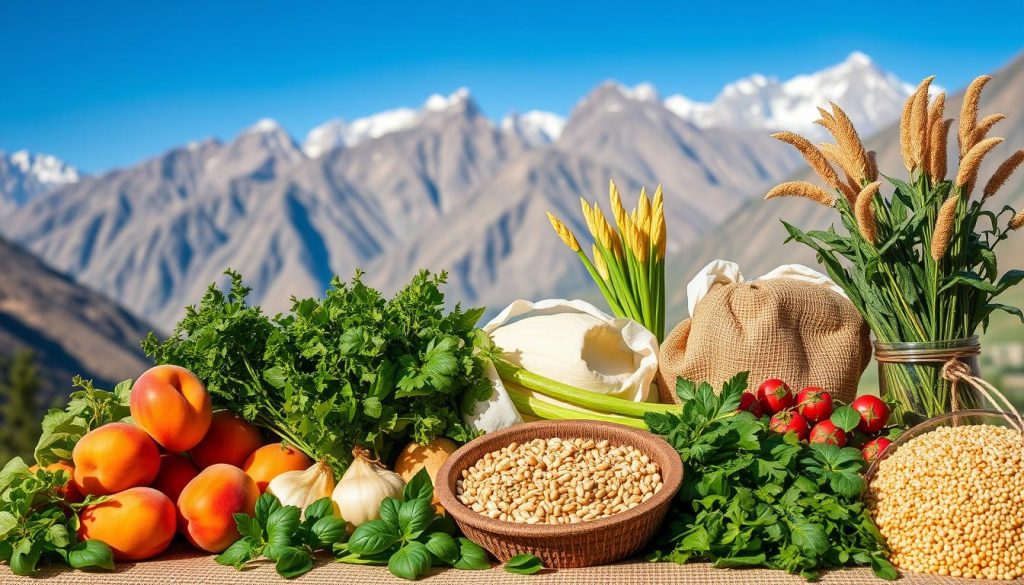
Hunza Valley in Pakistan’s Gilgit-Baltistan region offers a unique delicacy: Hunza dried fruits. These treats showcase the valley’s fertile land and climate. They’re a true highlight of local cuisine.
Local apricots are the stars of Hunza dried fruits. They’re known for their exceptional flavor and sweetness. The apricots peak in July and are carefully dried for year-round enjoyment.
Try them plain or with aromatic Tumoro tea. Hunza apricots are a must-try for any visitor to the region.
The valley produces other dried treats too. These include almonds, walnuts, grapes, and persimmons. All are carefully cultivated and processed.
These dried fruits make perfect snacks or travel companions. Bags cost 300-500 PKR ($1.50-$2.50 USD) for a wide selection.
Visit local markets to stock up on these delectable dried fruits. You’ll support the local economy and taste the region’s culinary heritage. Don’t leave Hunza without some of these irresistible dried fruit delicacies!
Conclusion
Hunza Valley is a remarkable destination with breathtaking beauty and rich culinary heritage. Its spice-free, organic dishes showcase the region’s self-sustaining lifestyle. The food reflects the longevity of its people.
Try the flavorful chapshuro, aromatic Tumoro tea, or an authentic Hunza home-cooked meal. These experiences will leave you with a deep appreciation for this captivating valley’s extraordinary cuisine.
Hunza’s food culture mirrors its history, geography, and climate. Ingredients and cooking methods have been passed down through generations. This tradition nourishes the body and connects cultures.
Explore the flavors, aromas, and stories from Hunza’s kitchens and dining tables. Expand your culinary horizons and deepen your cultural understanding. Create lasting memories of this remarkable region’s captivating essence.