Cultural Sensitivities in Hunza Valley: What to Know
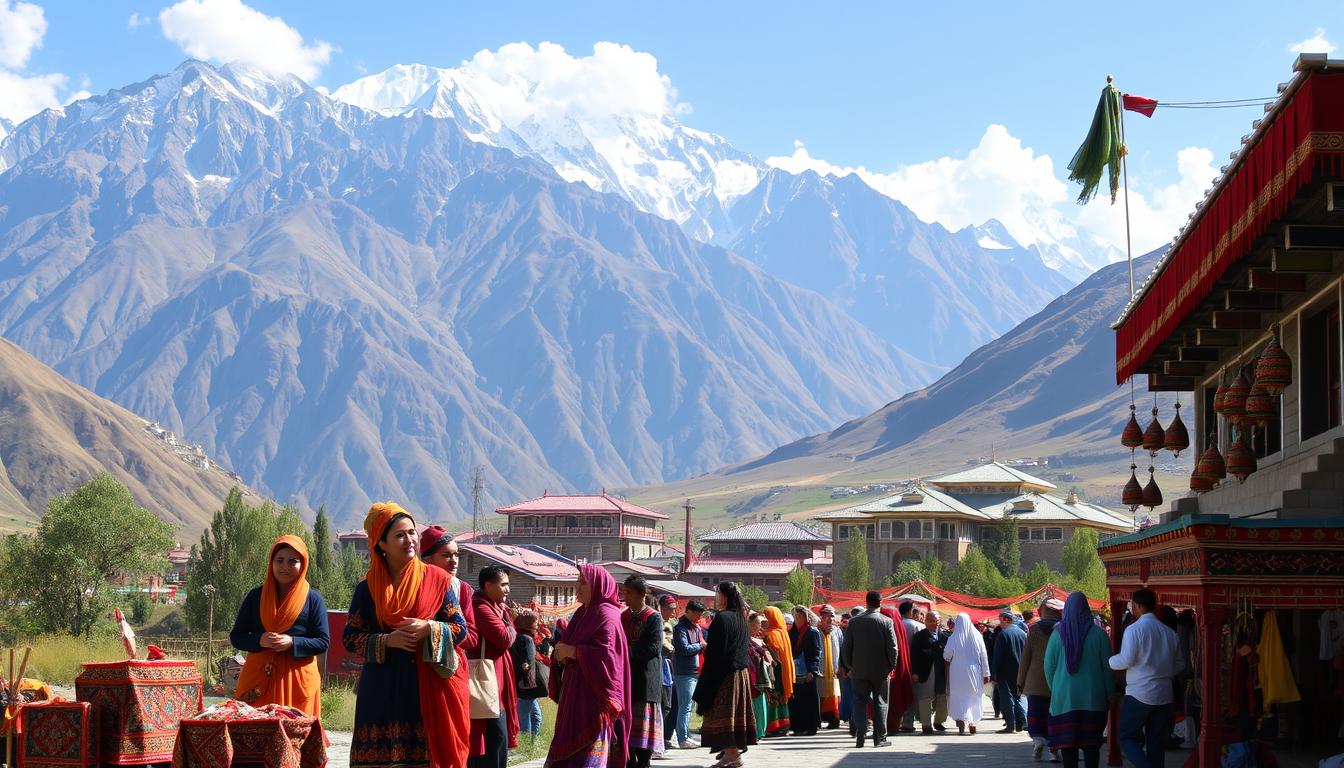
The Hunza Valley in northern Pakistan has a rich cultural heritage. It’s nestled in the Karakoram mountain range. Understanding local customs is key to a respectful visit.
Traditions and social norms are deeply rooted in Hunza culture. Knowing these nuances can greatly enhance your experience. It allows for meaningful interactions with locals.
Dress code and hospitality are important aspects of Hunza life. By respecting local customs, you’ll connect better with the community. This approach helps you fully appreciate Pakistan’s diverse cultural tapestry.
Introduction to Hunza Valley’s Unique Culture
The Hunza Valley sits in the Karakoram mountain range. It’s a place of vibrant, ancient culture. Visitors are greeted by warm, hospitable people shaped by rugged land and rich traditions.
Overview of the Hunza People and Their Way of Life
Hunza people are resilient and self-sufficient. They have strong community bonds. Their deep connection to the land shows in their high-altitude fruit and vegetable cultivation.
Their homes, built with stone and wood, showcase ingenuity. These structures reflect Hunza traditions of craftsmanship and sustainability.
Hunza people follow a unique religious blend. It includes Islam, Buddhism, and pre-Islamic Zoroastrianism. This diverse heritage creates a rich tapestry of festivals and customs.
Why Cultural Awareness is Essential for Visitors
Understanding Hunza culture is key for visitors. It helps create a meaningful experience. Knowing local traditions allows for sensitive navigation and community engagement.
Cultural awareness helps avoid faux pas. It ensures a positive visit for both tourists and locals. This includes understanding dress codes and social norms.
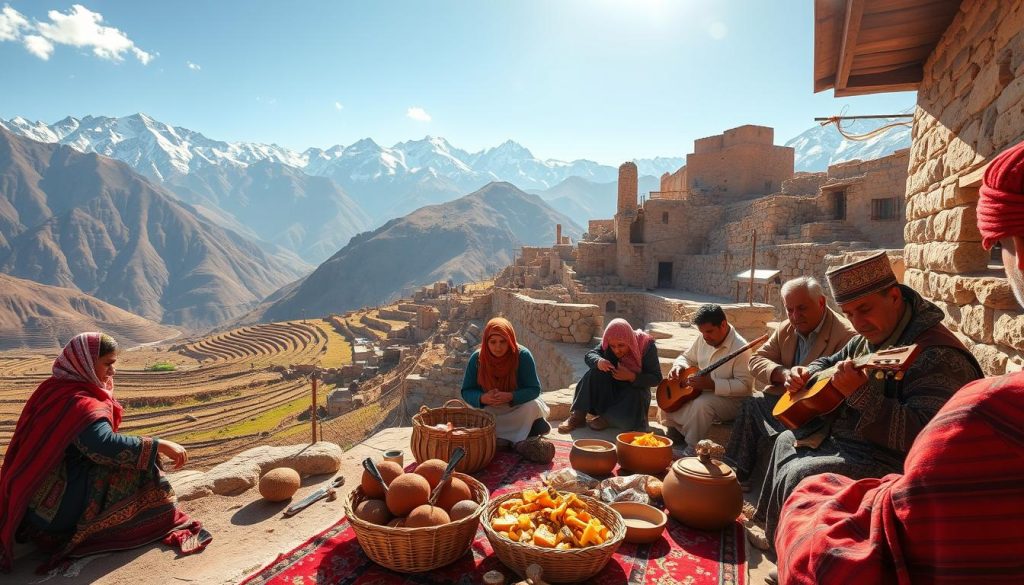
“The Hunza Valley is a living testament to the enduring power of tradition and the human spirit. By embracing the local culture, visitors can unlock a deeper connection to this remarkable place and its people.”
Respecting Local Traditions and Customs
The Hunza Valley boasts rich traditions and customs. Respecting these cultural elements is crucial during your visit. Understanding the appropriate dress code is key to showing cultural sensitivity.
Dress Code Etiquette for Men and Women
The Hunza Valley’s culture is conservative. Dressing modestly shows respect for local customs. Visitors should adapt their attire to align with these traditions.
For men, modest and loose-fitting clothing is recommended, such as long pants and shirts that cover the shoulders. Avoid wearing shorts or revealing attire, as this may be considered disrespectful.
Women should opt for conservative, knee-length or full-length skirts or dresses, and tops that cover the chest and shoulders. Avoiding tight-fitting or revealing clothing is essential to show respect for the Hunza traditions and customs.
Tourist areas may have more relaxed dress codes. However, it’s best to dress conservatively to be safe. This approach shows respect for Hunza traditions, customs, and etiquette.
By honoring Hunza cultural norms, you’ll have a richer experience. You’ll also show appreciation for the valley’s unique character.
Navigating Social Interactions with Sensitivity
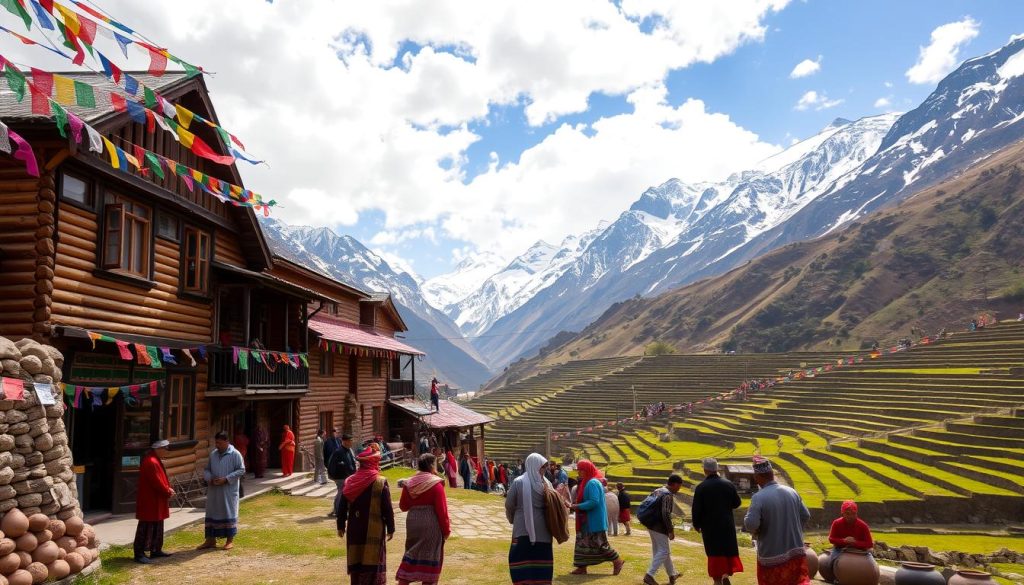
Interacting in the Hunza Valley demands respect for local culture. Understanding Hunza customs, etiquette, and behavior helps you engage respectfully with the community. This knowledge fosters meaningful connections with locals.
When greeting locals, a gentle handshake is usually acceptable. Avoid initiating physical contact with the opposite sex unless invited. Maintain a friendly demeanor without oversharing personal information.
Respect Hunza cultural norms and avoid sensitive topics. During gatherings, be mindful of your posture and body language. Avoid crossing legs or pointing feet towards others.
Sit upright with hands in your lap. Make eye contact and listen attentively during conversations. This shows interest and embraces Hunza hospitality.
Learn local customs for a smooth Hunza Valley travel experience. Showing respect and sensitivity helps forge connections with the welcoming Hunza people.
“The true test of a civilization is not the census, nor the size of the cities, nor the crops, but the kind of man the country turns out.” – Ralph Waldo Emerson
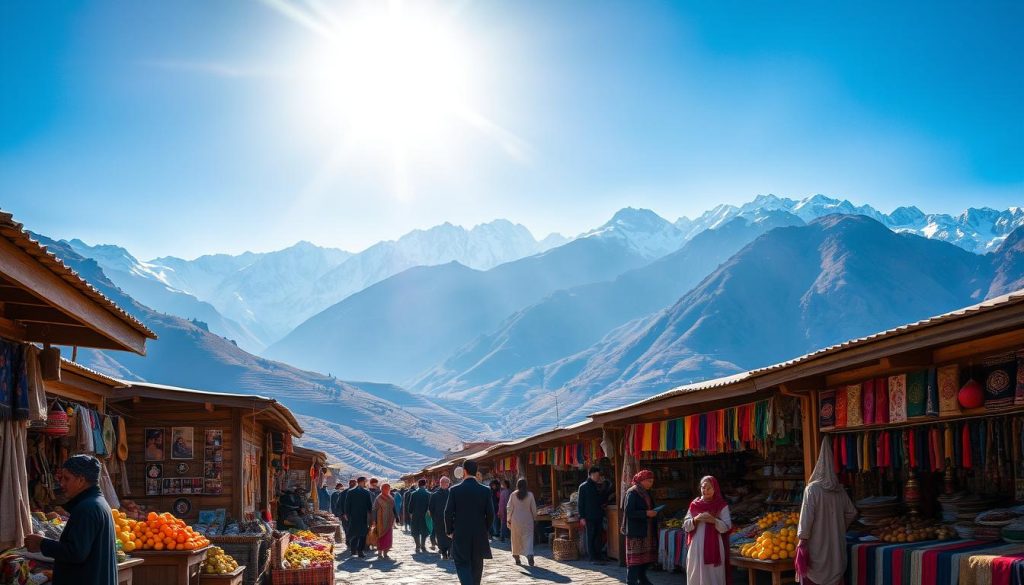
Are there any cultural sensitivities in the Hunza Valley?
The Hunza Valley in northern Pakistan is known for its beauty and friendly locals. However, visitors should respect local customs to ensure a positive experience.
Understanding cultural norms helps create meaningful connections with the Hunza people. It also allows for a more authentic journey through this stunning region.
Common cultural taboos and faux pas to avoid
Keep these cultural sensitivities in mind when exploring the Hunza Valley:
- Dress conservatively: Both men and women should avoid revealing or overly casual attire. Opt for long pants, skirts, and shirts that cover the shoulders.
- Respect religious sites: When visiting mosques or other religious sites, be sure to remove your shoes and cover your head if required.
- Avoid public displays of affection: Intimate gestures, such as kissing or excessive touching, are generally frowned upon in public.
- Be mindful of photography: Ask permission before taking photos of people, especially women and children.
- Avoid the use of profanity or crude language: This is considered disrespectful in the Hunza Valley.
Following these guidelines will help you navigate the Hunza Valley respectfully. Your efforts will lead to more meaningful interactions with locals.
By embracing local customs, you’ll gain a deeper understanding of Hunza culture. This approach ensures a richer and more authentic travel experience.
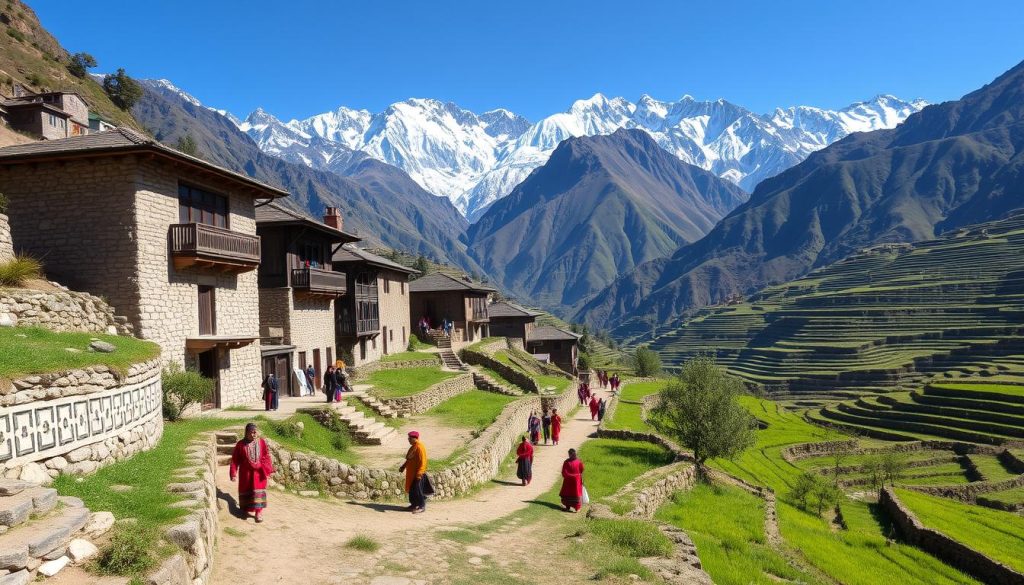
“The Hunza Valley is a place where the past and present coexist harmoniously. Embracing the local culture with sensitivity and respect will truly enrich your journey.”
Embracing Hunza’s Hospitality with Grace
The Hunza Valley is famous for its warm and welcoming hospitality. This hospitality is deeply rooted in local culture and traditions. Embracing it gracefully can lead to a rich, meaningful connection with the Hunza community.
Understanding the Significance of Hospitality in Hunza
In Hunza, hospitality is more than just politeness. It’s a way of life. The people of Hunza take great pride in making visitors feel comfortable and welcome.
This warmth often shows through offers of traditional Hunza food. Locals may invite you to family gatherings. They also show genuine interest in learning about your culture and experiences.
Understanding Hunza hospitality helps you appreciate the sincerity of their welcome. This understanding allows for more meaningful interactions with the local community. It can lead to lasting connections and unforgettable memories.
| Hunza Hospitality Customs | Significance |
|---|---|
| Offering traditional Hunza cuisine | Showcases the local culinary traditions and the importance of sharing food with guests |
| Inviting visitors to join family gatherings | Demonstrates the strong sense of community and the desire to include outsiders in the Hunza way of life |
| Expressing genuine interest in the visitor’s culture | Fosters cross-cultural understanding and the exchange of ideas and experiences |
Embrace Hunza hospitality with grace and respect. This approach deepens your appreciation for Hunza customs and cultural norms. It also enhances your Hunza Valley travel tips experience.
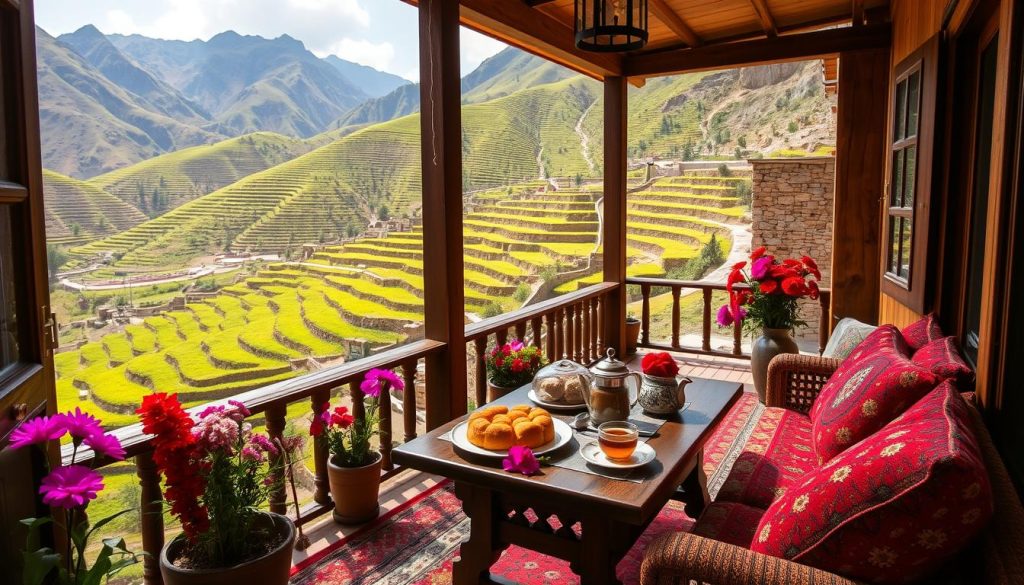
Preserving the Natural Beauty of Hunza
The Hunza Valley in Pakistan boasts stunning natural beauty. From towering snow-capped mountains to lush landscapes, it’s a sight to behold. Visitors must adopt eco-friendly practices to protect this remarkable environment.
Eco-friendly Practices for Hunza Valley Visitors
To minimize your environmental impact, consider these eco-friendly practices:
- Reduce waste: Avoid single-use plastics and opt for reusable items. Properly dispose of any waste you generate during your visit.
- Respect the land: Stay on designated trails to avoid damaging fragile ecosystems. Be mindful of your footprint and protect sensitive vegetation.
- Conserve water: Water is precious in the Hunza Valley. Take shorter showers and reuse towels when possible.
- Support local businesses: Patronize locally-owned businesses, restaurants, and tour operators. This helps bolster the Hunza local culture and economy.
- Engage in sustainable activities: Choose eco-friendly activities like hiking or cycling. These minimize your carbon footprint while enjoying the area.
Your eco-friendly choices can help preserve Hunza Valley’s beauty. By practicing sustainable tourism, you’ll make a positive impact on this remarkable region.
Future generations will thank you for your commitment to conservation. Together, we can protect this unique and precious ecosystem.
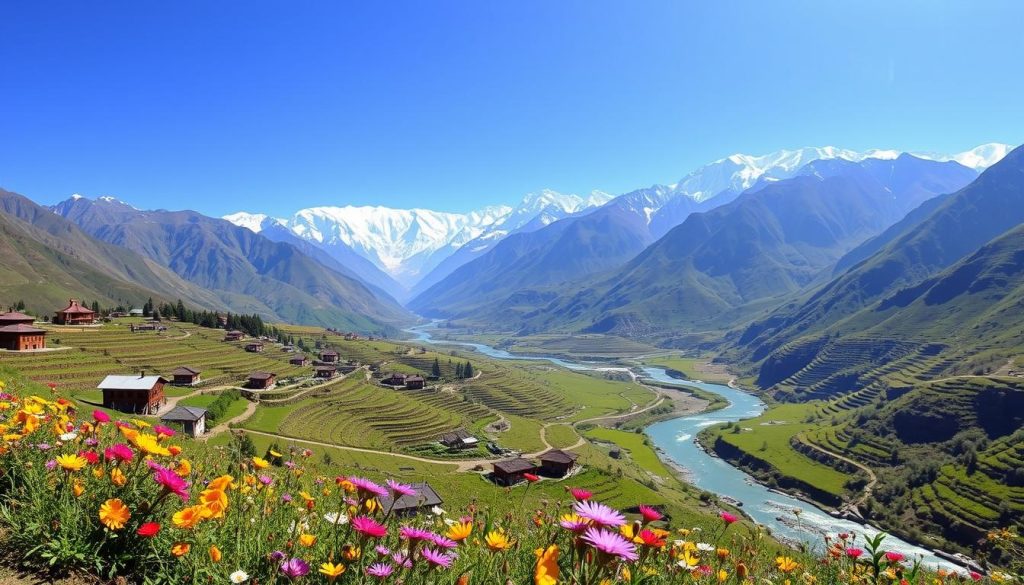
“The true beauty of the Hunza Valley lies in its harmony with nature. As visitors, we have a responsibility to tread lightly and protect this fragile ecosystem.” – Local Hunza Valley guide
Engaging with Local Communities Respectfully
Visiting the Hunza Valley offers a chance to connect with warm, hospitable locals. The Hunza people are known for their rich culture. Meaningful connections with them can greatly enhance your travel experience.
Approach local communities with an open mind and genuine interest. Respect their traditions, customs, and beliefs. Be mindful of your words and actions.
Immersing yourself in Hunza culture leads to deeper understanding. You’ll gain a greater appreciation for this unique region. This approach can create lasting and rewarding interactions.
- Familiarize yourself with local etiquette and social norms before engaging with the community.
- Seek opportunities to participate in community activities or attend local events, but always with permission and respect.
- Engage in respectful conversations, ask thoughtful questions, and be an active listener to better understand the Hunza people and their way of life.
- Support local businesses, artisans, and initiatives that aim to preserve the Hunza culture and environment.
Sensitive and culturally aware interactions create meaningful connections. They foster mutual understanding and leave a positive impact. Your respectful engagement helps preserve Hunza culture for future generations.
“Traveling is not just about seeing the sights, it’s about understanding the soul of a place and its people.”
| Dos | Don’ts |
|---|---|
|
|
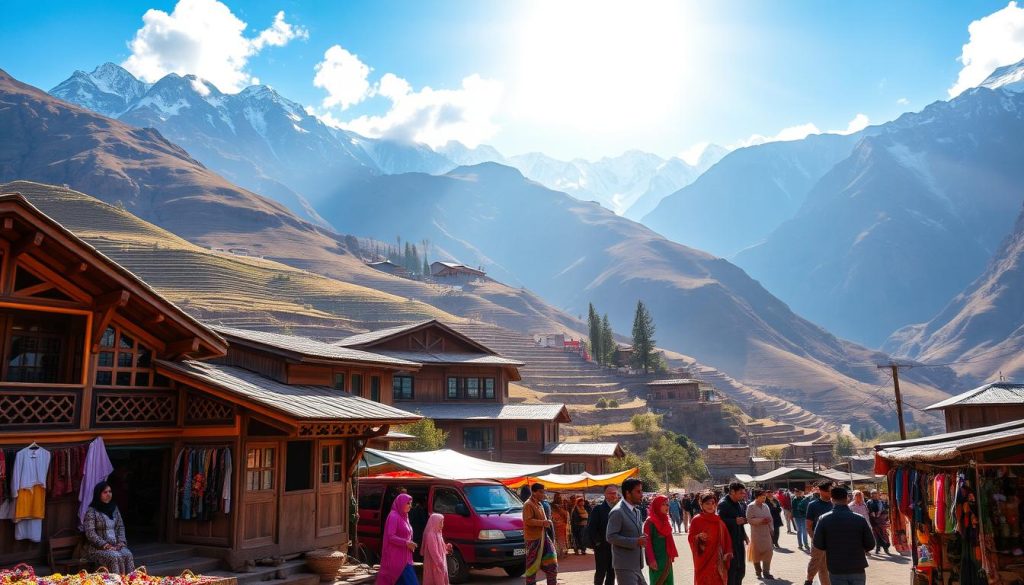
Your interactions with Hunza people can greatly impact their community. Approach every encounter with cultural sensitivity and empathy. Be willing to learn and create unforgettable memories.
These actions will forge meaningful connections. They’ll enrich your travel experience and deepen your appreciation for Hunza culture.
Hunza’s Cultural Festivals and Events
Exploring Hunza traditions and customs offers a rich experience. It deepens your understanding of the region’s local culture. Cultural festivals in the Hunza Valley provide unique insights into the people’s way of life.
Celebrating Hunza’s Cultural Heritage
The Shandur Polo Festival is a major event in Hunza Valley. It features traditional polo matches at over 12,000 feet elevation. This ancient sport reflects Hunza customs and showcases the region’s equestrian skills.
The Naltar Festival celebrates Hunza traditions with music, dance, and local crafts. Visitors can enjoy traditional music and admire intricate embroidery and woodcarvings. These artworks reflect Hunza’s artistic heritage.
The Gulmit Cultural Festival offers a deeper look into Hunza local culture. It showcases the region’s natural beauty and traditional lifestyle. Visitors can learn about old farming methods, local food, and historic handicrafts.
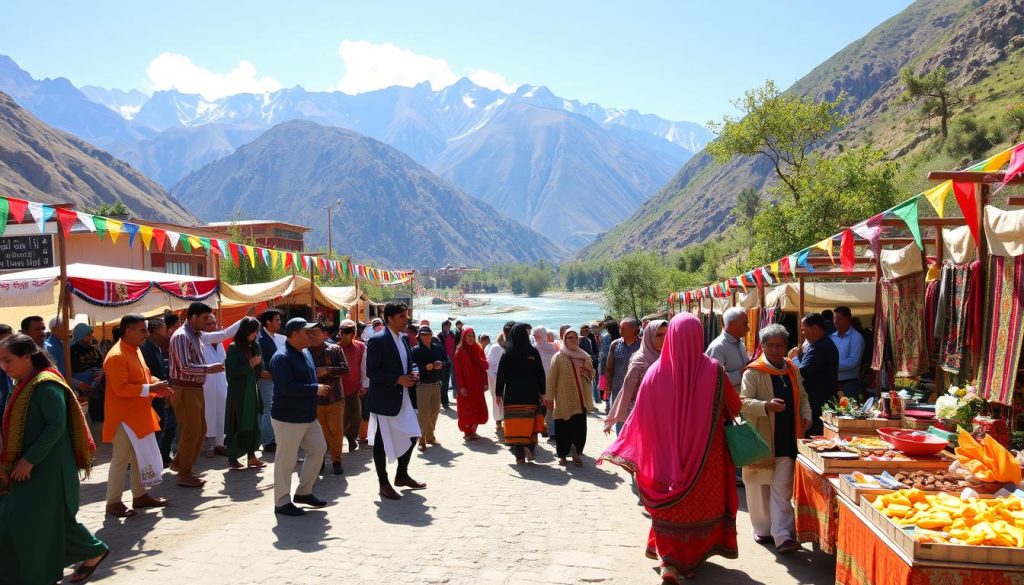
“Attending these cultural festivals in the Hunza Valley is like stepping into a living museum, where the past and present seamlessly intertwine, providing a truly immersive experience.”
These Hunza Valley travel tips help visitors appreciate the region’s heritage. They allow for meaningful connections with locals. Such experiences create lasting memories of your Hunza Valley adventure.
Respecting Religious Beliefs and Practices
The Hunza Valley boasts a rich tapestry of religious beliefs and practices. Most locals follow the Ismaili sect of Islam. It’s crucial to respect local customs when visiting worship places.
Dress modestly when entering a mosque or religious site. Women should cover their heads and everyone should remove shoes. Avoid revealing clothes and taking photos without permission.
During prayer times, observe quietly to avoid disturbing worshippers. Respect religious festivals like Eid celebrations. These events are deeply meaningful to the community.
Participate in traditions with genuine interest to learn about the culture. This approach will enrich your travel experience in the Hunza Valley. By embracing local spiritual customs, you’ll gain a deeper understanding of the region.