Discover Hunza Valley’s Local Cuisine: A Taste Guide
Ready for a culinary journey through Hunza Valley? This Pakistani region boasts unique flavors and traditional dishes. Its indigenous ingredients have won over travelers worldwide.
Hunza’s gastronomic culture showcases the people’s resilience and ingenuity. It combines fertile land’s bounty with ancient cooking methods.
Hunza Valley’s cuisine has become a celebrated culinary destination. Its longevity-boosting diet intrigues food enthusiasts. Let’s explore the vibrant flavors woven into this extraordinary place.
Exploring the Hunza Valley’s Culinary Heritage
The Hunza Valley, nestled in the Karakoram mountains, boasts a unique culinary tradition. Its remote location has shaped a diverse Hunza cuisine rooted in local culture. The valley’s geography and climate have influenced its rich gastronomic heritage.
Tracing the Roots of Hunza’s Gastronomic Culture
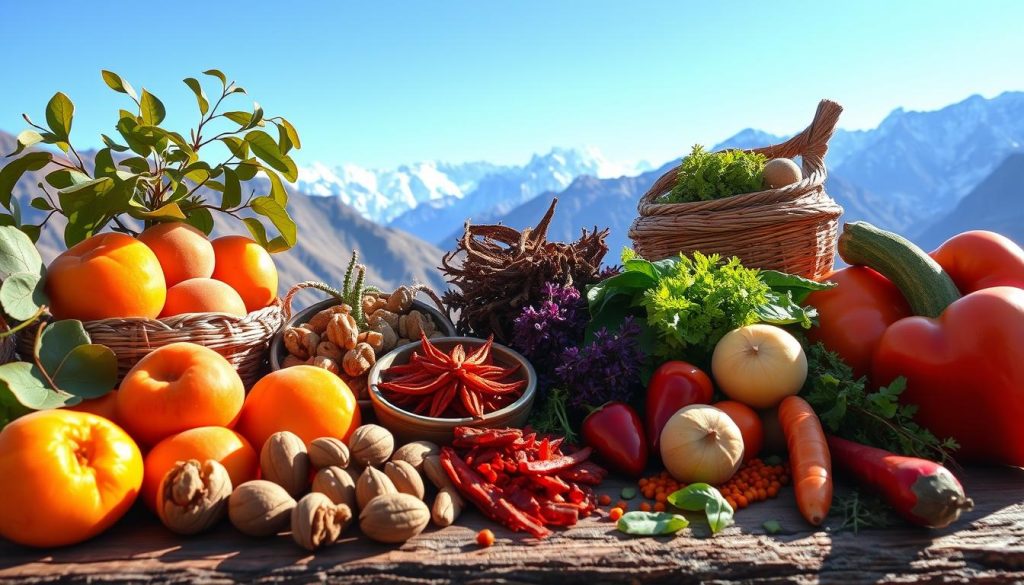
Hunza’s food culture reflects centuries of innovation and respect for the land. The people have mastered using indigenous Hunza ingredients that thrive in high altitudes. Fertile orchards provide fresh fruits, while terraced fields yield nutrient-dense grains.
This blend of local Hunza produce showcases the community’s resourcefulness. Their Hunza culinary heritage is a testament to generations of culinary wisdom and adaptation.
The Influence of Geography and Climate on Local Ingredients
The Hunza Valley’s harsh landscape has shaped its unique Hunza cuisine. Long summers and frigid winters have produced resilient crops and livestock. These form the basis of the local food system.
Nutrient-rich apricots and walnuts flourish in the arid climate. Hardy grains and legumes withstand harsh winters. These ingredients have become staples of the Hunza Valley’s culinary heritage.
“The Hunza people have a deep reverence for the land and the ingredients it provides, which is reflected in the way they approach their Hunza cuisine.”
What is the local food like in the Hunza Valley?
The Hunza Valley is a food lover’s paradise nestled in the Karakoram mountains. Its cuisine reflects rich cultural heritage and sustainable farming practices. The local dishes showcase diverse flavors and traditional cooking methods.
Fresh, locally sourced ingredients are the stars of Hunza Valley’s cuisine. Crisp apricots and fragrant walnuts are known for their exceptional quality. These ingredients are carefully used in many traditional dishes.
Staple Dishes of the Hunza Valley
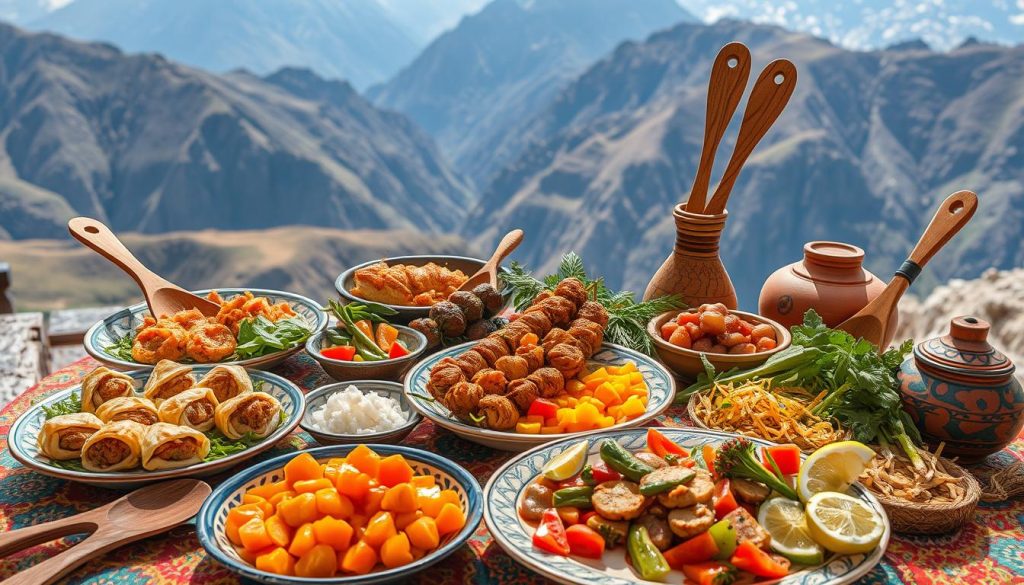
- Polo: A hearty, slow-cooked rice dish that features a variety of seasonal vegetables, dried fruits, and aromatic spices.
- Sohpuru: A delectable flatbread made from a blend of barley and wheat flours, often served with a savory yogurt-based dip.
- Gurdas: A traditional dumpling filled with a mixture of ground meat, onions, and spices, cooked in a flavorful broth.
| Traditional Hunza Dish | Key Ingredients | Preparation Method |
|---|---|---|
| Polo | Rice, seasonal vegetables, dried fruits, spices | Slow-cooked in a pot over a low heat |
| Sohpuru | Barley and wheat flours, yogurt, herbs | Flatbread baked in a traditional clay oven |
| Gurdas | Ground meat, onions, spices | Dumplings cooked in a flavorful broth |
These dishes are just a taste of Hunza Valley’s rich culinary heritage. Each recipe celebrates the region’s unique food culture. Try these flavors that have been enjoyed for generations.
Staple Ingredients and Produce of the Hunza Valley
The Hunza Valley is a hidden culinary gem in the Karakoram mountains. It thrives on its fertile lands’ bounty. The valley’s indigenous Hunza ingredients and local Hunza produce create a nourishing Hunza Valley diet.
The Bounty of the Hunza Valley’s Fertile Lands
The valley’s temperate climate and rich soil are perfect for growing various crops. These conditions nurture a wide array of indigenous Hunza ingredients.
The region’s Hunza Valley culinary specialties are based on these abundant resources. They include:
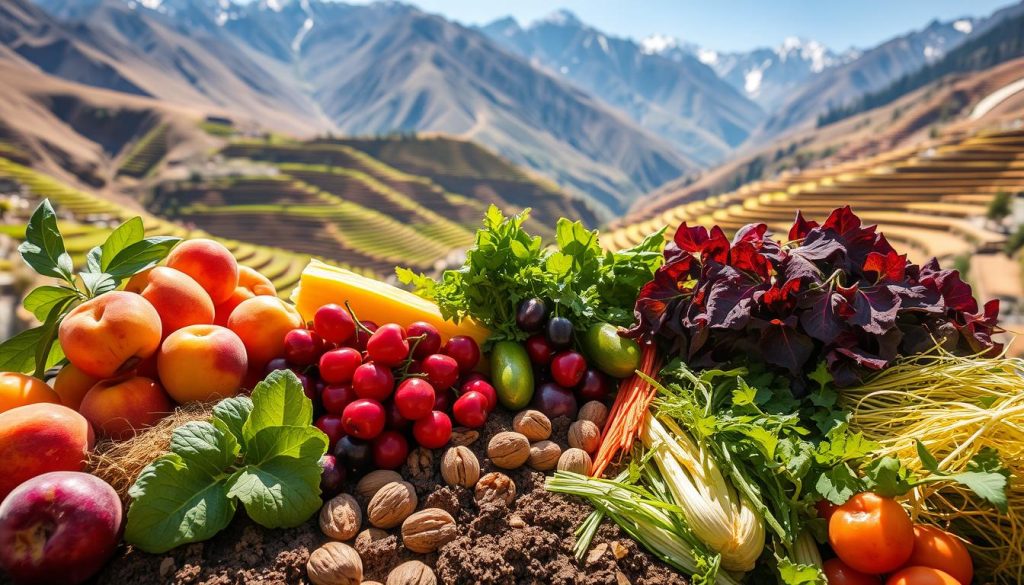
- Vibrant local Hunza produce such as apricots, apples, and mulberries
- Nutrient-dense grains like millet, buckwheat, and barley
- Protein-rich legumes like chickpeas and lentils
- Versatile nuts and seeds like walnuts, almonds, and sesame
These indigenous Hunza ingredients are key to the Hunza people’s traditional diet. They offer a balanced mix of essential nutrients, vitamins, and minerals.
“The Hunza Valley’s fertile lands are a true treasure trove of local Hunza produce. They offer a diverse and nutrient-rich bounty that has sustained the Hunza people for generations.”
Traditional Hunza Dishes and Specialties
Hunza Valley’s cuisine reflects its rich cultural heritage. Local dishes showcase the deep connection between people and land. From hearty stews to fragrant rice dishes, Hunza cooks display ingenuity and resourcefulness.
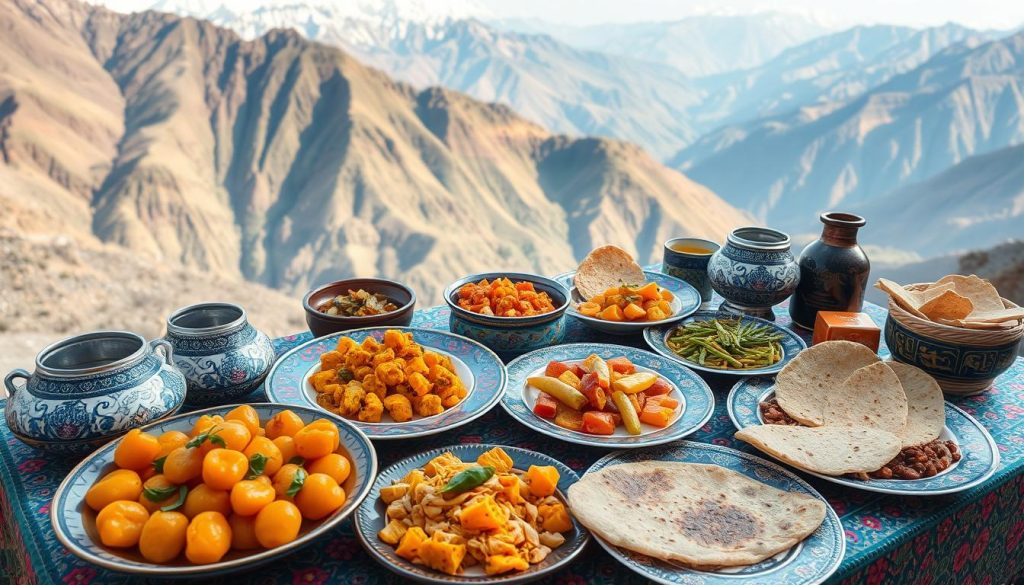
Sawaar, a signature dish, embodies Hunza Valley’s culinary identity. This savory stew combines local vegetables, dried fruits, and aromatic spices. Freshly baked Naan, a traditional flatbread, often accompanies this comforting meal.
Haleem is another beloved Hunza specialty. This hearty porridge-like dish blends grains, lentils, and meat. Slow-cooked to creamy perfection, Haleem nourishes body and soul during harsh winters.
Hunza Valley also offers delightful desserts. Boorash, a renowned sweet treat, stands out. This delicate pastry combines dried apricots, nuts, and honey. It showcases the valley’s natural sweetness.
| Traditional Hunza Dish | Key Ingredients | Culinary Significance |
|---|---|---|
| Sawaar | Locally grown vegetables, dried fruits, aromatic spices | A savory stew that showcases the Hunza Valley’s bountiful produce |
| Haleem | Grains, lentils, meat | A hearty, slow-cooked porridge-like dish that nourishes during harsh winters |
| Boorash | Dried apricots, nuts, honey | A delicate pastry that highlights the natural sweetness of the Hunza Valley |
These dishes represent Hunza’s culinary heritage. Passed down through generations, they tell stories of the valley’s geography and climate. Each plate celebrates the ingenuity of Hunza’s people.
“The flavors of Hunza are a reflection of the region’s harmony with nature, where the land and its bounty are celebrated in every bite.”
Hunza’s Indigenous Culinary Practices
The Hunza Valley, nestled in the Karakoram Mountains, boasts a rich culinary heritage. Ancient cooking methods and preservation techniques have been passed down for generations. This remote region’s isolation has allowed its unique food culture to thrive.
The Hunza people have shown remarkable adaptability in the face of limited resources. Their gastronomic traditions showcase ingenious ways of using local ingredients. These practices have shaped the distinctive flavors of Hunza cuisine.
Ancient Cooking Methods and Preservation Techniques
Hunza’s indigenous cooking practices highlight the community’s resourcefulness. Traditional clay ovens called “tandoors” are used for baking and slow-cooking. Sun-drying fruits and vegetables is another common method.
The Hunza people have mastered food preservation techniques. Pickling, fermentation, and curing help extend the shelf life of indigenous Hunza ingredients. These methods ensure a year-round supply of nutritious and flavorful dishes.
The Hunza culinary heritage is deeply rooted in these preservation techniques. They have been crucial for food security and sustainability in the region. The Hunza gastronomic culture continues to evolve while honoring its ancient traditions.
- Tandoor ovens: The traditional clay ovens used for baking bread and slow-cooking meats
- Sun-drying: A time-honored method of preserving fruits, vegetables, and grains
- Pickling and fermentation: Techniques that add depth of flavor and extend the shelf life of produce
- Curing and smoking: Processes that preserve meats and fish while enhancing their taste
These ancient cooking methods and food preservation techniques are the foundation of Hunza cuisine. They reflect the community’s wisdom and resourcefulness. The Hunza people continue to blend traditional practices with modern innovations.

“The Hunza Valley’s culinary practices are a testament to the resilience and adaptability of its people, seamlessly blending ancient wisdom with modern-day innovation.”
The Hunza Diet: A Blueprint for Longevity
The Hunza Valley in the Himalayas is famous for its long-lived residents. Their Hunza Valley diet is key to their health. It’s packed with indigenous Hunza ingredients and local Hunza produce.
The Hunza people respect their land and its natural gifts. They eat a variety of fresh fruits, vegetables, and grains. This nutrient-rich diet offers many health perks.
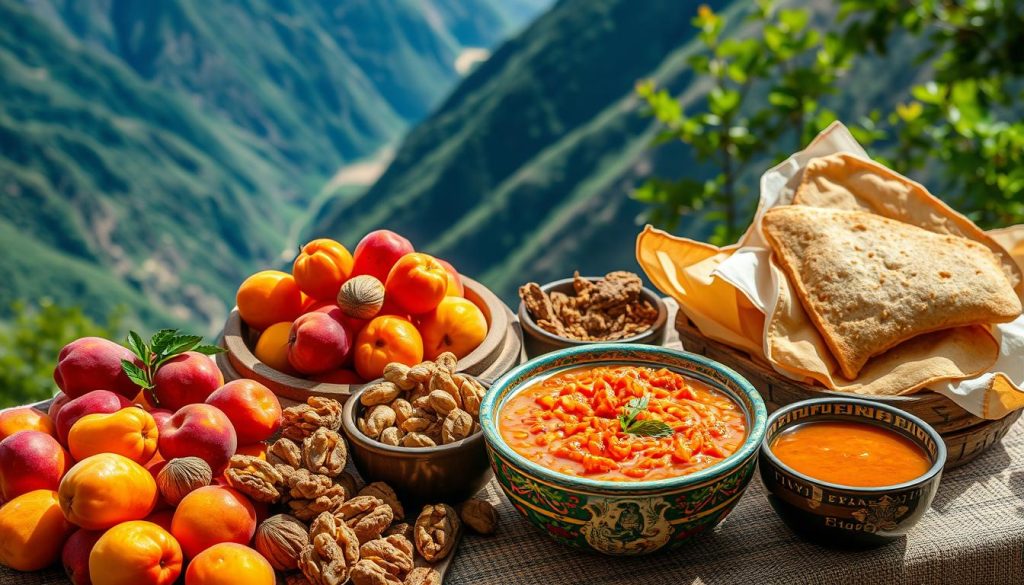
The Hunza diet focuses on indigenous Hunza ingredients like apricots, walnuts, and buckwheat. These foods are full of vitamins and minerals. They also have antioxidants that fight inflammation.
“The Hunza people’s longevity is a testament to the power of their Hunza Valley diet and its ability to nourish the body and mind.”
You can boost your health by following the Hunza diet. Try adding more local Hunza produce to your meals. Or explore the benefits of indigenous Hunza ingredients.
The Hunza way of eating shows us how to live longer, healthier lives. It’s a model worth looking into for better well-being.
Culinary Treasures of the Hunza Valley
The Hunza Valley holds a wealth of culinary delights beyond well-known dishes. Indigenous ingredients and hidden recipes showcase the region’s rich gastronomic heritage. These treasures offer a captivating glimpse into Hunza’s food culture.
Rare and Remarkable Ingredients
The Hunza Valley, nestled in the Karakoram mountains, boasts unique ingredients. The prized Hunza apricot is known for its sweetness and nutritional value. Sea buckthorn, a tart berry, grows wild and is packed with nutrients.
Local markets offer more culinary gems. Fragrant wild mint, earthy buckwheat flour, and versatile barley are common finds. These ingredients shape the distinct flavors of Hunza cuisine.
Hidden-Gem Recipes
- Shatoot Sharbat: A refreshing, tart summer drink made from the juice of the mulberry tree, a revered local fruit.
- Yakhni: A delicate and aromatic soup, simmered with wild greens, mountain herbs, and fragrant spices.
- Gojal Beryani: A savory rice dish that showcases the region’s love for fragrant basmati rice, seasoned with a blend of spices and slow-cooked to perfection.
These lesser-known recipes are treasured by local families. They’re passed down through generations, preserving Hunza’s cultural heritage. These dishes offer an authentic taste of the valley’s culinary traditions.

The Hunza Valley’s flavors are a world of culinary wonders. They leave a lasting impression on your palate. These tastes deepen your understanding of this captivating region.
Experiencing Hunza’s Local Cuisine
Hunza Valley’s culinary landscape offers more than just delicious food. It’s a cultural journey that embraces unique dining customs. Exploring Hunza cuisine lets you experience the region’s rich traditions.
Dining Etiquette and Cultural Customs
Understanding local traditions is key when dining in Hunza Valley. Here are some tips to help you enjoy Hunza specialties respectfully:
- Approach meals with an open mind and a willingness to learn. The Hunza people take great pride in their culinary heritage, so be prepared to engage and ask questions.
- Use your right hand when eating, as the left hand is considered unclean. Avoid using utensils, as the Hunza people typically eat with their fingers.
- Wait to be invited to start eating, as the elders or honored guests are often served first. Follow their lead and pace yourself accordingly.
- Avoid leaving food on your plate, as this can be seen as a sign of disrespect. Finish what you’ve been served, or politely decline additional servings.
- Engage in conversation and enjoy the communal aspect of the meal. Hunza Valley dining is as much about building connections as it is about savoring the food.
Immersing yourself in Hunza Valley’s culinary traditions goes beyond just tasting the food. You’ll gain a deeper understanding of the region’s cultural heritage. This experience connects you with the land and people of Hunza.
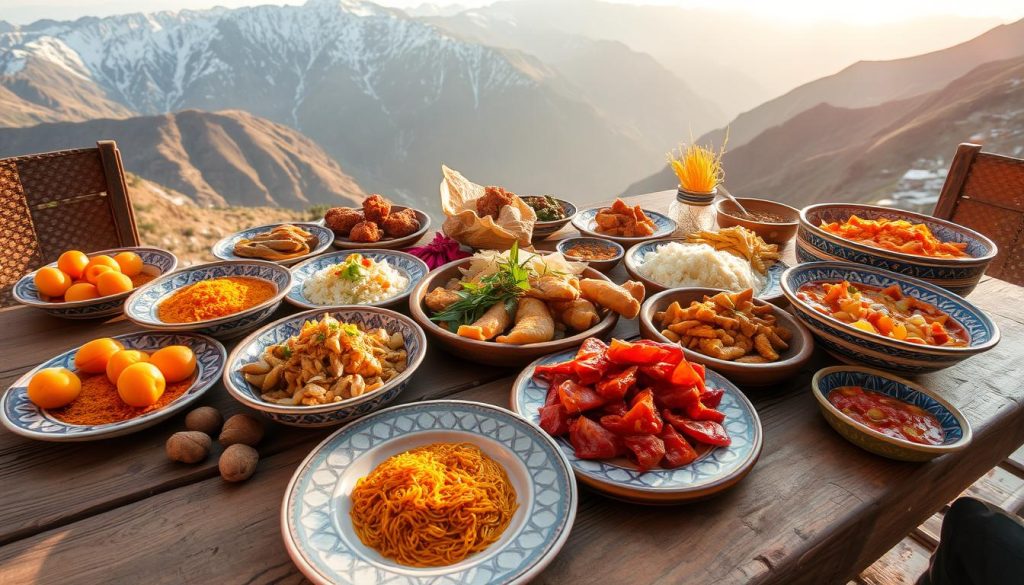
“The essence of the Hunza Valley’s culinary experience is not just about the food itself, but the profound connection between the land, the people, and the rituals that bring them together around the table.”
Preserving Hunza’s Culinary Traditions
Hunza’s rich culinary heritage faces a challenge from modernization. Efforts are underway to safeguard the region’s unique gastronomic culture. These initiatives aim to preserve traditional Hunza dishes for future generations.
Local communities and chefs are working to document indigenous Hunza ingredients. They’re reviving cooking methods that have sustained the valley for centuries. Recipe archives, workshops, and food festivals help share ancestral techniques.
- Efforts to establish Hunza cuisine as an intangible cultural heritage, ensuring its recognition and protection
- Training and mentorship programs for young chefs to learn traditional Hunza cooking practices
- Collaborations with local farmers to promote the cultivation of heritage crops and livestock
- Organizing community-led food festivals and culinary events to celebrate Hunza’s gastronomic traditions
These initiatives preserve Hunza’s culinary heritage and foster community pride. Residents are rediscovering the cultural significance of their gastronomic traditions. They’re also learning about the therapeutic benefits of their local cuisine.
“Preserving our culinary traditions is about more than just the food; it’s about safeguarding our identity, our connection to the land, and the wisdom of our ancestors. This is our legacy to pass on to future generations.”
Protecting Hunza’s traditional dishes and ingredients is crucial in our interconnected world. Local champions are ensuring Hunza’s culinary heritage thrives. Their efforts enrich the lives of those who call this remarkable valley home.
Conclusion
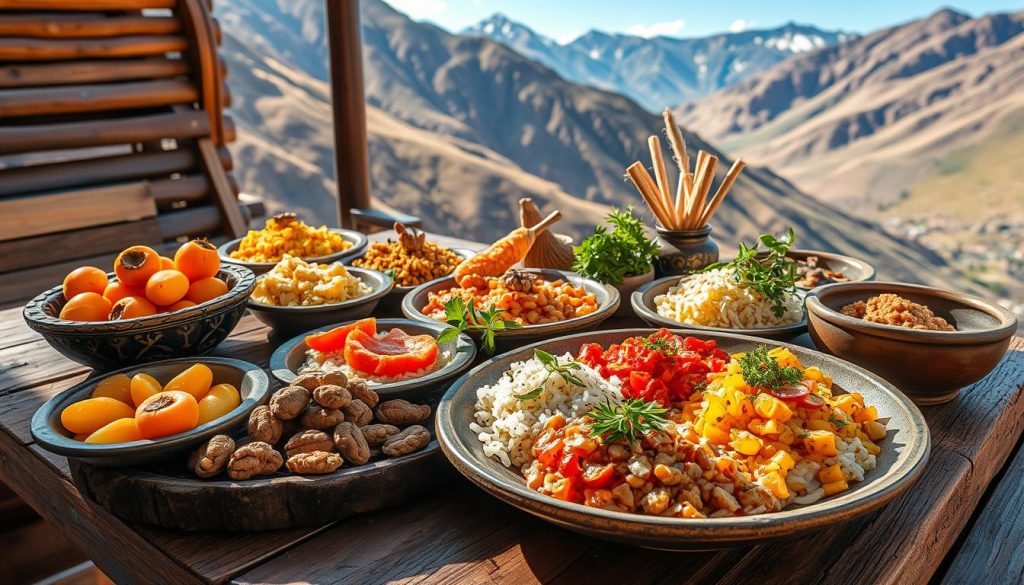
The Hunza Valley’s cuisine reflects its rich cultural heritage and sustainable practices. It showcases locally-sourced ingredients and unique culinary traditions passed down through generations. This gastronomic landscape offers a nourishing experience for both body and soul.
Traditional Hunza dishes highlight the region’s diverse culinary culture. They mirror the area’s close ties to the land and seasonal produce. The Hunza people’s respect for their culinary heritage ensures these timeless traditions continue.
Hunza Valley’s exceptional local cuisine leaves a lasting impression. Its flavors connect visitors to the essence of the place and its people. The region’s legendary longevity-boosting dishes and hidden culinary gems create unforgettable memories.