Must-Visit Historic Sites in Lahore: A Guide
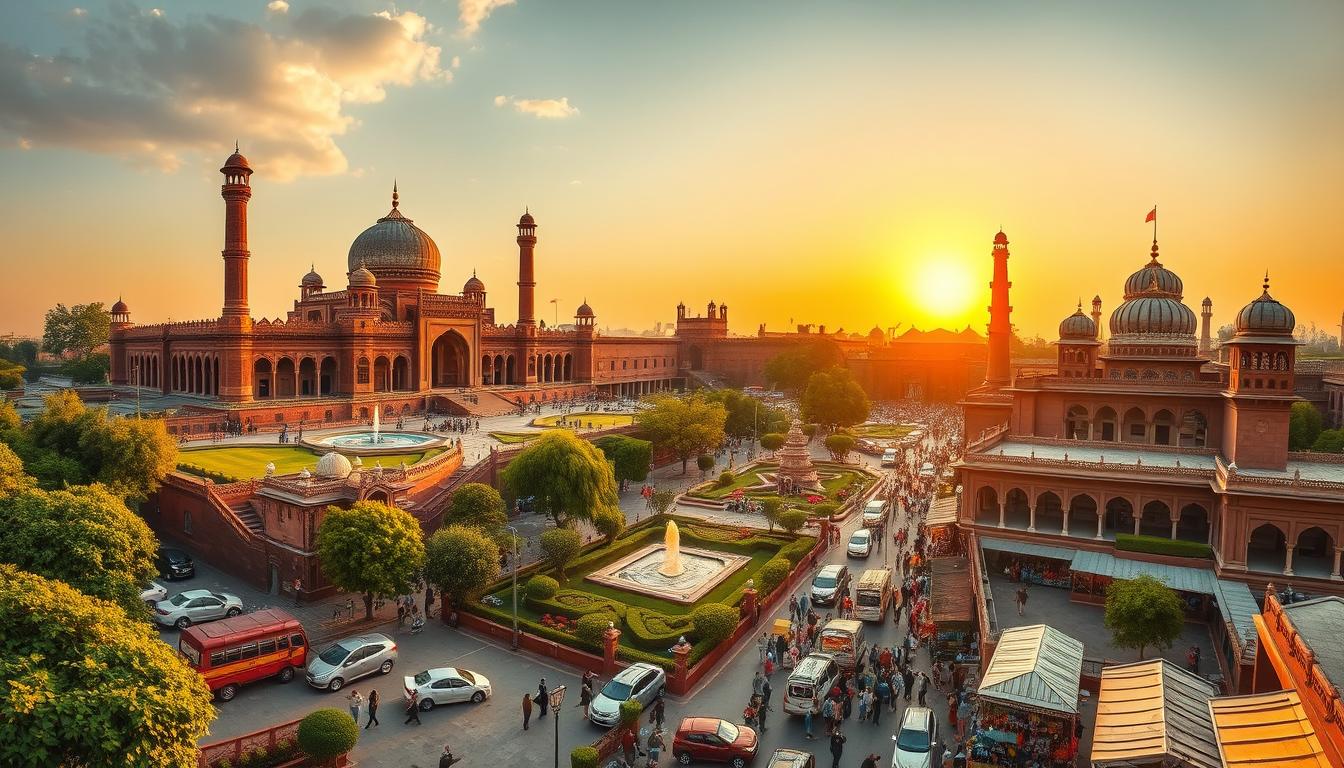
Lahore, Pakistan’s cultural heart, brims with rich history and architectural marvels. This guide reveals must-visit historic sites in Lahore. We’ll explore grand Mughal-era mosques and serene gardens.
Lahore’s extraordinary legacy awaits you through its iconic landmarks. Each site tells a captivating story. This guide highlights unforgettable historic spots for your Lahore city tour.
Unraveling Lahore’s Rich Cultural Heritage
Lahore, Pakistan’s vibrant heart, seamlessly blends its captivating past with a modern present. This city tour will mesmerize you with iconic landmarks. Each landmark showcases Lahore’s rich cultural heritage and Mughal architectural legacy.
Exploring Lahore’s Iconic Landmarks
The Badshahi Mosque’s grandeur will leave you in awe. The Wazir Khan Mosque’s intricate tilework is a visual delight. These architectural wonders offer a feast for your senses.
Wander through the Shahi Qila (Lahore Fort), a sprawling Mughal-era fortress. This historic site has witnessed the rise and fall of empires. Its walls hold countless stories of Lahore’s fascinating past.
Discovering the City’s Vibrant History
Lahore’s history is a tapestry of diverse cultures woven over centuries. Grand Mughal palaces stand as testaments to a glorious era. The towering Minar-e-Pakistan symbolizes the nation’s hard-won independence.
Every step in Lahore reveals a new chapter of its captivating story. The city’s rich heritage invites you to explore and discover. You’ll find yourself immersed in a journey through time.
“Lahore is a city that speaks to the soul, where the past and present coexist in a harmonious dance, inviting you to embark on a journey of discovery.”
Badshahi Mosque: A Jewel of Mughal Architecture
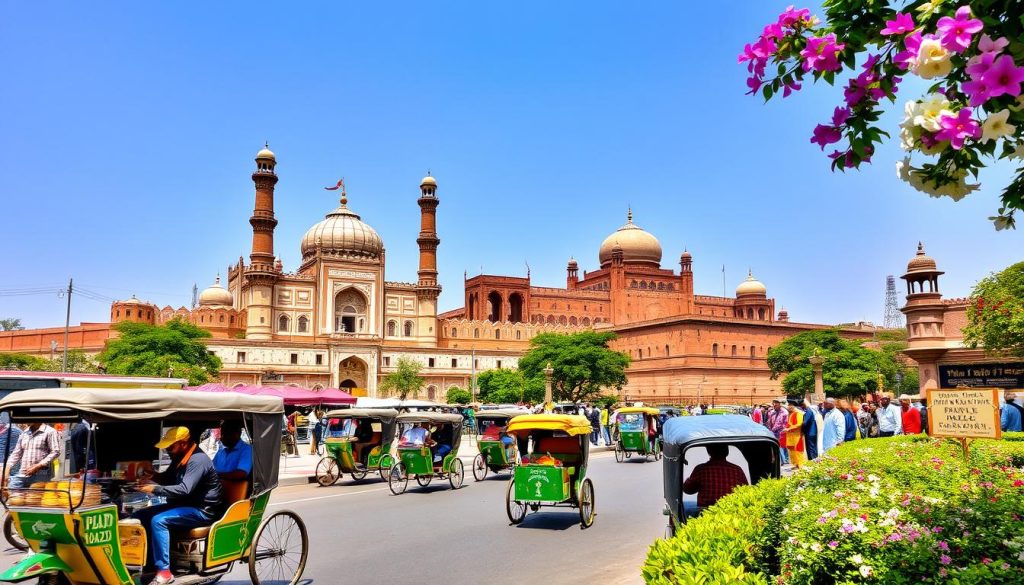
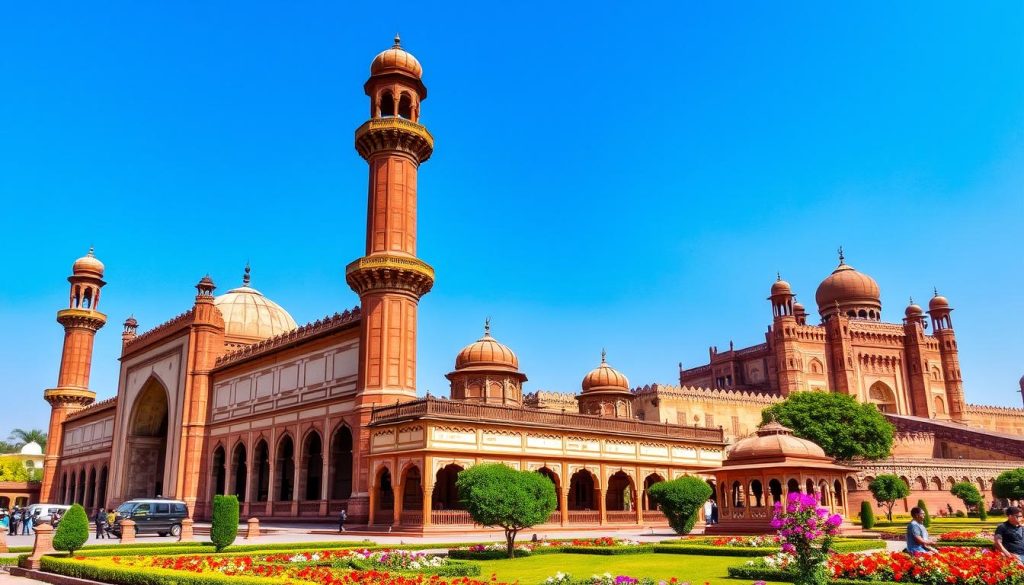
The Badshahi Mosque in Lahore showcases the Mughal Empire’s architectural mastery. Built in 1671 by Emperor Aurangzeb, this stunning structure awes visitors with its grandeur.
Towering minarets reach 42 meters high, dominating the mosque’s design. The vast courtyard can hold up to 100,000 worshippers. Red sandstone adorns the façade with intricate carvings, highlighting Mughal craftsmanship.
“The Badshahi Mosque is a true architectural marvel, a testament to the ingenuity and skill of the Mughal artisans who brought this magnificent structure to life.” – Architectural Historian, Dr. Saeed Ahmad
Inside, high ceilings and ornate details create an awe-inspiring atmosphere. The mihrab and calligraphic inscriptions showcase exquisite artistry. Visitors can explore the mosque’s harmonious blend of form and function.
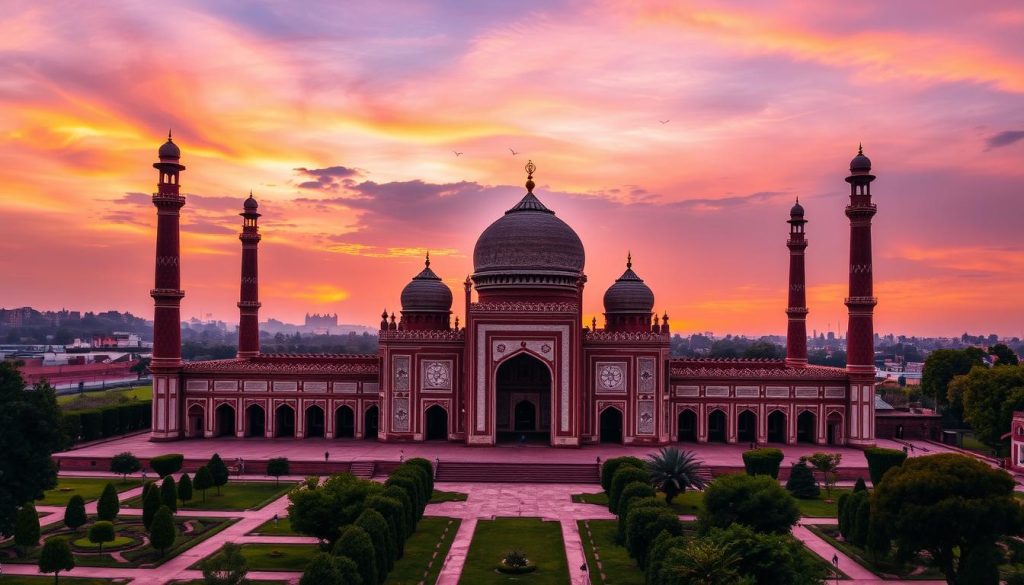
The Badshahi Mosque offers a profound cultural experience for all. Its timeless beauty captivates history buffs and architecture lovers alike. This masterpiece stands as a living testament to Mughal brilliance.
Wazir Khan Mosque: A Masterpiece of Intricate Tilework
The Wazir Khan Mosque in Lahore is a stunning example of Mughal architecture. Built in the 17th century, it’s famous for its beautiful tilework and frescoes. This mosque shows off the amazing skills of craftsmen from that time.
Admiring the Mosque’s Stunning Frescoes
Inside the mosque, you’ll see amazing frescoes covering the walls and ceilings. These colorful paintings show scenes from Islamic and Mughal history. They also feature intricate geometric patterns that catch your eye.
The detail in these artworks is truly impressive. It shows just how skilled the Mughal-era artists were.
Understanding the Significance of Mughal Mosques
The Wazir Khan Mosque is more than just a place to pray. It shows the importance of Mughal architecture in culture and religion. Mughal mosques were also centers for learning and community.
These grand buildings were meant to inspire awe. They showed the Mughal Empire’s dedication to Islam and cultural heritage.
Exploring this mosque helps you appreciate Mughal architecture. You’ll see how it shaped Lahore’s culture and the wider region.

“The Wazir Khan Mosque is a true masterpiece of Mughal architecture, showcasing the unparalleled craftsmanship and attention to detail that defined this era.”
Shahi Qila (Lahore Fort): A Fortress Steeped in History
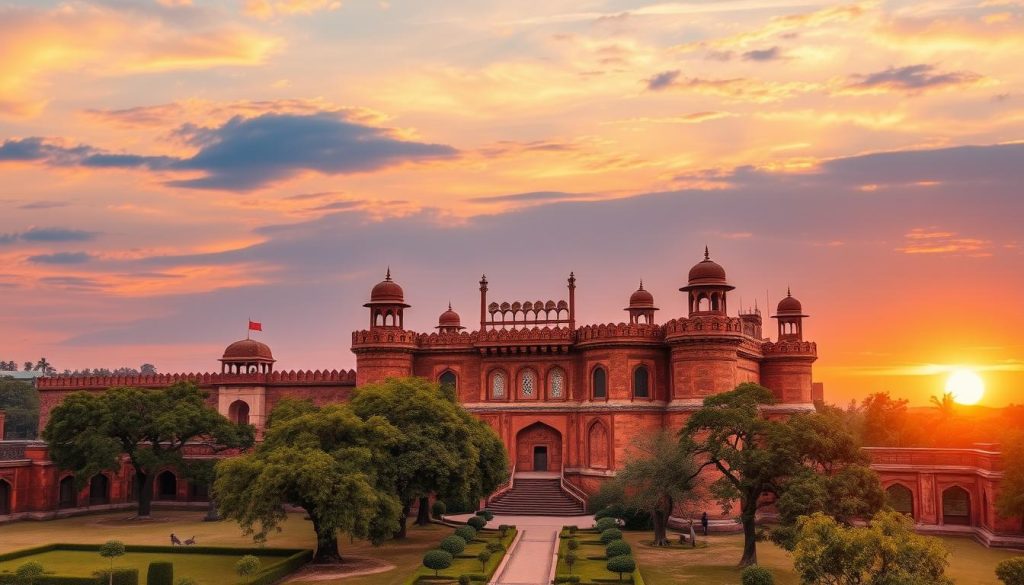
The Shahi Qila, or Lahore Fort, stands in Lahore’s heart. This vast structure has seen many dynasties rise and fall. Each left its mark on the fort’s iconic buildings and courtyards.
Exploring the Fort’s Iconic Structures
The Shahi Qila offers a breathtaking sight to visitors. Its grand entrance, the Alamgiri Gate, showcases ornate Mughal architecture. Inside, you’ll find awe-inspiring structures throughout the fort.
The Sheesh Mahal palace amazes with its intricate mirror work. Jahangir’s Quadrangle, a sprawling courtyard, once hosted the Mughal court. These sights transport you to a bygone era.
Uncovering the Lives of Mughal Emperors
Shahi Qila is more than a fortress; it’s a living museum. It reveals stories of Mughal emperors who once lived here. The grand halls and pavilions speak of their lives and legacies.
Akbar, Jahangir, and Shah Jahan all left their mark on Shahi Qila. Their contributions shaped not only the fort but also Lahore itself.
| Mughal Emperor | Contribution to the Shahi Qila |
|---|---|
| Akbar | Initiated the construction of the fort and added several iconic structures, including the Jahangir’s Quadrangle. |
| Jahangir | Expanded the fort and commissioned the construction of the Sheesh Mahal, a stunning palace renowned for its intricate mirror work. |
| Shah Jahan | Further embellished the Shahi Qila with his signature Mughal architectural style, adding the famous Diwan-e-Aam (Hall of Public Audience). |
Shahi Qila showcases the grandeur of Mughal architecture. Its walls hold captivating stories of the past. The fortress stands as a symbol of the Mughal Empire’s legacy and Lahore’s rich history.
Minar-e-Pakistan: A Towering Symbol of Independence
The Minar-e-Pakistan stands tall in Lahore’s Iqbal Park. This remarkable monument honors the Lahore Resolution, which led to Pakistan’s independence. It’s a powerful reminder of the nation’s journey to freedom.
Built in 1968, the monument rises 62.5 meters (205 feet) high. Its minaret-like design showcases Pakistan’s rich cultural heritage. Visitors can climb to the top for stunning views of Lahore.
The Minar-e-Pakistan symbolizes unity and resilience. It reminds us of the struggles that shaped Pakistan. The monument inspires pride in all who see it.
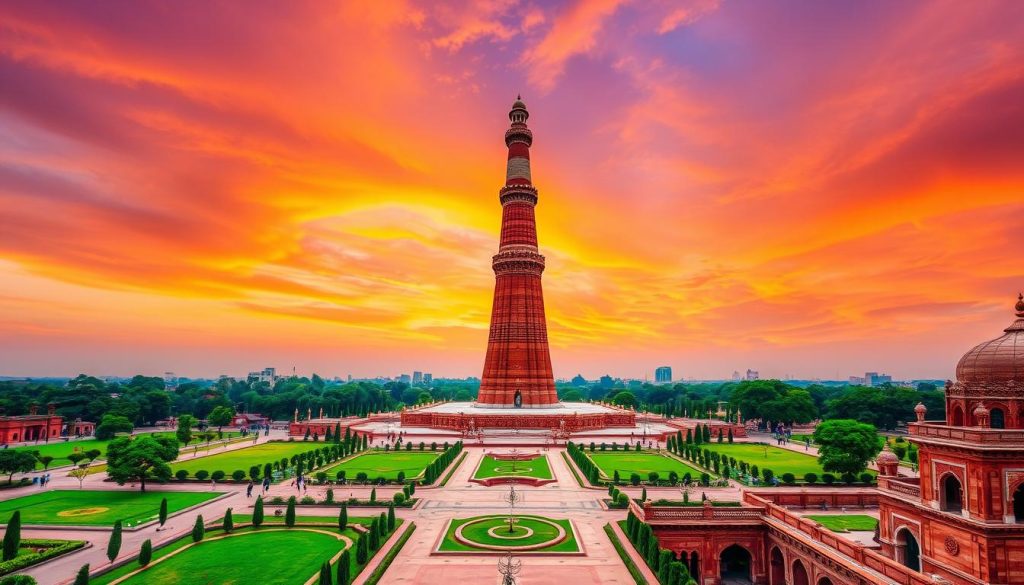
History lovers and architecture fans will appreciate this landmark. It’s a must-see for anyone exploring Lahore. The Minar-e-Pakistan connects visitors to Pakistan’s past and future.
What historic sites are must-visits in Lahore?
Lahore, Pakistan’s cultural heart, boasts many historic sites. These landmarks offer a peek into the country’s rich heritage. The Badshahi Mosque and Shalimar Gardens are top attractions.
Unveiling Lahore’s Top Historic Attractions
Visit Lahore Fort, a UNESCO World Heritage Site. It showcases the Mughal Empire’s architectural prowess. The Wazir Khan Mosque amazes with its intricate tilework and frescoes.
The Minar-e-Pakistan stands tall as a symbol of independence. These sites reveal Lahore’s vibrant history and cultural heritage. They offer a unique window into the past.
Planning the Perfect Lahore City Tour
- Start your Lahore city tour at the Badshahi Mosque, one of the largest mosques in the world and a testament to Mughal architectural genius.
- Discover the grandeur of the Shahi Qila (Lahore Fort), a sprawling complex that housed the Mughal emperors and their royal court.
- Admire the stunning Shalimar Gardens, a serene Mughal-era oasis showcasing the empire’s love for horticulture and landscaping.
- Explore the Gurdwara Dera Sahib, a sacred Sikh pilgrimage site that honors the legacy of Guru Arjan Dev.
- Pay your respects at the Jahangir’s Tomb, a magnificent mausoleum that honors the life of the Mughal Emperor Jahangir.
Explore Lahore’s historic attractions to understand its cultural heritage. You’ll gain insight into the Mughal Empire’s lasting impact. These sites reveal the city’s rich past.
“Lahore is a city that holds the secrets of Pakistan’s past, inviting visitors to uncover its timeless wonders and discover the true essence of its vibrant culture.”
Gurdwara Dera Sahib: A Sacred Sikh Pilgrimage Site
Gurdwara Dera Sahib is a revered site in Lahore’s heart. It’s believed to be where Guru Arjan Dev, the fifth Sikh Guru, attained martyrdom. This historic landmark draws Sikh devotees worldwide.
The Gurdwara showcases Lahore’s rich cultural heritage. It reflects the city’s tradition of religious harmony and diversity. Visitors can experience its serene ambiance and learn about Sikh faith and history.
The Gurdwara’s architecture blends Mughal and Sikh elements beautifully. Intricate carvings, ornate domes, and peaceful courtyards create an enchanting atmosphere. These features invite visitors to reflect and connect spiritually.
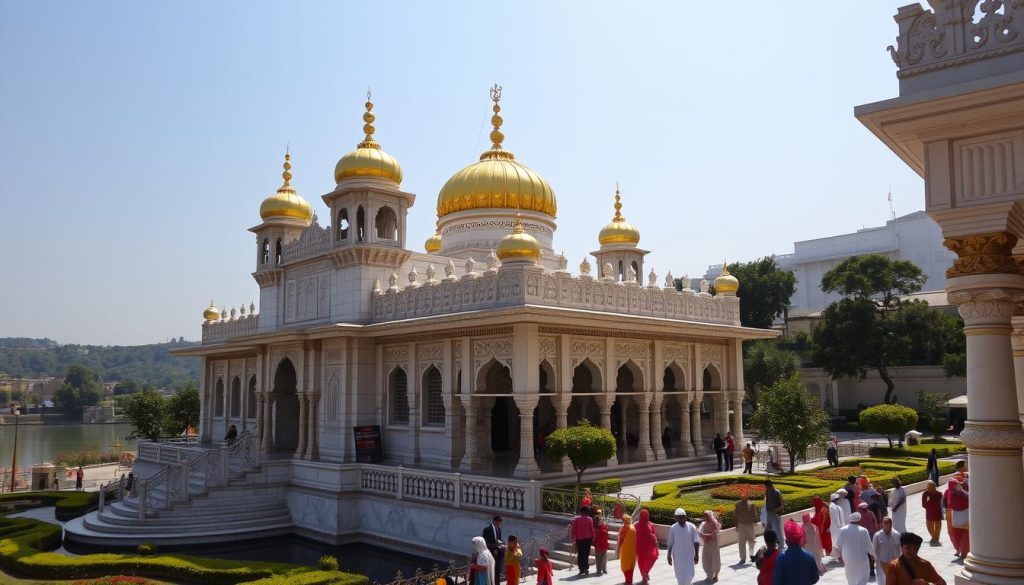
The Shrine of Guru Arjan Dev is a key feature. It symbolizes the Guru’s unwavering devotion and sacrifice. Pilgrims come here to pray and seek blessings from the Almighty.
The Gurdwara offers more than just the Shrine. Visitors can explore its intricate architecture and learn about Sikh faith. The entire site is filled with a spiritual atmosphere.
A visit to Gurdwara Dera Sahib promises a transformative experience. You’ll be captivated by its timeless beauty and deep-rooted significance. The warm hospitality welcomes all who seek to connect with Sikh heritage.
Jahangir’s Tomb: A Magnificent Mausoleum
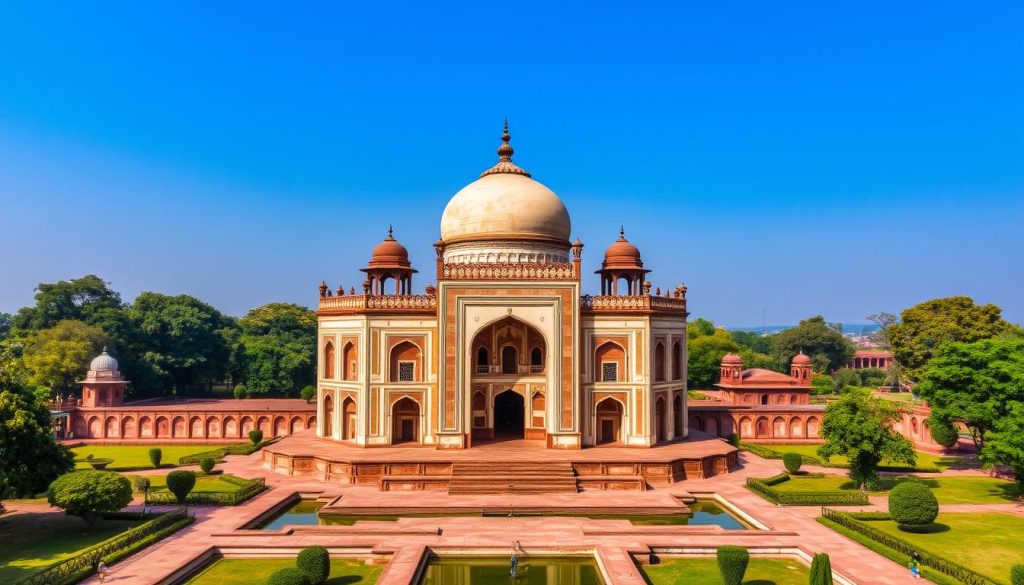
Lahore’s heart houses the stunning Jahangir’s Tomb, a masterpiece of Mughal architecture. This grand mausoleum is Emperor Jahangir’s final resting place. Jahangir was one of the most respected Mughal rulers.
Admiring the Tomb’s Exquisite Architecture
The Jahangir’s Tomb captivates visitors with its breathtaking beauty. It showcases Mughal craftsmanship through intricate marble and inlaid stonework.
The tomb’s octagonal design features detailed floral motifs and calligraphy. These elements highlight the Mughals’ exceptional artistic skills.
Understanding the Significance of Mughal Tombs
Mughal tombs were more than just final resting places. They served as centers for spiritual reflection and cultural importance.
The Jahangir’s Tomb offers a peaceful space for introspection and paying respects. It reveals insights into the Mughals’ rich cultural heritage and beliefs.
“The Jahangir’s Tomb is a masterpiece of Mughal architecture, a testament to the dynasty’s enduring legacy and the cultural significance of their architectural marvels.”
The tomb’s scale and grandeur are truly awe-inspiring. Its intricate details make it a gem of Mughal architecture.
For those interested in Lahore’s history and cultural heritage, this mausoleum is a must-see attraction.
Shalimar Gardens: A Serene Oasis of Mughal Splendor
The Shalimar Gardens in Lahore showcase the Mughal Empire’s architectural genius. This UNESCO World Heritage Site transports visitors to a world of serene beauty. The gardens exemplify the elegance of Mughal architecture.
Emperor Shah Jahan commissioned these gardens in 1642. They were designed to be a peaceful retreat from the city’s hustle. The gardens successfully achieve this goal with their stunning features.
Visitors can explore meticulously designed terraces, fountains, and pavilions. These elements highlight the grandeur of Mughal aesthetics. The garden’s symmetrical design features three unique terraces, each with its own charm.
- Lose yourself in the intricate patterns of the garden’s symmetrical design, which features three terraces, each with its own unique charm.
- Marvel at the stunning pavilions, adorned with delicate carvings and intricate tile work, that dot the landscape.
- Be enchanted by the soothing sound of the gardens’ numerous fountains, which were once powered by an ingenious hydraulic system.
The Shalimar Gardens offer a deep dive into Mughal architectural legacy. They showcase the enduring cultural significance of this remarkable site. History enthusiasts and nature lovers alike will find joy here.
These gardens provide a peaceful escape for all visitors. They’re a must-see destination in Lahore, offering tranquility and beauty. Explore the Shalimar Gardens for a unique glimpse into Mughal splendor.
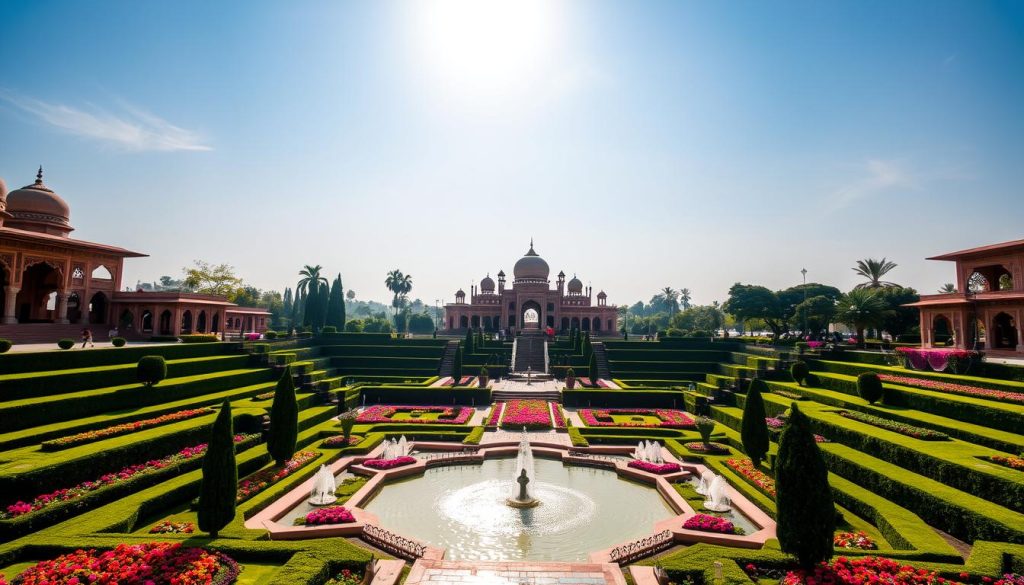
| Feature | Description |
|---|---|
| Terraces | The gardens feature three main terraces, each with its own unique design and purpose. |
| Pavilions | Elegant pavilions adorned with delicate carvings and intricate tile work dot the landscape. |
| Fountains | The gardens are home to numerous fountains, once powered by an ingenious hydraulic system. |
“The Shalimar Gardens are a true masterpiece of Mughal architecture, transporting visitors to a bygone era of grandeur and serenity.”
Conclusion
Lahore’s historic sites showcase the city’s rich cultural heritage and Mughal legacy. The Badshahi Mosque and Shalimar Gardens offer glimpses into Lahore’s captivating past. These landmarks invite you to explore the city’s architectural wonders and vibrant history.
The iconic Lahore Fort and Wazir Khan Mosque are must-see attractions. The Gurdwara Dera Sahib is also worth a visit. A well-planned Lahore city tour helps you appreciate these historic treasures fully.
Lahore’s sites highlight the enduring power of Mughal architectural legacy. They display exceptional craftsmanship and grandeur from this remarkable era. Exploring these landmarks transports you back in time.
You’ll gain a deeper appreciation for Lahore’s cultural richness. The lasting impact of the city’s Mughal heritage becomes evident through these sites.