Experience Local Life in Yangon: A Traveler’s Guide
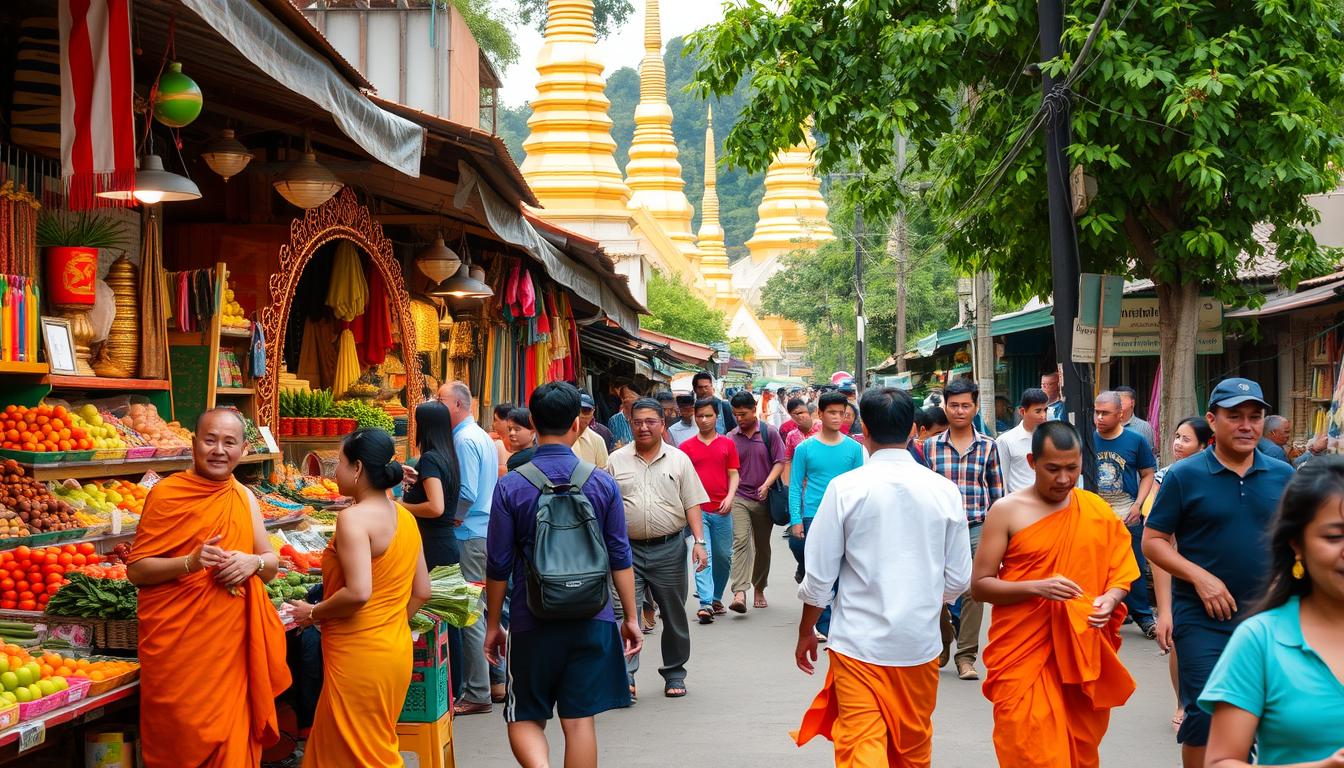
Ever wondered what it’s like to dive into a city that mixes old traditions with colonial flair? Yangon, Myanmar’s biggest city, is home to 5.2 million people. Here, you can explore its rich culture. This guide will show you the best of Yangon’s local life, from hidden spots to friendly communities.
Enjoying street food and quiet neighborhoods, your trip will be full of unique experiences. Walking through Yangon, you’ll see why it’s more than just sights. It’s about feeling the city’s history, spirituality, and kindness.
Introduction to Yangon: Myanmar’s Cultural Gem
Yangon, also known as Rangoon, is Myanmar’s biggest city with about 4.4 million people. It’s the country’s business center and a window into Myanmar’s culture. The city’s mix of old and new is fascinating, thanks to its colonial buildings.
Yangon was once the capital. It’s called “The Garden City of the East” because of its beautiful architecture. This history makes it special.
In Yangon, you can dive into the local culture. The city has a long history of Buddhism, along with Islam and Christianity. Over 85% of people follow Theravada Buddhism. This is why you’ll find many beautiful temples here.
Yangon’s food scene is a mix of Indian, Thai, and Chinese flavors. Each region has its own dishes. This makes exploring the food scene exciting.
Yangon is full of life, from its buildings to its food. You can find traditional tea houses that feel like Irish pubs. These places are where locals meet to chat over tea and snacks.
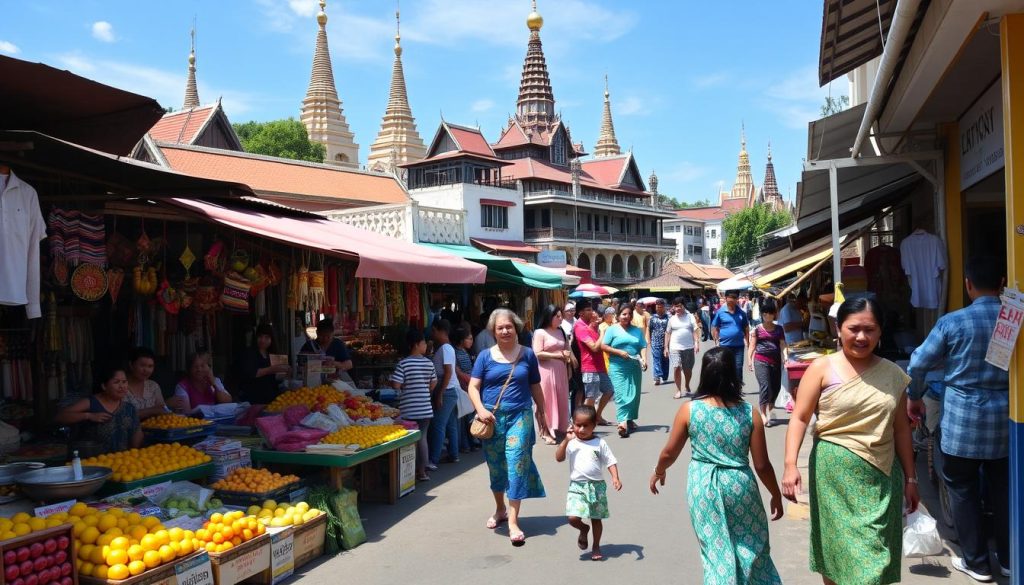
Walking around, you’ll see many local vendors. Bogyoke Aung San Market is a great place to find authentic Burmese crafts and antiques. It supports the local economy and shows off Myanmar’s culture and skill.
The Rich History of Yangon’s Colonial Architecture
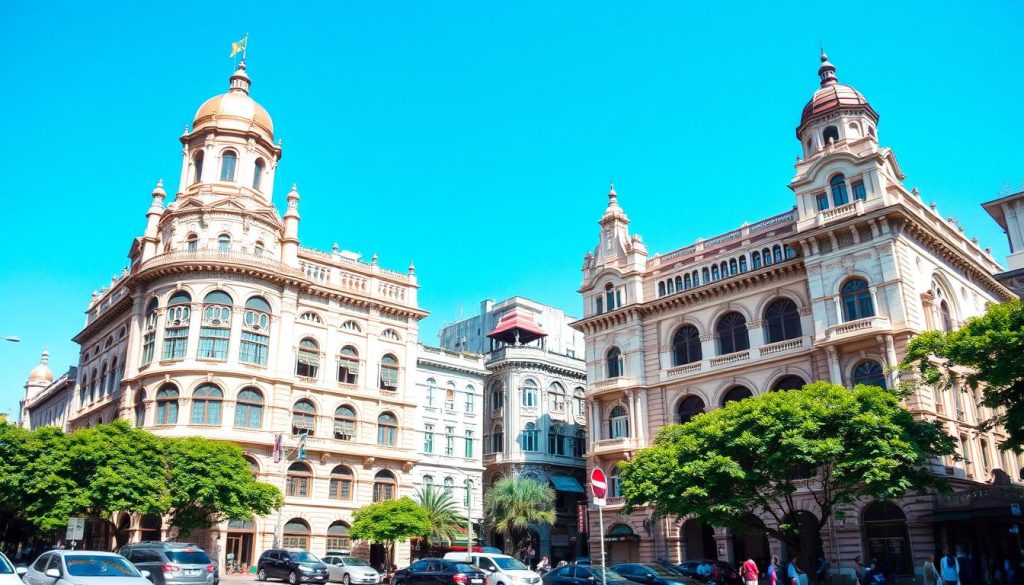
Yangon is a city filled with colonial history. It has the largest collection of colonial-era buildings in Southeast Asia. The city’s buildings, like the Strand Hotel and City Hall, show different architectural styles. They tell stories of the past and how the city has changed.
The Yangon Heritage Trust (YHT) was started in 2012. It works to keep the city’s old charm alive as it grows. YHT teams up with the government and local groups to protect these buildings. You can join guided tours with YHT to see these historic sites up close.
The Minister’s Office was once the center of British rule in Myanmar. It’s now empty since the capital moved to Naypyidaw. The Yangon City Hall, with its mix of classical Burmese and modern styles, is still used today.
There are plans to turn the High Court Building into a theater and museum. This will celebrate Thabin puppetry. Also, the old state house is being turned into a luxury hotel by Kempinski. It will keep its old charm while attracting more tourists.
These projects show a strong commitment to preserving Yangon’s colonial architecture. They help us understand the city’s past while looking forward to its future.
| Architectural Landmark | Current Use or Future Plans |
|---|---|
| Strand Hotel | Luxury hotel and heritage site |
| City Hall | Office for Yangon City Development Committee |
| High Court Building | Planned national theater and museum |
| Minister’s Office | Vacant since Naypyidaw became the capital |
| Defunct State House | Transforming into a 240-room Kempinski hotel |
How can I experience local life in Yangon?
To really get to know Yangon, you need to go beyond the tourist spots. Talk to locals and learn about their daily lives, traditions, and customs. By visiting places not many tourists see, you’ll get a special view of the city.
Understanding how to experience local life in Yangon opens up real connections. These are often missed by travelers.
Engaging with Local Communities
Connecting with locals is essential to truly experience Yangon. Visit lively neighborhoods and talk to shop owners and families. You might get invited to traditional tea gatherings, where you can try local foods and learn about their culture.
This personal touch shows you a side of Yangon tourists rarely see.
Exploring Lesser-known Areas
For a unique view of Yangon, try the Circle Train. It’s a local favorite, with 100,000 riders daily. Tickets are just 100 KYAT, and you can see the city’s daily life as you ride.
For a real market feel, visit Dallah Ferry. Here, local vendors sell their goods in lively markets. It’s a great way to understand the local economy and try affordable foods like mohinga, a breakfast favorite for 500 MMK.
Delving into Yangon Local Culture
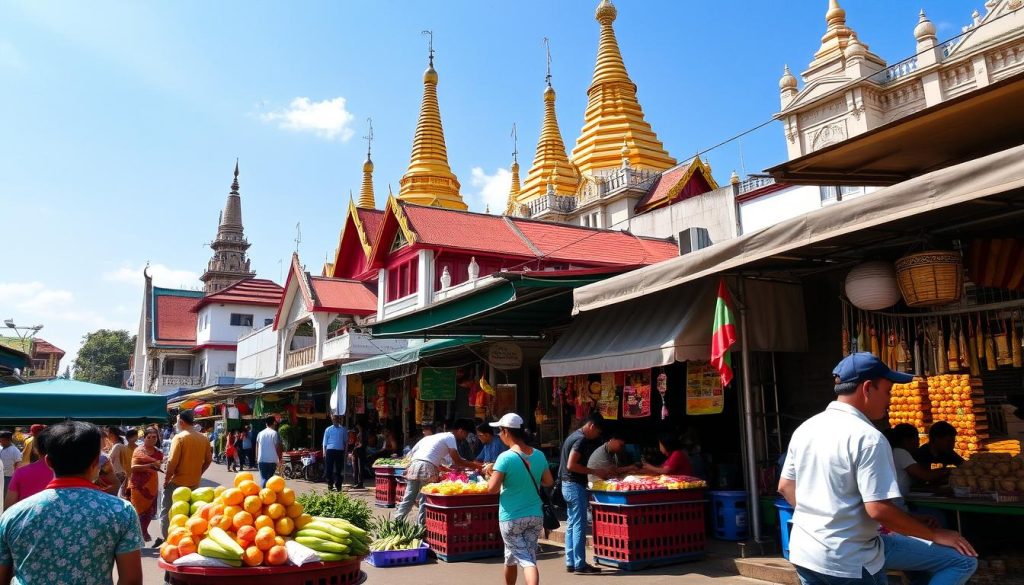
To truly appreciate Yangon, immersing yourself in its local culture is essential. Engaging with vibrant local festivals and exploring traditional arts and crafts creates a rich experience. The city teems with celebrations that showcase the Burmese spirit, while craftsmanship brings the culture to life through intricate designs and unique handmade items.
Festivals and Celebrations
Yangon’s vibrant atmosphere comes alive during local festivals. The Thadingyut Festival of Lights is a highlight, marking the end of the Buddhist Lent. Participants light candles and lanterns, transforming the streets into a stunning display of color. The festival, celebrated by millions, reflects the deep-rooted spiritual connection of the locals and provides visitors a chance to engage with community traditions.
Traditional Local Arts and Crafts
The artistic talents of Yangon shine through its traditional arts and crafts. Local artisans create beautiful lacquerware and woven textiles, showcasing techniques passed down through generations. You can visit artisanal workshops to observe the craftsmanship firsthand, learn about the cultural significance of these practices, and purchase authentic pieces as souvenirs. Participating in these local activities not only supports the artists, but also enriches your understanding of Yangon’s heritage.
Discover Authentic Yangon: Top Hidden Gems
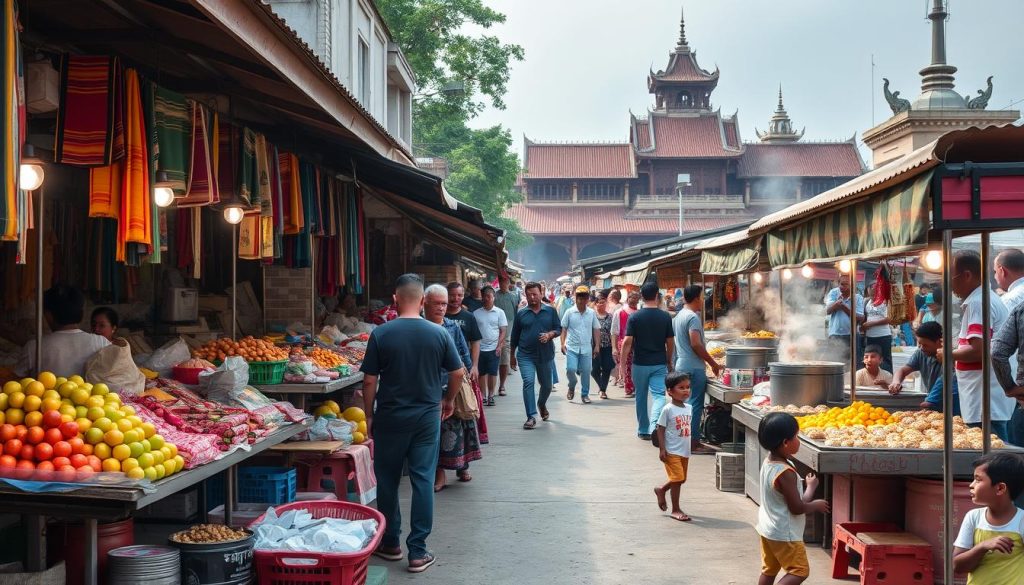
Exploring Yangon’s hidden gems is key to experiencing its true heart. The city’s local markets and unique neighborhoods are essential. They show the culture and daily life of its 7 million people.
Local Markets and Street Vendors
Bogyoke Aung San Market is a top spot to find authentic Yangon. It’s filled with fresh produce, handicrafts, and local foods. The market’s lively vibe attracts both locals and tourists.
Street vendors around the market offer a variety of snacks and meals. They reflect Yangon’s diverse food scene. Talking to these vendors lets you see the local lifestyle and traditions.
Unique Neighborhoods to Explore
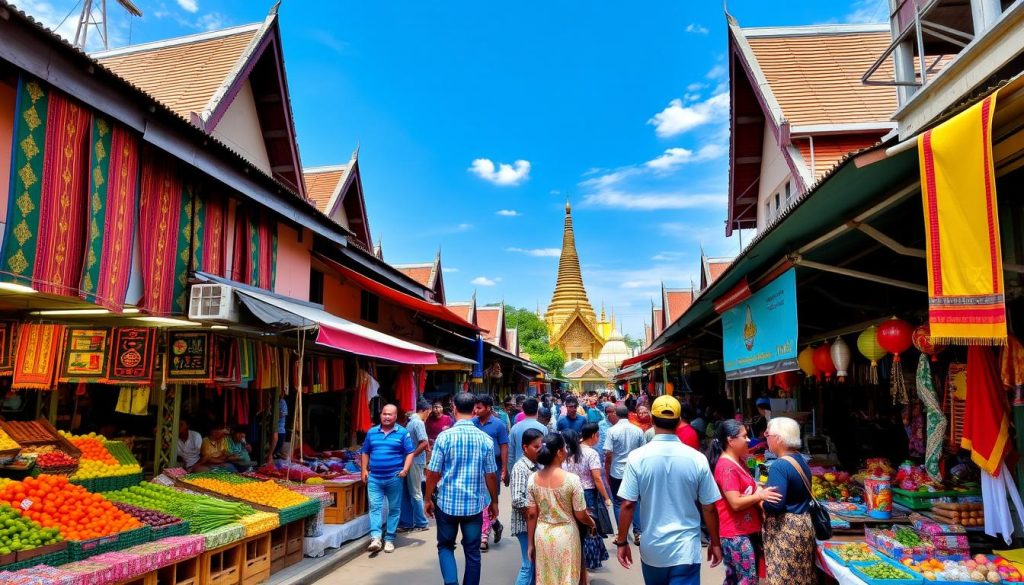
Chinatown is another place to discover Yangon’s culture. It runs from the 19th to the 26th street, with each lane offering different goods. You’ll find colorful textiles and delicious food here.
The area buzzes with street vendors and locals going about their day. It’s a place where history and modernity blend. Walking through these streets, you’ll see how tradition and modernity live together, making your visit unforgettable.
Immersive Yangon Experiences: Activities for Travelers
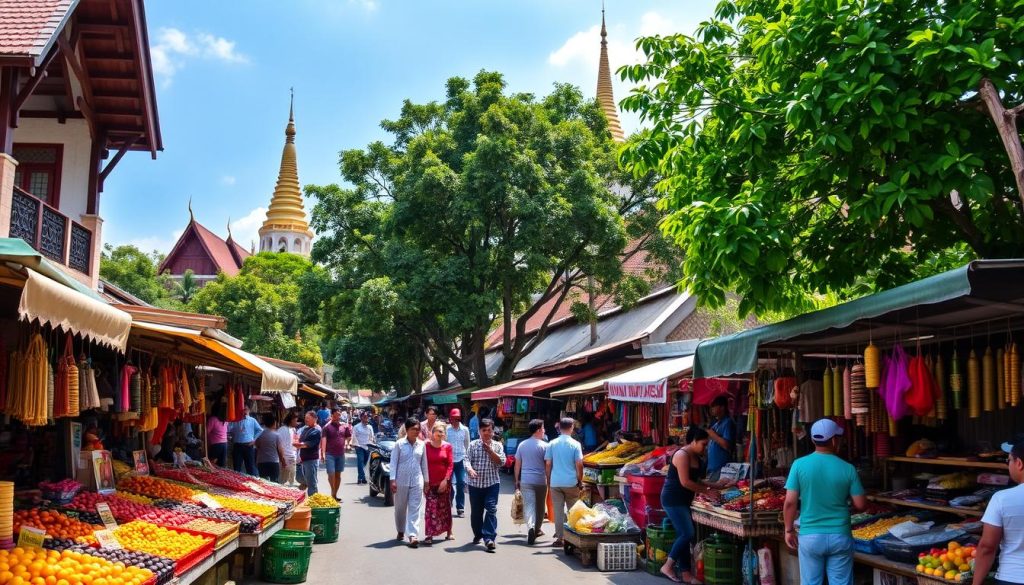
To truly understand Myanmar’s culture, diving into Yangon’s local activities is key. These experiences not only deepen your knowledge but also help you connect with the community.
Cooking Classes with Locals
Cooking classes let you learn to make real Myanmar dishes. You’ll use fresh ingredients from local markets. You’ll make a variety of dishes, including curries, which are a big part of Myanmar’s food.
You’ll also try two different salads. This hands-on learning takes place in a lively cultural setting.
Participating in a Traditional Tea Ceremony
A traditional tea ceremony offers a peek into Myanmar’s social life. Sharing tea is a way to bond with friends and family. It’s a key part of local customs.
This activity is calming and lets you learn about Myanmar’s teas. You might even talk with locals.
| Activity | Description | Highlights |
|---|---|---|
| Cooking Class | Learn to prepare traditional Myanmar dishes | 100% of travelers recommend it |
| Tea Ceremony | Experience the significance of sharing tea | Encounters with local customs |
Getting involved in these Yangon activities will make your trip unforgettable. You’ll gain memories and skills that last long after you leave. Take the time to dive deep into Yangon’s culture through these special opportunities.
Getting Around Yangon: Transportation Tips
Exploring Yangon’s lively streets is an exciting journey. You can choose from many affordable ways to get around. Taxis are a top pick for those seeking ease, like going from the airport to downtown. A trip there costs about $10.
For those on a tight budget, public buses are a great option. Prices are between 200 to 300 Kyat. Though it might be tough for non-locals due to language issues, the Yangon Bus Transportation (YBT) has over 70 routes. Buses run from 6 AM to 7:30 PM, offering plenty of chances to see the city.
The Yangon Circular Train is another good choice, running all day. Trains leave every half hour, making it easy to get around. For a special experience, try the Yangon’s Bus Trucks. They show you the city’s countryside and cultural variety.
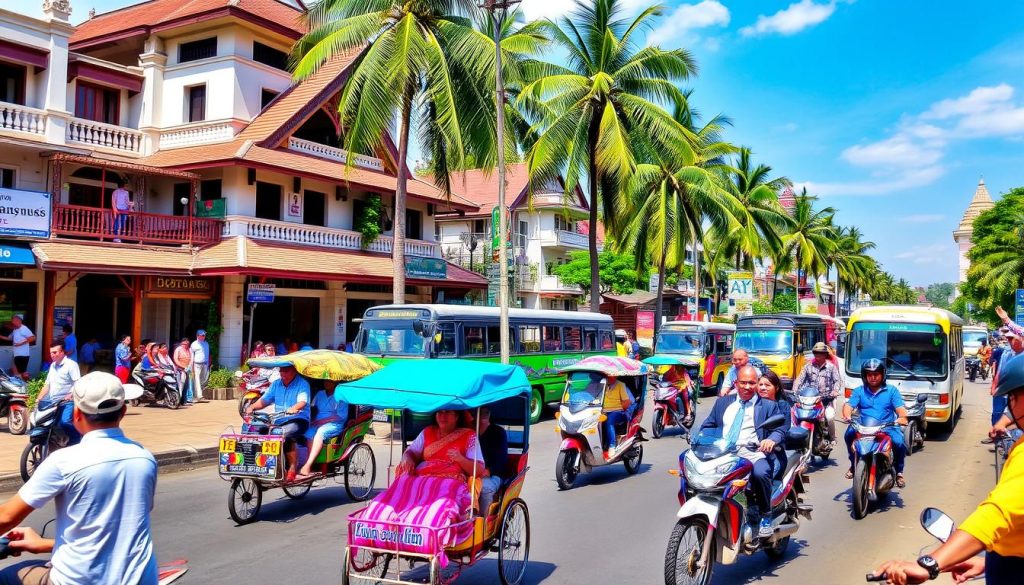
For quick trips in the city center, trishaws (cycle rickshaws) are fun. You can talk about the price, which isn’t set. But remember, foreigners might pay a bit more than locals.
Yangon’s transport is generally safe, but taxis don’t have meters. Prices are fixed, ranging from 1,500 to 3,000 Kyat for local trips. A taxi from downtown to Aung Mingalar Bus Terminal costs about 8,000 Kyat and takes around an hour and a half.
Best Time to Visit Yangon: Weather Considerations
The best time to visit Yangon is from November to February. The weather is cooler, and the humidity is lower. You’ll enjoy average daytime temperatures around 30°C in November, dropping to 29°C in December, and rising to 32°C in February.
These conditions are ideal for exploring the city’s attractions without feeling too hot.
From March to May, Yangon gets very hot, with temperatures reaching 36°C in April. Visiting during this time means fewer crowds and cheaper places to stay. But, the heat is intense, and humidity makes outdoor activities less fun.
The rainy season, from June to October, brings heavy downpours. July and August are the wettest months.
To make the most of your visit, plan for the best weather. Do things early in the day, drink lots of water, and wear light clothes in the warmer months. The cool season is your best choice for a great visit, with comfortable weather and fun events.