Sustainable Travel in Haa Valley: Support Locals
Have you ever thought about how your travels can help the places you visit? In Bhutan’s heart, Haa Valley is a stunning spot where eco-friendly travel is key. It’s a place with untouched beauty and a rich culture, perfect for supporting local communities through green tourism.
Haa Valley is a hidden gem with a cool climate all year. Spring and Autumn are the best times to explore. You can hike the famous Chele La Pass or stay in traditional homes to learn about Bhutanese life. This article will show you how to travel sustainably in Haa Valley, benefiting both you and the locals.
Introduction to Haa Valley
Haa Valley is in southwestern Bhutan and is a peaceful retreat. It boasts stunning landscapes and a rich cultural heritage. Known as Bhutan’s cultural heart, it holds traditions from centuries ago. The valley sits at about 2,700 meters above sea level, surrounded by hills, forests, and the calm Haa Chu River.
Since 2002, Haa Valley has welcomed visitors while keeping its beauty intact. It offers a chance to see vibrant festivals and traditional life. With its trails, it invites adventurers to explore nature.
There are many trails to choose from, each with its own challenge and beauty:
| Trail Name | Total Distance | Max Altitude | Hike Duration |
|---|---|---|---|
| Haa Panorama Trail | 18.4 km | 3,106 m | 8 hours |
| Meri Puensum Trail | 27 km | 3,800 m | 9 hours |
| The Red Panda Trail | 14.62 km | 3,487 m | 10 hours |
| Trans Bhutan Trail (Haa-Paro) | 17 km | 3,790 m | 8 hours |
| Trans Bhutan Trail | 403 km | N/A | N/A |
This project aims to protect Haa Valley’s nature and culture. It covers 1,899.20 square kilometers, showing Bhutan’s dedication to the environment.
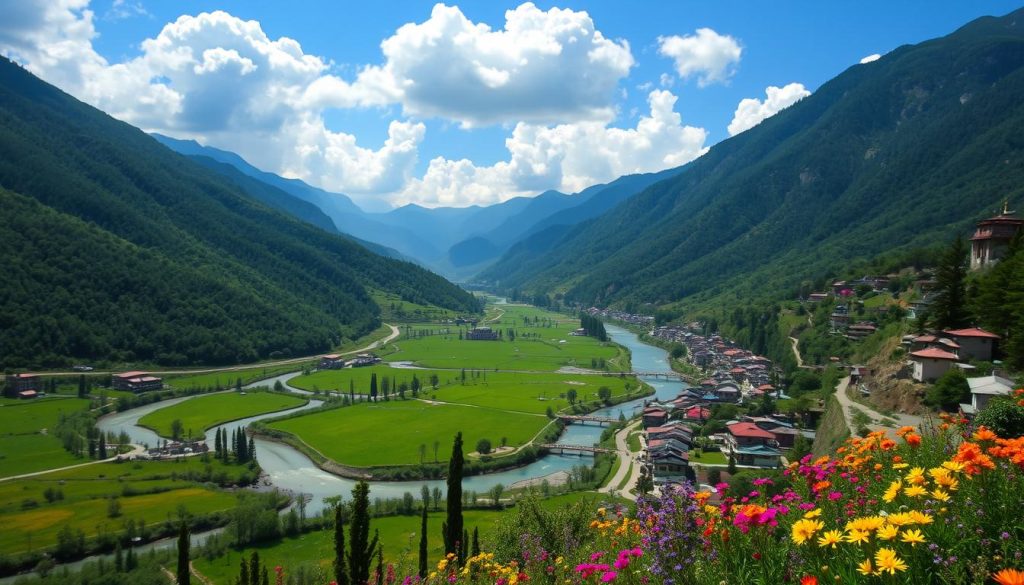
The Allure of Haa Valley’s Untouched Beauty
The Haa Valley is a treasure trove of natural beauty and untouched landscapes. It’s a peaceful place in Bhutan, away from the busy world. Here, you can find adventure and connect with nature in vast, pristine wilderness.
Hiking here means walking through alpine meadows and by snow-capped peaks. You’ll see stunning views at every step. The plants and animals here show us why we must protect these places. Hiking helps us appreciate nature’s beauty more.
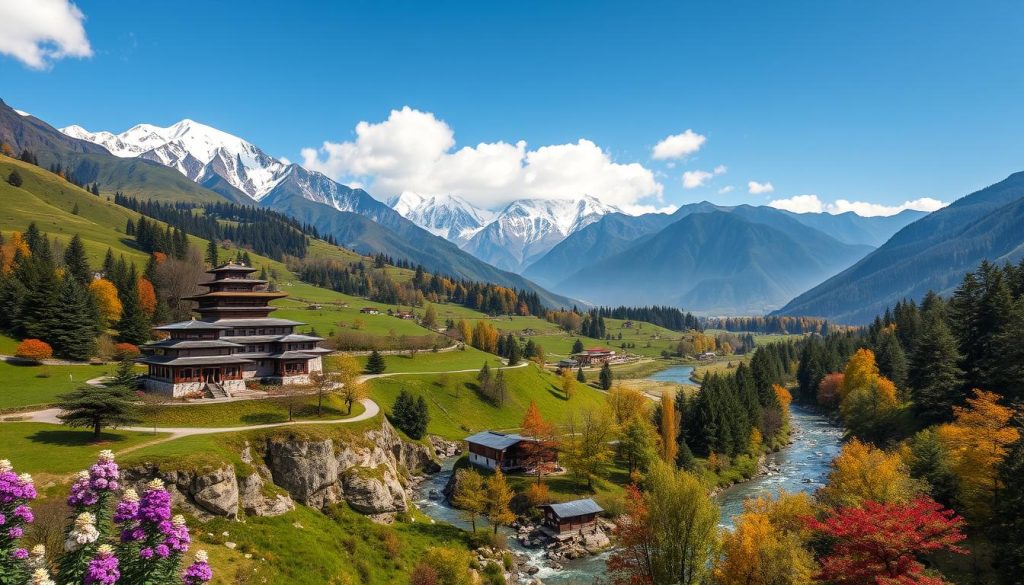
Haa Valley is also great for stargazing because of its dark skies. There’s little light pollution here. This lets you feel connected to the universe in a way city lights can’t.
Doing eco-friendly activities makes your visit even better. It helps keep Haa Valley special for the future. Whether you’re hiking or just enjoying the views, every moment here reminds us to protect nature.
Understanding Bhutan’s Approach to Sustainable Travel
Bhutan’s tourism is special because it focuses on being green and caring for its people. The idea of Gross National Happiness is at the heart of this. It means the country values happiness and health over just making money.
This way of thinking helps tourism help local economies and protect culture and nature. It’s a win-win for everyone.
Bhutan has a “High Value, Low Impact” tourism policy. It wants to keep its stunning views and history safe. So, it limits the number of visitors.
It also wants to keep at least 60% of its land as forests. This goal was set in 2008. Projects like the Community-Based Sustainable Tourism in Phobjikha show how to protect nature and help locals.
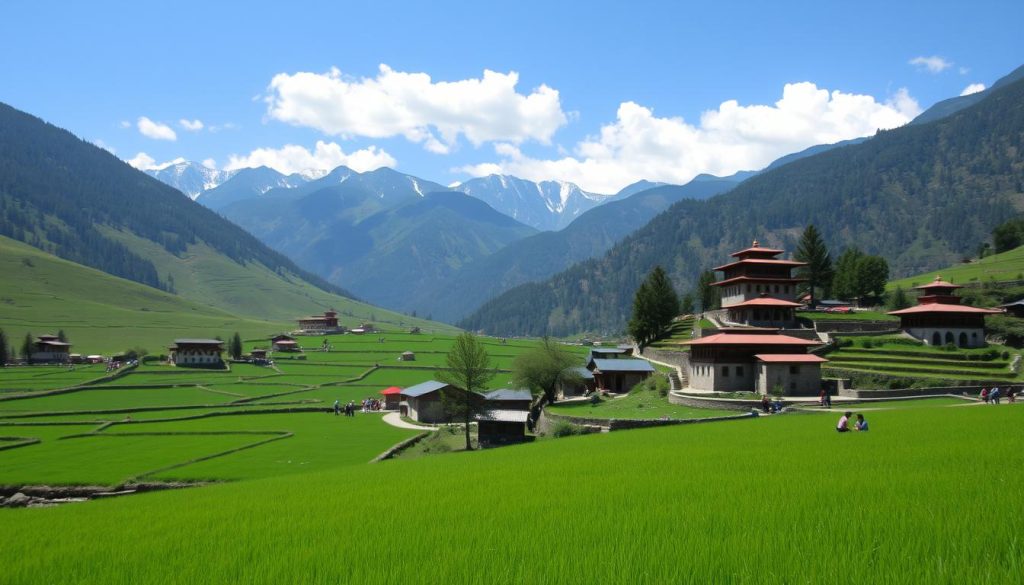
The Royal Society for Protection of Nature (RSPN) helps make travel in Bhutan better. For over twenty years, it has worked with Phobjikha communities. It shows that eco-tourism can be good for both nature and people.
When you visit Bhutan, you’ll see its rich culture and traditions. You’ll also learn about the importance of taking care of the environment. By traveling responsibly, you help Bhutan’s goals of happiness and sustainability.
Sustainable travel practices in Haa Valley: How to support local communities?
Traveling sustainably in Haa Valley lets you connect with local cultures and help the community. You can do this by staying in homestays, supporting local shops, and joining community projects. This way, you get a real experience and help the local economy and culture.
Participating in Local Homestays
Homestays in Haa Valley let you dive into the area’s traditions. You’ll make real connections with families and learn about their lives. Enjoying traditional Bhutanese food is a big part of this experience, supporting local communities.
Supporting Local Businesses
In Haa Valley, you’ll find many artisans and small shops. Buying their goods or eating at local places helps keep jobs and culture alive. Your choices can really make a difference for local businesses and artisans.
Engaging in Community Projects
Joining community projects in Haa Valley is very rewarding. You can help with education or environmental projects. Volunteering helps locals and strengthens community ties. It also lets you understand the community’s challenges and successes.
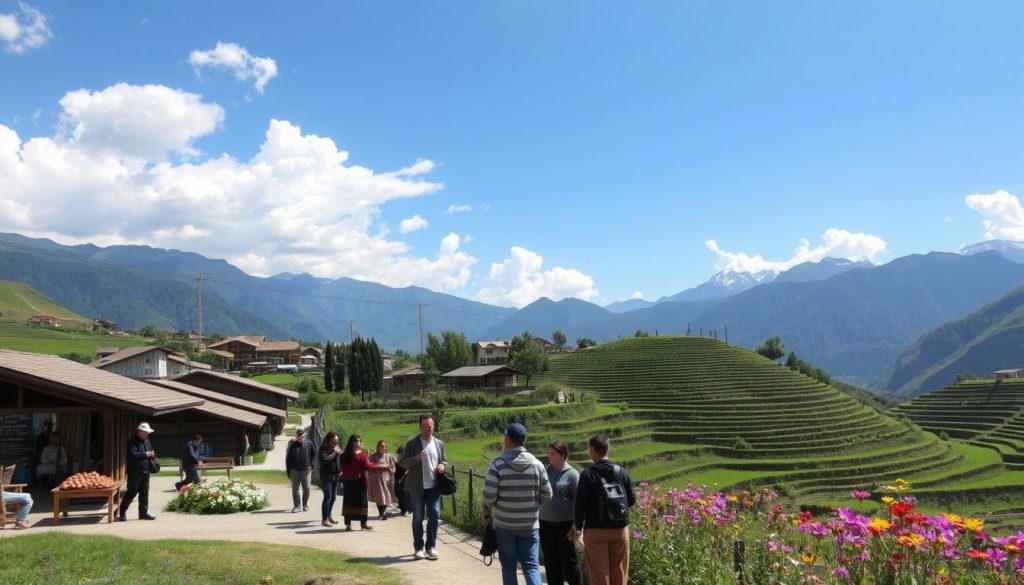
Responsible Tourism: What It Means for Haa Valley
Responsible tourism aims to positively impact local cultures and environments. In Haa Valley, following ethical travel practices is key. Travelers should reduce plastic use and choose products wisely.
Respecting local customs is important for community engagement. For instance, dressing modestly at religious sites shows respect for cultural values. It’s crucial to understand cultural sensitivities to interact well with the Haaps, known for their sustainable farming.
Supporting community-based initiatives helps the valley’s social fabric. By choosing local businesses and homestays, visitors help residents’ livelihoods. This mutual respect creates trust and enriches experiences for all.
Tourists are crucial in preserving Haa Valley’s natural beauty. With its high mountains and dense forests, protecting the environment is a shared responsibility. Promoting responsible tourism enhances your journey and supports sustainable development in this beautiful area.
Ecotourism Initiatives in Haa Valley
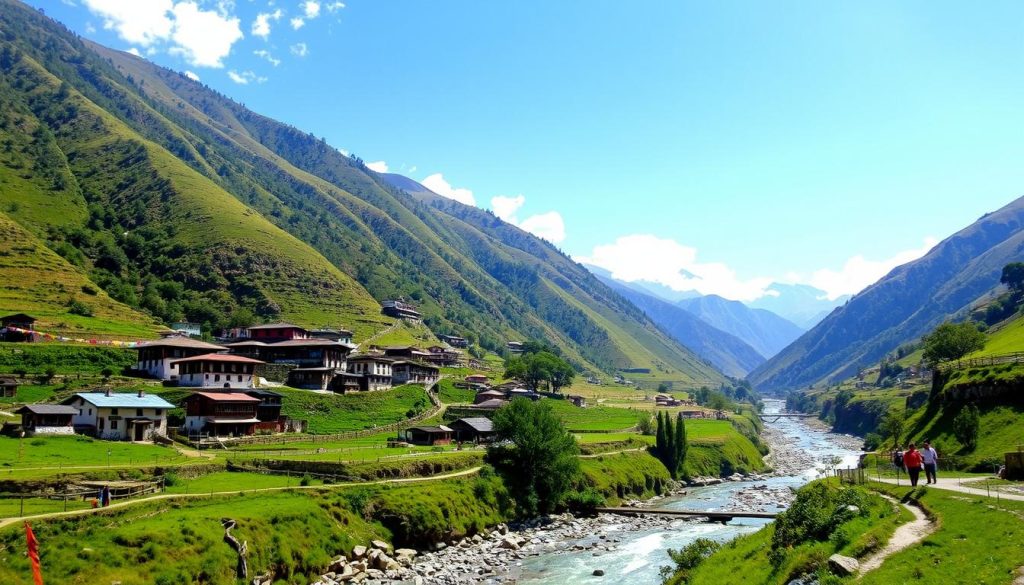
Ecotourism is key in Haa Valley, blending conservation with travel. It enriches both the environment and local communities. Projects here aim to preserve nature and biodiversity. This shows how tourism and wildlife preservation can go hand in hand.
Conservation Projects
Local groups and authorities have started several conservation projects. These protect Haa Valley’s delicate ecosystems. Visitors can help by maintaining trails and joining ecological surveys.
This connection between travelers and nature deepens their appreciation for the valley’s ecosystems.
Wildlife Preservation Efforts
Wildlife preservation in Haa Valley includes monitoring endangered species and restoring habitats. Tourists can support these efforts by participating in wildlife encounters. This funding is crucial for ongoing projects.
Learning about local plants and animals makes your trip more meaningful. It also supports local wildlife initiatives. These efforts help keep Haa Valley a haven for its native species.
Cultural Preservation and Community Engagement
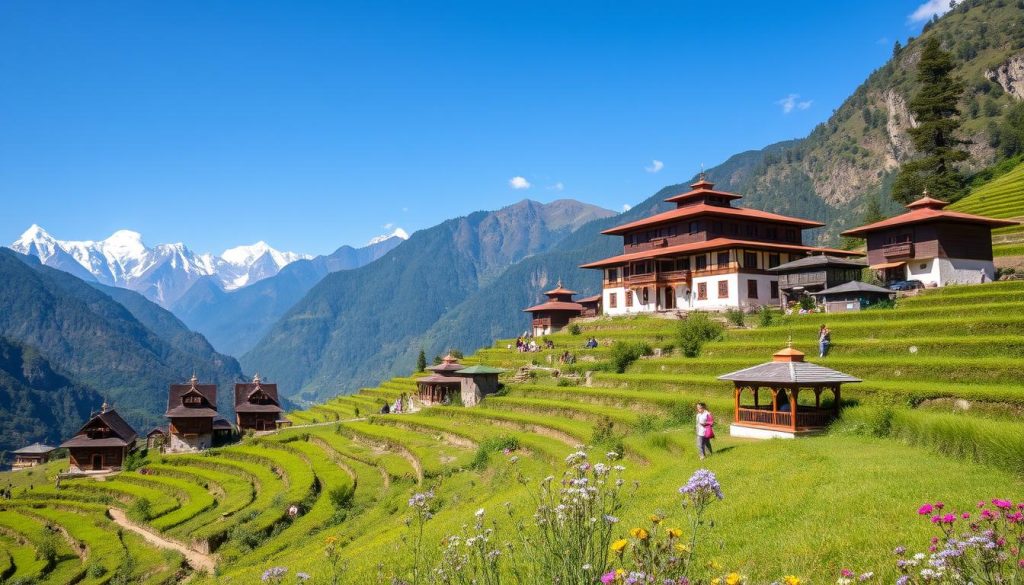
Exploring Haa Valley’s rich culture makes your trip more meaningful. It also helps the community come together. By getting involved, you learn about local customs and support efforts to keep them alive.
Participating in Local Festivals
Attending local festivals like the Haa Summer Festival is a great way to dive into Bhutanese traditions. You’ll see traditional sports, music, and dances. This lets you see the Haaps’ lively culture up close.
By joining in, you help the community and keep traditions alive. It’s a way to celebrate and preserve these important customs.
Learning About Bhutanese Traditions
Want to know more about Bhutanese traditions? Try workshops or guided tours. They show you the importance of local practices and crafts.
Meeting artisans and cultural keepers deepens your understanding. It also highlights the need for cultural preservation in Haa Valley. Your learning helps keep these traditions alive, making them a key part of the community’s identity.
Ethical Travel Experiences in Haa Valley
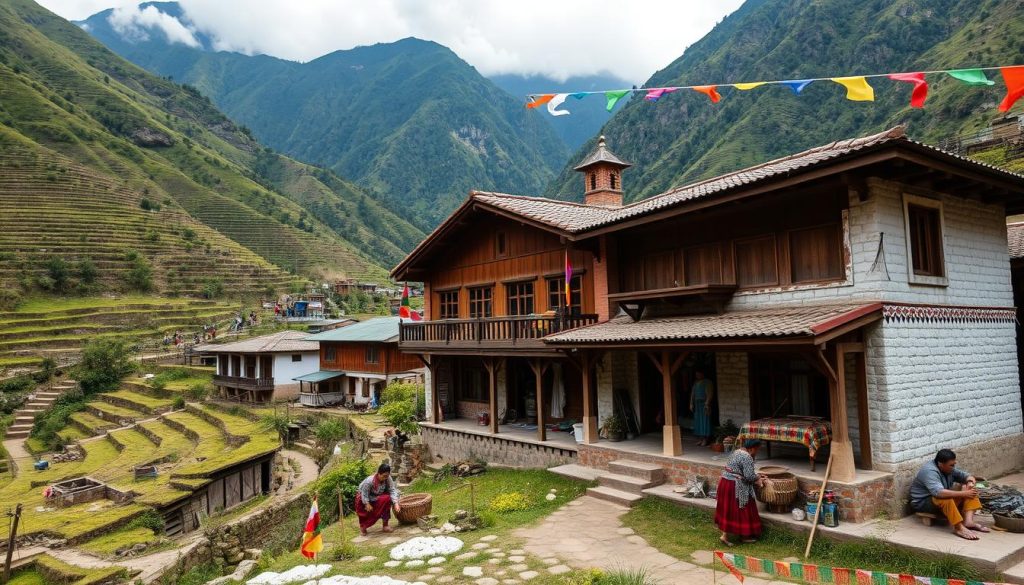
Visiting Haa Valley is a chance to travel ethically. It means choosing options that are good for the planet and help local people. Think about how your travel can make a positive difference.
Choosing Environmentally Friendly Activities
Doing activities that are good for the environment makes your trip better. It also helps protect Haa Valley’s nature. Here are some ideas:
- Take guided walks to see plants and animals without harming them.
- Eat at places that use local food to help farmers and cut down on waste.
- Go on tours that teach you about the culture and help protect the environment.
These choices show you care about traveling right. They help keep Haa Valley beautiful for everyone.
Minimizing Environmental Impact
Small changes can make a big difference in how you travel. Here are some tips:
- Use refillable water bottles and containers to avoid plastic.
- Stick to marked paths to keep nature safe.
- Keep a safe distance from animals to respect them.
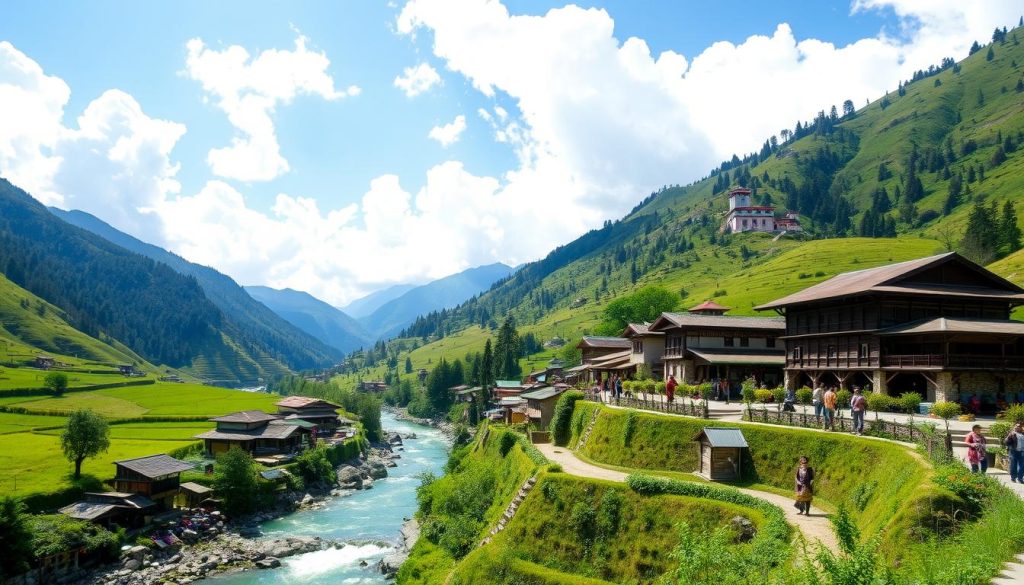
By following these tips, you can enjoy Haa Valley while being kind to the planet. Your trip will be fun and good for the environment.
| Activity | Environmental Benefits | Community Impact |
|---|---|---|
| Guided Nature Walks | Enhances local biodiversity awareness | Supports local guides |
| Sustainable Dining | Reduces food miles and waste | Provides income for local farmers |
| Responsible Sightseeing | Protects cultural sites | Encourages preservation of local traditions |
Delving into Bhutanese Cuisine: A Sustainable Choice
Exploring Bhutanese cuisine lets you see the value of sustainability and local culture. The core of Bhutanese cooking is using local ingredients from nearby farms. This makes your meal more than just food; it connects you to the community.
When you try dishes like Ema Datshi, you support Bhutan’s food traditions. It’s made with cheese and chilies from local farms. This way, you honor Bhutan’s culinary past and help local farmers.
The focus on fresh, seasonal food shows Bhutan’s commitment to sustainable eating. Choosing meals with local ingredients helps the environment and local economy. Enjoying traditional foods means you’re part of a culture that cares for the land and farmers.
Sharing a meal with locals at a communal table makes your trip better. You learn about the importance of each dish. It shows how Bhutanese food reflects the land and its people.
By doing this, you not only learn more but also support responsible tourism. Enjoying a hearty meal means you’re making a positive impact on the local community.

Conclusion
Exploring Haa Valley is a journey into sustainable travel. You get to see stunning landscapes and help local communities. By living with locals, joining community projects, and supporting local businesses, you make a difference.
This approach to travel not only enriches your experience but also protects the valley’s culture. It shows how sustainable tourism can boost the economy, bring people together, and save the environment. Your choices, like buying local crafts or trying local food, help preserve Haa Valley’s unique spirit.
Visiting Haa Valley is more than just seeing its beauty. It’s a chance to help a community that values sustainability. Your actions can ensure future generations enjoy the valley’s beauty. By choosing responsible travel, you help keep the environment healthy and thriving.