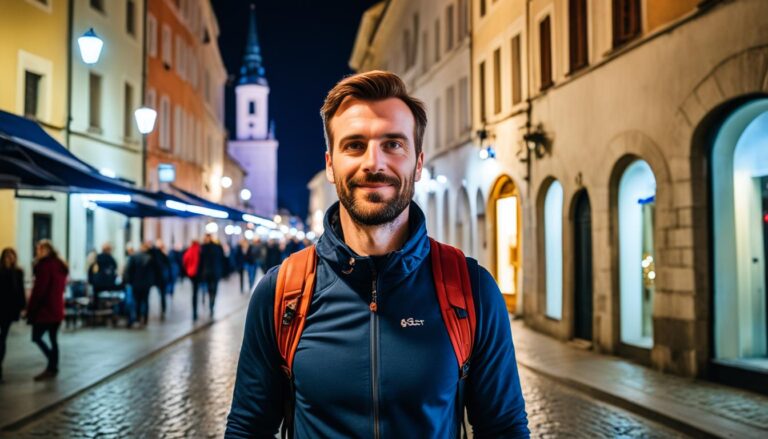
Is Travel in Cambodia’s Rural Areas Safe?
If you’re planning a trip to Cambodia’s rural areas, you may be wondering about the safety of your travels. Safety of travel in rural areas of Cambodia is an important concern, and it’s essential to take necessary precautions to ensure a secure and enjoyable trip. Whether you’re traveling for adventure or cultural immersion, understanding rural travel safety and travel safety in Cambodia is crucial.
Understanding the Rural Setting in Cambodia
Before embarking on your rural travel adventure in Cambodia, it is crucial to understand the unique characteristics of the rural setting in order to ensure your safety. The following are some important factors to consider:
Infrastructure
In rural areas of Cambodia, the infrastructure can be basic and often poorly maintained. Roads may be bumpy and unpaved, and bridges may be unstable. Before traveling, research the condition of the roads and bridges you will be using and plan accordingly.
Medical Facilities
Medical facilities in rural Cambodia may not be up to international standards, and emergency medical care may not be immediately available. Ensure that you have comprehensive travel insurance that covers medical emergencies and consider bringing along basic medical supplies such as a first aid kit.
Communication Networks
In rural areas, communication networks can be limited. Mobile phone coverage can be spotty, and internet access may be unreliable. Prepare to be disconnected for extended periods and plan accordingly.
By understanding the rural setting and the challenges it presents, you can take necessary precautions to ensure your safety and make the most of your rural travel experience in Cambodia.
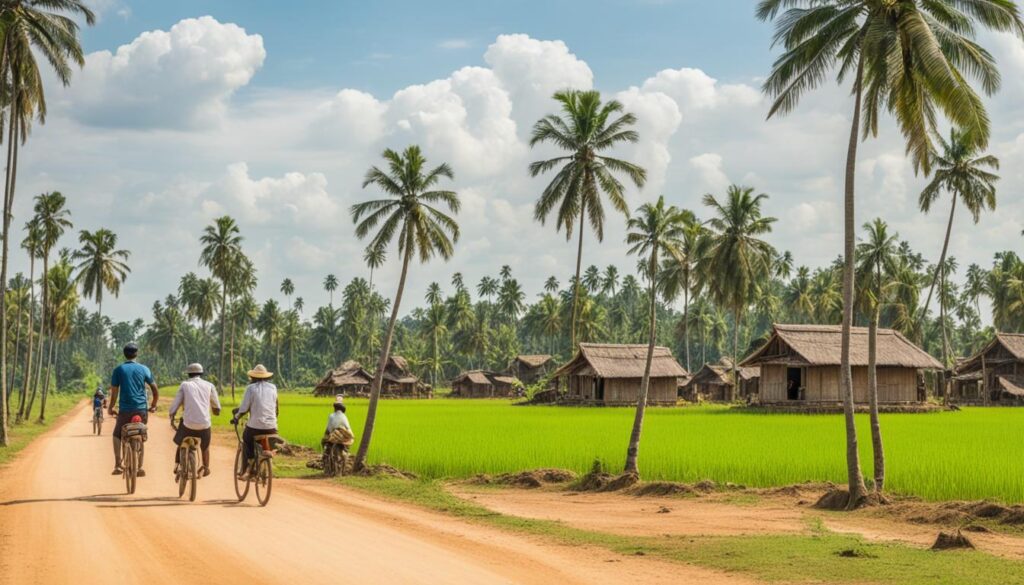
Researching Your Destination
Before traveling to rural Cambodia, it is essential to conduct proper research to ensure your safety during the trip. Gathering relevant information will help you avoid potential risks and stay prepared for any challenges that may arise.
To start, research the safety of the specific rural areas you plan to visit. Look for travel advisories, government warnings, and news articles about recent incidents. It can also be helpful to consult with other travelers who have been to the area recently or locals who are familiar with the region.
Additionally, explore the local customs and cultural norms of the area. Familiarizing yourself with these aspects can help you avoid unintentional disrespect or offense. Learning basic phrases in Khmer, the primary language spoken in Cambodia, can also help you communicate with locals and demonstrate respect for their culture.
Avoid carrying expensive-looking items that may attract unwanted attention. It is also important to research potential scams or theft activity and take measures to prevent these incidents.
In summary, thorough research is crucial to ensuring your safety while traveling in rural Cambodia. Gathering information about the safety of specific areas, local customs and cultural norms, and potential risks can help you stay prepared and avoid potential problems.
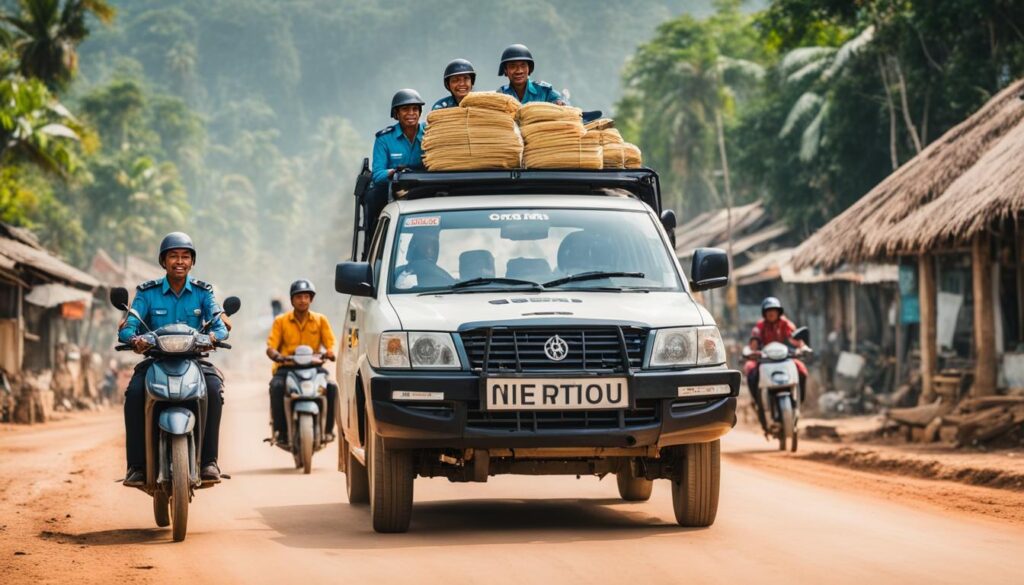
Hiring Local Guides
Exploring the rural areas of Cambodia can be an incredible adventure, but it’s important to prioritize your safety at all times. Hiring a local guide can be a great way to enhance your experience while also ensuring that you stay safe during your travels. Here are some tips to help you find a reliable and knowledgeable guide:
Research Local Companies and Reviews
Before hiring a guide, research local companies and read reviews to ensure that the guide is reputable and has a strong track record. This can help you avoid scams and ensure that you have a safe and enjoyable experience.
Look for Expertise and Knowledge
When looking for a guide, seek out individuals who are familiar with the area you plan to visit. They should have in-depth knowledge of the terrain, local customs, and potential risks. A good guide should also be able to recommend safe transportation options and be familiar with local safety protocols.
Check for Licenses and Experience
Ensure that your guide has the necessary licenses and experience to guide you through rural Cambodia safely. This includes having first aid training and experience navigating challenging terrains.
Communicate Clearly and Ask Questions
Communicate clearly with your guide about your travel plans and expectations, including your desired level of adventure and any specific safety concerns you have. Ask questions about their experience and training to ensure that you feel confident in their ability to keep you safe.
By hiring a local guide who has in-depth knowledge of the area, you can explore the rural areas of Cambodia safely and have an unforgettable experience.
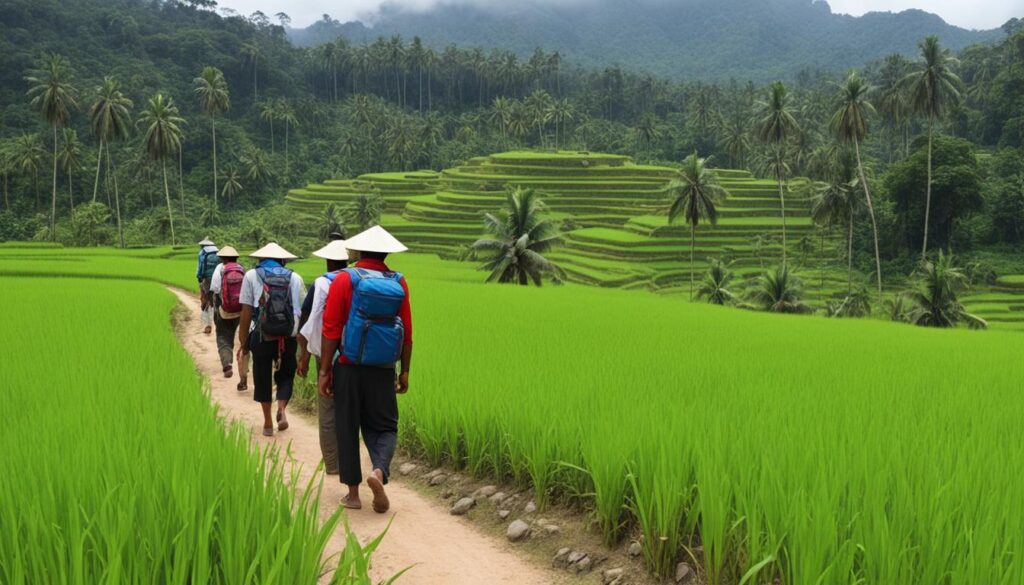
Transportation Safety
When traveling in rural areas of Cambodia, it’s essential to prioritize transportation safety. Here are some tips to help you travel safely:
- Use reputable transportation companies and avoid unlicensed or unauthorized vehicles.
- Ensure that drivers have the required licenses and certifications.
- Inspect vehicles for safety features such as seat belts, functioning headlights and taillights, and properly inflated tires.
- Don’t hesitate to ask the driver to slow down or adjust their driving behavior if you feel unsafe.
- When traveling by motorbike, ensure that you wear a helmet and other protective gear.
It’s also important to be aware of the road conditions and traffic laws in Cambodia. Rural areas may have poorly maintained roads and limited traffic signage. Stay alert and cautious while traveling, and don’t take unnecessary risks on the road.
Precautions for Night Travel
If you’re traveling by road at night, be extra vigilant. Low visibility and poorly lit roads can make it challenging to spot hazards on the road. Consider the following precautions:
- Avoid traveling alone at night.
- Stick to main roads and avoid shortcuts or unfamiliar routes.
- Ensure that the vehicle’s headlights and taillights are functioning correctly.
- Consider hiring a local driver who is familiar with the roads and driving conditions.
By taking these transportation safety precautions, you can minimize your risk of accidents and ensure a safe and enjoyable travel experience.
Health and Medical Considerations
When traveling in rural Cambodia, taking care of your health is essential to ensure a safe and enjoyable trip. It is advisable to visit a travel health specialist at least four to six weeks before your departure to assess your specific health risks and necessary vaccinations. Additionally, follow these rural Cambodia safety tips to stay healthy during your trip:
- Drink only purified water: Ensure you only consume bottled or boiled water. Avoid drinking tap water or using it to brush your teeth.
- Wash your hands: Regularly practice good hand hygiene by washing your hands with soap and water or using hand sanitizer.
- Protect yourself from mosquito bites: Use mosquito repellent, wear long-sleeved clothing and pants, and consider sleeping under a mosquito net.
- Care for your skin: Keep your skin covered from the sun’s harmful rays and use sunscreen with a high SPF to avoid getting sunburned.
In case of medical emergencies, medical facilities in rural areas of Cambodia might be limited. It is advisable to carry a well-stocked first-aid kit and any necessary prescription medication with you during your travels. Additionally, consider taking a basic medical course to learn more about emergency care. Finally, have travel insurance that covers medical emergencies in case of unexpected events.
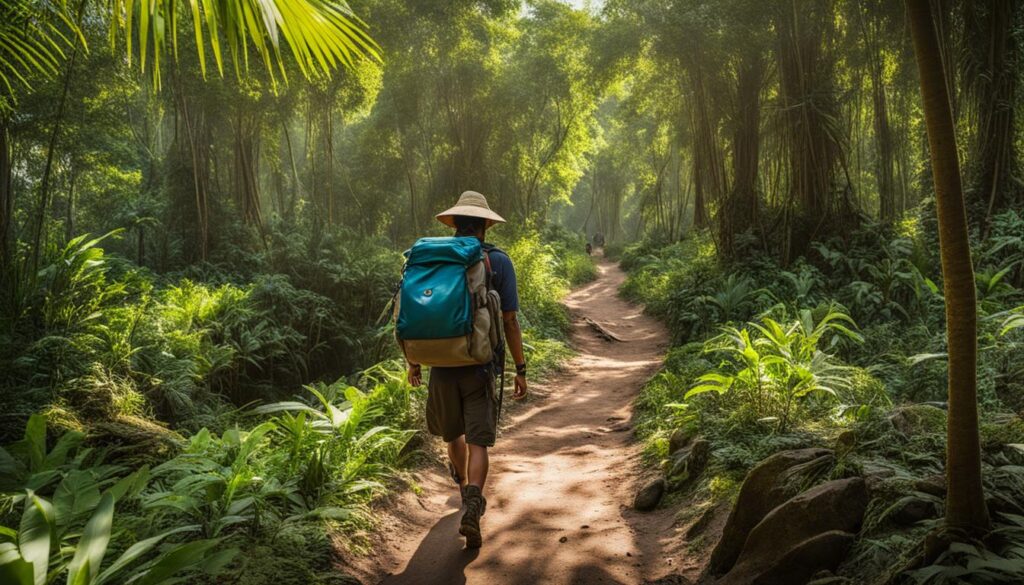
“Your health and safety are top priorities when traveling in rural Cambodia. Taking necessary precautions and carrying essential items can help ensure a healthy and stress-free trip.”
Communicating and Staying Connected
When traveling in rural areas of Cambodia, it’s important to have a plan for communication and staying connected with others. Internet access and mobile network coverage may not be reliable, so it’s crucial to have a backup plan in case of emergencies. Here are some tips for staying connected:
- Research Mobile Network Coverage: Before you go, research the mobile network coverage in the specific rural areas you plan to visit. Consider purchasing a local SIM card to ensure you have coverage in remote locations.
- Carry a Charger: Make sure to bring a portable phone charger as charging ports may not be available in remote areas.
- Bring a Satellite Phone: Consider bringing a satellite phone for emergency situations, especially if you plan to venture into extremely remote regions.
- Share Your Itinerary: Share your travel itinerary with a trusted friend or family member. This ensures that someone knows where you are and can quickly alert authorities in case of an emergency.
Having a communication plan in place and staying connected can greatly enhance your safety while traveling in rural Cambodia.
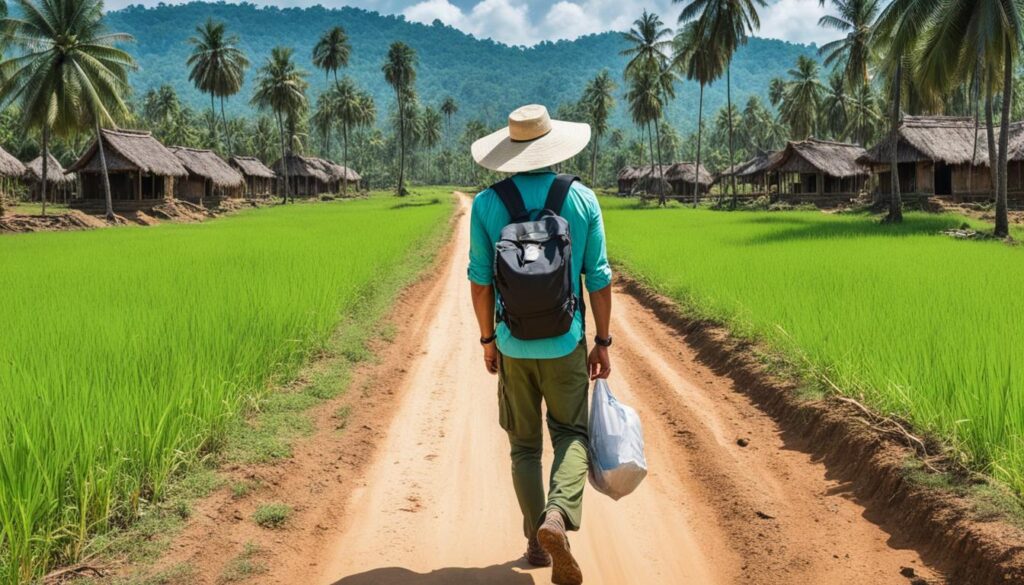
Safe Accommodation Options
One of the most crucial elements of staying safe while traveling in rural Cambodia is selecting safe accommodation options. Below are some factors to consider to ensure your safety:
- Security measures: Choose accommodation options with appropriate security measures such as CCTV cameras, secure entry points, and safes in rooms to keep your valuables safe.
- Reviews: Check reviews from trusted sources before choosing accommodation. Pay attention to comments about safety, cleanliness, and staff behavior.
- Reputable brands: Consider staying at reputable hotel chains and brands that have a proven track record of providing safe and secure accommodation.
- Location: Choose accommodation that is located in safe areas, away from high crime or high-risk zones.
Remember to book your accommodation in advance and have the details written down in case communication networks are unavailable.
“Your accommodation is your safe haven during your travels. Do your research and choose options that prioritize your safety and security.”
Respecting Local Customs and Culture
When traveling in rural Cambodia, it is crucial to respect local customs and culture to ensure your safety and build positive relationships with the communities you encounter. Here are some helpful tips:
- Research local customs: Take the time to learn about the local customs and cultural norms of the communities you plan to visit. This can help you avoid disrespectful behavior that could jeopardize your safety.
- Dress modestly: In Cambodia, it is customary to dress modestly, especially in religious sites and villages. Cover your shoulders and knees, and avoid wearing revealing clothing.
- Use appropriate gestures: Certain gestures and body language may be considered offensive in Cambodia. For example, avoid pointing at people with your feet and refrain from touching someone on the head.
- Be polite: Show respect to the locals by greeting them with a smile and using the proper titles, such as “Mr.” or “Ms.” Use “Som” when greeting someone older than you as a sign of respect. Avoid shouting or raising your voice, as this can be seen as confrontational.
- Try local food: Food is an important part of Cambodian culture, so be willing to try new things. Expect the food to be spicy and flavorful. If you have any dietary restrictions, communicate them politely and respectfully.
By respecting local customs and culture, you can make a positive impact during your rural travel in Cambodia while also ensuring your safety.
Conclusion
When planning your trip to rural Cambodia, it is important to prioritize your safety. By following the tips and guidelines outlined in this article, you can ensure a secure and enjoyable experience.
Remember to research your destination thoroughly, including local customs, cultural norms, and potential risks. Hiring local guides who have in-depth knowledge of the area can also greatly enhance your safety.
Additionally, prioritize transportation safety by choosing safe options and ensuring driver competence. Consider health and medical aspects, such as vaccinations and access to medical facilities, and stay connected with communication devices and emergency contact information.
Choosing safe accommodation and respecting local customs and culture are also integral to maintaining your safety and building positive relationships with the communities you encounter.
In summary, traveling in rural areas of Cambodia can be safe with proper precautions and preparation. By staying informed, being aware of your surroundings, and prioritizing your safety, you can have a successful and rewarding rural travel experience in Cambodia.
Keywords: Safety of travel in rural areas of Cambodia, rural Cambodia safety tips, travel safety in Cambodia, staying safe during rural travel in Cambodia