Explore Top Taiwanese Eats Beyond Beef Noodle Soup and Dumplings
When it comes to Taiwanese cuisine, beef noodle soup and dumplings come to mind for many. However, don’t let these popular favorites limit your gastronomic adventure in Taiwan. There’s so much more to explore beyond these dishes.
In this article, we’ll introduce you to the best authentic Taiwanese cuisine beyond beef noodle soup and dumplings. We’ll take you on a journey through traditional dishes, street food favorites, regional specialties, and innovative creations so that you can savor the full array of Taiwanese flavors.
Join us as we guide you through the top Taiwanese restaurants to try these dishes and more. Get ready to indulge in a culinary journey that will leave your taste buds satisfied and your soul fulfilled.
Traditional Taiwanese Cuisine: A Culinary Journey
To truly understand Taiwanese cuisine, you must embark on a culinary journey through its rich history and cultural influences. Taiwanese food culture is a unique blend of flavors and techniques from China, Japan, and indigenous Taiwanese cultures. At the heart of this culture is a love for traditional Taiwanese dishes that have been passed down from generation to generation.
One of the most distinctive features of Taiwanese cuisine is its use of local ingredients. From seafood to vegetables, Taiwanese chefs use the freshest, locally-sourced ingredients to create dishes that are not only delicious but also healthy and sustainable.
At the same time, Taiwanese cuisine is also rich in cultural significance. Many traditional Taiwanese dishes have unique origins and are steeped in symbolism. For example, the dish known as “Eight Treasure Rice” features eight different ingredients and is often served during Taiwanese weddings to symbolize good luck and prosperity for the couple.
Whether you’re dining in a top Taiwanese restaurant or enjoying street food in a bustling night market, the essence of Taiwanese food culture is present in every dish. So explore, savor, and enjoy the flavors and traditions of traditional Taiwanese cuisine.
Exploring the Flavors of Taiwanese Street Food
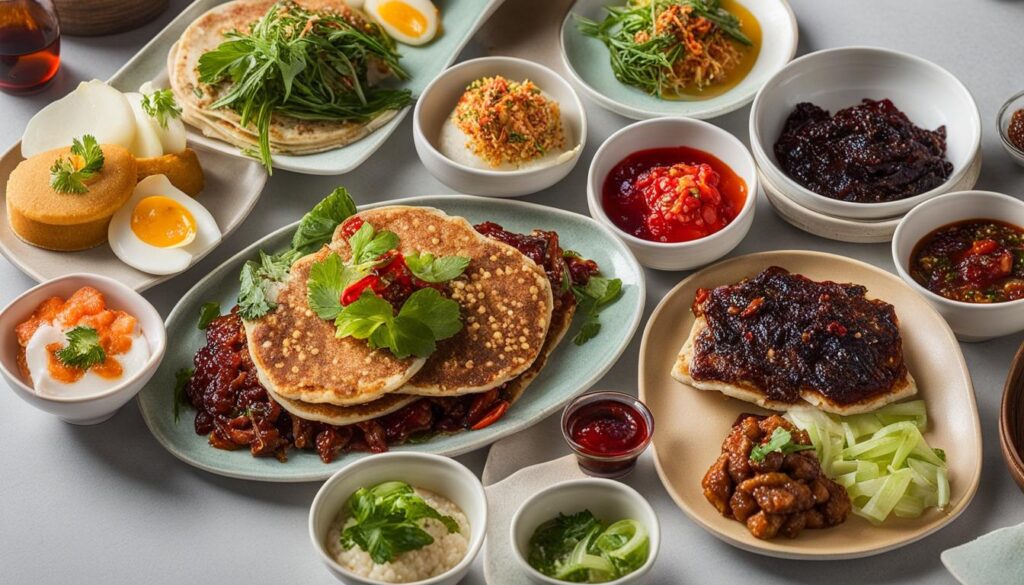
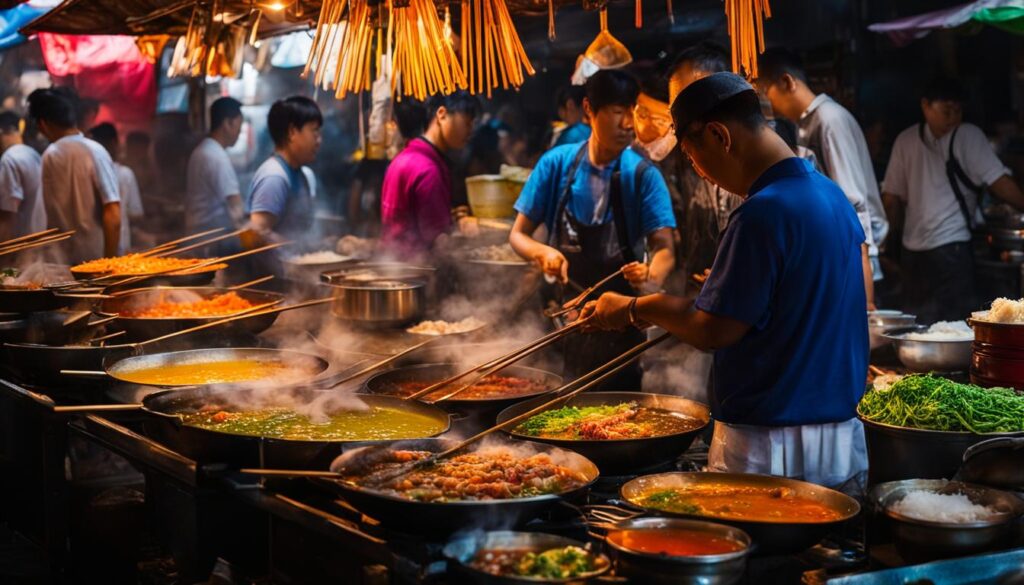
One of the best ways to experience Taiwanese food culture is through its street food. Taiwan’s vibrant night markets and bustling streets are filled with an extraordinary array of food stalls, each offering their unique flavors and textures.
Stinky tofu is a must-try, with its pungent aroma and crispy exterior, giving way to a soft, creamy texture inside. Another popular dish is oyster omelet, which combines juicy oysters with a crispy, savory egg batter. Taiwanese sausages, grilled to perfection and served on a stick, are also a crowd favorite.
For those with a sweet tooth, try a crispy, golden brown scallion pancake, filled with a variety of sweet or savory fillings, or a refreshing serving of shaved ice topped with fresh fruit and sweet syrup.
Don’t forget to wash it all down with a cup of bubble tea, a sweet and creamy tea-based drink with chewy tapioca pearls. Taiwanese street food is not just about satisfying your appetite, but also an opportunity to immerse yourself in the bustling energy and welcoming hospitality that is at the heart of Taiwanese food culture.
Top Must-Try Taiwanese Street Food Dishes
| Dish | Description |
|---|---|
| Stinky Tofu | A pungent fermented tofu with a crispy exterior and a soft, creamy center. |
| Oyster Omelet | Juicy oysters mixed with a savory egg batter and served crispy on the outside and soft on the inside. |
| Taiwanese Sausages | A juicy and flavorful sausage grilled to perfection and served on a stick. |
| Scallion Pancake | A crispy pancake filled with a variety of sweet or savory fillings. |
| Bubble Tea | A sweet and creamy tea-based drink with chewy tapioca pearls. |

Experience the unique and diverse flavors of Taiwanese street food and immerse yourself in the exciting energy of Taiwan’s culinary scene.
Savoring the Delights of Taiwanese Seafood
The island of Taiwan is bordered by the sea, making it a seafood paradise. From the freshest catches to traditional Taiwanese dishes, the seafood cuisine is a highlight of Taiwanese gastronomy.
Head to the coast to savor a variety of seafood dishes, such as the popular traditional dish of fish head soup. The flavorful soup is made by boiling the head of a fresh seafood fish and adding various herbs and spices. This dish is usually accompanied by rice or noodles, making it a filling dish to enjoy.
Another must-try seafood dish is oyster omelet, a staple of Taiwanese night markets. This crispy yet soft omelet features fresh oysters and is often served with a sweet and sour sauce.
Seafood hot pots are also a beloved dish in Taiwan and come in various styles, from spicy to mild. The dish typically features fresh seafood, tofu, and vegetables cooked in a flavorful broth.

Unveiling the Secrets of Taiwanese Night Market Cuisine
When it comes to popular Taiwanese dishes, the night markets are where it’s at. These bustling markets are a feast for the senses, with aromas of sizzling meats and exotic spices filling the air. But with so many vendors and dishes to choose from, it can be overwhelming to know where to begin.
Fret not, for we have scoured the markets to unveil some of the best street foods, snacks, and drinks that locals and tourists alike flock to. Some must-tries include:
| Food Item | Description |
|---|---|
| Oyster Omelet | This classic Taiwanese dish is made with flour, egg, and topped with succulent, plump oysters. Served with a sweet and savory sauce, this dish is a comfort food favorite. |
| Braised Pork Rice | A simple, yet flavorful dish, braised pork rice is made with tender, marinated pork belly served over a bed of fragrant rice. |
| Bubble Tea | The quintessential Taiwanese drink, bubble tea is a refreshing concoction made with tea, milk, and tapioca pearls. Variations include fruit flavors, matcha, and coffee. |
| Stinky Tofu | A pungent, fermented tofu that is crispy on the outside and soft on the inside. It’s an acquired taste, but a staple in Taiwanese street food culture. |
These dishes only scratch the surface of the incredible Taiwanese food culture that can be discovered in the night markets. Don’t be afraid to try something new and explore the vibrant world of Taiwanese cuisine.
The Art of Taiwanese Tea: Oolong and Beyond
Tea is an essential aspect of Taiwanese food culture, with oolong varieties being the celebrated tea of the land. For centuries, tea has been appreciated for its delicate flavors, exquisite aroma, and therapeutic benefits. In Taiwan, tea is not just a beverage; it holds deep cultural significance and is an integral part of social ceremonies and daily life.
Taiwanese tea is often grown in high altitudes and is hand-picked by experienced farmers, making it a labor-intensive and time-consuming process. The result is a superior quality tea that is flavorful and aromatic. The most famous tea-growing regions in Taiwan are Alishan, Lishan, and Shanlinxi, each producing teas with their unique terroir.
Tea Varieties
Taiwan produces a wide range of tea varieties, from delicate green teas to bold black teas. Here are some popular varieties:
- Oolong Tea: The most famous tea in Taiwan, Oolong tea has a complex flavor profile that ranges from floral to creamy to nutty. It is often served in a small teapot and enjoyed with small bite-sized snacks.
- Black Tea: Taiwan’s black tea is known for its rich and robust flavor profile, often with hints of cinnamon and honey. It is commonly enjoyed with milk and sugar.
- Green Tea: Taiwanese green tea has a light and refreshing taste and is high in antioxidants. It is often served in elegant glass teapots.
- Pouchong Tea: Pouchong tea has a delicate flavor profile, making it a popular choice among tea lovers who prefer lighter teas. It is often enjoyed with sweet desserts.
Brewing Techniques
The brewing of Taiwanese tea is an art form in itself. Here are some tips to brew the perfect cup of Taiwanese tea:
- Use high-quality loose teas. Taiwanese teas are often sold in tea shops, and it’s recommended to purchase them from a reputable source.
- Use the right temperature water for the tea variety. For example, oolong tea is best brewed at 195°F, while green tea is best brewed at 160°F.
- Use the right amount of tea leaves for each cup. A general rule is one teaspoon of leaves for every six ounces of water.
- Time your brew correctly. The optimal brewing time differs for each tea variety, but typically ranges from 1-3 minutes.
- Enjoy your tea in a small teacup, savoring the flavors and aroma slowly.
Tea-Infused Dishes
Taiwanese cuisine incorporates tea into many dishes, adding depth and complexity of flavor. Here are some popular Taiwanese tea-infused dishes:
| Dish | Description | Tea Variety |
|---|---|---|
| Tie Guan Yin Chicken | Chicken marinated in Tie Guan Yin tea before being cooked and served with vegetables | Tie Guan Yin Oolong tea |
| Oolong Tea Eggs | Boiled eggs steeped in a mixture of soy sauce, spices, and oolong tea | Oolong tea |
| Longan Oolong Tea Jelly | A sweet jelly dessert made with longan fruit and oolong tea | Oolong tea |
Embark on a journey through the world of Taiwanese tea culture and immerse yourself in the essence of traditional Taiwanese dishes.
A Vegetarian’s Guide to Taiwanese Delights
Are you a vegetarian? Taiwan has got your back! Famously known for its vibrant culinary culture, Taiwan is also famous for its vegetarian options. You can indulge in a variety of meatless dishes that showcase the flavors of fresh seasonal vegetables, tofu, and vegetarian proteins.
Some of the most popular Taiwanese vegetarian dishes include:
| Dish | Description |
|---|---|
| Three-cup Tofu | A savory dish made with fried tofu, garlic, basil, and soy sauce made in three equal proportions- soy sauce, sesame oil, and rice wine. |
| Braised Shiitake Mushrooms | Tender shiitake mushrooms stewed in a flavorful soy sauce-based broth. |
| Buddhist Noodles | A simple and comforting dish made with wheat noodles in a light broth with vegetables and tofu. |
| Stir-fried Taiwanese Water Spinach | A nutritious and flavorful dish made with a leafy green vegetable called water spinach, stir-fried with garlic and soy sauce. |
| Taro Balls | A sweet dessert made with taro root, sweet potato, and glutinous rice flour, shaped into small balls and boiled in hot water, served with sweet peanut powder. |
Vegetarians can savor the taste of traditional Taiwanese dishes without compromising on flavor, as many classics can be customized to exclude meat and include plant-based ingredients. Taiwanese night markets also offer several vegetarian options, including fruit, grilled corn, and bubble tea.
You do not have to be a strict vegetarian to enjoy the delights of vegetarian Taiwanese cuisine. With an abundance of flavorful and satisfying meatless options, Taiwanese cuisine has something for everyone.
Exploring the Regional Cuisines of Taiwan
Taiwan’s rich and diverse culinary tradition is not limited to its capital, Taipei. Each region of the island boasts its own unique flavors and specialties, offering a glimpse into the diverse cultural tapestry of the nation. From the Hakka cuisine in the north to the seafood-centric dishes of the south, embarking on a tasting tour is an excellent way to explore Taiwan’s regional cuisines.
The east coast of Taiwan is renowned for its indigenous cuisine, featuring dishes made with local ingredients like wild vegetables, game meat, and mountainous rice varieties. In contrast, the west coast is a hub of agricultural production, resulting in mouth-watering fruit-based dishes and soy sauce-infused delicacies.
One of the must-visit cities to explore Taiwan’s regional cuisines is Taichung, in the central part of the island, offering a plethora of local food markets and restaurants. There you can find iconic dishes such as sun cake, a flaky pastry filled with maltose, and taro balls, a sweet dessert made with mashed taro and served with syrup and chewy rice balls.
Whether you’re a food lover or a traveler seeking new cultural experiences, exploring Taiwan’s regional cuisines is a journey that you won’t want to miss.
Immersive Taiwanese Food Experiences: Cooking Classes and Food Tours
Ready to take your love for Taiwanese cuisine to the next level? Join a cooking class or food tour in Taiwan to gain a deeper understanding of the country’s food culture and history. These experiences provide a hands-on opportunity to connect with locals, learn new cooking methods, and savor unique flavors.
Discover the top Taiwanese restaurants that offer exceptional dining experiences and culinary insights. From famous Michelin-starred restaurants to small family-run eateries, these places will elevate your love for Taiwanese cuisine.
Taiwanese Food Guide
| Restaurant Name | Cuisine Specialty | Location |
|---|---|---|
| Din Tai Fung | Xiaolongbao (soup dumplings) | Taipei |
| Shilin Night Market | Assorted street food | Taipei |
| Ningxia Night Market | Mushroom pork ribs soup | Taipei |
| Ming Yuan Beef Noodle | Beef noodle soup | Taichung |
| Le Palais | Fine-dining Chinese cuisine | Taipei |
For a more guided experience, food tours led by local experts can take you on culinary adventures through street markets, hidden alleys, and lesser-known restaurants. These tours offer a chance to see and taste the best of Taiwanese cuisine through the eyes of a local guide.
Take your love for Taiwanese cuisine to a new level by immersing yourself in the country’s food culture. Whether you choose to join a cooking class or food tour, or discover the top Taiwanese restaurants, you’re sure to fall deeper in love with the unique flavors and traditions of Taiwan’s cuisine.
Modern Innovations in Taiwanese Cuisine
While Taiwanese cuisine holds onto its traditional roots, many chefs and restaurateurs are pushing the boundaries and finding ways to modernize classic dishes.
If you’re looking to explore the more creative side of Taiwanese cuisine, check out some of the top Taiwanese restaurants that are making waves in the industry:
| Restaurant | Location | Signature Dish |
|---|---|---|
| Peng’s Kitchen | Taichung | Black Truffle Scrambled Eggs |
| Fujin Tree 353 | Taipei | Matcha Risotto with Shrimp |
| River Cafe* | Tainan | Crab Souffle |
*Note: The River Cafe is temporarily closed due to the Covid-19 pandemic.
Not only are these restaurants putting unique twists on Taiwanese cuisine, they’re also highlighting the high quality of local ingredients and produce.
If you’re feeling inspired to try your hand at modernizing Taiwanese dishes, we’ve got you covered with some exciting Taiwanese food recipes:
- Char Siu Pork Belly Sliders with Taiwanese Pickles
- Pan-Fried Buns with Spicy Beef and Scallions
- Taiwanese Shaved Snow with Mango and Condensed Milk
Navigating Taiwanese Food Etiquette and Customs
When enjoying traditional Taiwanese cuisine, it’s essential to understand the proper etiquette and cultural customs that surround dining. Taiwanese food culture places great significance on the sharing of meals and showing respect to others at the table.
One of the first customs to note is the practice of leaving a small amount of food on your plate to signify that you have had enough. It is also customary to wait for the host or eldest guest to initiate the meal and begin eating. When serving rice or other dishes, it’s polite to take just enough for yourself and leave some for others.
It’s also important to know the proper use of chopsticks. When not in use, chopsticks should be rested on the chopstick rest or on the edge of the plate, never sticking up in the food. Avoid waving or pointing chopsticks at others or using them to spear food. When serving others, use the serving utensils provided to select and distribute food.
If you’re unsure about proper etiquette, don’t be afraid to ask your Taiwanese dining companions for guidance. They will appreciate your efforts to learn and respect their customs.
Lastly, it’s essential to show gratitude for the meal and hospitality you receive. Saying “thank you” or “xièxie” is customary and appreciated. You may also consider bringing a small gift or treat to express your appreciation.
“Good things come in pairs” – Taiwanese Proverb
A notable custom in Taiwanese food culture is the sharing of dishes among the table. This practice is rooted in traditional Chinese beliefs that sharing food creates a bond between people and brings good fortune. Taiwanese dining is often served family-style, with multiple dishes placed in the center of the table for everyone to share.
It’s common to order several dishes to share among the table, and it’s not considered rude to reach across the table for food. In fact, it’s seen as a friendly gesture to pass dishes and serve others before serving oneself.
Table Manners to Keep in Mind:
| Custom | Explanation |
|---|---|
| Do not slurp noodles | Slurping noodles is considered impolite in Taiwanese food culture, unlike other Asian cultures where it may be encouraged. |
| Do not stick chopsticks vertically in rice | Sticking chopsticks vertically in rice is seen as a sign of death and is considered a taboo in Taiwanese culture. |
| Do not leave a bowl empty | Leaving a bowl empty implies that you have not had enough to eat, and it may offend the host. |
| Use serving utensils, not personal chopsticks | Using personal chopsticks to serve food is considered unsanitary and disrespectful. |
By demonstrating a willingness to understand and respect Taiwanese food etiquette and customs, you will elevate your dining experience and show appreciation for the culture and cuisine.
Conclusion
Congratulations on completing your gastronomic journey through the vibrant world of Taiwanese cuisine. We hope that you have discovered new flavors and dishes beyond the iconic beef noodle soup and dumplings. Remember to explore traditional Taiwanese dishes and the top restaurants to try them in, as well as the flavors of Taiwanese street food, seafood, and night market cuisine. Don’t forget to indulge in the art of Taiwanese tea and immerse yourself in regional cuisines. For those seeking an immersive food experience, consider taking cooking classes and food tours. And lastly, be sure to navigate Taiwanese food etiquette and customs to ensure a respectful and enjoyable dining experience. Embrace the authentic Taiwanese cuisine, and let it transport you to a world of extraordinary flavors and cultural experiences.