Explore Multan: Top 10 Things to Do in the City
Have you ever thought about the mysteries inside Multan’s ancient walls? This city has a history spanning over 5,000 years. Known as the “City of Saints,” Multan draws people from all corners of the world. Our *Multan travel guide* will show you the top 10 things to do here. You’ll see everything from huge tombs to lively markets. Each place you see is an important part of what makes Multan special.
Get ready to dive into Multan’s deep traditions. You’ll find amazing experiences that will give you memories to cherish forever.
Discover the Rich History of Multan
Multan’s history goes back over 5,000 years. It’s among the oldest cities that are still inhabited today. It has seen many empires come and go. This has deeply influenced Multan’s culture, echoing tales of its dynamic past.
A City Steeped in Ancient Legends
Multan is full of legends tied to ancient times. One famous story tells of Alexander the Great passing through, leaving marks of the city’s global connections. As you walk the old city’s lanes, these stories come to life through its buildings and spaces.
This shows Multan as a cultural gem. Highlights like the Tomb of Shah Rukn-e-Alam, from the 1300s, display the era’s art. They also emphasize the role of Sufism here.
Influence of Sufism on Multan’s Culture
Sufism deeply affects Multan’s culture, drawing in pilgrims. The city is dotted with shrines to honored saints. This shows how spirituality is woven into the city’s life.
Multan’s culture shines with Sufi ideas of peace, love, and tolerance. The blend of culture and spirituality invites you to explore Multan’s rich history and soul.
Visit the Iconic Shah Rukn-e-Alam Tomb
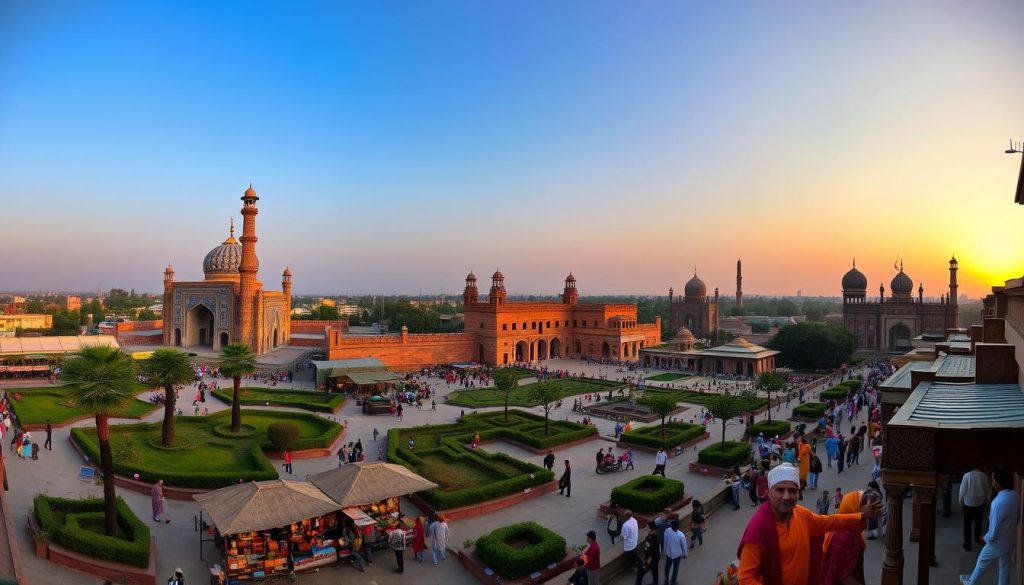
The Shah Rukn-e-Alam Tomb is a stunning example of Tughlaq era architecture. It’s one of the standout sights in Multan. Built in the 14th century, the mausoleum’s beautiful tile work and geometric designs are breathtaking. It has a dome that draws everyone’s attention. This monument is more than history; it’s also a spiritual hub that draws both tourists and devotees.
Architectural Marvel of Tughlaq Era
The Shah Rukn-e-Alam Tomb’s design shows the Tughlaq period’s distinctive architecture. It stands tall with beautiful frescoes and blue and white tiles. This tomb has inspired many others in South Asia. It showcases Multan’s rich culture and history.
Experiencing the Urs Festival
Every year, the Shah Rukn-e-Alam Tomb is at the heart of the Urs Festival. Thousands come to remember the saint’s life. The festival is full of music, dance, and traditional rituals. It lets visitors dive into the area’s spiritual traditions. Experiencing the Urs Festival there connects you with Multan’s cultural practices.
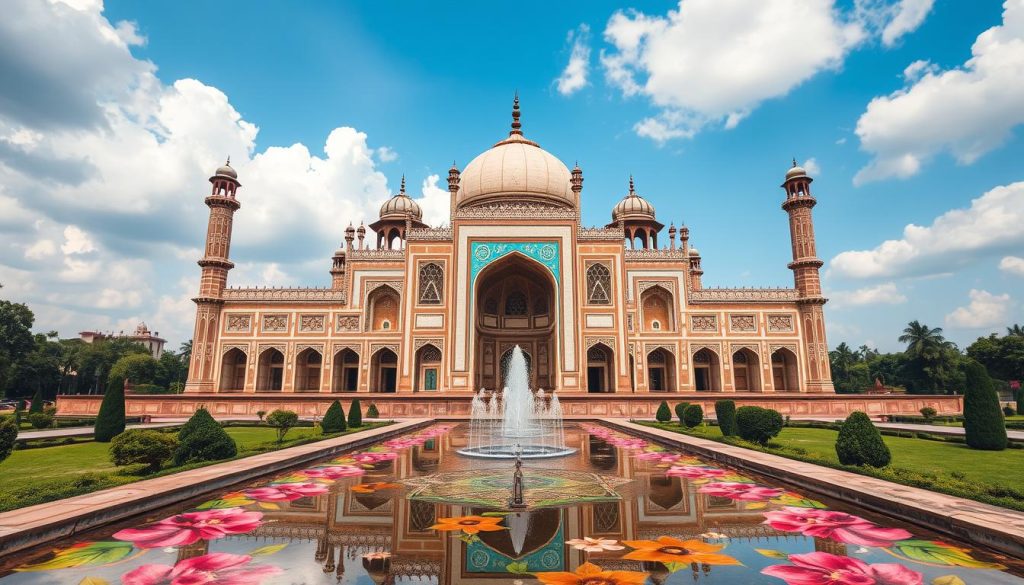
Explore the Shrine of Bahauddin Zakariya
The Bahauddin Zakariya Shrine stands as a remarkable testament to Sufi heritage and architectural wonders in Multan. Built in the 13th century, it attracts pilgrims and history buffs alike. They come to soak in its spiritual atmosphere and admire its design. The mausoleum is known for its vibrant brickwork and exquisite blue tiles, offering a feast for the eyes.
A Spiritual and Architectural Gem
As you get closer to the shrine, its stunning façade grabs your attention. The craftsmanship showcases the rich Islamic artistic tradition. Inside the shrine, visitors find a deep peace, perfect for reflection. The nearby communal kitchen (langar) fosters a sense of community among visitors through charity acts.
Cultural Significance and Annual Pilgrimages
The annual Urs festival at the Bahauddin Zakariya Shrine is a highlight in the cultural calendar. It honors the death anniversary of the Sufi saint, drawing thousands from far and wide. At the festival, visitors enjoy qawwali performances and the vibrant local markets. These markets offer beautiful Multani crafts, like blue pottery and embroidered textiles.
Trying out traditional Multani cuisine is a must for a complete cultural experience. The shrine sometimes hosts evening light and sound shows that tell the history of Multan and Bahauddin Zakariya. Visitors can also try hands-on workshops in calligraphy and pottery, adding to the rich experience.
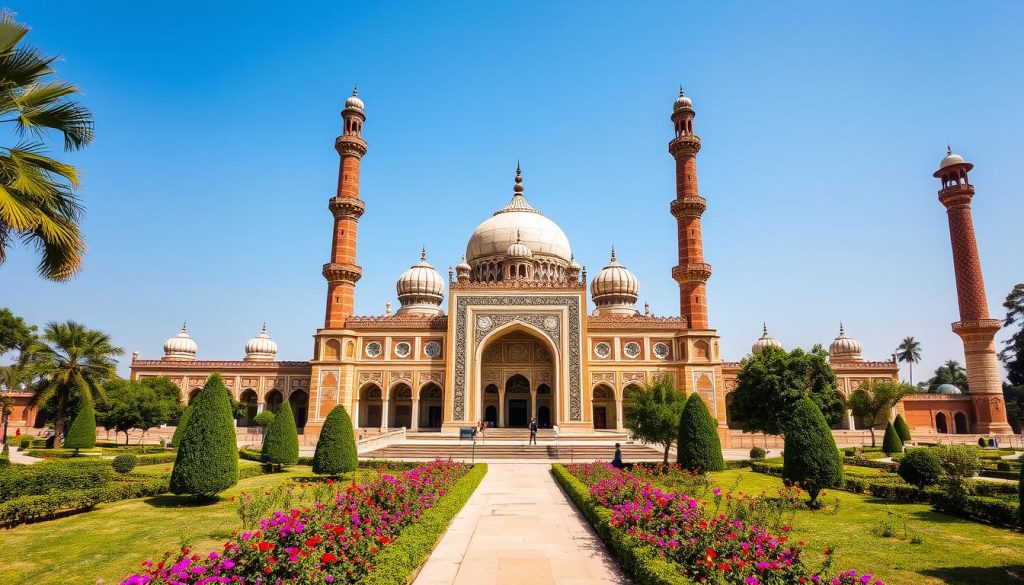
Top 10 Things to Do in Multan
Multan, known as the “City of Saints,” has a rich culture with many Multan attractions. It’s home to about 1.87 million people and spans 721 square kilometers. This lively city is full of Multan activities for everyone. Here are the top ten experiences you shouldn’t miss.
- Explore the Shah Rukn-e-Alam Tomb – This landmark is a masterpiece of architecture and holds spiritual value.
- Visit the Shrine of Bahauddin Zakariya – It’s a place of worship with stunning art and deep history.
- Walk Around Multan Fort – A significant site that tells stories of past wars and resilience.
- Relax at Yadgar-e-Shuhada Park – A calm area honoring martyrs. It’s great for family time and relaxation.
- Shop at Ghanta Ghar (Clock Tower) – Dive into local culture with lively markets, authentic crafts, and artisans.
- Enjoy Chenab Park – Offers fun activities like fishing, camel rides, and boating in a scenic setting.
- Stroll Through Old Multan – Discover narrow streets rich in culture, architecture, and tasty street food.
- Visit Qasim Lake – A peaceful place for boating and evening walks, perfect for unwinding.
- Explore Ibn e Qasim Bagh Garden – Enjoy beautiful nature and history of the old Qasim Fort.
- Sample Local Cuisine – Try the famous Multani Sohn Halwa dessert and other local dishes.
These activities make sightseeing in Multan varied and interesting. The best time for exploration is from October to March, when the weather is pleasant. Prepare for an exciting journey through Multan’s magical streets!
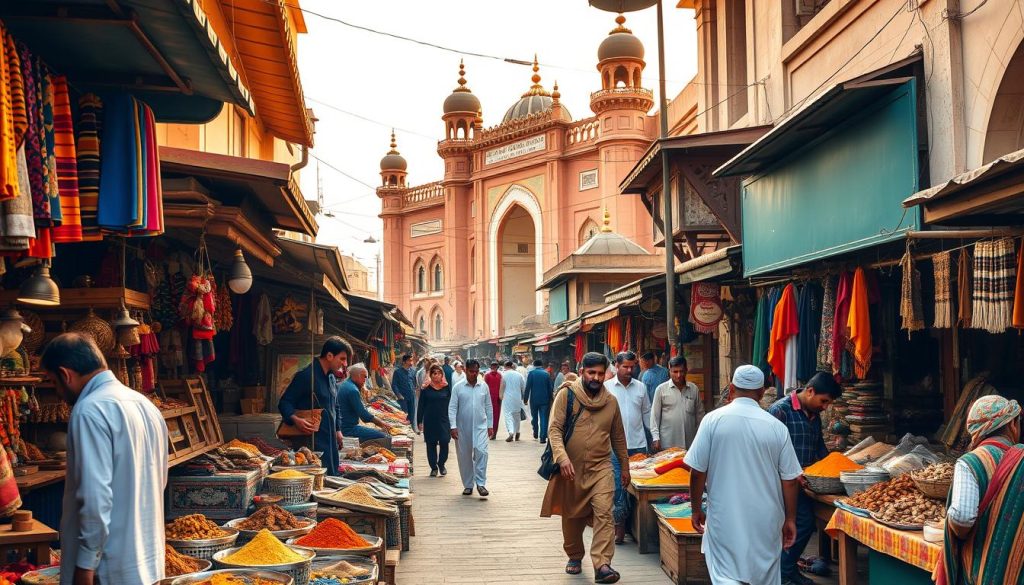
| Activity | Highlights | Best Time to Visit |
|---|---|---|
| Shah Rukn-e-Alam Tomb | Architectural marvel | October to March |
| Shrine of Bahauddin Zakariya | Spiritual site | October to March |
| Multan Fort | Historic significance | October to March |
| Yadgar-e-Shuhada Park | Family-friendly atmosphere | October to March |
| Ghanta Ghar (Clock Tower) | Local bazaars | October to March |
| Chenab Park | Outdoor activities | October to March |
| Old Multan Streets | Cultural exploration | October to March |
| Qasim Lake | Boating and walks | October to March |
| Ibn e Qasim Bagh | Beautiful gardens | October to March |
| Local Cuisine | Multani Sohn Halwa | October to March |
Step Inside the Impressive Multan Fort
Multan Fort is a key landmark that shows Multan’s rich history and culture. Some think it was built when Alexander the Great reigned. It got bigger thanks to rulers like those from the Delhi Sultanate and the Mughals. Now, it’s a major historic spot in Pakistan. It draws people who want to see its long history.
Historical Importance and Architectural Features
The architecture of Multan Fort is amazing. It has huge walls and detailed designs from many historic periods. Efforts to save the fort’s artwork are ongoing. They make it better for visitors. Tours tell of its deep history, local tales, and secrets like hidden tunnels. There are secrets and believed treasures too. The views and carvings are perfect for photos.
Cultural Events at the Fort
Multan Fort is more than an old site. It’s a lively place for cultural events and activities. It’s in central Multan, easy to get to. Events happen all year, connecting people to Multan’s culture. Visiting from October to March is best. This time offers a nice weather for exploration. Remember to follow local customs and listen to guides.
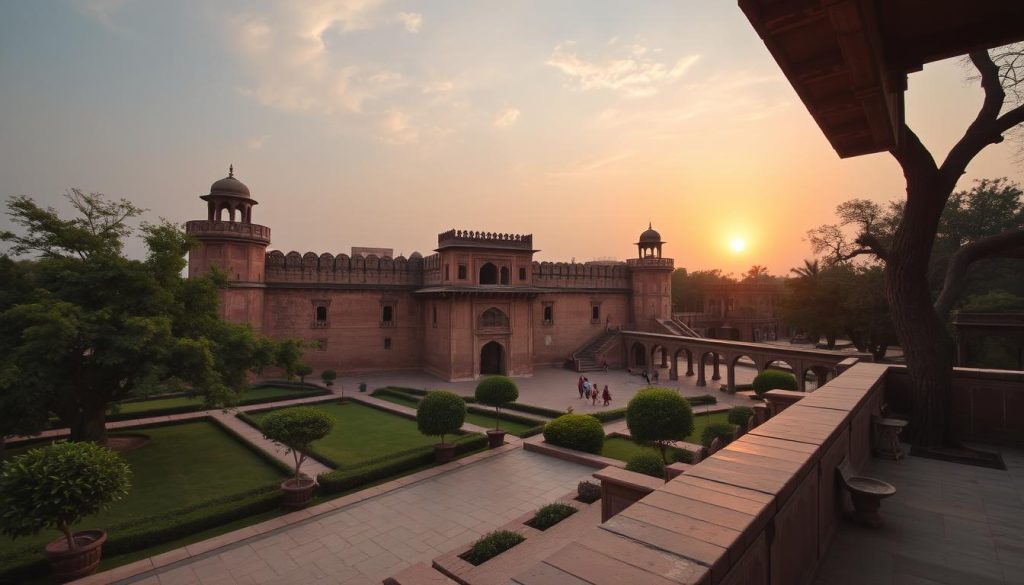
| Feature | Details |
|---|---|
| Constructed | Believed to be built during Alexander the Great’s reign |
| Historical Expansions | Delhi Sultanate, Mughals, and British |
| Number of Historical Places in Multan | 43 |
| Photography | Ornate carvings and vibrant colors ideal for photography enthusiasts |
| Recommended Visiting Time | October to March |
| Entry Fee | Nominal fee for maintenance of the fort |
Unwind at Yadgar-e-Shuhada Park
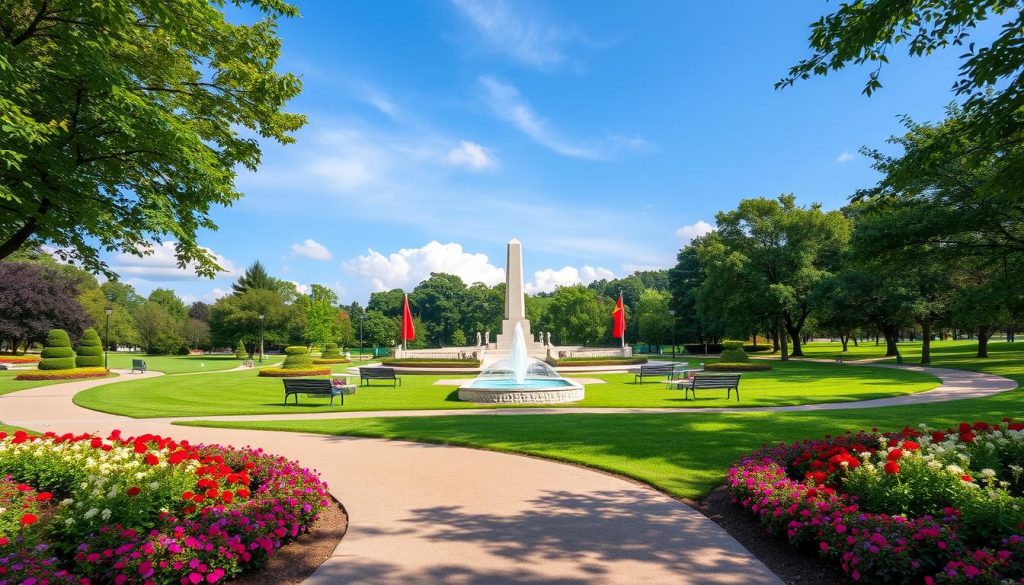
Don’t leave Multan without seeing Yadgar-e-Shuhada Park. It’s a peaceful spot, honoring Pakistan’s martyrs. It perfectly mixes remembrance with fun for families, making it a great place for everyone to visit.
Memorial to Martyrs of Pakistan
Yadgar-e-Shuhada Park stands as a tribute to heroes who gave their lives for the nation. Its beautiful designs and gardens offer a quiet place for reflection. Walking its paths, you feel the deep meaning of the memorial, keeping heroes’ memories alive.
Family-Friendly Atmosphere and Activities
This park is a hit for families and tourists alike. Everyone can enjoy things like:
- Picnicking on the green grass
- Trying out local foods at stalls
- Getting active with jogging and cycling
Its well-designed space is perfect for gatherings. It keeps Yadgar-e-Shuhada Park as a top choice in Multan for fun and peace.
Shop at the Ghanta Ghar (Clock Tower)
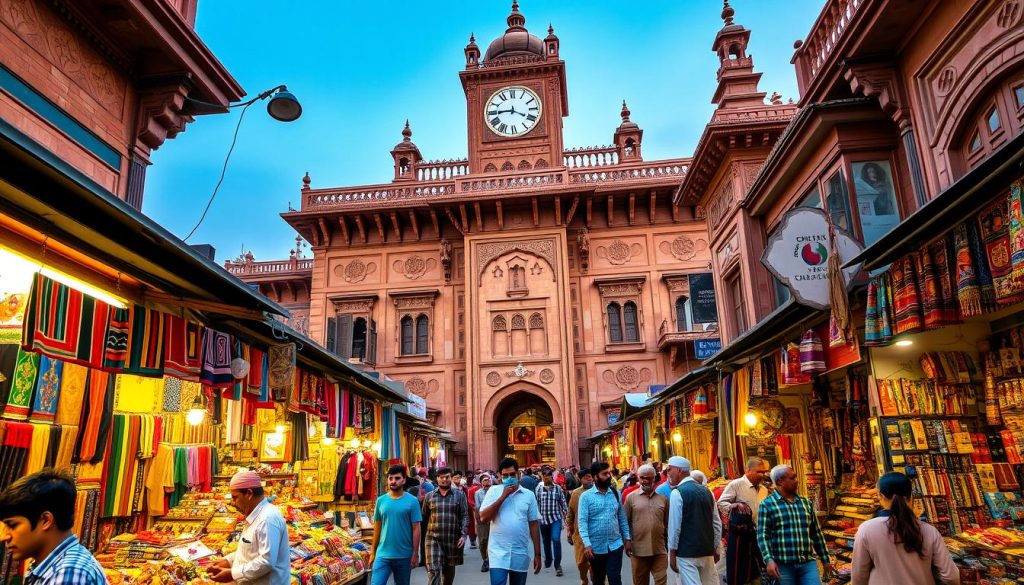
The Ghanta Ghar, or Clock Tower, is a major landmark in Multan. Built in 1884 during the British rule, it’s both a stunning architectural piece and a key shopping area in Multan. This historical building was finished in 1888. It blends Mughal and British styles, drawing tourists and locals.
Historical Significance of Ghanta Ghar
The Ghanta Ghar is a symbol of Multan’s history. First called after its clock, it was renamed ‘Jinnah Hall’ in 1947, after independence. The clock keeps time well, highlighting ongoing efforts to keep the tower original. More than just a clock, it captures Multan’s rich past and identity.
The Bustling Bazaar Experience
Around Ghanta Ghar sit Multan’s vibrant local bazaars, like Multan Bazaar, Hussain Agahi, and Chowk Bazaar. They offer everything from beautiful textiles to delicious “Mutton Pulao” and “Sohan Halwa.” Shopping here, you dive into Multan’s rich culture and heritage.
October to March is best for visiting, thanks to cooler weather. During Basant and Eid, the area buzzes with life. A trip isn’t complete without trying local food and meeting the friendly vendors.
| Local Bazaar | Specialties |
|---|---|
| Multan Bazaar | Embroidery & Handicrafts |
| Hussain Agahi | Textiles & Clothing |
| Chowk Bazaar | Food & Sweets |
| Lohari Gate | Local Crafts |
| Bohar Gate | Traditional Jewelry |
| Katchery Bazaar | Food Stalls & Snacks |
Experience the Serenity of Damdama Hazrat Muhammad Zakariya (Bosan) Lake
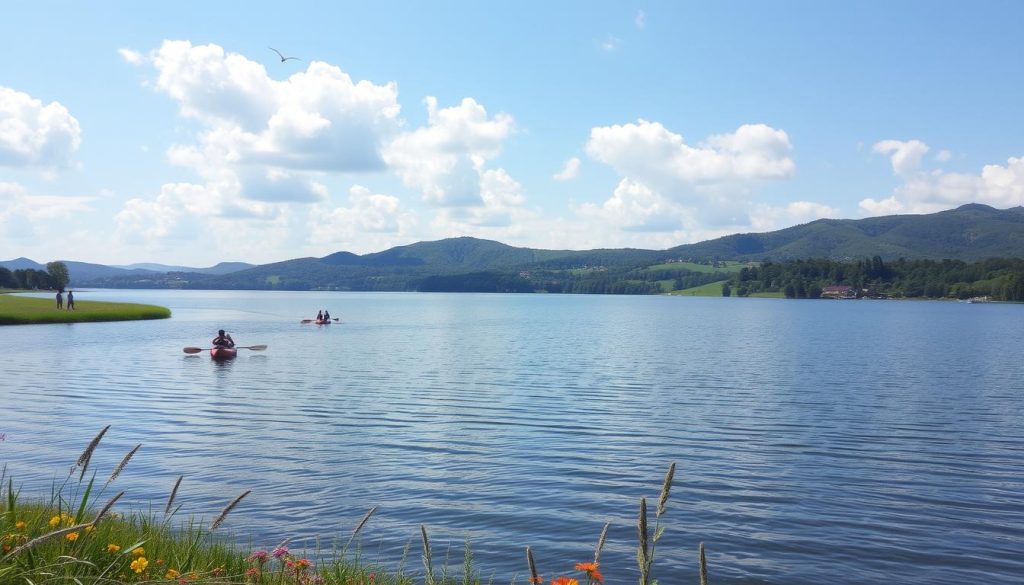
Bosan Lake, also known as Damdama Hazrat Muhammad Zakariya Lake, is a peaceful spot. It’s nestled in stunning landscapes in Multan. A perfect place for those looking to relax and explore nature.
The lake is more than just a beautiful view. It’s a center for various outdoor activities. These activities help visitors connect with the scenic beauty around them.
Water Activities and Natural Beauty
The calm waters of Bosan Lake offer exciting water activities like:
- Boating
- Fishing
- Bird watching
Here, visitors can enjoy the fresh air and beautiful views. It makes for a true nature connection. The lake is also part of ecological conservation efforts. With its diverse plant and animal life, it adds to the natural charm of the area.
Whether you’re planning a weekend or a day out, Bosan Lake is your go-to. It offers a refreshing break with lots of thrilling activities in Multan.
Visit the Multan Museum
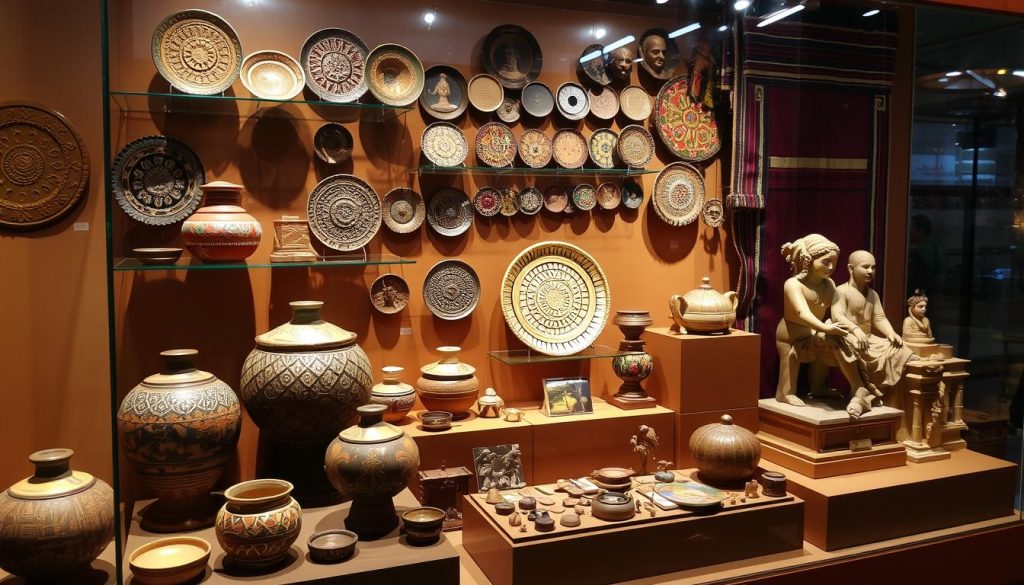
The Multan Museum is key in showcasing the region’s rich cultural heritage. It stands out by highlighting the area’s history and its commitment to preservation. As you walk through, you’ll find a fascinating array of cultural artifacts. These pieces share the tales of people and pivotal events that shaped this lively city.
Exhibits Showcasing Multan’s Heritage
Inside the Multan Museum, a wide range of artifacts from various eras awaits. On your visit, you can look forward to seeing:
- Ancient pottery that reflects the craftsmanship of bygone eras.
- Intricate jewelry showcasing the artistic skills prevalent in the region.
- Historical documents that provide insights into the governance and cultural practices of Multan.
Historical Artifacts and Cultural Insights
Each artifact at the Multan Museum has a unique story. They connect visitors to Multan’s rich past. The exhibits offer a chance to learn about:
- The evolution of trade and lifestyle in the area through centuries.
- The impact of various civilizations on Multan’s development.
- The tradition of craftsmanship that still thrives today, evident in local bazaars.
Visiting the Multan Museum not only broadens your knowledge of Multan’s history. It also provides a peek into the area’s vibrant cultural scene. For anyone eager to delve into Multan’s essence, this museum is a must-visit.
Conclusion
Your journey to Multan will reveal a world of deep history, colorful culture, and amazing sites that make this city special. You’ll marvel at the Shah Rukn-e-Alam Tomb’s grand designs and the old Multan Fort remains. These explorations give you insight into a heritage spanning over 5,000 years. When you visit places like the Sawi Mosque and its six iconic gates, you connect with ancient stories. You also meet the lively local community of today.
Multan’s charm isn’t just in its old buildings. The lively markets and friendly people create a welcoming vibe for all visitors. Looking for a true cultural experience? You’ll find it here. Plus, with new projects like the Fairfield by Marriott on the horizon, Multan is getting ready to welcome more tourists. They’re mixing modern comfort with historic beauty.
Multan is also working on better transport and embracing eco-tourism. This city is calling you to explore not only its past but also the exciting experiences it offers today. Make plans to visit and dive into the captivating essence of Multan. Every corner has a story waiting for you to uncover.