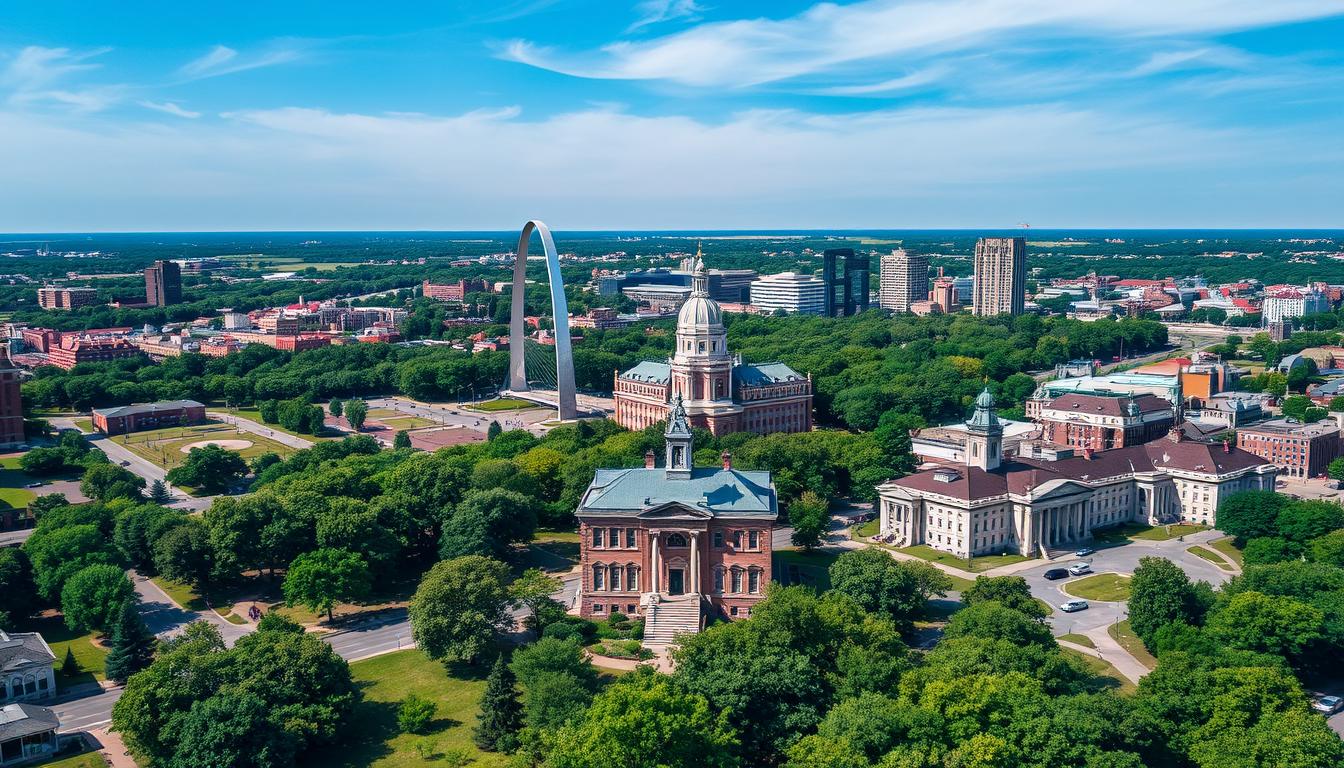
Top Historical Sites to Visit in St. Louis
Ever wondered how St. Louis became a key spot in American history? This city, on the Mississippi River’s banks, is full of stories and landmarks. It’s a place where history comes alive, with sites that tell of its past.
St. Louis is not just about famous spots. It’s also about hidden places full of culture. This city takes you on a journey through time, showing you its growth and important moments.
This guide will show you the top historical sites in St. Louis. You’ll see how the city grew and its role in the civil rights movement. Get ready to hear about people and events that changed this area. They make St. Louis a key place to visit.
Gateway Arch: An Icon of American History
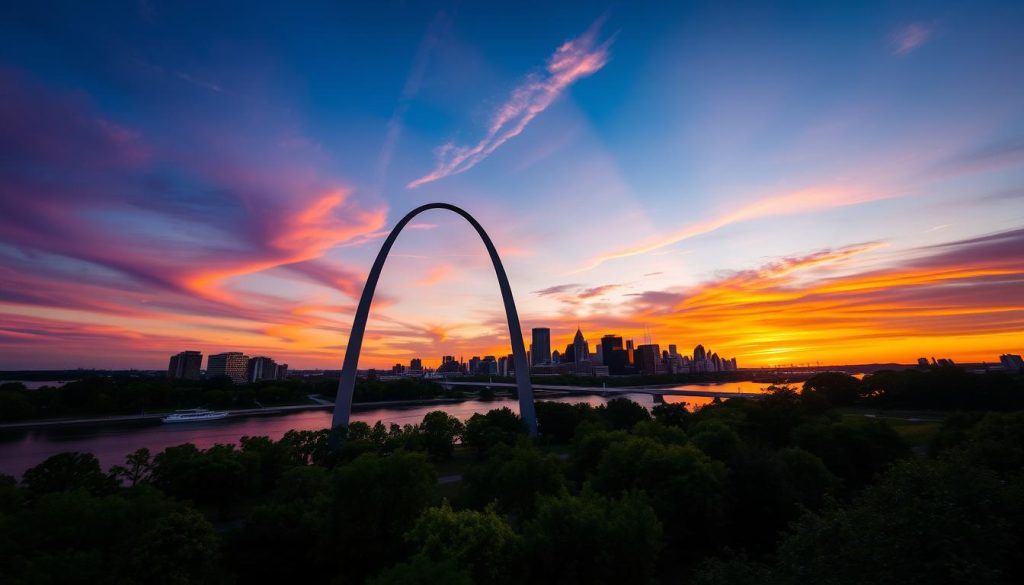
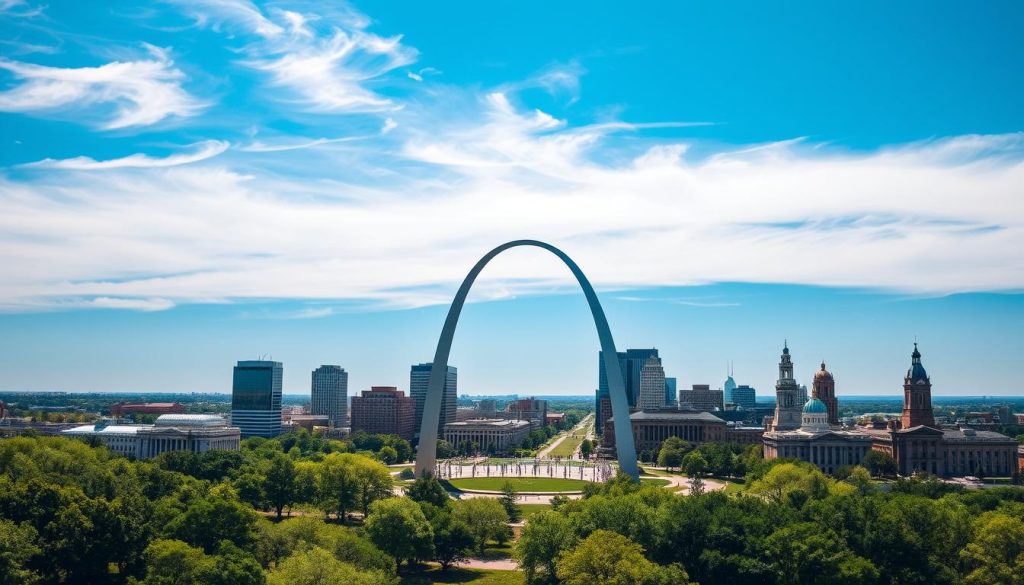
The Gateway Arch is a symbol of the westward growth of the United States. Finished in 1965, it reaches 630 feet high, making it the tallest arch globally. It’s a key St. Louis landmark, blending beauty with American history. Its modern design symbolizes unity and progress.
Overview of the Gateway Arch
The Gateway Arch is more than just a beautiful building; it’s a symbol of American history. It tells the story of explorers like Lewis and Clark. The visitors’ center beneath the Arch has exhibits that show St. Louis’s role in the country’s growth.
Visitor Experience and Activities
Visiting the Gateway Arch is an experience full of wonder and learning. A tram takes you to the top for stunning city and river views. You can join guided tours to learn about the arch’s making and its history. The arch hosts events all year, celebrating its cultural importance.
Cahokia Mounds State Historic Site
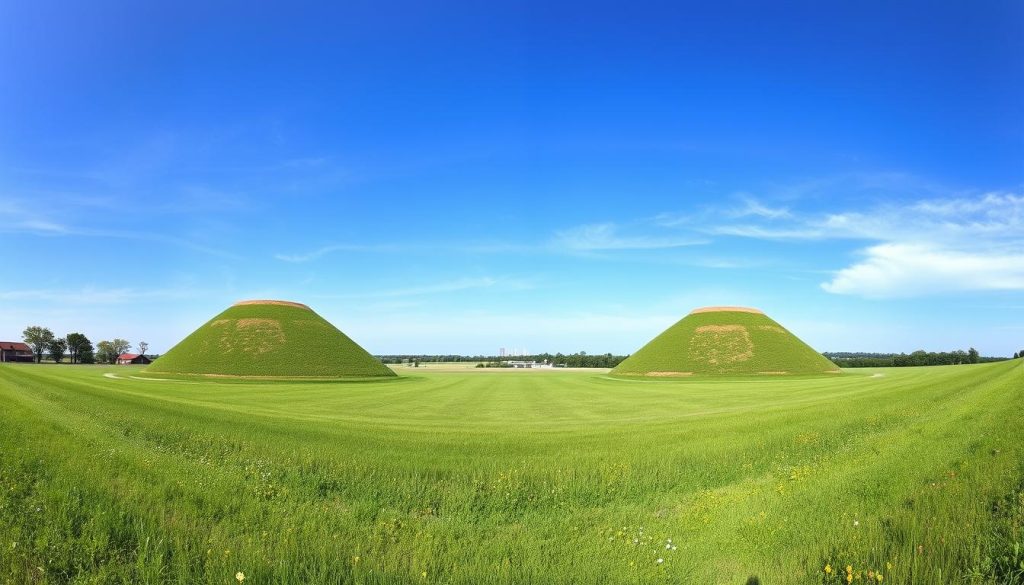
The Cahokia Mounds State Historic Site is a key piece of history. It shows the Mississippian civilization’s great cultural growth. Near downtown St. Louis, it has mounds, with Monk’s Mound being the tallest at 100 feet. This place lets you explore the history of North America’s most advanced prehistoric society.
Significance of the Mississippian Civilization
The Mississippian civilization started around 600 A.D. and lasted until about 1400 A.D. It covered the Mississippi River Valley, with big cities, complex societies, and detailed trade networks. The Cahokia Mounds are a main example of their culture, with big ceremonial mounds and signs of advanced farming. Visitors can see how they lived and worked together.
What to Expect During Your Visit
At Cahokia Mounds, you’ll find many activities and sights. There are five miles of trails that take you through the beautiful landscape with ancient mounds. The interpretive center has exhibits that tell us about the daily life, rituals, and farming of the Mississippian people. You’ll be amazed by the historical importance of this place, making it a top spot in St. Louis.
Bellefontaine Cemetery and Arboretum
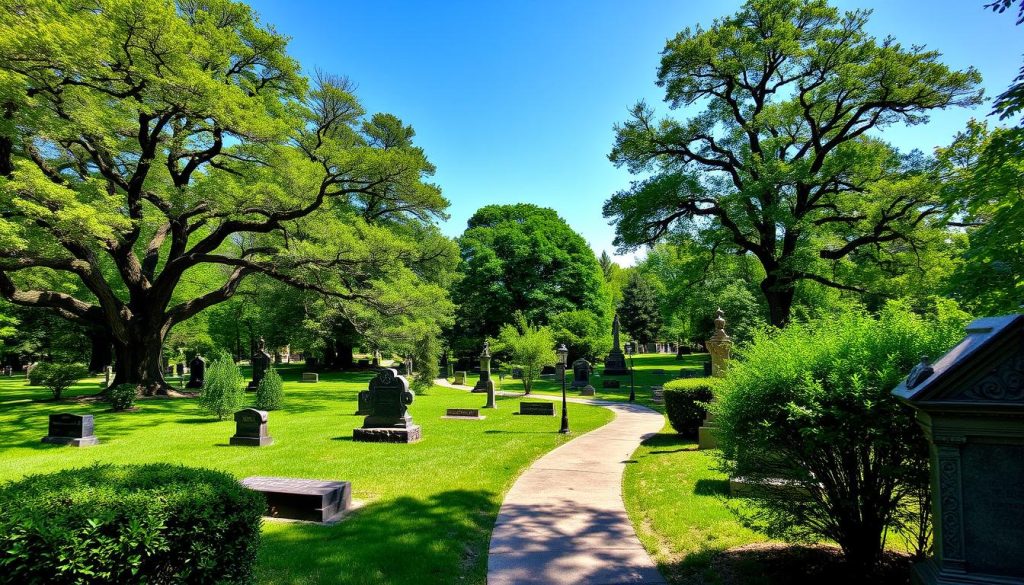
Bellefontaine Cemetery is a peaceful place with a deep history. It’s a key spot for exploring St. Louis. Since 1849, it has been a place of rest for many important people.
Historical Figures Buried Here
Many famous people from St. Louis are buried at Bellefontaine Cemetery. They include:
- William Clark, co-leader of the Lewis and Clark Expedition
- Adolphus Busch, founder of Anheuser-Busch
- General William Tecumseh Sherman, notable Union general during the Civil War
These graves show the rich history of St. Louis. They help us understand the city’s past better.
Events and Programs at the Cemetery
There are over 300 events at this historic site every year. They focus on plants and local history. Walking tours are a big hit, sharing stories of the people buried there and their big contributions.
| Event Type | Description | Frequency |
|---|---|---|
| Walking Tours | Guided tours narrating the stories of historical figures. | Monthly |
| Horticultural Events | Workshops and showcases focusing on plant care and gardening. | Seasonal |
| Historical Lectures | Talks on various historical topics and figures interred in the cemetery. | Quarterly |
What historical sites should I visit in St. Louis?
Exploring St. Louis means checking out historical spots that tell the city’s story. This guide will lead you to key places that highlight the area’s heritage.
- Gateway Arch – This iconic monument symbolizes the westward expansion of the United States.
- Cahokia Mounds State Historic Site – See the remains of a major Native American city and its big earthen mounds.
- Bellefontaine Cemetery and Arboretum – A place where many important people are buried, offering history and beautiful views.
- Campbell House Museum – Learn about St. Louis’s wealthy past by visiting this well-kept mansion.
- Old Courthouse – This historic building was important in famous trials, like the Dred Scott case.
- Chatillon-DeMenil Mansion – Discover architectural beauty and the stories of a wealthy family here.
These historical sites give a full picture of St. Louis and its varied stories. Guided tours often share hidden facts and stories, making your visit even better. Make sure to include these spots in your St. Louis trip.
| Historical Site | Significance | Visitor Activities |
|---|---|---|
| Gateway Arch | Symbol of westward expansion | Observation deck, tram rides |
| Cahokia Mounds | Ancient Native American city | Hiking, educational programs |
| Bellefontaine Cemetery | Final resting place of notable figures | Self-guided tours, events |
| Campbell House Museum | Showcases St. Louis’s affluent history | Guided tours, exhibits |
| Old Courthouse | Site of significant trials | Exhibits, guided tours |
Campbell House Museum
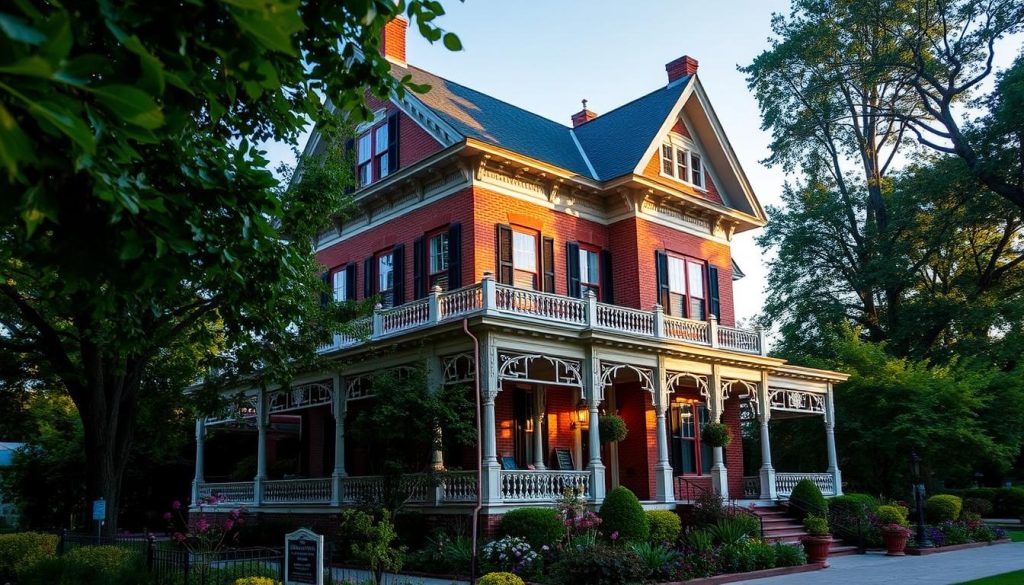
The Campbell House Museum is a symbol of luxury from its time. It belonged to the Campbell family, who greatly influenced St. Louis’s history. Built in 1851, this beautiful house shows how the family lived, thanks to their work in the fur trade and westward expansion.
Visitors can dive into the stories of 19th-century life with its exhibits. These exhibits are carefully put together to share the Campbell family’s story.
History of the Campbell Family
The Campbell family was key to the area’s growth. They lived in their namesake house for many years. Their work during a crucial time in American history lets us see their world.
Their story is linked to the growth of historic homes in St. Louis. You’ll hear tales that bring their life and influence to life.
Original Artifacts and Preservation
The museum has hundreds of original items, taking you back in time. You’ll see furniture, personal items, and documents that tell stories of St. Louis’s past. A five-year restoration made the house look like it did when the Campbells lived there.
Guided tours give you deep insights into the house’s history. They make your visit more meaningful, showing why this place is so important.
Old Courthouse: A Landmark of Justice
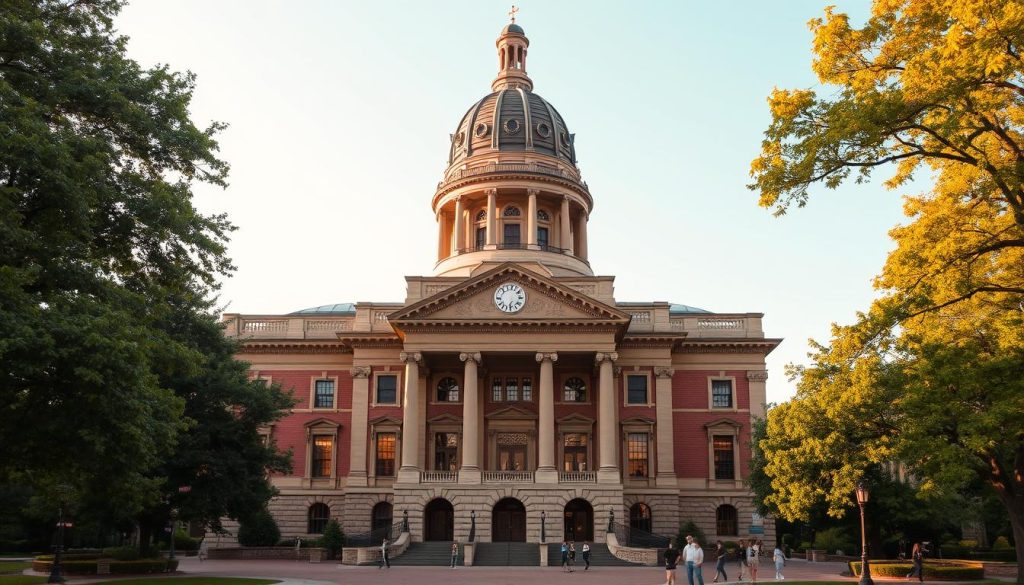
The Old Courthouse is a key symbol in St. Louis’s justice history. It shows the journey towards equality and justice over the years. This historic building is famous for hosting important trials, like the Dred Scott case, which changed American law.
Historical Trials and Significance
From 1839 to 1864, the Old Courthouse was a center for major legal decisions. These decisions helped shape civil rights in the U.S. The trials here show the fight for freedom and justice during tough times. The Dred Scott case, which dealt with slavery and citizenship, is a key example of the courthouse’s impact on law.
Exhibits and Visitor Information
Visiting the Old Courthouse takes you deep into St. Louis’s justice history. You can see exhibits on its history, architecture, and famous trials. The beautiful stained glass windows add to the experience. Guided tours give you insights into the building’s role in landmark cases and the civil rights movement. You’ll leave with a better understanding of its importance.
Chatillon-DeMenil Mansion: A Glimpse into the Past
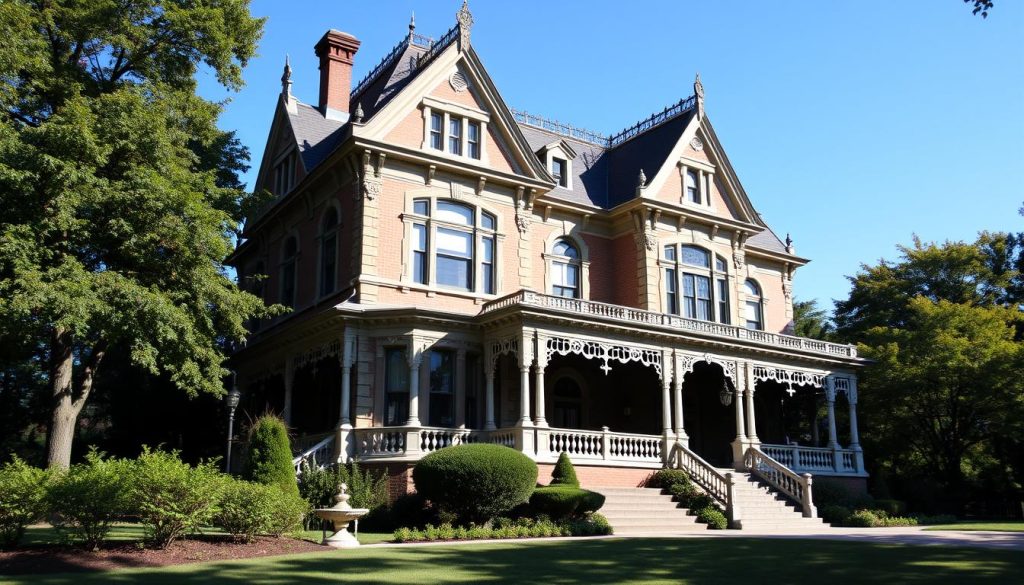
The Chatillon-DeMenil Mansion is a key piece of St. Louis’s architectural history. It shows off the beauty of mid-19th century craftsmanship. It lets us peek into the lives of those who once called it home.
This mansion is more than just a beautiful St. Louis home. It’s a symbol of how the city has changed over time.
Architectural Significance
The mansion’s design is a perfect example of the Greek Revival style. It has tall columns and big porticos. Its façade is well-kept, showing its beauty and historical value.
Visitors can see the grand scale and symmetry of this style. It offers a visual journey back to a time of elegance.
Family Stories and Historical Context
The families who lived in the mansion have stories that are part of St. Louis’s history. They were involved in the fur trade and helped shape the city. Their stories add to the mansion’s rich history.
Guided tours let you see into their lives. You can feel connected to St. Louis’s past through artifacts and stories that make history come alive.
Freedom Suits Memorial: Honoring Courage
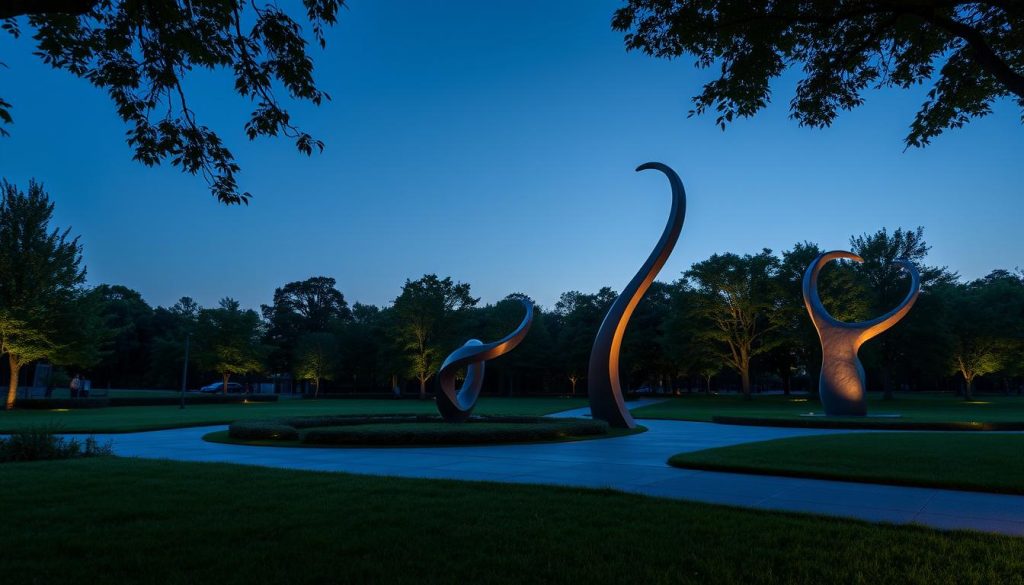
The Freedom Suits Memorial honors those who bravely fought for their freedom in court. It’s a key part of St. Louis’s civil rights history. The memorial teaches us about the hard struggles these individuals went through. Near the Civil Courts Building, a 14-foot bronze sculpture shows important moments from the Freedom Suits trials. It highlights the never-ending fight for justice.
Historical Background of the Freedom Suits
During the early to mid-19th century, enslaved people sought legal freedom. They filed petitions in St. Louis courts. This led to many lawsuits, showing the bravery of those fighting for their rights. These cases were important for the fight towards equality and justice.
The Artwork and Its Message
The memorial’s artwork shows the struggles of those who challenged the old ways. It’s designed to inspire hope and resilience. The sculpture makes viewers think about civil rights and equality. It’s a key place for learning about St. Louis’s civil rights history.
Field House Museum: A Story of Freedom
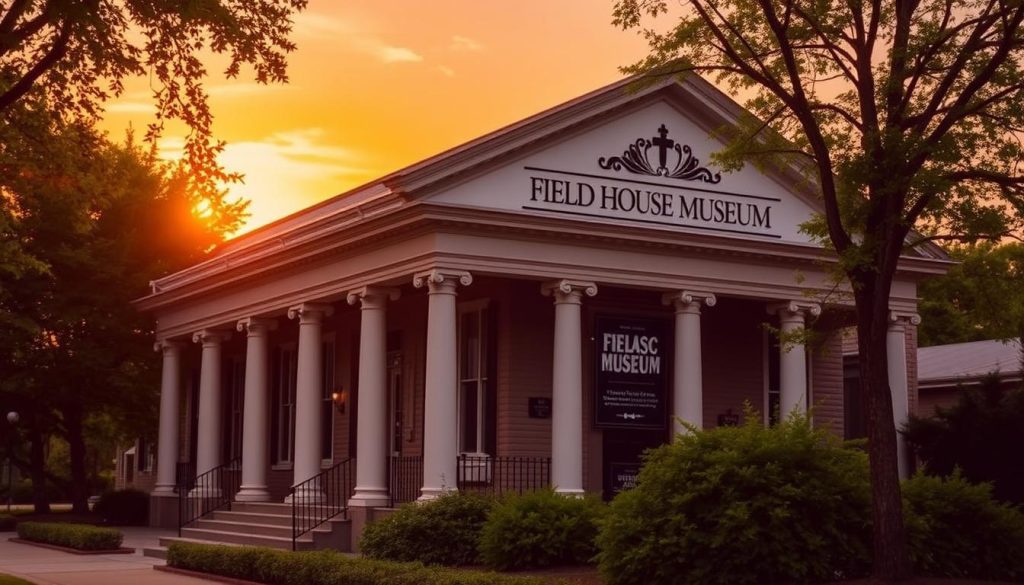
The Field House Museum tells a deep story of America’s complex history. It focuses on Eugene Field and the important Dred Scott history. This place honors the fight for freedom and justice in St. Louis during the 19th century.
The Life of Eugene Field
Eugene Field was a famous writer and children’s poet who lived here. His work shows the big changes in society back then. Visitors see artifacts that show his lively life and creative spirit.
They learn about his impact on American culture. They also see how his writing was shaped by the world around him.
Dred and Harriet Scott’s Legacy
The Field House Museum is key in keeping Dred Scott’s story alive. Scott and his wife Harriet fought hard for their freedom in court. Their story is a powerful symbol of the fight for justice in America.
The museum has important documents and exhibits about their fight. These help teach visitors about the Dred Scott decision’s big impact on civil rights in the U.S.
Conclusion
As your journey through St. Louis comes to an end, you’ll see it’s full of history. It invites you to explore its past. The Gateway Arch stands tall, symbolizing the westward journey. Nearby, the Campbell House Museum offers a closer look at history.
St. Louis has many historical sites that everyone can enjoy. Each place has its own story, adding to the rich American history. This guide helps you understand the area’s culture and its past.
Visiting these sites lets you see key moments in history. You’ll find everything from amazing buildings to moving memorials. St. Louis is perfect for those who love history.
Your trip to St. Louis will be unforgettable. It’s not just a look back in time. It’s a chance to learn about the past and how it affects us now. So, get ready to explore St. Louis’s history and discover the stories that shape our world.