5-Day Mammoth Cave National Park Itinerary Guide
Mammoth Cave National Park contains the world’s longest known cave system, with more than 420 miles of explored passageways beneath south-central Kentucky. A 5-day visit is enough to take several cave tours, hike the park’s 84 miles of above-ground trails, paddle the Green River, and visit the main historical sites. Cave tours require advance booking between March and November, with the Wild Cave Tour (6 hours, approximately $60/adult as of 2026) and Violet City Lantern Tour selling out weeks ahead during peak season. This itinerary covers each day in sequence, with campground and nearby hotel options for overnight stays.
Exploring Mammoth Cave National Park
Mammoth Cave is America’s longest cave system, with more than 420 miles of discovered passageways. The cave’s formation spans 330 million years of geological history, with the limestone bedrock dissolving over millennia to create the vast chambers, domes, and underground rivers that define the system today. Above ground, the park covers 54,000 acres of Kentucky karst landscape with forested ridges, sinkholes, and the Green River running through the valley.
| Attractions | Description |
|---|---|
| Mammoth Cave Discovery Tour | Explore Frozen Niagara, cave bacon, and other formations that define the cave’s natural character. Approximately 1.25 hours, 1/4 mile, ~$10/adult. |
| Mammoth Cave hiking trails | 84 miles of above-ground trails through forested ridges, sinkhole terrain, and the Green River Valley. |
| Domes and Dripstones Tour | View massive stalactites, columns, and flowstone formations. Approximately 2 hours, 3/4 mile, ~$20/adult. |
Top tours in Mammoth Cave National Park
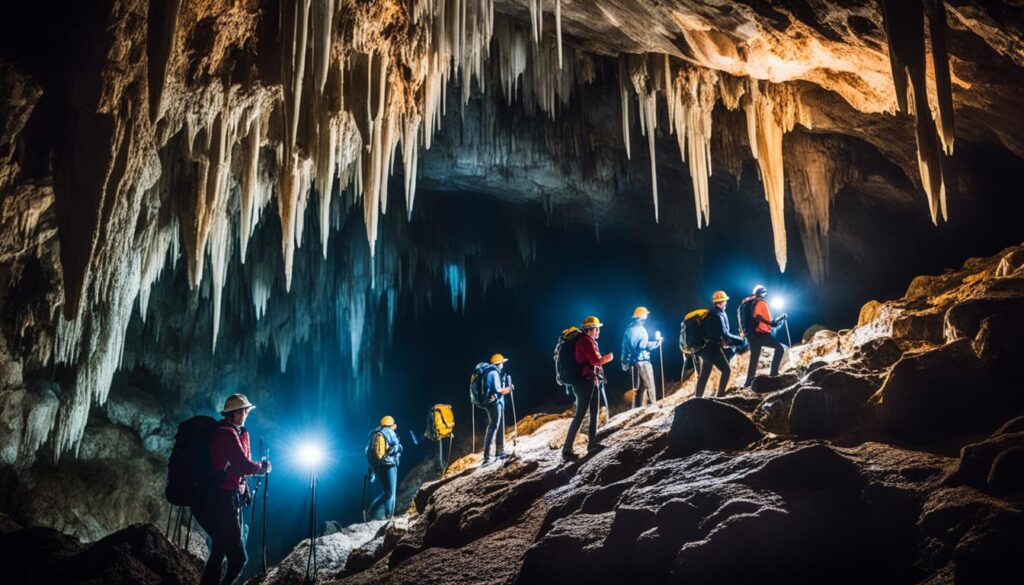
Mammoth Cave offers a range of guided tours covering different sections and difficulty levels of the cave system. All tours depart from the visitor center and require tickets. Book in advance at recreation.gov for any visit from March through November, as popular tours sell out consistently during this period.
| Tour name | Duration | Distance | Approx. price/adult (2026) | Description |
|---|---|---|---|---|
| Mammoth Passage Tour | 1.25 hours | 3/4 mile | ~$10 | Family-friendly introduction to the cave with large passage corridors and notable formations. |
| Violet City Lantern Tour | 3 hours | 3+ miles | ~$22 | Explore by oil lantern as early visitors did, traversing more than 3 miles with steep stairs and narrow passages. |
| Historic Tour | 2 hours | 2 miles | ~$20 | Combines cave history with natural beauty, with a stop at Gothic Avenue and early exploration sites. |
| Wild Cave Tour | 6 hours | 5 miles | ~$60 | Undeveloped sections of the cave requiring crawling, climbing, and getting dirty. Minimum age 16. Book well in advance. |
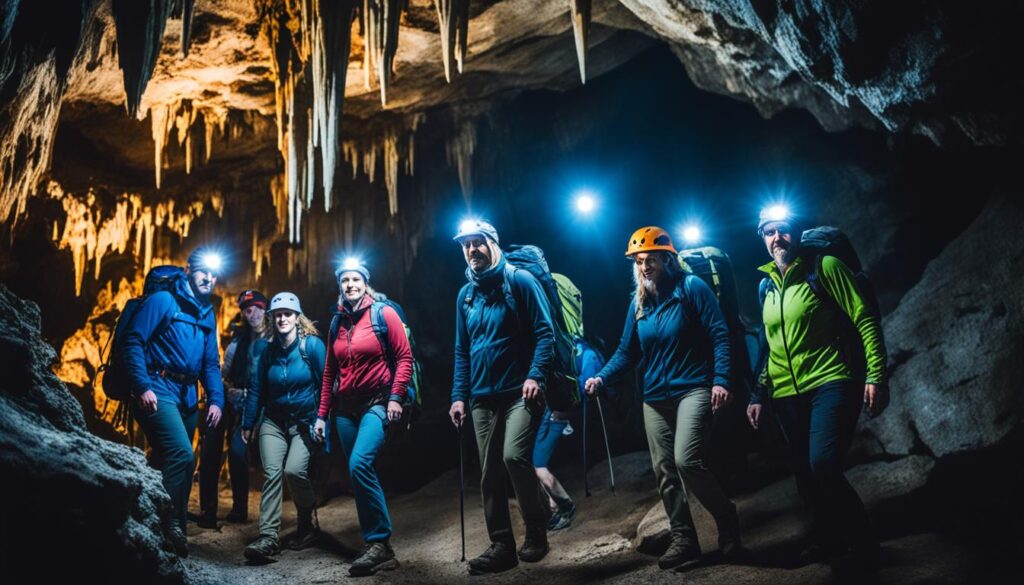
Book tours in advance via recreation.gov. Check the park’s guidelines on appropriate clothing (close-toed shoes required), footwear, and camera restrictions before arriving. Some tours have height and mobility requirements; check the NPS website for current details.
Hiking trails in Mammoth Cave National Park
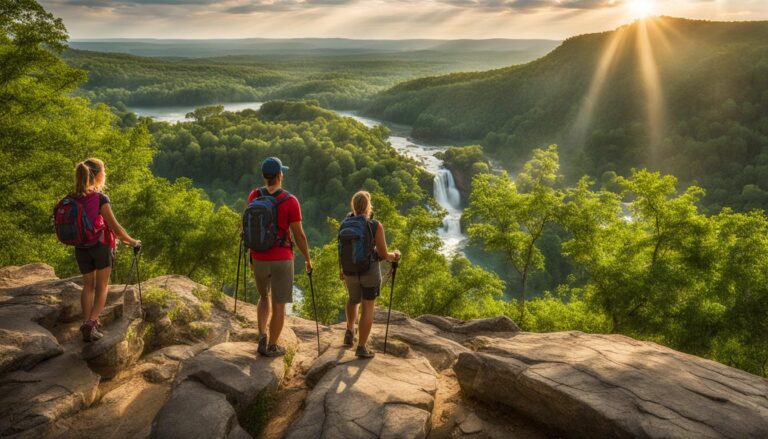
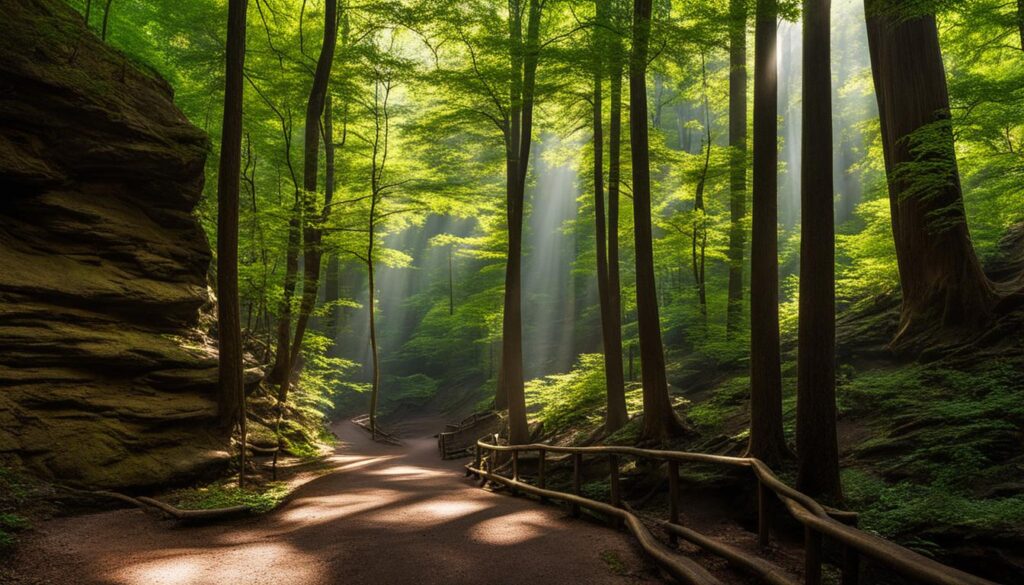
The park has more than 84 miles of above-ground hiking trails ranging from easy 1-mile walks to strenuous 6+ mile routes through remote backcountry terrain. Trails pass through karst sinkholes, river bluffs, and dense forest, with frequent wildlife sightings including white-tailed deer, wild turkeys, and river otters along the Green River.
The Cedar Sink Trail is a 1.5-mile moderate loop through a fern-covered sinkhole, with a seasonal waterfall and distinctive rock formations. The Green River Bluffs Trail covers 3.5 miles with panoramic views of the Green River Valley. The White Oak Trail, at 6.8 miles, is the park’s most strenuous day hike, running through remote wilderness with views of Blowing Sink Cave from the ridge.
Camping in Mammoth Cave National Park
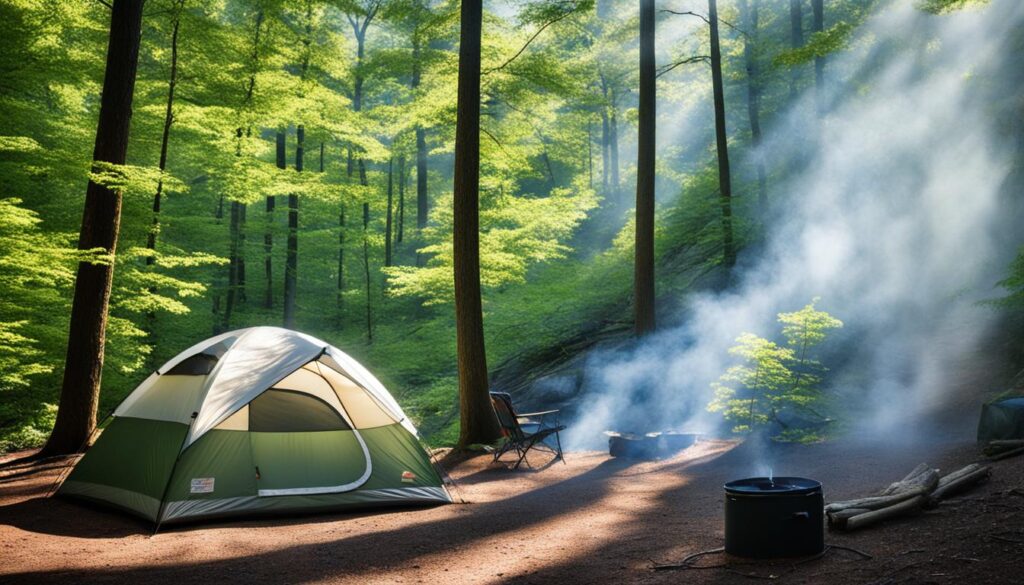
The park has two main campgrounds available to individual visitors, both reservable through recreation.gov. Mammoth Cave Campground is the primary facility, with 112 sites near the visitor center, electric hookups available from $30/night, and tent sites from $25/night. Houchin Ferry Campground is a primitive site on the Green River with 12 tent-only sites from $15/night, no hookups, suitable for tent camping and small vehicles. A third option, Maple Springs Campground, is reserved for organized groups.
| Campground | Location | Sites | Amenities | Approx. rate/night (2026) |
|---|---|---|---|---|
| Mammoth Cave Campground | Near visitor center | 112 sites | Electric hookups, restrooms, showers, drinking water, camp store | $25-30 |
| Houchin Ferry Campground | On the Green River | 12 primitive sites | Fire pits, picnic tables, restrooms, drinking water | $15 |
Reserve both campgrounds via recreation.gov before arriving, especially for summer and fall visits. Both campgrounds are inside the park boundary. Follow the park’s Leave No Trace guidelines and store food in bear canisters or hang bags in trees to avoid attracting wildlife to campsites.
Where to stay near Mammoth Cave National Park
Visitors who prefer hotels over camping have two categories of options: accommodation inside the park operated by the National Park Service, and nearby Cave City hotels approximately 9-10 miles from the visitor center.
The Lodge at Mammoth Cave is the NPS-operated hotel inside the park, with rates from approximately $90-130/night as of 2026. The property includes Heritage Trail Lodge rooms and Heritage Cottages, all within walking distance of the visitor center. Booking through the official NPS reservation system is strongly recommended well in advance for summer visits.
In Cave City, Kentucky (approximately 10 miles from the park entrance), the Hampton Inn Cave City runs from approximately $110-160/night. The Sleep Inn and Suites Cave City offers rates from approximately $90-130/night. The Best Western Plus Cave City runs from approximately $80-120/night. All three are standard chain hotels with free parking and continental breakfast options.
Day 1: arrival and orientation
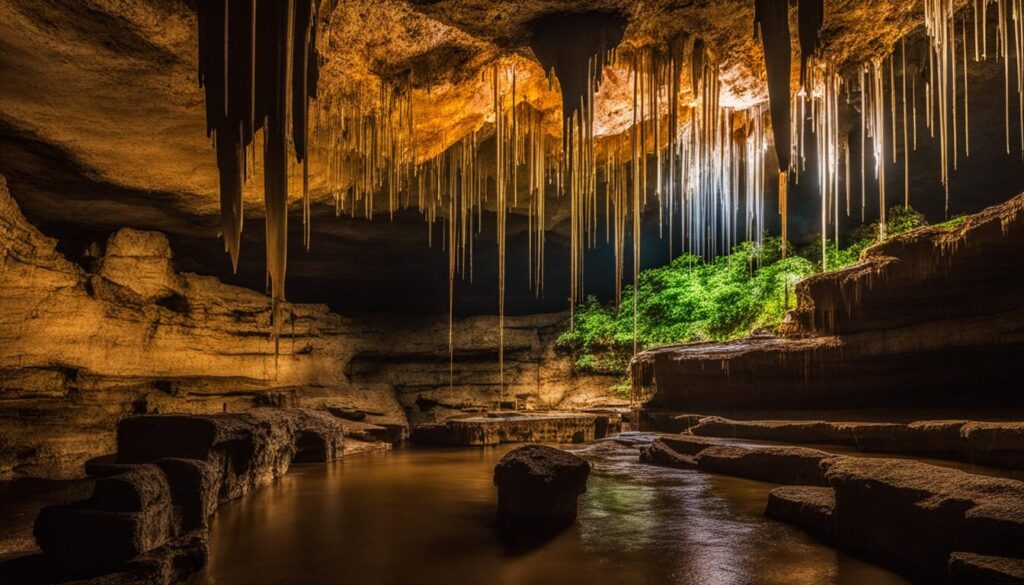
Arrive at the park’s visitor center, located in the center of the park approximately 10 miles from Cave City. The visitor center has exhibits on the park’s geological history, cave formation, and the cultural history of the cave from pre-Columbian use through 19th-century commercial tours. Displays cover the cave’s role as a tuberculosis treatment site in the 1840s and the saltpeter mining operations during the War of 1812.
Take the introductory Mammoth Passage Tour on Day 1 if available. This 1.25-hour tour introduces the cave’s formation and provides a grounding for the more detailed tours planned for Day 2. Stop by the park’s gift shop for trail maps, and confirm your remaining tour reservations at the ticket desk if not already secured online.
Day 2: exploring the underground
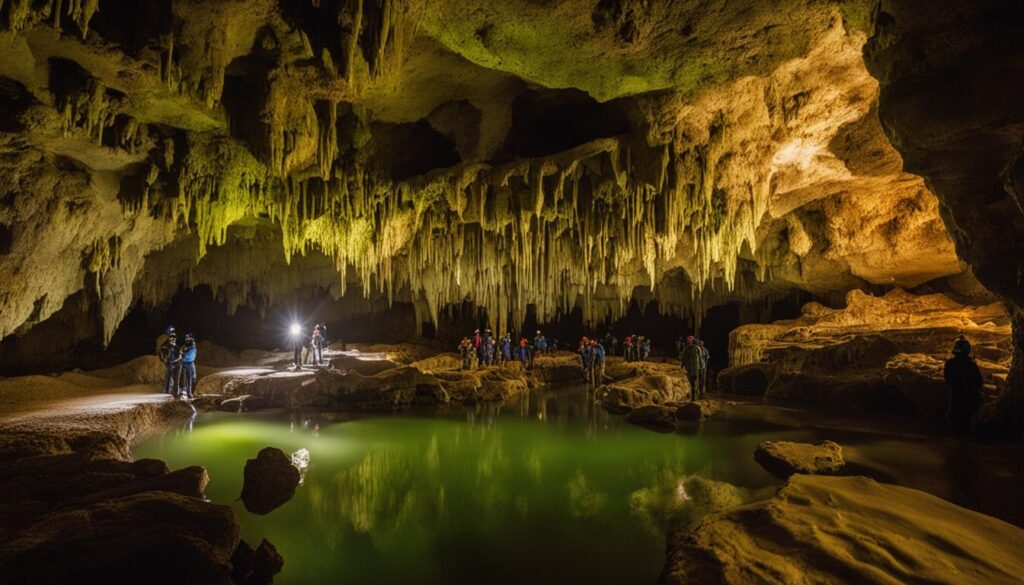
Day 2 is the core cave day. Choose from the Historic Tour or Domes and Dripstones Tour in the morning (both approximately 2 hours), followed by the Violet City Lantern Tour in the afternoon if stamina allows, or the Wild Cave Tour if you booked this in advance and are comfortable with the physical demands.
| Tour name | Duration | Description |
|---|---|---|
| Domes and Dripstones Tour | 2 hours | Covers the cave’s most distinctive formations within a manageable 3/4-mile route. |
| Historic Tour | 2 hours | Explores early exploration and development of Mammoth Cave, including Gothic Avenue. |
| Violet City Lantern Tour | 3 hours | 3+ miles by oil lantern; the most immersive historical tour experience the park offers. |
| Wild Cave Tour | 6 hours | Undeveloped cave access; crawling, climbing, and squeezing through undiscovered sections. Age 16+ only. |
Day 3: above-ground adventures
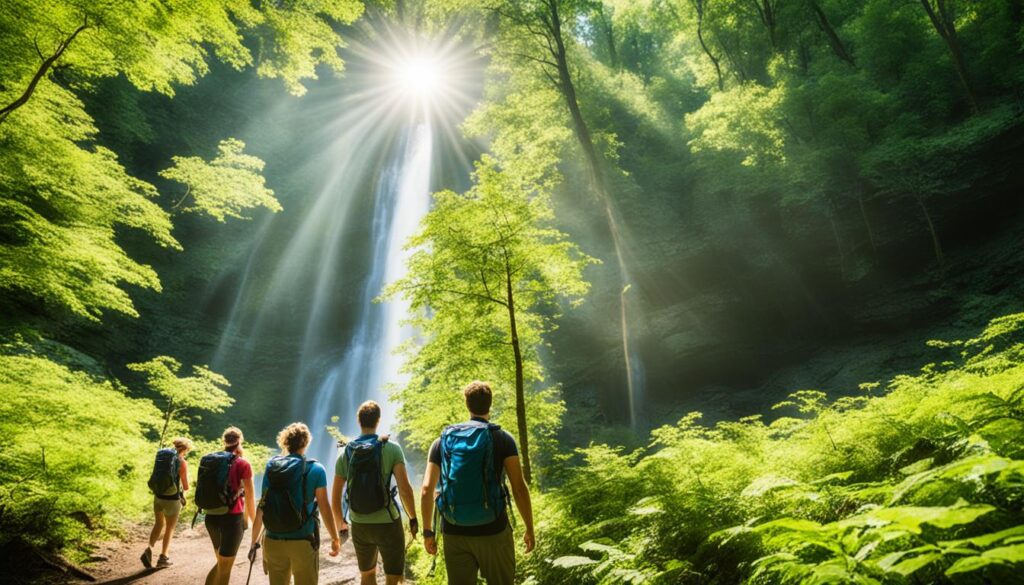
After two days of cave exploration, Day 3 focuses on the park’s above-ground landscape. Begin at the Green River Bluffs Overlook for panoramic views of the Green River Valley and the surrounding forested ridges. Then hike the Cedar Sink Trail (1.5 miles, moderate) for its fern-covered sinkhole and seasonal waterfall. The Echo River Spring Trail and River Styx Spring Trail offer shorter alternatives with access to cave springs emerging at the surface.
For history enthusiasts, visit the Mammoth Cave Baptist Church and Cemetery. This church served as a religious and social center for the local community during the 19th century and provides context for the human history of the cave region beyond its geological significance.
Recommended activities for Day 3
- Green River Bluffs Overlook for panoramic views
- Cedar Sink Trail (1.5 miles, moderate loop)
- Echo River Spring Trail for surface cave spring access
- River Styx Spring Trail
- Mammoth Cave Baptist Church and Cemetery for historical context
Day 4: outdoor recreation and wildlife
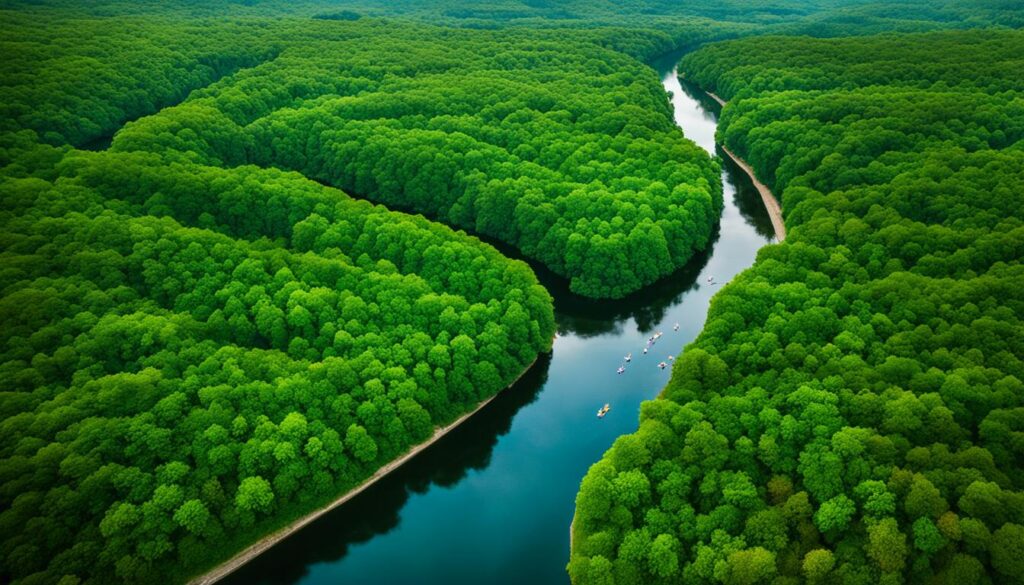
The Green River is the backbone of the park’s outdoor recreation. Kayaking and canoeing on the Green River provide a perspective on the park that hiking and cave tours cannot. The river is one of the most biodiverse in North America, supporting over 150 species of fish and nearly 70 species of freshwater mussels. Canoe and kayak rentals are available through park concessionaires; check current availability and rates at the visitor center.
Kayaking, canoeing, and fishing
The Green River, which flows approximately 384 miles through Kentucky, runs through the heart of Mammoth Cave National Park for roughly 25 miles. The river section through the park is calm enough for recreational paddling and supports largemouth bass, smallmouth bass, and catfish for anglers. A Kentucky fishing license is required for visitors 16 and older.
Wildlife and nature observation
The park supports white-tailed deer, wild turkeys, river otters, coyotes, and 13 species of bats, including the federally endangered Indiana bat. Bird watching is strong along the Green River corridor, with bald eagles, great blue herons, and barred owls regularly spotted. Keep a respectful distance from all wildlife and stay on designated trails to avoid disturbing nesting areas.
Caving vs outdoor adventures comparison
| Experience | Caving | Outdoor adventures |
|---|---|---|
| Physical activity level | Moderate to strenuous; cave terrain can be rugged, slippery, and require steep ascents and descents | Ranges from minimal (wildlife observation) to moderate (kayaking) to strenuous (long trail hiking) |
| Duration | 1.25-6 hours depending on tour | 1-8 hours depending on activity |
| Group size | Capped at 14 for cave preservation | No restrictions for most activities |
| Price range (2026) | ~$10-60/person depending on tour | Free park admission; rental equipment varies by operator |
Day 5: sunset and farewell
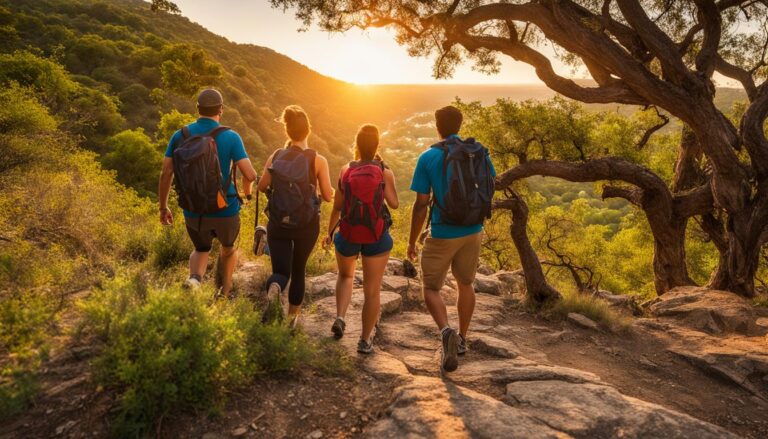
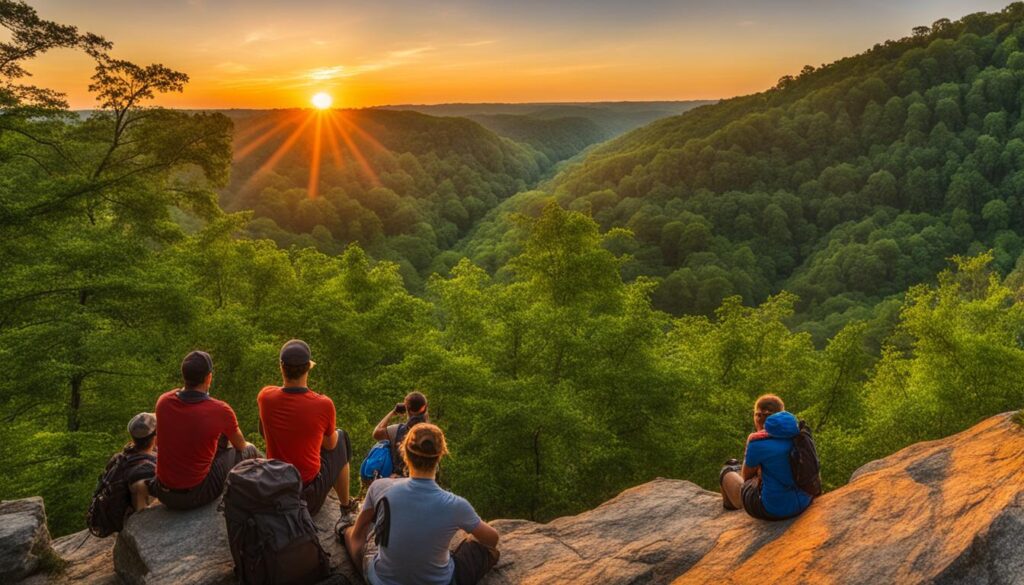
On the final day, take a morning hike to one of the park’s scenic overlooks or walk the Sunset Point Trail before your departure. The Green River Bluffs Overlook is the strongest viewpoint for morning light. Alternatively, use the morning for any cave tours not yet completed.
Before leaving, check out the Mammoth Cave Visitor Center’s bookstore for field guides on Kentucky karst geology and regional natural history. The park is approximately 90 minutes from Louisville and 90 minutes from Nashville, both convenient departure airports for a drive-in, multi-day park visit.
Visitor information and travel guide
Mammoth Cave National Park is located in Edmonson County, central Kentucky, approximately 90 miles south of Louisville and 90 miles north of Nashville. Both cities have major airports (Louisville Muhammad Ali International Airport, BNA Nashville International Airport) with frequent connections to most US hubs.
Getting there
The park entrance is located off US-31W or I-65 (Exit 48, Park City). From Louisville: take I-65 South approximately 80 miles, exit at Park City. From Nashville: take I-65 North approximately 80 miles, same exit. No public transit connects to the park; a vehicle is required for the visit.
Facilities and services
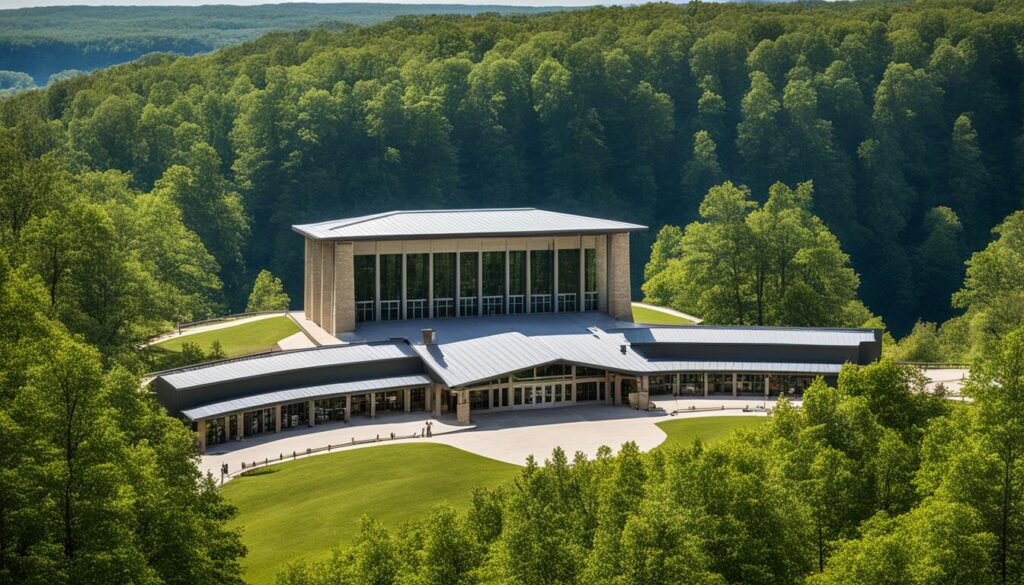
The visitor center is open daily and houses exhibits, the tour ticket desk, a gift shop, and restrooms. Food service is available at the Lodge at Mammoth Cave and a separate camp store near Mammoth Cave Campground. Most visitor facilities are wheelchair accessible; check with the visitor center for specific tour accessibility before booking.
Rules and regulations
- Stay on designated trails and roads
- Do not disturb wildlife or remove any plants, rocks, or cave formations
- Pets are only allowed in designated above-ground areas and campgrounds; they are not permitted on cave tours
- Carry out all trash; leave no trace principles apply throughout
- Firearms possession is governed by applicable federal and state law
Planning your trip
- Book cave tours via recreation.gov before arriving, especially for March-November visits
- Reserve campground sites or The Lodge at Mammoth Cave accommodations well in advance for summer
- Check the current NPS tour schedule, as not all tours run year-round
- Pack close-toed shoes (required for all cave tours), layers (the cave is 54°F/12°C year-round), and a headlamp for backup on lantern tours
- Download offline park maps before arrival; cell service is limited throughout the park
Frequently asked questions
How long is Mammoth Cave National Park’s cave system?
Mammoth Cave has more than 420 miles of surveyed passageways, making it the world’s longest known cave system. New passages continue to be discovered and mapped; the total length grows with each survey expedition. The cave’s formation began approximately 330 million years ago through the dissolution of limestone bedrock by mildly acidic groundwater moving through cracks in the rock.
Do I need to book Mammoth Cave tours in advance?
Yes, advance booking is strongly recommended for all Mammoth Cave tours from March through November. Popular tours including the Violet City Lantern Tour and Wild Cave Tour sell out weeks in advance during peak season. Book via recreation.gov. Walk-up tickets are available for any remaining spots, but availability cannot be guaranteed, particularly on weekends and holidays.
What is the temperature inside Mammoth Cave?
The cave maintains a constant temperature of approximately 54°F (12°C) year-round regardless of outside conditions. Bring a light jacket or fleece for all cave tours, including summer visits. The cave’s humidity typically runs around 87%, which can make the temperature feel cooler than it reads on a thermometer.
What are the best hiking trails at Mammoth Cave National Park?
The Cedar Sink Trail (1.5 miles, moderate) is the park’s most popular above-ground trail, featuring a fern-covered sinkhole and seasonal waterfall. The Green River Bluffs Trail (3.5 miles, moderate) provides the best views of the Green River Valley. For a strenuous full-day hike, the White Oak Trail (6.8 miles) crosses remote terrain with ridge views over Blowing Sink Cave.
Where should I stay when visiting Mammoth Cave National Park?
The Lodge at Mammoth Cave, operated by the National Park Service inside the park boundary, is the most convenient option at approximately $90-130/night as of 2026. For standard hotel amenities, Cave City (approximately 10 miles from the visitor center) has the Hampton Inn Cave City (from ~$110-160/night), Sleep Inn and Suites Cave City (from ~$90-130/night), and Best Western Plus Cave City (from ~$80-120/night). Mammoth Cave Campground inside the park runs from $25-30/night with electric hookups available.
What should I wear on a Mammoth Cave tour?
Close-toed shoes with good grip are required for all cave tours; sandals and flip-flops are not permitted. The cave is 54°F/12°C year-round with approximately 87% humidity, so bring a light jacket or fleece regardless of the outside temperature. For the Wild Cave Tour, the park provides helmets and headlamps; wear clothes you are comfortable getting dirty and wet.
Can you see wildlife at Mammoth Cave National Park?
Yes. The park supports 13 bat species, white-tailed deer, wild turkeys, river otters, coyotes, and over 150 fish species in the Green River. The federally endangered Indiana bat uses the cave for hibernation and is one of the largest hibernating populations of this species anywhere. Bald eagles and great blue herons are common along the river. Wildlife sightings are most frequent during early morning and evening hours along the Green River corridor trails.